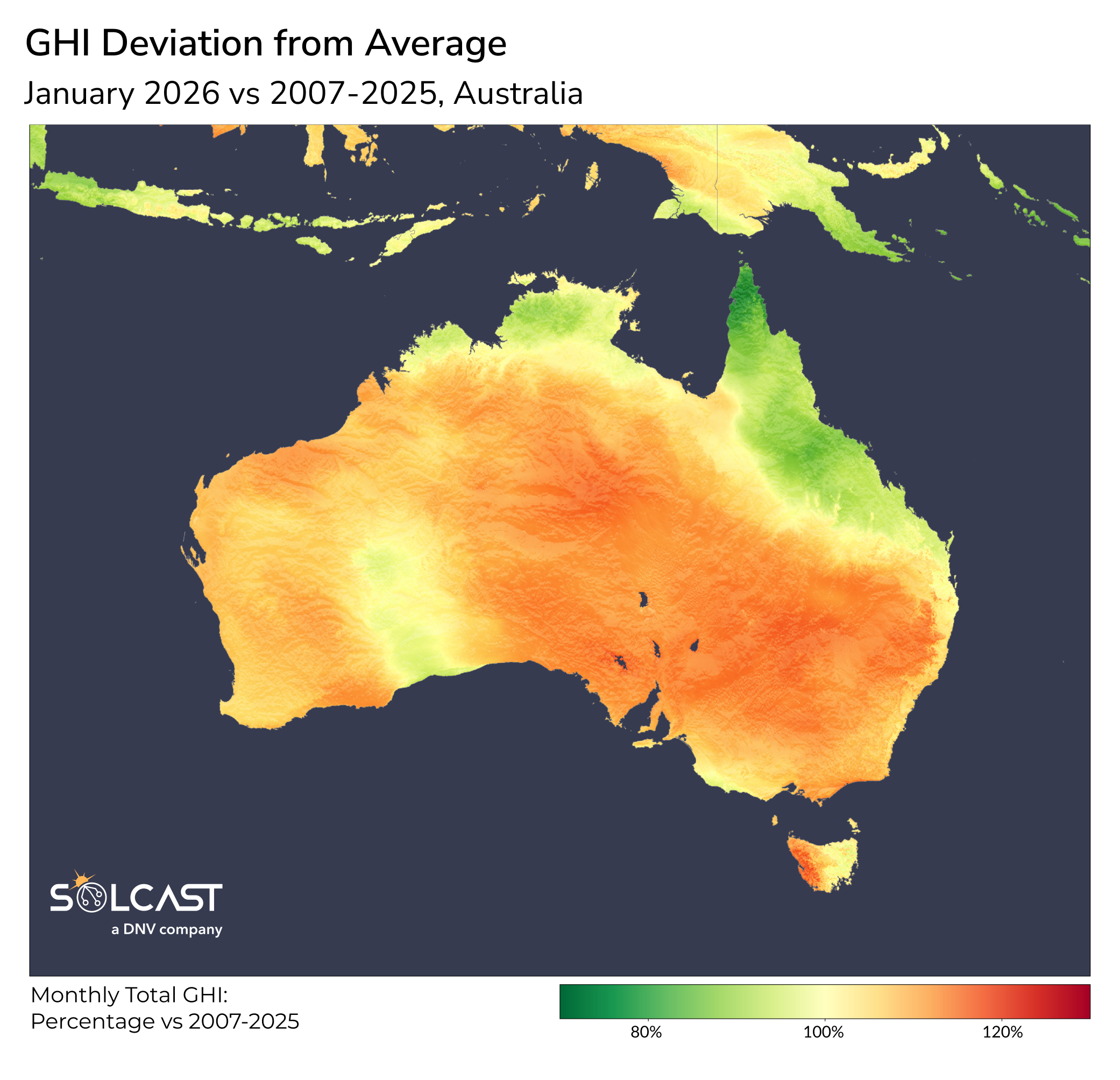
The 2026 Australian wildfire season represents a critical period for national land management, requiring residents and property owners to maintain rigorous fire safety protocols. Amidst evolving climatic conditions, Australian authorities emphasize early preparation, robust insurance coverage, and strict adherence to localized fire danger ratings to safeguard life and property throughout high-risk regions.
The Dynamics of the 2026 Fire Season
As of 2026, the Australian fire landscape remains heavily influenced by the interplay between regional vegetation cycles and shifting weather patterns. Wildfires are a natural feature of the Australian environment, yet the frequency and intensity of these events necessitate an informed approach to risk management. The 2026 season requires a sophisticated understanding of how landscape moisture, wind patterns, and accumulated fuel loads interact to create varying degrees of risk across the continent.
State and territory emergency services, including the New South Wales Rural Fire Service (NSWRFS) and the Country Fire Authority (CFA) in Victoria, have refined their predictive modeling capabilities. By using satellite imagery and ground-level fuel monitoring, these agencies provide citizens with more accurate assessments of potential fire behavior. However, the responsibility for readiness remains decentralized, shifting the burden of preparation onto individual property owners and local communities.
Essential Preparedness Measures for Residents
Preparation for a wildfire event in 2026 is not a single task but a series of ongoing obligations. The most fundamental requirement is the development of a "Bushfire Survival Plan." This document should not be generic; it must be tailored to the specific geographical realities of your property and the personal circumstances of your household.
Key elements of a comprehensive plan include:
- Decision Triggers: Establish exact conditions under which you will evacuate. Do not wait for an official order if you feel unsafe.
- Defensible Space: Maintain a clearance zone around structures. This involves removing combustible materials, trimming overhanging branches, and ensuring that gutters are free of dry leaves.
- Emergency Kits: Maintain a "go-bag" that includes essential documents, medications, high-calorie non-perishable food, and battery-operated communication devices.
- Maintenance of Infrastructure: Ensure that water tanks are accessible to fire crews and that residential driveways can accommodate heavy emergency vehicles.
Navigating Fire Danger Ratings
The Australian Fire Danger Rating System (AFDRS) has been standardized nationally to provide a clear, evidence-based guide for decision-making. In 2026, the four-level system (Moderate, High, Extreme, and Catastrophic) serves as the primary metric for risk communication.
| Rating Level | Meaning | Suggested Action |
|---|---|---|
| Moderate | Plan and prepare | Maintain your property and stay informed. |
| High | Be ready to act | Review your plan and ensure you have clear exit routes. |
| Extreme | Take action now | Activate your survival plan; leaving early is the safest option. |
| Catastrophic | Survival is not guaranteed | Relocate to a safer area well before the fire starts. |
It is essential to monitor these ratings daily through official government channels rather than relying on social media rumors. Local emergency services provide real-time updates through mobile applications and SMS alert systems, which are the most reliable sources of information during an active fire event.
Financial and Insurance Considerations
Property insurance in 2026 requires an active approach to risk assessment. Many standard homeowner policies in fire-prone regions have been adjusted to reflect the rising costs of climate-related damages. Homeowners must verify their "sum insured" values to ensure they cover the current costs of construction and debris removal, as inflation in the building industry can leave policyholders underinsured.
When reviewing your insurance:
- Verify Coverage Inclusions: Confirm that your policy specifically includes bushfire damage and not just general fire cover.
- Assess Replacement Costs: Use current 2026 valuation tools provided by your insurer to calculate the cost to rebuild your home to current building code standards.
- Documentation: Create a digital inventory of your property. Photographic or video evidence stored in a cloud-based environment can significantly expedite the claims process should a fire occur.
The Role of Technology in Modern Fire Safety
Advancements in technology have changed how Australians interact with wildfire threats. Real-time tracking through platforms like the "Fires Near Me" app allows users to visualize fire perimeters and wind direction shifts. While these tools are highly effective for situational awareness, they should not replace manual situational awareness.
Connectivity can fail during major fire events due to power outages or tower damage. Consequently, every household must have an analog backup—such as a battery-operated AM/FM radio—to receive emergency broadcasts from the Australian Broadcasting Corporation (ABC), which remains the primary broadcaster for emergency warnings.
Managing Property Assets and Land
For landowners, particularly those in rural or semi-rural fringes, vegetation management is a statutory requirement. Local councils and state environmental departments define the boundaries for fuel reduction. Burning off, where permitted, must follow strict seasonal guidelines. Attempting to manage fuel loads without obtaining the necessary permits is not only illegal but can create hazardous conditions for neighboring properties.
If you occupy land near protected national parks, you are subject to specific "interface" regulations. These regulations prioritize the protection of biodiversity while ensuring that human settlements are not unnecessarily exposed to the high-fuel environments found in dense bushland. Understanding these intersectional requirements is essential for long-term fire resilience.
Frequently Asked Questions
1. How often should I update my Bushfire Survival Plan? You should review your plan at the start of every fire season—typically late spring—and whenever there is a significant change in your household circumstances, such as new residents, pets, or changes in your physical mobility.
2. Is it always safer to stay and defend my home? No. Expert consensus in 2026 is that staying to defend a property is only viable if the property is highly prepared, the resident is physically capable, and the fire danger rating is not in the "Catastrophic" category. For the majority of citizens, leaving early is the safest decision.
3. What should I do if my road is blocked by smoke? If you are caught in transit, stay inside your vehicle. Park in a clear area, away from heavy vegetation, and keep your windows up and engine off. Cover your body with heavy blankets to protect against radiant heat until the fire front passes.
4. Does my insurance cover damage caused by smoke even if there is no fire damage? This depends on your specific product disclosure statement (PDS). Many insurers differentiate between direct fire damage and indirect smoke damage. You must clarify this with your provider before an event occurs.
5. How do I report a new, unreported fire? Call the emergency service number (000 in Australia) immediately. Provide the operator with your exact location, the size of the fire, and any information regarding nearby assets or potential risks to human life.
Recommended Next Steps
Begin by downloading the relevant fire safety app for your state or territory and verifying your current insurance coverage today. Do not wait for a high-danger day to identify the weak points in your home's defenses; walk your property line, clear debris, and discuss your evacuation routes with all members of your household to ensure that everyone knows exactly what to do when an alert is issued.