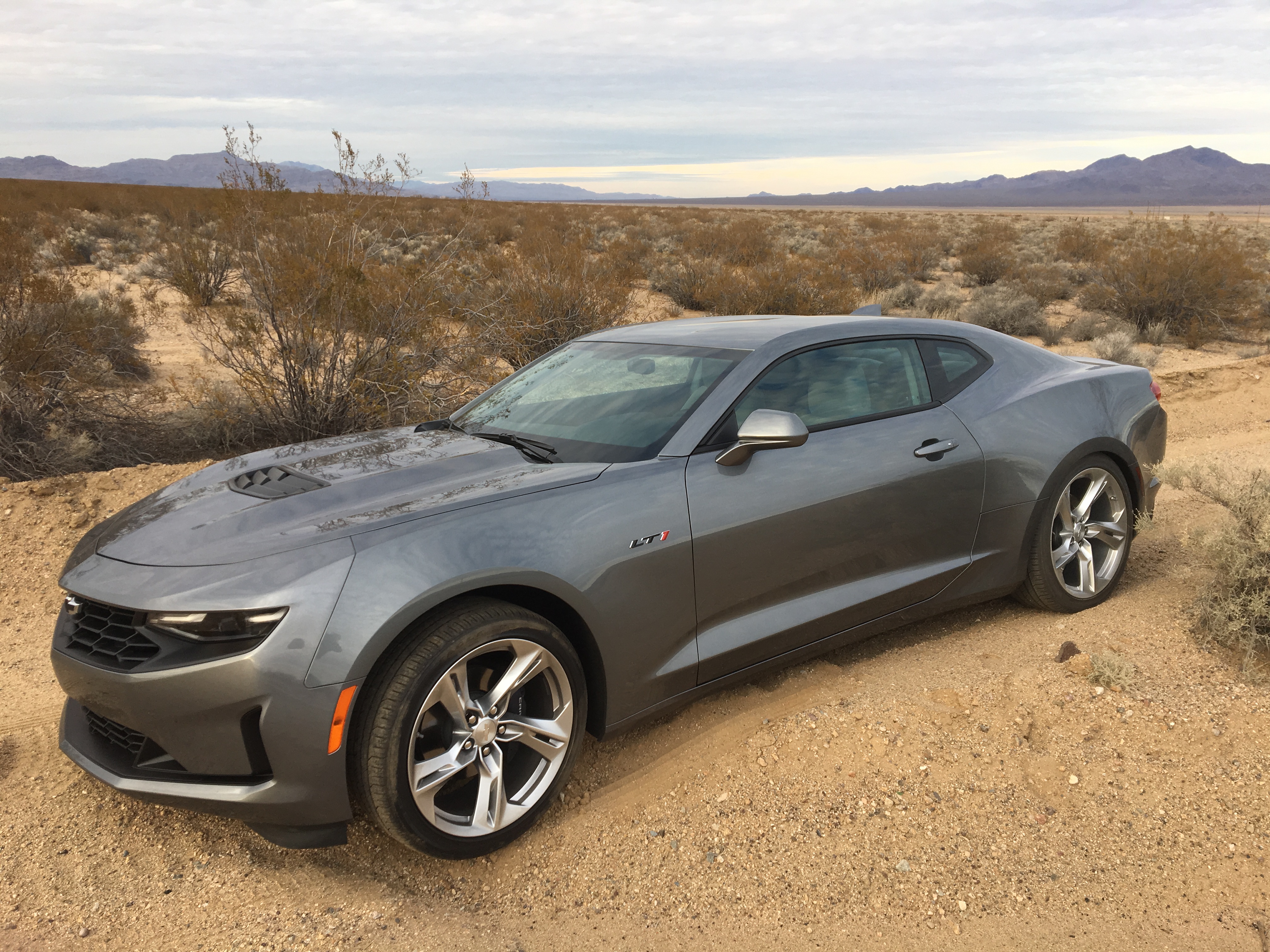
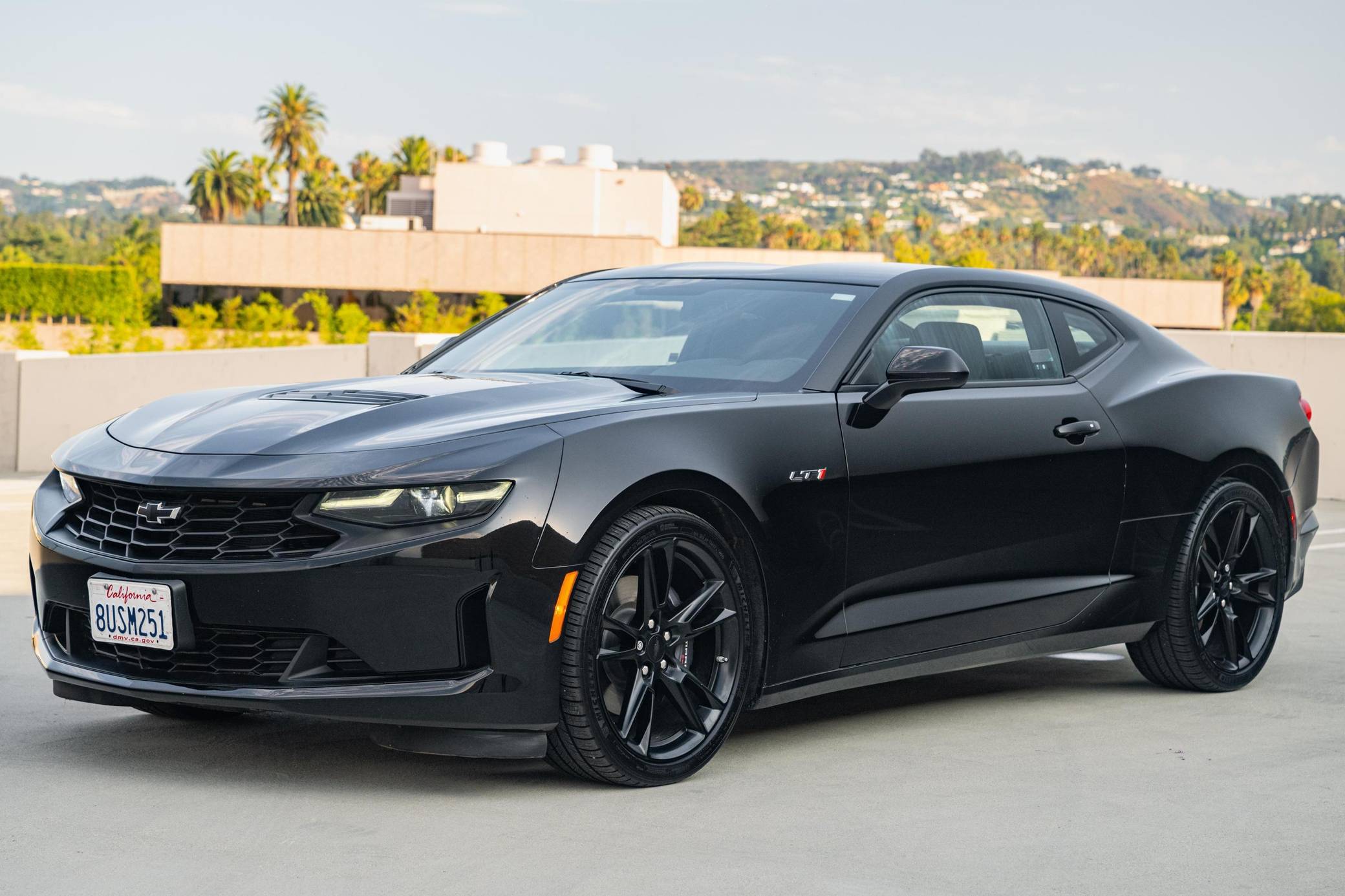
The 2020 Chevrolet Camaro LT1 generates an impressive 455 horsepower and 455 pound-feet of torque, delivered by its naturally aspirated 6.2-liter LT1 V8 engine. This variant was strategically introduced to offer buyers an affordable entry point into V8 performance by combining the lightweight front-end styling of the V6 model with the muscular small-block powertrain of the higher-tier SS trim.
Evaluating high-performance sports cars requires a comprehensive look at what makes their powertrains tick, how they translate raw numbers into real-world dynamics, and where they stand against direct competitors. The sixth-generation Chevrolet Camaro has earned a reputation for sharp chassis tuning and aggressive styling, and the LT1 trim occupies a unique sweet spot in the lineup. Understanding its specifications, operational characteristics, and trim positioning helps enthusiasts and prospective buyers determine whether this specific model aligns with their driving preferences.
Evolution of the LT1 Engine and Performance Metrics
At the heart of the 2020 Chevrolet Camaro LT1 is a powerplant derived directly from General Motors' legendary small-block architecture. Displacing 6.2 liters (376 cubic inches), the Gen V LT1 small-block V8 utilizes direct fuel injection and continuously variable valve timing to optimize combustion efficiency and power delivery across a wide RPM range.
The official output figures for this engine stand at 455 horsepower at 6,000 RPM and 455 lb-ft of torque at 4,400 RPM. This high output allows the Camaro LT1 to achieve rapid acceleration, pushing the car from zero to 60 miles per hour in approximately 4.0 to 4.4 seconds, depending on whether it is equipped with the standard 6-speed manual transmission or the optional 10-speed paddle-shift automatic transmission.
Unlike forced-induction engines that rely on turbochargers or superchargers, the naturally aspirated nature of the LT1 provides an immediate, linear throttle response. Drivers experience predictable power delivery from the moment they step on the accelerator pedal, making it exceptionally engaging on both twisty back roads and track days. Furthermore, the engine features Active Fuel Management (cylinder deactivation) on automatic-equipped models, allowing the V8 to seamlessly shut down four cylinders under light-load cruising conditions to optimize fuel efficiency.
Trim Placement and Strategic Value in the Camaro Lineup
When Chevrolet restructured the Camaro lineup for the 2020 model year, the introduction of the LT1 trim served a specific market purpose. Historically, buyers wanting a V8 engine were required to step up to the 1SS or 2SS trims, which came bundled with a host of track-focused hardware, larger wheels, upgraded braking systems, and more complex interior technology. This pushed the entry price for V8 ownership higher than some budget-conscious enthusiasts desired.
The LT1 trim solved this dilemma by taking the 455-horsepower V8 engine from the SS and placing it into a lighter, more basic shell derived from the standard LT models. Externally, the 2020 Camaro LT1 can be identified by its distinctive hood with a prominent air extractor and unique front fascia styling that resembles the lower-tier V6 variants. It also comes standard with narrower, square-setup wheels and tires (245/40R20 all-season tires on 20-inch wheels) compared to the staggered, wider performance rubber found on the SS.
This stripped-down approach to V8 performance offers distinct advantages and trade-offs. By omitting heavy, expensive track hardware and luxury amenities, Chevrolet managed to offer the LT1 at a significantly lower MSRP than the 1SS. This made genuine V8 muscle car performance accessible to a broader demographic, appealing directly to drivers who prioritize straight-line power and exhaust note over heavy track-day components.
Technical Specifications and Comparative Breakdown
To fully understand where the 2020 Camaro LT1 stands, it helps to examine its key metrics side-by-side with adjacent trims within the Chevrolet portfolio. The engineering choices made by General Motors dictate everything from curb weight to handling characteristics.
| Specification | 2020 Camaro LT (V6) | 2020 Camaro LT1 (V8) | 2020 Camaro SS (V8) |
|---|---|---|---|
| Engine Type | 3.6L V6 (Naturally Aspirated) | 6.2L V8 (Naturally Aspirated) | 6.2L V8 (Naturally Aspirated) |
| Horsepower | 335 hp @ 6,800 RPM | 455 hp @ 6,000 RPM | 455 hp @ 6,000 RPM |
| Torque | 284 lb-ft @ 5,300 RPM | 455 lb-ft @ 4,400 RPM | 455 lb-ft @ 4,400 RPM |
| Standard Transmission | 6-speed manual | 6-speed manual | 6-speed manual |
| Optional Transmission | 10-speed automatic | 10-speed automatic | 10-speed automatic |
| Wheel / Tire Setup | 18-inch (All-season) | 20-inch (All-season, square) | 20-inch (Summer performance, staggered) |
As shown in the comparison table, the LT1 shares the exact same mechanical heartbeat as the more expensive SS. However, its exterior presentation, standard rolling stock, and interior appointments are tailored to keep production costs down.
Driving Dynamics, Transmission Options, and Handling
Power is only one part of the driving equation. How that 455-horsepower output reaches the pavement dictates the overall character of the vehicle. The 2020 Camaro LT1 offers two distinct transmission choices, each catering to a different driving style.
The standard 6-speed manual transmission features Active Rev Matching, which automatically blips the throttle during downshifts to mimic heel-and-toe driving techniques. This system enhances smoothness during aggressive corner entry and provides an engaging, analog connection between the driver and the machine. For drivers seeking maximum straight-line consistency and modern convenience, the optional 10-speed paddle-shift automatic provides lightning-fast gear changes and keeps the engine operating within its optimal powerband during spirited acceleration.
Because the LT1 comes equipped with a square tire setup and all-season tires rather than sticky summer performance rubber, its limits on a race track are lower than those of an SS model equipped with the 1LE track package. However, for everyday street driving, the square setup offers practical benefits: tires can be rotated across all four corners, extending tread life and reducing long-term maintenance costs. The suspension tuning strikes a balance between daily drivability and sporty handling, though it lacks the magnetic ride control dampers available on higher trims.
Common Modifications and Aftermarket Potential
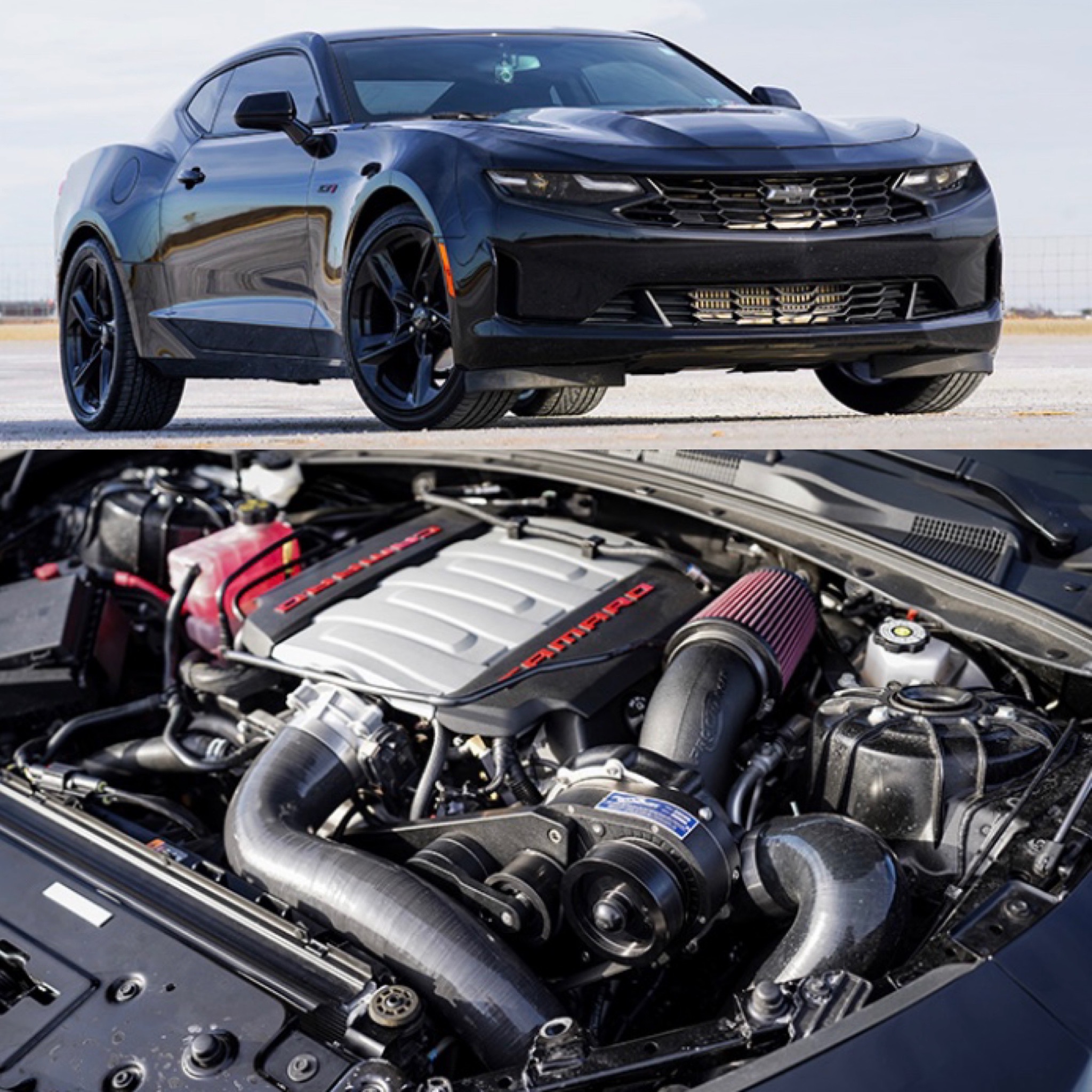
The 6.2L LT1 engine is part of a legendary family of small-block V8s with an immense aftermarket support network. Many owners choose to modify their 2020 Camaro LT1 to extract performance that matches or exceeds factory higher-end models like the ZL1, though such modifications require careful planning and budget allocation.
Popular upgrades typically begin with the exhaust system. Because factory emissions regulations muffle the natural roar of the small-block, aftermarket cat-back or axle-back exhaust systems are among the most common early additions. They not only enhance the auditory experience but can also yield minor horsepower gains by reducing backpressure.
Further performance enhancements often include cold air intake kits, custom engine calibration (tuning), and long-tube headers. For those seeking forced induction, centrifugal supercharger kits and twin-turbo systems can easily push the stock LT1 block well past the 600-horsepower threshold. However, owners should note that significant engine modifications can impact factory powertrain warranties and may require supporting upgrades to the fuel system, clutch, or transmission to handle the increased torque load.
Frequently Asked Questions
What engine is in the 2020 Camaro LT1?
The 2020 Camaro LT1 features a 6.2-liter naturally aspirated small-block V8 engine, designated as the LT1. It produces 455 horsepower and 455 lb-ft of torque, sharing the same block and output specifications as the more expensive Camaro SS.
Is the 2020 Camaro LT1 faster than the SS?
In straight-line acceleration, the LT1 and the SS perform nearly identically because they share the same 455-horsepower engine and comparable curb weights. However, the SS features wider, sticky summer performance tires and a larger Brembo braking system, giving it an advantage on road courses and twisty tracks.
Does the LT1 trim come with a manual transmission?
Yes, a 6-speed manual transmission with Active Rev Matching is standard equipment on the 2020 Camaro LT1. A 10-speed automatic transmission with paddle shifters is available as an option.
What is the difference between the Camaro LT1 and the 1SS?
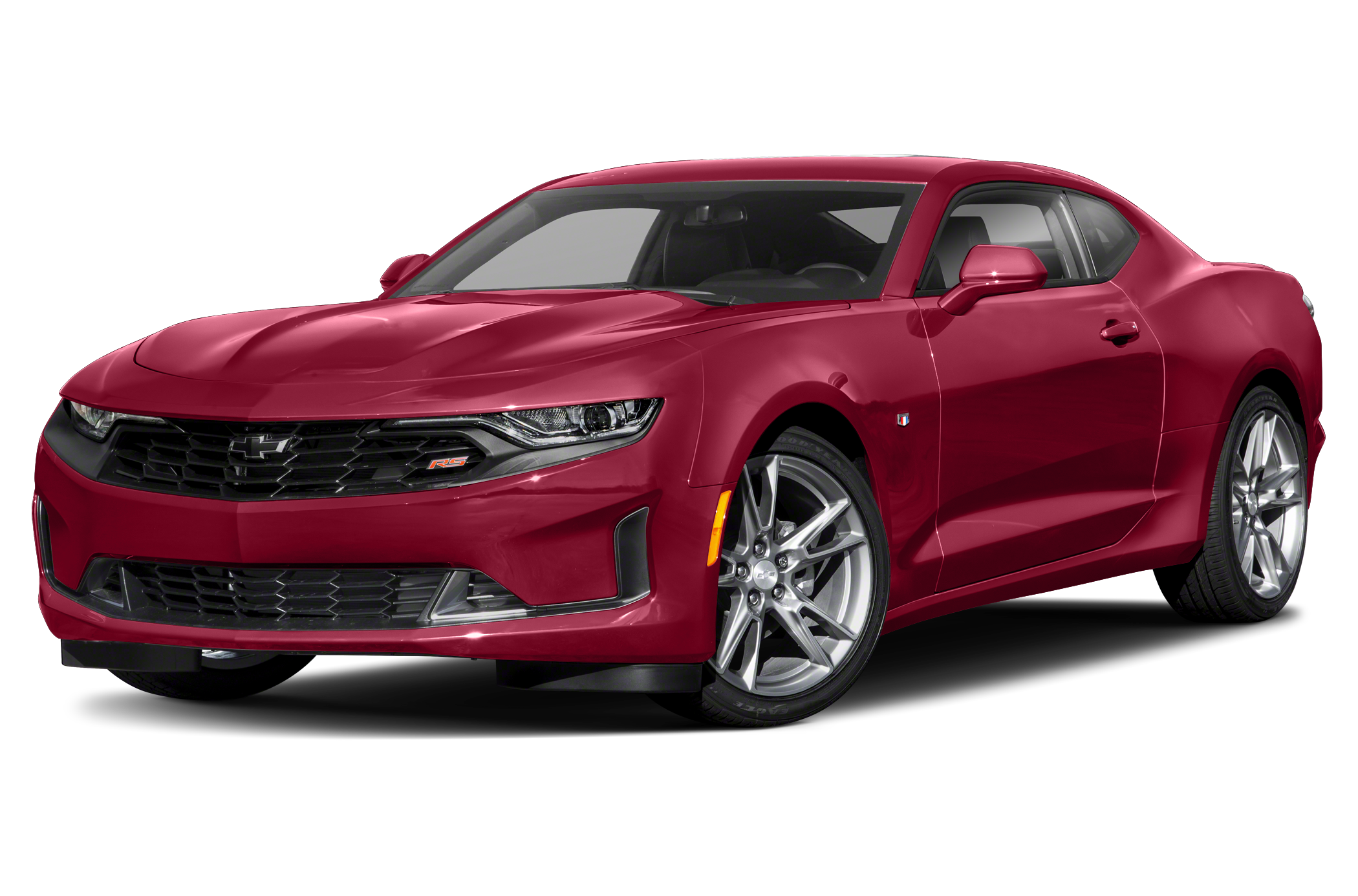
The primary differences lie in appearance, wheels, and brakes. The LT1 uses the lighter front fascia of the V6 model, a vented hood, a square wheel-and-tire setup with all-season tires, and standard brakes. The 1SS features an aggressive track-inspired front grille, wider staggered summer performance tires, and larger 4-piston or optional 6-piston Brembo brakes.
Can you get the 1LE track package on a 2020 Camaro LT1?
No, Chevrolet did not offer the 1LE track performance package on the LT1 trim for the 2020 model year. Buyers wanting the 1LE package had to step up to either the V6 1LE, the SS 1LE, or the supercharged ZL1 1LE.
Conclusion and Next Actions
The 2020 Chevrolet Camaro LT1 successfully bridges the gap between affordability and uncompromising V8 performance. By channeling 455 horsepower through a lightweight, cost-effective platform, it delivers muscle-car thrills without forcing buyers into expensive luxury or track packages. Prospective buyers should evaluate whether they prefer the daily-driver versatility of the LT1's square tire setup or the aggressive track readiness of the SS. For those ready to purchase or modify, scheduling a test drive with both manual and automatic variants is the best next step to determine which transmission configuration matches your personal driving style.