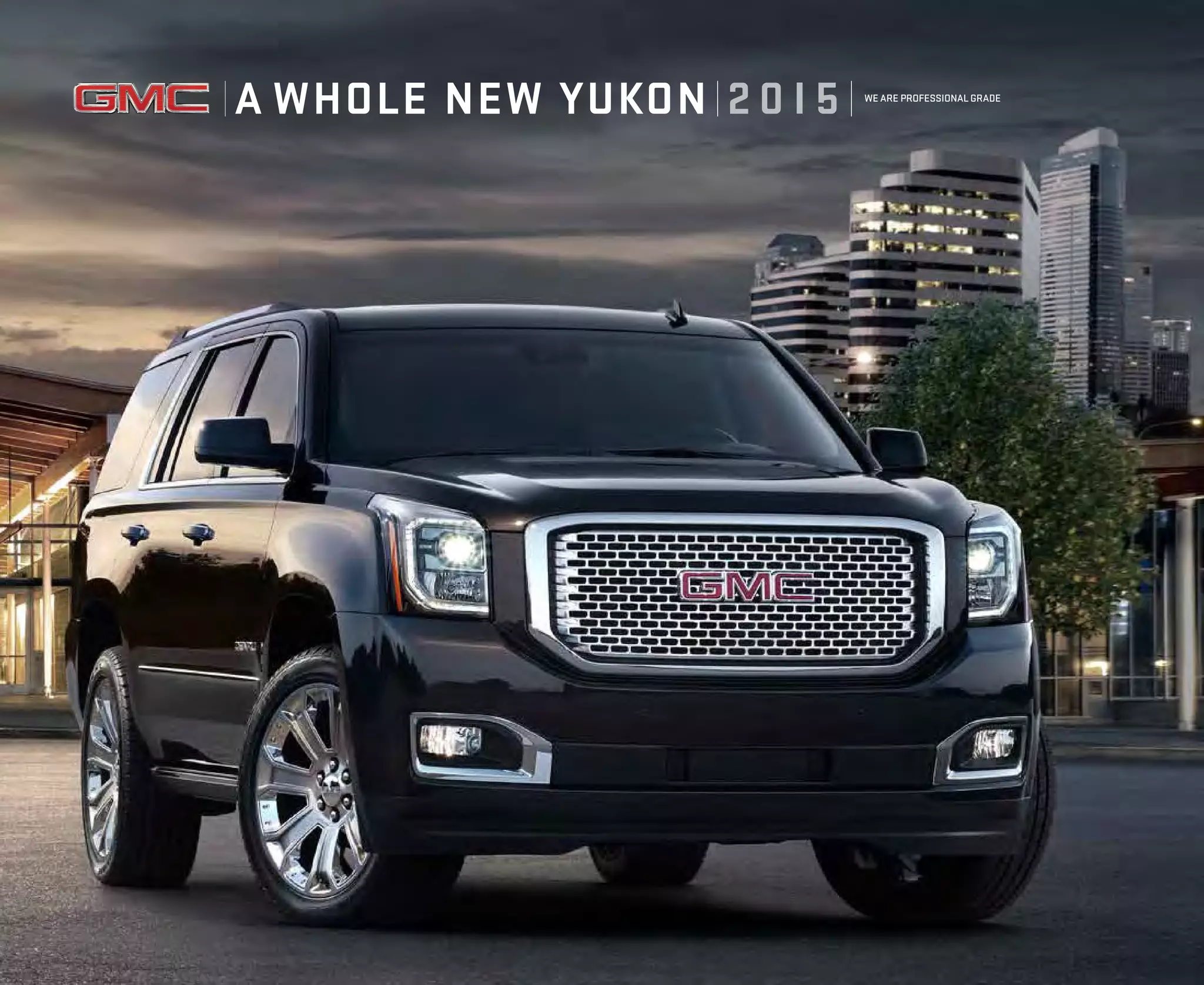
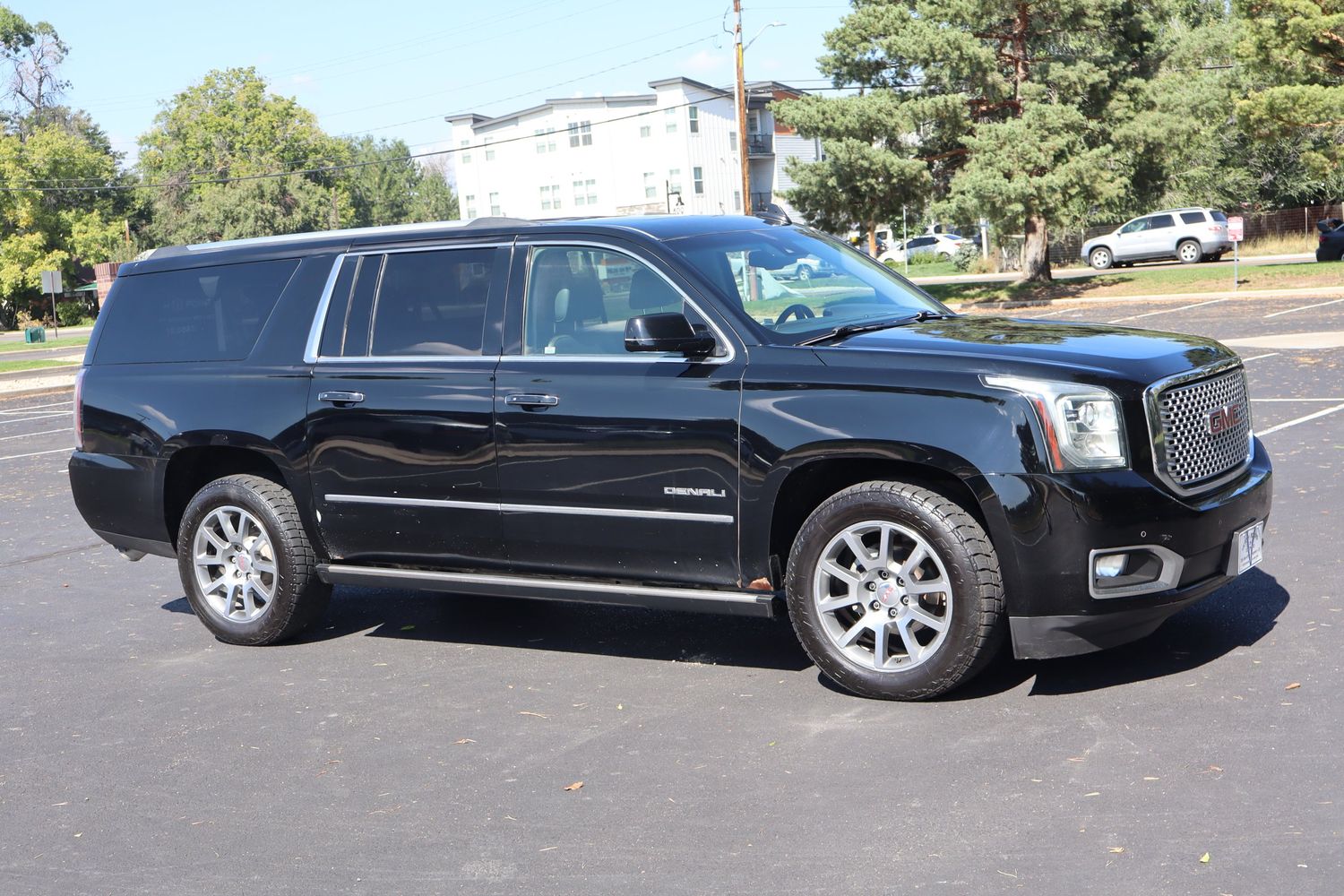
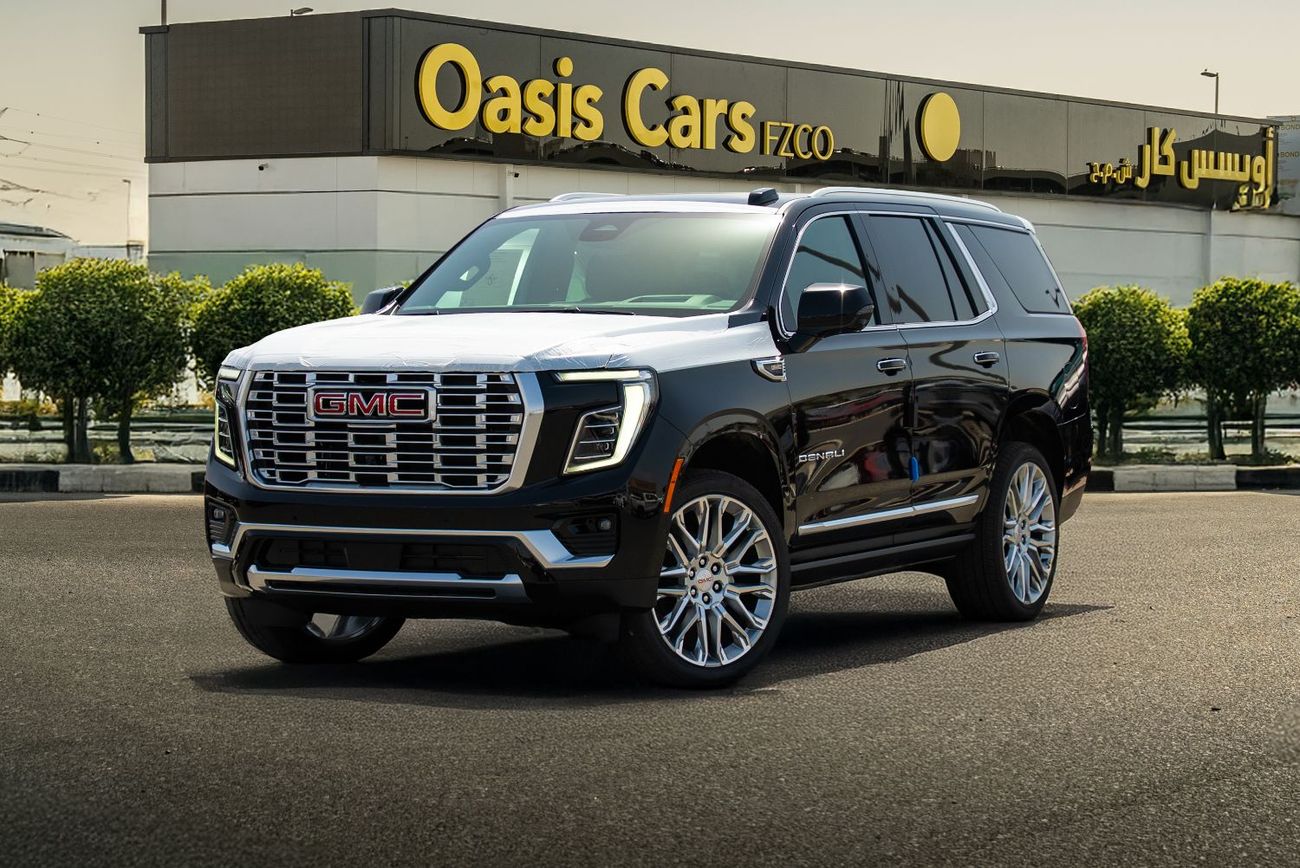
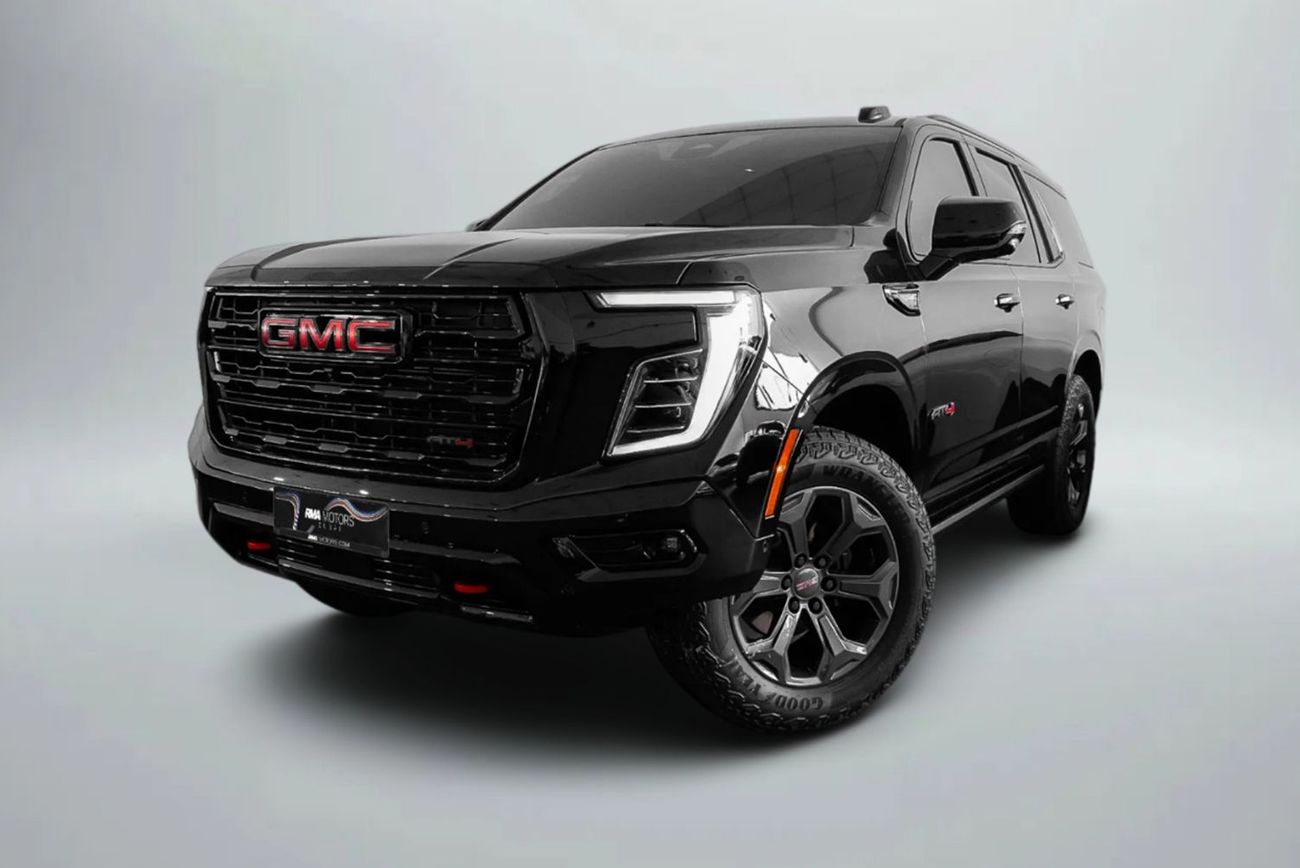
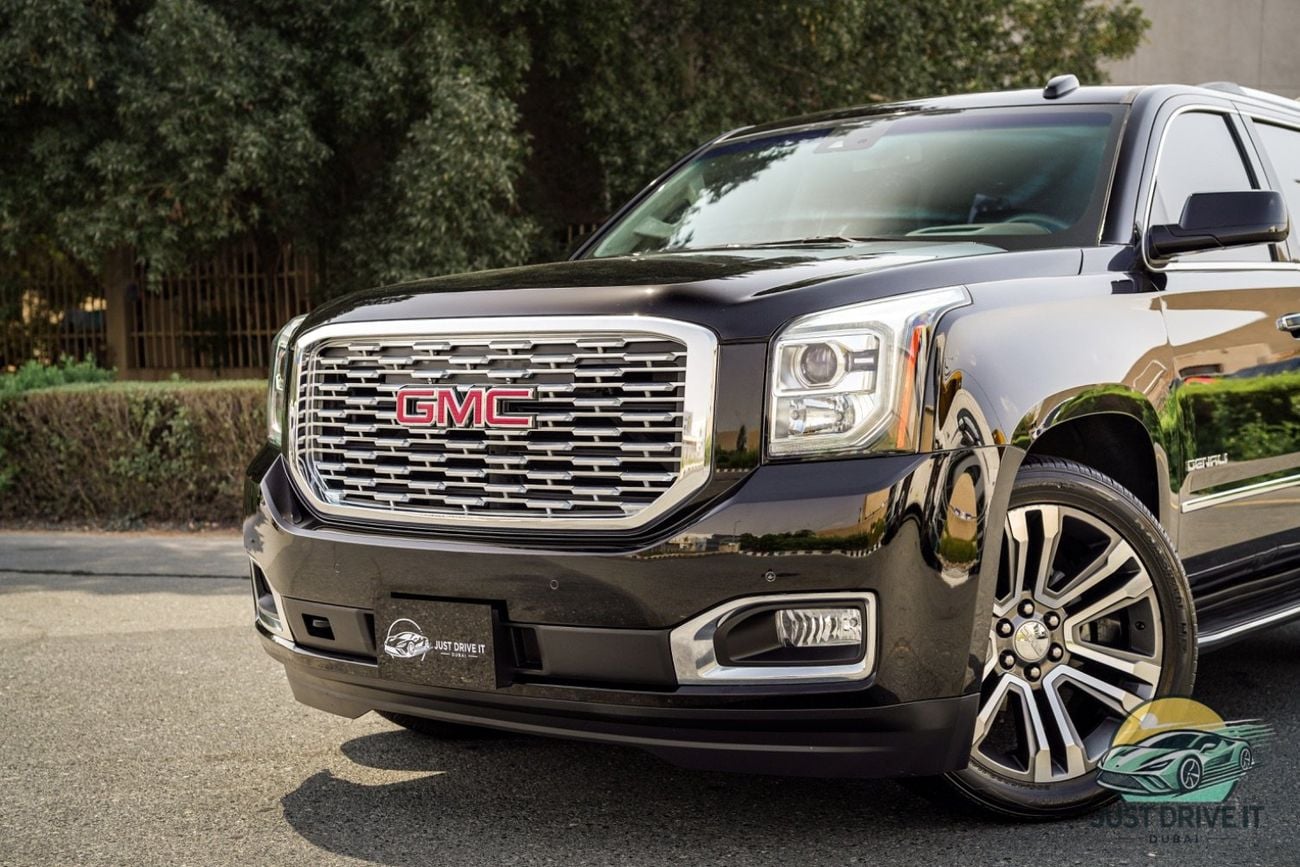
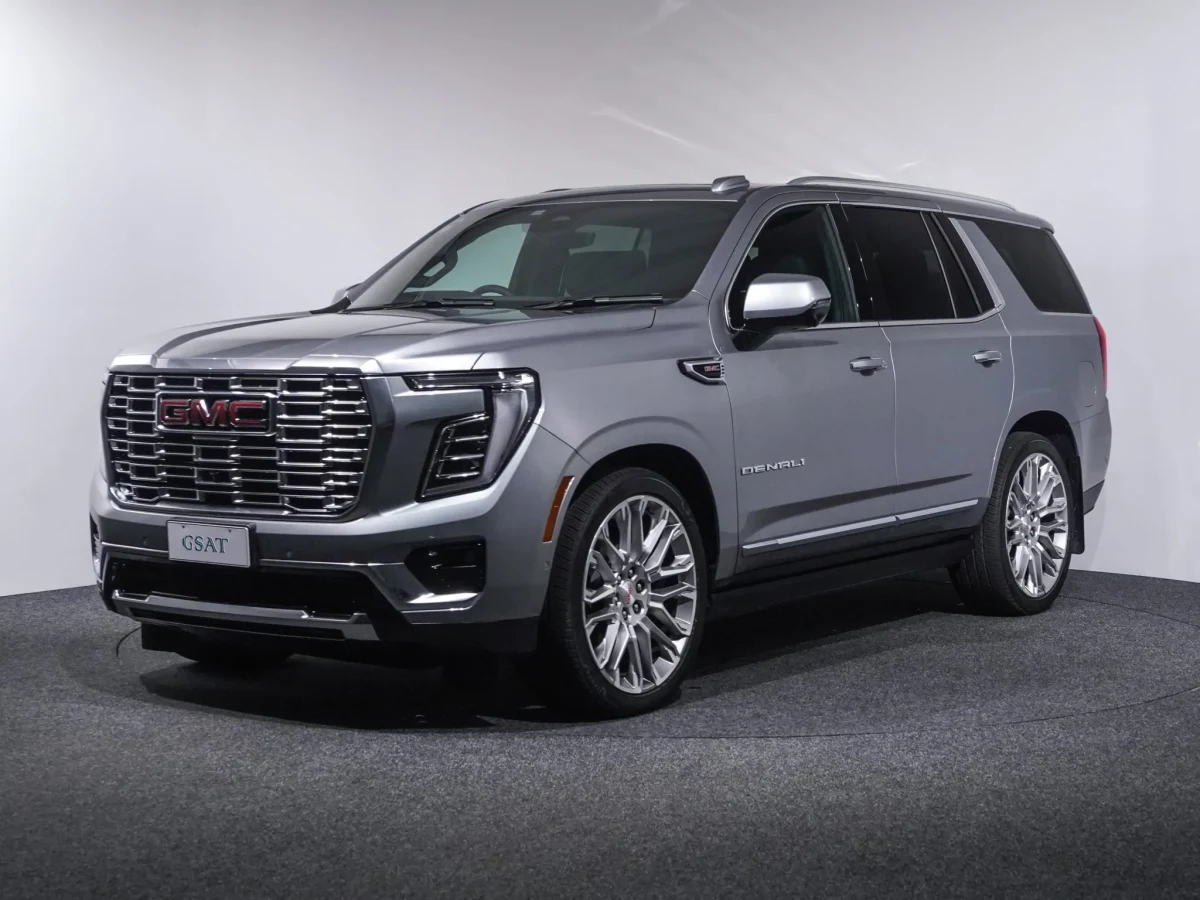
The 2015 GMC Yukon equipped with the 6.2-liter EcoTec3 V8 engine produces an impressive 420 horsepower and 460 lb-ft of torque. This powerhouse of an engine serves as the premium powerplant for the Yukon Denali trim, delivering robust acceleration, substantial towing capabilities, and refined highway performance for the full-size SUV segment.
Introduction to the 2015 GMC Yukon Powertrain Lineup
The 2015 model year marked a complete redesign for General Motors' full-size SUV family, which includes the GMC Yukon, Yukon XL, Chevrolet Tahoe, Suburban, and Cadillac Escalade. Alongside this ground-up architectural overhaul came a heavily revised engine lineup designed to balance stringent modern fuel economy standards with the heavy-duty utility expected from a large body-on-frame utility vehicle.
While standard Yukon models received the smaller 5.3-liter EcoTec3 V8 engine, the flagship Denali trim level—and select high-end variants—received the formidable 6.2-liter V8. Understanding the capabilities of this specific engine option requires examining its technical specifications, its underlying engineering architecture, and how its notable horsepower output translates into real-world driving scenarios.
Technical Specifications of the 6.2L EcoTec3 V8 (L86)
The 6.2-liter V8 engine found in the 2015 GMC Yukon Denali carries the General Motors powertrain production code L86. Part of the fifth-generation small-block V8 family, this engine utilizes advanced technologies to maximize both efficiency and raw power delivery.
Unlike older small-block engines, the L86 incorporates direct fuel injection (DI), continuous variable valve timing (VVT), and Active Fuel Management (AFM), which deactivates four cylinders under light-load conditions to conserve fuel. Despite these efficiency-oriented systems, the engine maintains a high compression ratio of 11.5:1, which requires the use of premium unleaded gasoline (91 octane or higher) to achieve its rated performance figures.
Core Performance Metrics
- Horsepower: 420 hp at 5,600 RPM
- Torque: 460 lb-ft at 4,100 RPM
- Displacement: 6.2 liters (376 cubic inches)
- Valvetrain: Overhead valve (OHV), 2 valves per cylinder
- Fuel Induction: Direct Injection
- Block Material: Cast aluminum with cast-in-place iron cylinder liners
- Cylinder Head Material: A356-T6 cast aluminum
Transmission Pairing: The 8-Speed Automatic
A major mechanical update accompanying the introduction of the 6.2L V8 in the 2015 GMC Yukon Denali was the rollout of General Motors' Hydra-Matic 8L90 eight-speed automatic transmission. Replacing the older 6-speed automatic transmission used in previous generations and standard 5.3L models, the 8-speed unit offered a wider overall gear ratio spread of 7.0:1.
This wider spread allowed for a deeper first gear ratio, providing immediate, authoritative launch acceleration from a standstill, alongside taller overdrive ratios for relaxed, low-RPM cruising at highway speeds. The smooth shifting behavior of the 8L90 helped harness the 420 horsepower effectively, reducing the perceived lag often associated with moving a heavy, three-row luxury SUV.
Real-World Performance and Driving Dynamics
With 420 horsepower on tap, the 2015 GMC Yukon Denali with the 6.2L V8 engine delivers performance that defies its physical size. Independent automotive testing groups, such as Car and Driver and Motor Trend, recorded zero-to-60 mph acceleration times for the 2015 Yukon Denali ranging between 5.8 and 6.0 seconds. For a vehicle weighing approximately 5,600 to 5,800 pounds depending on drivetrain configuration (rear-wheel drive versus four-wheel drive), this acceleration is remarkably brisk.
Power delivery is linear, with the massive 460 lb-ft of torque peaking relatively low in the rev range at 4,100 RPM. This ensures that passing maneuvers at highway speeds require minimal effort; pressing the accelerator pedal prompts a seamless downshift from the 8-speed transmission, allowing the vehicle to surge forward with confidence.
Towing and Hauling Capacities
Buyers drawn to the 6.2L V8 engine frequently look toward heavy utility tasks, such as towing boats, horse trailers, or camping equipment. The combination of high horsepower and high low-end torque makes the 2015 Yukon Denali a capable tow vehicle, though exact ratings depend on whether the vehicle is equipped with rear-wheel drive (RWD) or four-wheel drive (4WD).
| Drivetrain Configuration | Maximum Towing Capacity | Maximum Payload Capacity |
|---|---|---|
| 2015 Yukon Denali RWD | 8,400 lbs (3,810 kg) | 1,690 lbs (766 kg) |
| 2015 Yukon Denali 4WD | 8,100 lbs (3,674 kg) | 1,620 lbs (735 kg) |
| 2015 Yukon XL Denali RWD | 8,100 lbs (3,674 kg) | 1,760 lbs (798 kg) |
| 2015 Yukon XL Denali 4WD | 7,900 lbs (3,583 kg) | 1,670 lbs (757 kg) |
When utilizing the vehicle for heavy towing, drivers benefit from standard features such as an integrated trailer brake controller, trailer sway control, and Tow/Haul mode, which alters shift points to prevent excessive gear hunting on hilly terrain.
Fuel Economy Considerations
Balancing 420 horsepower with the aerodynamics and weight of a full-size SUV involves trade-offs at the fuel pump. The Environmental Protection Agency (EPA) rated the 2015 GMC Yukon Denali 6.2L V8 with specific figures that reflect its high-output nature.
- Rear-Wheel Drive (RWD): 15 mpg city / 21 mpg highway / 17 mpg combined
- Four-Wheel Drive (4WD): 14 mpg city / 20 mpg highway / 16 mpg combined
It is worth noting that while the active fuel management system successfully drops cylinders during highway cruising, achieving these EPA figures requires disciplined throttle inputs. Real-world fuel economy can drop significantly when towing heavy loads, driving aggressively, or navigating heavy urban stop-and-go traffic. Furthermore, because the engine requires premium gasoline, operating costs are higher compared to standard 5.3L models designed to run on regular 87-octane fuel.
Comparison: 5.3L EcoTec3 V8 vs. 6.2L EcoTec3 V8
To fully appreciate the 6.2L engine, it helps to compare it directly against the standard 5.3L EcoTec3 V8 (L83) offered across the rest of the 2015 Yukon lineup.
| Feature / Metric | 5.3L EcoTec3 V8 (L83) | 6.2L EcoTec3 V8 (L86) |
|---|---|---|
| Horsepower | 355 hp @ 5,600 RPM | 420 hp @ 5,600 RPM |
| Torque | 383 lb-ft @ 4,100 RPM | 460 lb-ft @ 4,100 RPM |
| Transmission | 6-speed automatic | 8-speed automatic |
| Required Fuel | Regular (87 octane) recommended | Premium (91+ octane) required |
| Max Towing (RWD) | 8,500 lbs | 8,400 lbs |
| Availability | SLE, SLT trims | Denali trim exclusively |
While the maximum towing capacities of the two engines are nearly identical—with the lighter 5.3L model holding a slight 100-pound advantage in certain configurations—the driving experience is vastly different. The 6.2L engine provides a substantial surplus of 65 horsepower and 77 lb-ft of torque, resulting in noticeably faster acceleration, superior passing power, and less strain when climbing steep grades with a loaded cabin or trailer.
Common Maintenance and Reliability Factors
The fifth-generation small-block V8 engines are generally regarded as robust and durable powerplants capable of achieving high mileage with proper routine maintenance. However, owners and prospective buyers of the 2015 model should be aware of a few specific mechanical tendencies associated with this generation.
Direct Injection Carbon Buildup
Because fuel is injected directly into the combustion chambers rather than past the intake valves (as in older port-injection systems), the intake valves are not continually washed by fuel. Over tens of thousands of miles, this can lead to carbon deposits forming on the back of the intake valves. Periodic inspection and professional intake valve cleaning may be required if rough idling or hesitation develops.
Active Fuel Management (AFM) Lifters
The AFM system relies on specialized hydraulic lifters that can deactivate cylinders. While refined compared to earlier iterations, high-mileage examples can occasionally experience lifter failure if oil change intervals are neglected. Using high-quality synthetic oils and adhering strictly to recommended service intervals significantly mitigates this risk.
Transmission Performance
The early-production 8L90 8-speed automatic transmissions paired with the 2015 6.2L engine were occasionally subject to customer complaints regarding rough shifting or shuddering. General Motors issued technical service bulletins (TSBs) involving updated transmission fluid specifications and computer recalibrations. When evaluating a used 2015 model, verifying that all transmission-related software updates and fluid flushes have been performed is critical.
Frequently Asked Questions
What kind of fuel does the 2015 GMC Yukon 6.2L V8 require?
The 6.2L EcoTec3 V8 engine requires premium unleaded gasoline with an octane rating of 91 or higher to achieve its certified 420 horsepower and prevent engine knocking under load. While lower-octane fuel can be used in an emergency due to the engine's knock sensors retarding timing, doing so reduces overall power output and fuel efficiency.
Is the 6.2L V8 available on all 2015 GMC Yukon trim levels?
No. In the 2015 model year, the 6.2-liter V8 engine was restricted exclusively to the top-tier Denali trim level for both the standard Yukon and the extended-length Yukon XL. SLE and SLT trims were limited to the 5.3-liter V8 engine.
How does the 2015 Yukon 6.2L V8 compare to the engine in the Cadillac Escalade?
The 2015 GMC Yukon Denali shares its exact engine—the 6.2L L86 EcoTec3 V8 producing 420 horsepower and 460 lb-ft of torque—and its 8-speed automatic transmission with the contemporary Cadillac Escalade. Both vehicles utilize the same General Motors K2XX platform architecture.
What is the real-world fuel mileage for the 2015 Yukon Denali 6.2L?
While EPA estimates sit at 15 mpg city and 21 mpg highway for rear-wheel-drive models, real-world mixed driving typically yields closer to 14 to 16 mpg overall. Heavy towing, aggressive acceleration, and extended idling will drop real-world figures into the single digits or low teens.
Can the 2015 Yukon 6.2L V8 run on E85 Flex Fuel?
No. Unlike the standard 5.3-liter V8 engine found in lower Yukon trims, the 6.2-liter L86 engine is not a Flex Fuel vehicle and cannot run on high concentrations of ethanol (E85). It is strictly designed for standard petroleum gasoline.
Conclusion and Next Actions
The 2015 GMC Yukon equipped with the 6.2-liter V8 engine represents a high-water mark for full-size luxury utility performance. Delivering 420 horsepower, 460 lb-ft of torque, and an advanced 8-speed automatic transmission, it transforms a heavy passenger vehicle into an effortless cruiser and capable tow rig. For prospective buyers examining the used market or current owners looking to understand their vehicle's limits, prioritizing rigorous maintenance records—particularly concerning transmission service and cooling system health—ensures that this high-output V8 continues to perform reliably for years to come.