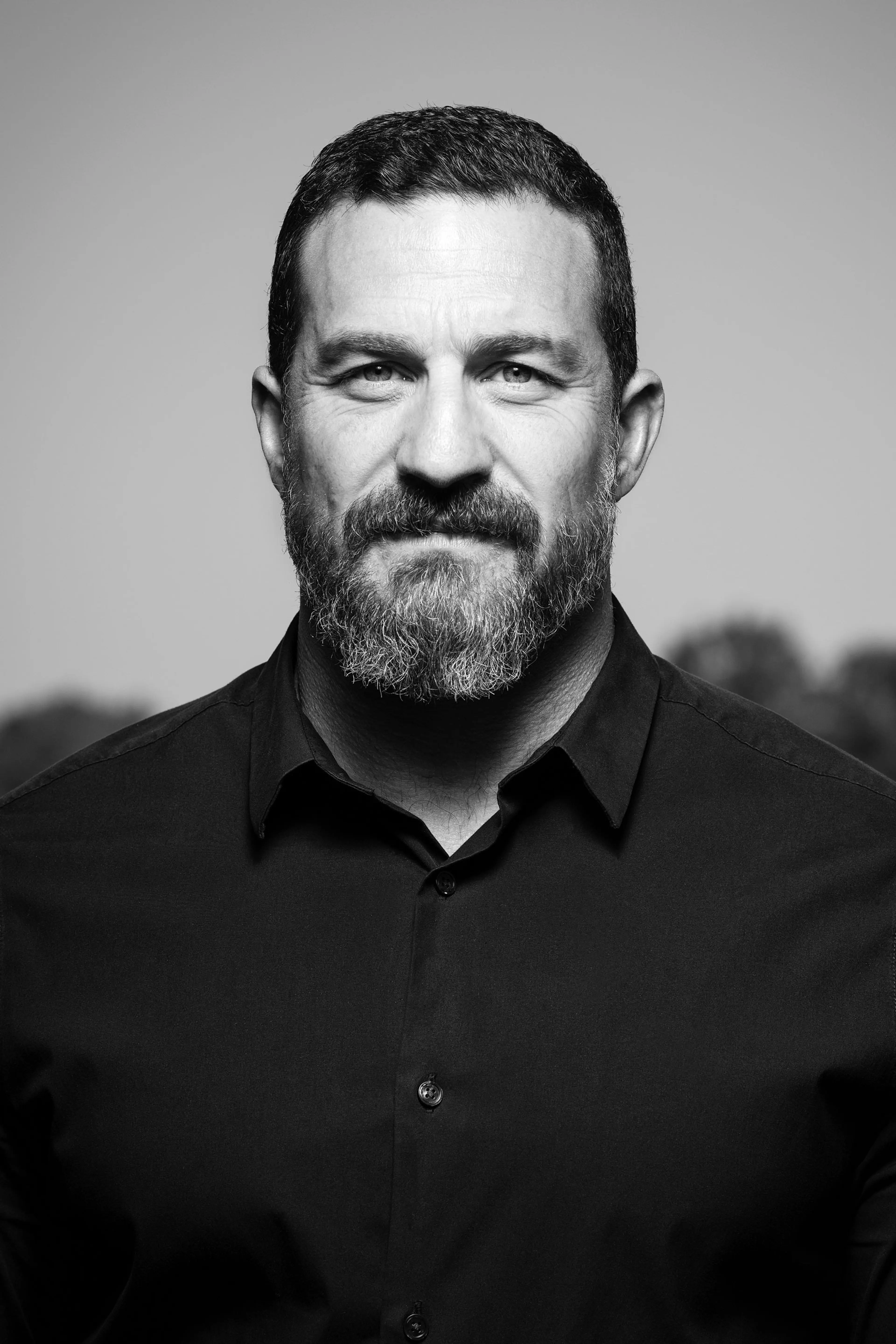
Dr. Andrew Huberman is an American neuroscientist and tenured Associate Professor in the Department of Neurobiology at Stanford University School of Medicine. He is widely recognized for his academic research on visual system development and neural plasticity, as well as his top-ranking health podcast, the Huberman Lab, which translates complex biological mechanisms into actionable daily protocols.
Academic Background and Neuroscience Research
Andrew Huberman’s academic trajectory reflects a traditional research career in cellular and developmental neurobiology. He completed his undergraduate studies at the University of California, Santa Barbara, followed by a Master’s degree in Psychology at California State University, Monterey Bay/San Francisco State University. He earned his Ph.D. in Neuroscience from the University of California, Davis, in 2004, where his research concentrated on neural development and retinal connections under the mentorship of Dr. Barbara Chapman.
Following his doctoral degree, Huberman completed postdoctoral training at Stanford University in the laboratory of the renowned neurobiologist Dr. Ben Barres. During this period, his research focused on the growth, survival, and axon guidance of retinal ganglion cells—the specialized neurons that send visual information from the eye to the brain.
- Eye: Retina
- Retinal Ganglion Cells (ipRGCs)
- Optic Nerve
- Suprachiasmatic Nucleus (SCN): Circadian Master Clock
- Visual Cortex & Subcortical Areas: Visual Perception / Fear Pathways
- Optic Nerve
- Retinal Ganglion Cells (ipRGCs)
In 2011, Huberman joined the faculty at the University of California, San Diego (UCSD) as an Assistant Professor of Neurobiology and Neuroscience. In 2016, he relocated his laboratory to Stanford University School of Medicine, joining the Department of Neurobiology with a secondary appointment in Ophthalmology.
Key Laboratory Findings and Scientific Contributions
The Huberman Laboratory at Stanford focused primarily on three main areas of research:
- Visual System Development and Repair: Huberman’s lab investigated mechanisms to induce regeneration in damaged retinal ganglion cells. His team demonstrated that combining neural stimulation (such as high-contrast visual input) with biochemical signaling pathways could promote partial axon regeneration along the optic nerve, a critical area of investigation for conditions like glaucoma and optic nerve trauma.
- Neural Plasticity: His work explored how early visual experience and neural activity shape synaptic connections in the developing and adult mammalian brain, helping clarify how brain circuits modify their structure and function in response to environmental input.
- Neural Circuits of Fear and Anxiety: Using virtual reality environments adapted for human and animal models, Huberman’s laboratory examined the specific subcortical brain pathways triggered by visual threats. This research sought to map how visual cues trigger autonomic arousal, fear responses, and behavioral choices (such as freeze, flight, or confront).
His peer-reviewed research has been published in journals such as Nature, Science, Neuron, and The Journal of Neuroscience.
The Rise of the Huberman Lab Podcast
In late 2020, Dr. Huberman launched the Huberman Lab podcast, a zero-cost public education project designed to discuss neuroscience, health, and science-based tools. The show rapidly grew into one of the most popular health and fitness podcasts globally, regularly ranking near the top of Apple Podcasts and Spotify charts.
The Huberman Lab Podcast Model
- Basic Science & Mechanism
- Translational Clinical Studies
- Behavioral Protocols (Light, Sleep, Temperature)
- Actionable Daily Routines (Timing, Exposure, Habit Stacking)
The success of the podcast marked a shift in science communication. Rather than providing brief soundbites or high-level overviews, Huberman adopted a long-form format—often lasting two to three hours per episode—breaking down molecular biology, endocrinology, and neuroanatomy into accessible explanations.
Media Impact and Public Influence
The podcast expanded public awareness of terms like circadian biology, dopamine baseline, neuroplasticity, and autonomic nervous system regulation. Huberman’s audience includes athletes, entrepreneurs, academics, and individuals interested in preventive health, longevity, and biohacking.
His emphasis on behavioral interventions over pharmacological solutions resonated with listeners seeking low-cost, self-directed daily routines. By connecting daily habits—such as viewing early morning sunlight or practicing targeted breathing exercises—to specific biological machinery, Huberman popularized a mechanistic approach to personal health management.
Core Science-Based Health Protocols Explained
Dr. Huberman’s public health advice centers on biological protocols—specific, timing-dependent behaviors designed to optimize cellular and systemic physiology. Below are the primary domain areas and the underlying science behind his recommended routines.
1. Sleep and Circadian Rhythm Optimization
Huberman frequently describes sleep as the single most effective baseline intervention for physical health, mental health, and cognitive performance. His approach is built on circadian biology and the stimulation of intrinsically photosensitive retinal ganglion cells (ipRGCs).
- Morning Sunlight Exposure: Huberman emphasizes viewing bright light—ideally natural sunlight—within 30 to 60 minutes of waking. Natural sunlight activates ipRGCs, which express the photopigment melanopsin. These cells send direct signals to the suprachiasmatic nucleus (SCN), the brain’s master circadian clock in the hypothalamus. This signal triggers an early morning cortisol peak, promoting alertness, and sets a timer for melatonin release approximately 12 to 14 hours later.
- Evening Light Restriction: Artificial overhead lighting, particularly light with high blue-wavelength content, can suppress evening melatonin production. Huberman advises dimming lights after sunset and avoiding bright screens late at night to prevent circadian disruption.
- Caffeine Timing: To prevent sleep disruption, Huberman recommends delaying initial caffeine consumption by 90 to 120 minutes after waking. This delay allows adenosine—a neuromodulator that builds up during wakefulness and promotes sleep pressure—to naturally clear out of adenosine receptors. Consuming caffeine immediately upon waking blocks adenosine receptors temporarily; when the caffeine wears off, accumulated adenosine causes an afternoon crash.
2. Dopamine Management and Motivation
Dopamine is a central neurotransmitter in motivation, reward, and goal-directed behavior. Huberman explains that dopamine does not operate solely in isolated spikes; rather, it functions on a baseline-and-peak model.
- Dopamine Baseline vs. Spikes: When an individual experiences a large dopamine spike (from stimulants, highly palatable foods, social media notifications, or intense novelty), the subsequent baseline level of dopamine temporarily drops below the previous baseline. repeated, intense dopamine spikes without recovery periods can lower baseline motivation, causing fatigue and lack of drive.
- Avoiding Dopamine Stacking: Huberman advises against combining multiple high-reward stimuli simultaneously (e.g., listening to high-energy music, taking energy drinks, and using pre-workout supplements every time one exercises). Over-stacking dopamine stimuli can lower the baseline enjoyment of the activity itself over time.
- Deliberate Cold Exposure: Cold water immersion (such as cold showers or ice baths at 50°F to 59°F / 10°C to 15°C for 1 to 3 minutes) has been shown to induce a sustained release of dopamine and norepinephrine that lasts several hours, elevating mood and alertness without an abrupt crash.
Dopamine Dynamics: Baseline vs. Peak Spike
- High Spike: Intense Stimulus (Drugs, Ultra-Processed Foods, High Stacking)
- Baseline
- Temporary Crash Below Baseline
- Low (Time)
3. Stress Mitigation and Nervous System Regulation
To regulate stress in real time, Huberman highlights physiological mechanisms controlled by the autonomic nervous system.
- The Physiological Sigh: Identified by respiratory physiologists in the 1930s and studied in modern neurobiology contexts, the physiological sigh consists of two fast nasal inhalations followed by a single long, slow exhalation through the mouth. The second inhalation opens collapsed lung alveoli, increasing surface area for carbon dioxide exchange. The long exhale slows the heart rate by activating the parasympathetic nervous system via vagus nerve pathways.
- Non-Sleep Deep Rest (NSDR): NSDR is an umbrella term coined by Huberman to describe practices like Yoga Nidra and guided self-hypnosis. These practices guide the brain into brainwave states associated with deep relaxation (alpha and theta waves) without falling into full sleep, helping restore mental clarity, lower autonomic arousal, and accelerate learning and memory consolidation.
4. Physical Exercise and Mental Performance
Huberman advocates a balanced weekly exercise regimen designed to optimize cardiovascular health, metabolic efficiency, and brain neuroplasticity through neurotrophic factors like brain-derived neurotrophic factor (BDNF).
- Zone 2 Cardiovascular Training: Exercising at a conversational pace (Zone 2 heart rate) for 150 to 200 minutes per week supports mitochondrial function, capillary density, and endurance.
- Resistance Training: 3 to 4 sessions per week focused on hypertrophy and strength, emphasizing controlled movement through a full range of motion to support musculoskeletal health, bone density, and hormonal balance.
Overview of Protocols and Biological Mechanisms
The following table summarizes key daily routines advocated by Dr. Andrew Huberman, their underlying biological mechanisms, and practical execution steps.
| Area | Recommended Protocol | Primary Biological Mechanism | Implementation Details |
|---|---|---|---|
| Circadian Health | Early Morning Sunlight Exposure | ipRGC activation sending signals to the Suprachiasmatic Nucleus (SCN) | View unfiltered natural light outdoors for 5–10 mins (sunny) or 15–20 mins (cloudy) within 1 hour of waking. |
| Adenosine Regulation | Delay Caffeine 90–120 Minutes Post-Waking | Allows natural clearance of accumulated adenosine to reduce afternoon fatigue | Drink water first upon waking; defer coffee or tea until 1.5–2 hours after getting out of bed. |
| Acute Stress Control | The Physiological Sigh | Expands pulmonary alveoli and stimulates parasympathetic (vagal) tone | Double inhale through the nose (one deep, one quick micro-inhale), followed by a slow, complete exhale through the mouth. Repeat 2–3 times. |
| Neuroplasticity & Recovery | Non-Sleep Deep Rest (NSDR) / Yoga Nidra | Promotes alpha/theta brainwaves, replenishes striatal dopamine, reduces physiological arousal | Practice 10–20 minutes of guided audio relaxation in the early afternoon or following intense focus sessions. |
| Dopamine & Alertness | Deliberate Cold Exposure | Stimulates catecholamine release (dopamine, epinephrine, norepinephrine) | 1–3 minutes of cold shower or immersion (approx. 50°F–59°F / 10°C–15°C), 2–4 times per week. |
| Temperature Regulation | Sauna / Deliberate Heat Exposure | Triggers heat shock proteins (HSPs), vasodilation, and growth hormone release | 20–30 minutes at 175°F–210°F (80°C–100°C) 2–3 times weekly, followed by gradual cooling. |
| Focus & Deep Work | 90-Minute Ultradian Work Cycles | Aligns work sessions with natural biological ultradian rhythms | Work intensely without distraction for up to 90 minutes, followed by 10–20 minutes of mental disengagement. |
Critical Reception, Scientific Rigor, and Public Scrutiny
As Andrew Huberman’s public platform grew, his content drew both praise and critical scrutiny from academics, medical clinicians, and science communicators.
Strengths of the Translation Model
- Accessibility of Complex Concepts: Huberman brought molecular biology, neuroanatomy, and endocrinology to millions of laypeople who would otherwise rarely read academic research papers.
- Empowerment Through Behavioral Tools: His emphasis on cost-free behavioral protocols (sunlight, movement, sleep hygiene, breathwork) provides actionable, accessible tools that do not depend on expensive interventions.
- Rigorous Academic Pedigree: As a tenured professor at Stanford, his educational background lent credibility to topics that had historically been dominated by unverified wellness claims.
Points of Criticism and Debate
- Extrapolation of Basic Science to Human Guidance: Critics in clinical medicine point out that Huberman often extrapolates findings from rodent studies, in vitro cell models, or small early-stage human trials into definitive daily advice for the public. While mechanistic studies demonstrate how biological systems can work, they do not always translate to clinical outcomes in human populations.
- Over-Emphasis on Dietary Supplements: Though Huberman presents behavioral routines as primary interventions, critics note his frequent discussion and commercial sponsorship of dietary supplement brands. Critics argue that dietary supplements often lack robust long-term clinical trial evidence compared to fundamental lifestyle changes.
- Media Profile and Public Coverage: Profiles in outlets such as New York Magazine (Intelligencer) and The New York Times examined the pressure of maintaining a major media ecosystem alongside an academic research career, sparking broader discussions about the responsibilities of academic scientists operating in the public commercial sphere.
How to Apply Huberman’s Science Advice Responsibly
Evaluating public health recommendations requires a balanced perspective that separates established clinical facts from early-stage scientific hypotheses.
- Basic Science / Animal Research
- Small Human Mechanistic Trials (Many Protocols Sit Here)
- Large-Scale Clinical RCTs / Guidelines (Established Clinical Advice)
To apply protocols responsibly, consider the following evidence-based framework:
- Prioritize Behavioral Foundations First: Focus on core healthy habits—regular sleep schedules, daily physical movement, balanced nutrition, and healthy social connections—before purchasing specialized supplements or equipment.
- Understand the Evidence Hierarchy: Distinguish between protocols supported by large-scale randomized controlled trials (RCTs) in humans (e.g., exercise for cardiovascular health, light exposure for circadian alignment) and protocols based on preliminary physiological research (e.g., specific cold exposure parameters or single-ingredient supplements).
- Account for Individual Differences: Biological responses vary based on genetics, baseline health status, age, and existing medical conditions. Interventions that work well for one person may not produce the same result for another.
- Consult Healthcare Professionals: Before introducing new supplementation regimens, extreme cold/heat exposures, or major dietary shifts, review plans with a licensed physician or qualified medical provider.
Frequently Asked Questions
What is Andrew Huberman's background and current academic role?
Dr. Andrew Huberman is a neuroscientist and tenured Associate Professor in the Department of Neurobiology at Stanford University School of Medicine (with a secondary appointment in Ophthalmology). He earned his Ph.D. from UC Davis in 2004, completed postdoctoral research at Stanford under Dr. Ben Barres, and directed a research laboratory focusing on visual system regeneration, neural plasticity, and fear circuits.
What is the primary focus of the Huberman Lab podcast?
The Huberman Lab podcast focuses on public science education. It translates complex neurobiology, physiology, and general health research into actionable, science-based protocols for sleep, stress, motivation, cognitive focus, physical exercise, and longevity.
Why does Andrew Huberman recommend delaying caffeine post-waking?
Delaying caffeine consumption by 90 to 120 minutes after waking allows the body to clear residual adenosine—a chemical that builds up during wakefulness to create sleep pressure. Consuming caffeine immediately upon waking blocks adenosine receptors temporarily without clearing the compound, often leading to a significant afternoon fatigue crash once the caffeine metabolizes.
How does morning sunlight exposure affect sleep quality?
Morning sunlight stimulates intrinsically photosensitive retinal ganglion cells (ipRGCs) in the eye, which signal the brain's suprachiasmatic nucleus (SCN) to trigger a healthy early morning cortisol peak. This increases immediate wakefulness and sets an internal biological timer for the release of melatonin approximately 12 to 14 hours later, making it easier to fall asleep at night.
What is a physiological sigh and how does it work?
A physiological sigh is a breathing pattern consisting of two rapid inhales through the nose followed by a slow, extended exhale through the mouth. The second inhale re-inflates collapsed pulmonary alveoli in the lungs, enhancing carbon dioxide exchange, while the prolonged exhale stimulates the vagus nerve to activate the parasympathetic nervous system, rapidly reducing acute physical stress and heart rate.
Is Andrew Huberman's advice supported by clinical research?
Many of Huberman's foundational recommendations—such as sunlight exposure for circadian health, regular physical exercise, and sleep hygiene—are supported by decades of scientific literature. However, some specific protocols, dosage recommendations, and supplement suggestions rely on smaller pilot studies, mechanistic animal research, or early human trials. Readers should distinguish between established clinical medical guidelines and preliminary experimental research.
Next Actions and Further Reading
For those interested in exploring neuroscience and health protocols further:
- Review Primary Scientific Literature: Examine peer-reviewed studies published in journals such as Nature, Science, Cell, and The Journal of Neuroscience to read original research on neuroplasticity and circadian biology.
- Listen to Long-Form Educational Material: Access the Huberman Lab podcast on open streaming platforms or view educational resources available through academic university portals.
- Conduct a Health Self-Assessment: Focus on tracking foundational metrics—such as consistent bedtime/wake times, daily step counts, and stress levels—before altering complex routines.
- Consult Medical Guidelines: Cross-reference public health advice with authoritative health institutions such as the National Institutes of Health (NIH), the Centers for Disease Control and Prevention (CDC), or your primary physician.