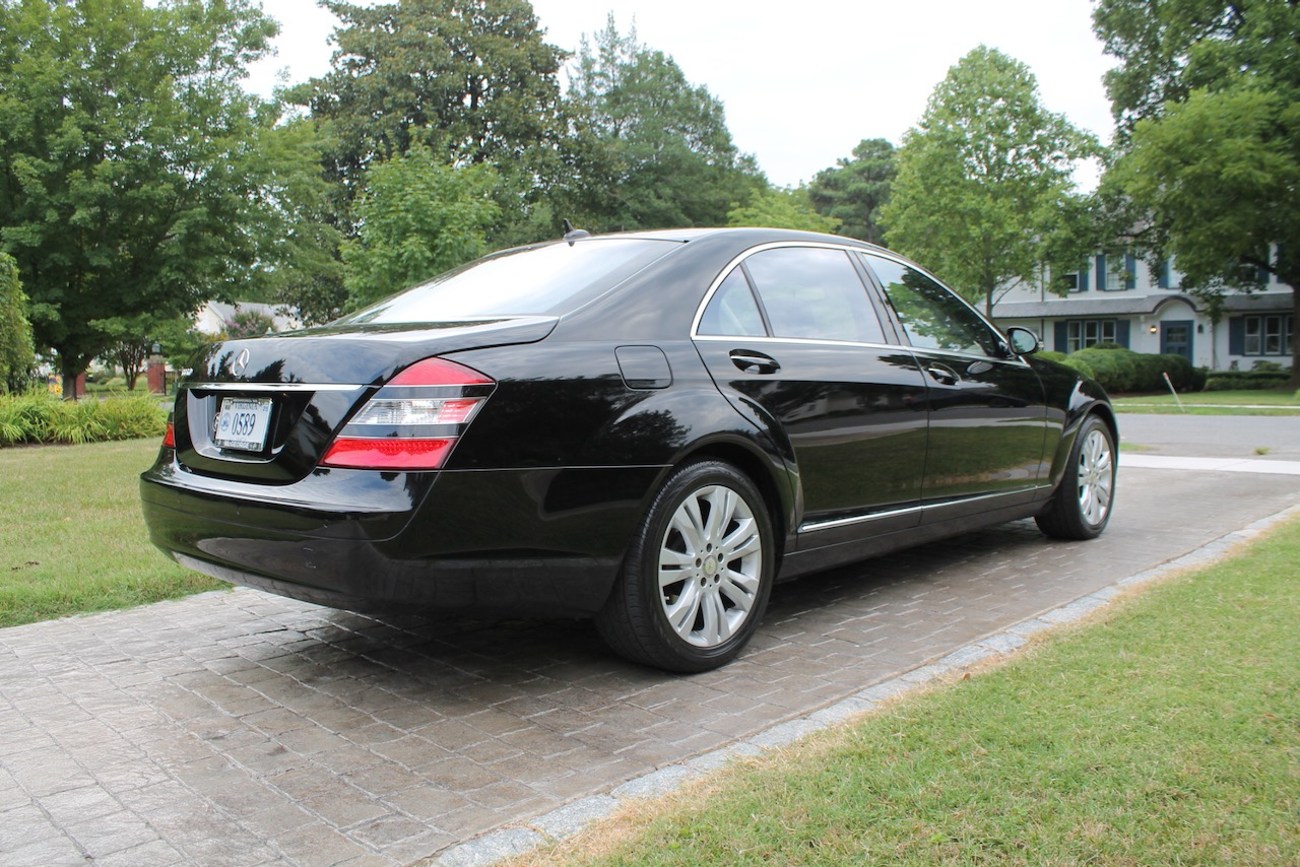
The 2007 Mercedes-Benz S550 represents the definitive turning point for the W221 generation, blending advanced electronic integration with a V8 powertrain that redefined executive luxury. As of 2026, this vehicle occupies a unique space in the automotive market, transitioning from a sophisticated flagship into a classic contender that demands precise mechanical oversight and a commitment to preserving its complex engineering heritage.
The Genesis of the W221 Platform
The 2007 model year S550 was not merely a refreshed sedan; it was a wholesale reinvention of the Mercedes-Benz flagship experience. Following the controversial ergonomics and reliability struggles of the preceding W220 generation, Mercedes-Benz engineers focused on restoring the "over-engineered" reputation of the brand.
The launch of the W221 in the North American market brought forth a structural rigidity and a sense of architectural permanence that immediately separated it from its predecessor. The 5.5-liter M273 V8 engine, which powered the S550, offered a distinct balance of high-torque cruising and efficient power delivery. Rated at 382 horsepower and 391 lb-ft of torque, the engine was mated to the 7G-TRONIC seven-speed automatic transmission—a pairing that provided the seamless gear changes expected of a vehicle in the luxury segment.
The aesthetic departure was equally significant. The aggressive wheel arches, the pronounced shoulder lines, and the integrated COMAND interface signaled a shift toward a more muscular, technology-forward design language. This was the era where Mercedes-Benz transitioned into the heavy digital integration that defines the cars of 2026, making the 2007 S550 the progenitor of the modern software-defined vehicle.
Technical Specifications and Performance Dynamics
For those evaluating the 2007 S550 today, understanding the technical specifications is the first step in assessing its viability as a daily driver or a collector’s project. The vehicle was built to provide an isolated, near-silent driving environment, utilizing sophisticated suspension geometry and high-grade materials.
The M273 Engine Architecture
The M273 engine is a naturally aspirated DOHC V8. It is highly capable, but it is also sensitive to specific maintenance intervals. The early models, including the 2007 build, were susceptible to issues with the balance shaft gear—a component that, if worn, leads to timing chain misalignment. While many of these issues were addressed via recalls or early repairs, anyone looking to acquire a 2007 model today must verify the engine serial number to ensure it falls outside the range of affected parts.
AIRMATIC and ABC Suspension
The S550 was available with two primary suspension systems: the standard AIRMATIC air suspension and the optional Active Body Control (ABC).
- AIRMATIC: Relies on air bladders and computer-controlled dampening. It is more common and generally more affordable to service as the components age.
- ABC: Uses hydraulic struts and high-pressure fluid to virtually eliminate body roll. While the ride quality is superior, the complexity and cost of maintaining an ABC system in 2026 can exceed the market value of the vehicle if the struts or the hydraulic pump fail.
Comparative Overview: The S550 Landscape
Choosing between the various trim levels and equipment packages requires a clear understanding of what contributes to long-term reliability and value.
| Feature Category | Standard S550 | S550 4MATIC |
|---|---|---|
| Drivetrain | Rear-Wheel Drive | All-Wheel Drive |
| Suspension | AIRMATIC Standard | AIRMATIC Standard |
| Complexity | Moderate | High (due to front axle components) |
| Handling | Balanced, Rear-bias | Superior traction in winter |
| Maintenance Cost | Lower | Higher (front CV axle service) |
The Legacy: Why the 2007 S550 Matters in 2026
In 2026, the 2007 S550 is viewed as a "transitional classic." It is modern enough to feature Bluetooth connectivity, navigation, and heated/ventilated seats, yet it lacks the intrusive autonomous safety systems that characterize newer vehicles. It represents a "sweet spot" for enthusiasts who want the comfort of a luxury sedan without the frustration of over-regulated software ecosystems.
However, the legacy of this car is also defined by the cost of its upkeep. As an older luxury vehicle, the price of entry is often low, but the price of ownership remains tied to the original MSRP of the car. Parts for the COMAND system, the fiber-optic audio loops, and the proprietary pneumatic systems are no longer produced in the same volumes they were in 2007, making the supply chain increasingly reliant on refurbished units or independent third-party remanufacturers.
Maintenance and Ownership Realities
Owning a 2007 S550 in 2026 requires a proactive, rather than reactive, maintenance strategy. The primary failure points are almost always electronic or pneumatic, rather than mechanical.
Electrical Integrity
The W221 utilizes a complex CAN-bus system to allow various control units to communicate. If a tail light seal fails and allows moisture into the trunk, it can short out the gateway module, causing a cascading failure of the electronics. Owners should prioritize:
- Drain Cleaning: Keep the cowl and sunroof drains clear to prevent water ingress into the cabin electronics.
- Battery Management: The S550 is incredibly sensitive to voltage fluctuations. Using a high-quality battery tender is not optional if the car is to sit for more than a few days.
- Module Scanning: Utilize a Mercedes-Benz-specific diagnostic tool (often referred to as SDS or XENTRY) rather than generic OBD-II scanners. Generic tools will fail to read the proprietary chassis and body codes that are essential for troubleshooting.
Managing Costs
To keep the 2007 S550 operational, owners often form communities to source parts from secondary markets. Budgeting for "contingency repairs"—specifically related to the air suspension and the cooling system (the plastic coolant pipes behind the engine timing cover are a known failure point)—is essential. If you are not prepared to perform moderate mechanical work, ensure you have access to an independent specialist who understands the W221 platform.
FAQ: Ownership and Maintenance
Is the 2007 S550 a reliable daily driver in 2026? It can be, provided it has been well-maintained. The 2007 model is mechanically robust, but the electrical gremlins common to vehicles of this age can make it an unpredictable daily commuter. It is best suited for those who appreciate the car's engineering and are willing to perform preventative maintenance.
What is the most common mechanical failure on the 2007 S550? The most documented issues involve the pneumatic suspension (AIRMATIC or ABC) and the timing chain/balance shaft gear wear. Additionally, cooling system leaks from aging plastic components are almost guaranteed in a vehicle of this age.
How does the 2007 model compare to newer generations? The 2007 model offers a more analog, "solid" feel compared to the later W222 and W223 generations, which rely much more heavily on touchscreens and digital interfaces. The 2007 model is widely considered the peak of "tactile luxury" for the S-Class.
Is it worth upgrading the COMAND system? Many owners choose to integrate modern head units or Bluetooth adapters that mimic the factory CD changer. Upgrading the entire COMAND unit is possible but requires significant effort due to the fiber-optic (MOST) bus system, which makes aftermarket audio integration notoriously difficult.
Are parts for the 2007 S550 still available from Mercedes-Benz? Most mechanical parts are still available, though some trim and specialized electronic modules are increasingly moving toward "obsolete" status. Expect lead times on specific body panels or interior trim pieces.
Conclusion and Next Actions
The 2007 S550 has evolved from a state-of-the-art executive sedan into a significant piece of automotive history. To ensure its legacy, prioritize a full inspection of the suspension and a scan of the vehicle’s diagnostic modules before committing to a purchase or a long-term restoration. If you currently own one, document its service history meticulously; the value of these vehicles in the coming years will be heavily dictated by the presence of a verifiable, comprehensive maintenance log. Should you seek to maintain this vehicle long-term, invest in a dedicated diagnostic interface and join a model-specific community where component cross-referencing and expertise can significantly lower the barrier to entry for repairs.