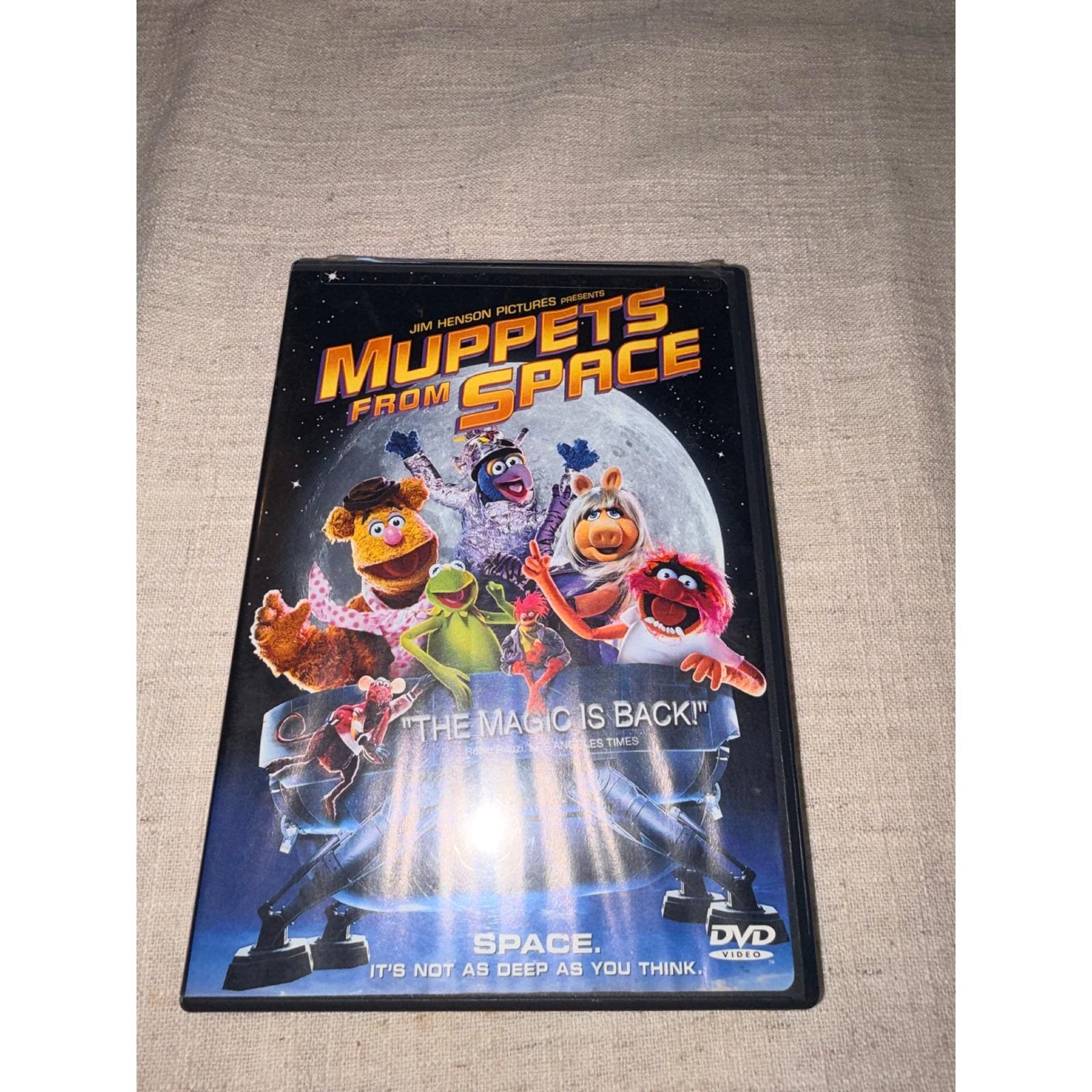
The 1999 collaboration between Columbia Pictures and Jim Henson Pictures represented a pivotal moment in Muppet history, resulting in the theatrical releases of Muppets from Space and The Adventures of Elmo in Grouchland. This partnership allowed The Jim Henson Company to utilize Sony’s global distribution power while attempting to transition the Muppets and Sesame Street characters into a new era of cinematic storytelling.
In the late 1990s, the landscape of family entertainment was shifting rapidly. The Jim Henson Company, then an independent entity following the aborted merger with Disney in 1990, was seeking a stable home for its feature film slate. Columbia Pictures, a subsidiary of Sony Pictures Entertainment, entered into a multi-picture deal with Jim Henson Pictures. This alliance was designed to capitalize on the massive brand recognition of the Muppets and the exploding popularity of Elmo, who had become a cultural phenomenon via the "Tickle Me Elmo" craze just a few years prior.
As of 2026, these 1999 releases remain significant because they represent the final theatrical "hurrah" for the Muppets under a non-Disney banner. Furthermore, the legal complexities of this era continue to dictate where fans can stream these films, as the distribution rights remain largely tied to Sony, even though the Muppet characters themselves were sold to Disney in 2004.
The Strategic Foundation of the 1999 Partnership
The collaboration was born out of a need for both creative independence and commercial scale. After the death of Jim Henson in 1990, the company was led by his son, Brian Henson. The 1990s had seen a successful run of "literary" Muppet movies—The Muppet Christmas Carol (1992) and Muppet Treasure Island (1996)—distributed by Disney. However, the Hensons wanted to explore original narratives and maintain a distinct brand identity under the "Jim Henson Pictures" banner.
Columbia Pictures saw an opportunity to bolster its family film portfolio. In 1999, Sony was looking to compete with the dominance of Disney and the rising power of Pixar. By partnering with Henson, Columbia gained access to world-class puppetry, established IP, and a built-in multi-generational audience. The deal was not merely about distribution; it was a co-production effort where Jim Henson Pictures handled the creative execution while Columbia provided the financing and marketing muscle.
Muppets from Space: A Departure from Tradition
Released on July 14, 1999, Muppets from Space was the centerpiece of the collaboration. It was the sixth feature film starring the Muppets and the first since 1984’s The Muppets Take Manhattan to be set in the "real world" rather than a classic literature adaptation.
Narrative Shift and the Gonzo Origin Story
The film’s primary focus was Gonzo the Great. For decades, Gonzo’s species was a running gag—he was simply a "Whatever." The 1999 film chose to provide a definitive answer: Gonzo was an alien. While this provided a strong emotional core for the character, it was a controversial move among purists who felt the ambiguity of Gonzo’s origin was part of his charm.
Technical and Creative Choices
Muppets from Space was directed by Tim Hill, who had a background in television (notably SpongeBob SquarePants). One of the most significant departures in this film was the lack of original musical numbers. Unlike every Muppet film before it, Muppets from Space relied on a licensed soundtrack of funk and soul classics (Earth, Wind & Fire, Parliament-Funkadelic). This was a deliberate attempt by Columbia and Henson to make the Muppets feel "cooler" and more contemporary for the turn of the millennium, though it arguably stripped the film of the traditional Muppet "heart."
Box Office and Reception
The film was a modest disappointment at the box office. Against a production budget of roughly $24 million, it grossed approximately $22.3 million domestically. Critics praised the puppetry and the humor—particularly the performance of Jeffrey Tambor as an eccentric government agent—but noted that the film lacked the magical spark of the Jim Henson-directed originals.
The Adventures of Elmo in Grouchland: Expanding the Preschool Reach
While Muppets from Space targeted families and nostalgic adults, the second major 1999 collaboration, The Adventures of Elmo in Grouchland, was aimed squarely at the preschool demographic. Released on October 1, 1999, it was the second theatrical film based on Sesame Street, following 1985’s Follow That Bird.
The Elmo Phenomenon
By 1999, Elmo was the face of Sesame Street. Columbia Pictures recognized the massive merchandising potential of a dedicated Elmo film. The story followed Elmo’s quest to retrieve his lost blanket, which leads him to the colorful, messy world of Grouchland.
Innovative Puppetry and Effects
The film was notable for its technical ambition. Directed by Gary Halvorson, the production utilized large-scale sets and digital compositing to allow puppets to interact with their environment in ways that were previously impossible. The villain, Huxley (played by Mandy Patinkin), and the Queen of Trash (played by Vanessa Williams) were live-action actors who had to perform alongside puppets in highly stylized, green-screen-heavy environments.
The Interactive Experience
One of the unique features of the 1999 theatrical release was its "interactive" nature. At various points, characters like Bert and Ernie would break the fourth wall to encourage the young audience to talk to the screen or play along. This was an early attempt to make the cinema experience more engaging for toddlers, a strategy that Sony’s marketing department pushed heavily.
Financial and Technical Comparison (1999 Releases)
The following table compares the two primary products of the Columbia-Henson collaboration in 1999.
| Feature | Muppets from Space | The Adventures of Elmo in Grouchland |
|---|---|---|
| Release Date | July 14, 1999 | October 1, 1999 |
| Director | Tim Hill | Gary Halvorson |
| Primary Genre | Sci-Fi/Comedy | Musical/Educational |
| Production Budget | ~$24 Million | ~$17 Million |
| Domestic Gross | ~$22.3 Million | ~$11.7 Million |
| Key Live-Action Cast | Jeffrey Tambor, Andie MacDowell | Mandy Patinkin, Vanessa Williams |
| Musical Style | Licensed Funk/Soul | Original Educational Songs |
| Technical Focus | Physical Set Integration | Digital Compositing/Green Screen |
The Aftermath: Why the Collaboration Ended
The 1999 collaboration did not lead to a long-term franchise expansion for several reasons. Primarily, the box office performance of both films was underwhelming. While they found a second life on VHS and DVD (and later on digital platforms in 2026), the initial theatrical returns did not justify a continued high-budget partnership for Columbia.
Furthermore, the corporate structure of The Jim Henson Company was about to undergo a massive shift. In 2000, just months after these films were released, the company was sold to the German media conglomerate EM.TV. This began a period of instability that eventually led to the Henson family buying the company back, and subsequently selling the Muppets and Bear in the Big Blue House to Disney in 2004.
Crucially, the 1999 films were part of a specific rights package. Because Columbia Pictures (Sony) financed and distributed them, they retained the rights to those specific movies. This is why, even in 2026, Muppets from Space and Elmo in Grouchland are often missing from Disney+ and are instead found on Sony-affiliated platforms or for individual purchase through digital retailers.
Technical Specifications and Puppetry Innovations
The 1999 era was a bridge between traditional "in-camera" puppetry and the digital era. In Muppets from Space, the production used a specialized "blue screen" technique that allowed the puppeteers more freedom of movement without being caught in the frame. This was particularly evident in the scene where the Muppets live in a shared house; the camera movements were more dynamic than in earlier films, creating a more cinematic "sitcom" feel.
In Elmo in Grouchland, the challenge was scale. Grouchland was a sprawling, practical set, but it was supplemented with digital matte paintings to give it a sense of infinite filth and clutter. The character of the "Giant Chicken" and the various Grouchland citizens required a blend of hand-and-rod puppetry and full-body costumes, demonstrating the peak of the Jim Henson Creature Shop's capabilities at the time.
Critical Legacy and Modern Viewing
While the films were not blockbuster hits in 1999, their reputation has stabilized over the last 27 years. Muppets from Space is often cited for its sharp, witty dialogue and its focus on the "B-tier" Muppets like Pepe the King Prawn and Bobo the Bear, who became fan favorites during this period. Elmo in Grouchland remains a staple for early childhood development, frequently recommended for its themes of sharing and perseverance.
As of 2026, both films are available in high-definition and 4K formats. They serve as a time capsule of a specific moment in entertainment history when two industry giants attempted to redefine what "family movies" could look like through the lens of traditional puppetry.
FAQs
Why aren't these movies on Disney+?
Disney+ primarily hosts content owned by the Walt Disney Company. While Disney owns the Muppet characters, the distribution rights for Muppets from Space and The Adventures of Elmo in Grouchland belong to Sony Pictures (the parent company of Columbia). Unless a specific licensing agreement is reached, these films stay on Sony-owned platforms or third-party retailers like Amazon and Apple.
Was Jim Henson involved in these films?
No. Jim Henson passed away in 1990. These films were produced under the leadership of his children, Brian, Lisa, and Cheryl Henson. Brian Henson served as a producer on both films and performed several characters, continuing his father's legacy during the Columbia partnership.
Who owns the characters from the 1999 films now?
The ownership is split. The Muppet characters (Kermit, Gonzo, etc.) are owned by The Walt Disney Company. The Sesame Street characters (Elmo, Bert, Ernie) are owned by Sesame Workshop (formerly Children's Television Workshop). The Jim Henson Company remains an independent entity owning the "Henson" name and other properties like The Dark Crystal and Fraggle Rock.
Is there a sequel to Muppets from Space?
No direct sequel was ever produced. Following the film’s release and the subsequent sale of the Muppets to Disney, the franchise moved toward television movies (like It's a Very Merry Muppet Christmas Movie) and eventually a theatrical reboot in 2011.
What happened to the "Jim Henson Pictures" brand?
The brand was phased out after the company was sold to EM.TV and later bought back by the Hensons. Today, the company produces content under "The Jim Henson Company" or "Henson Alternative" banners, focusing largely on television and streaming projects rather than major theatrical distribution deals with studios like Columbia.
Final Recommendation
For those researching the history of the Muppets or the business of 1990s cinema, the 1999 Columbia-Henson collaboration is an essential study in brand management and creative risk-taking. While the films had varying degrees of commercial success, they represent the pinnacle of late-90s puppetry technology. If you are a collector or a fan, the 4K digital transfers released in recent years are the best way to experience these films, offering clarity that highlights the intricate work of the Jim Henson Creature Shop.