The 1975 Chevrolet Nova 4-door serves as a distinct representative of the X-body platform during a transitional era in American automotive design. As a utilitarian yet stylish compact sedan, it balances the efficiency of a smaller chassis with the practicality of four-door accessibility. Understanding this vehicle requires an appreciation for its specific mechanical specifications, the unique design changes introduced for the 1975 model year, and the maintenance realities facing owners in 2026.
Historical Context and Design Evolution
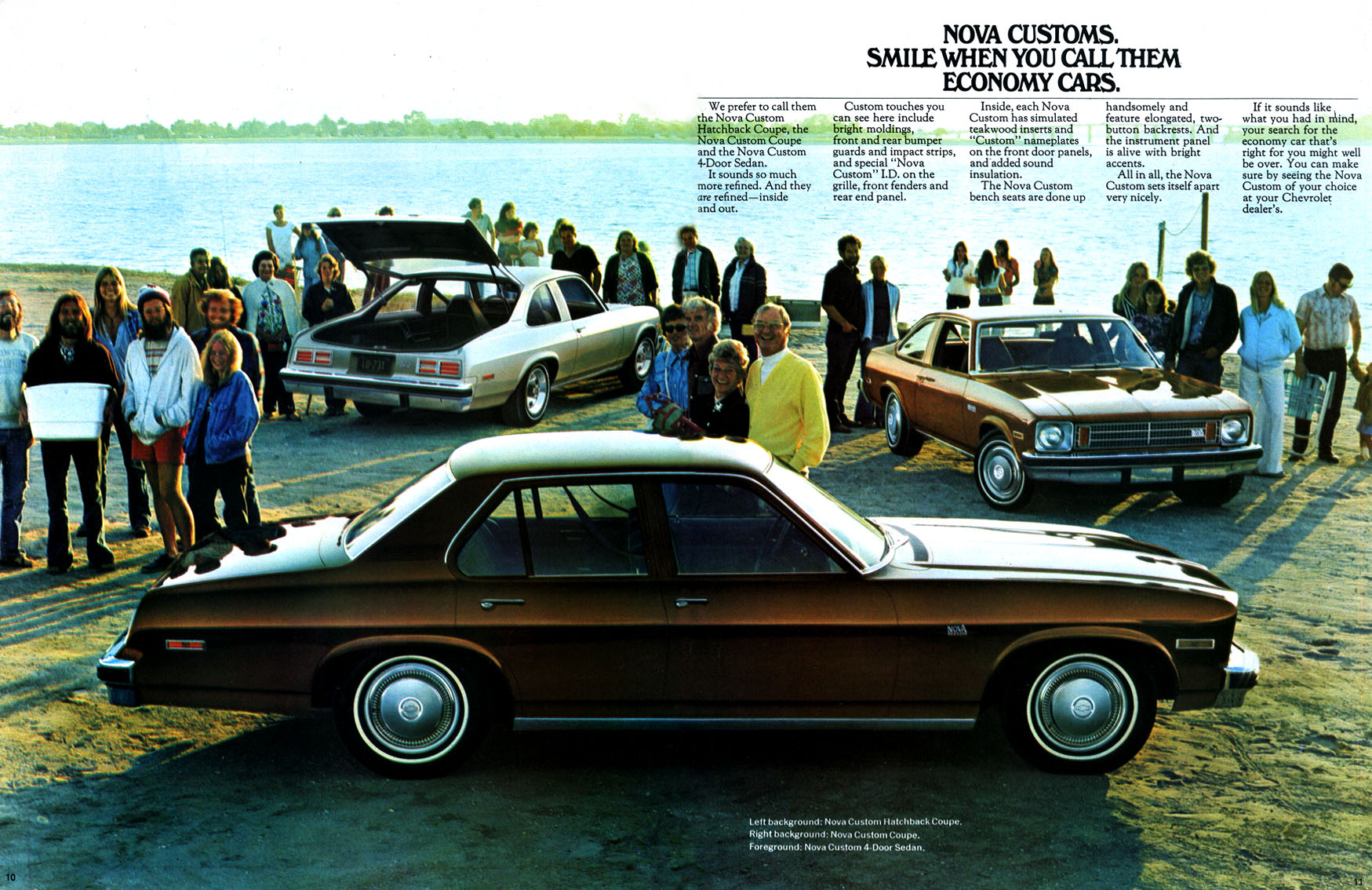
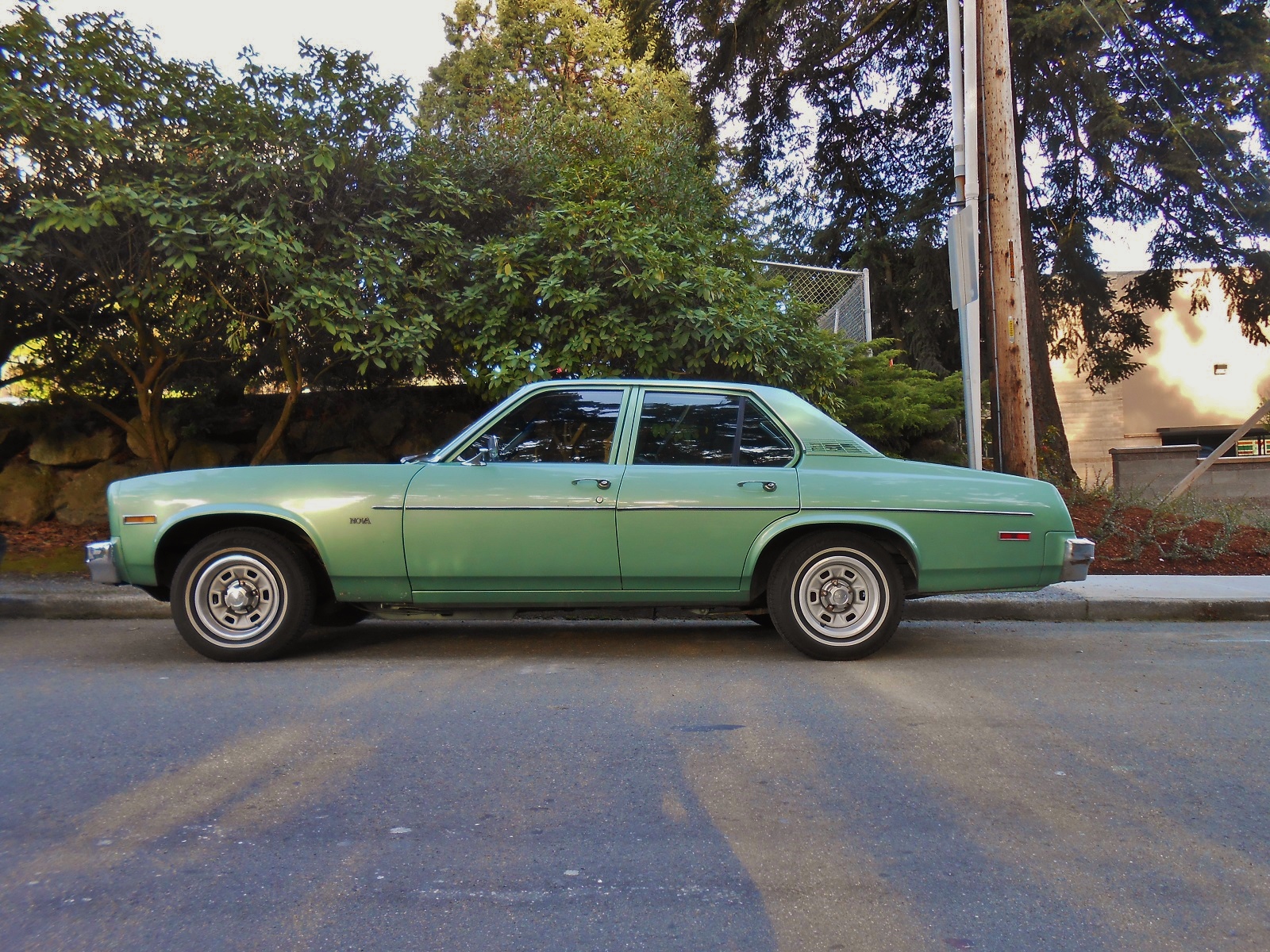
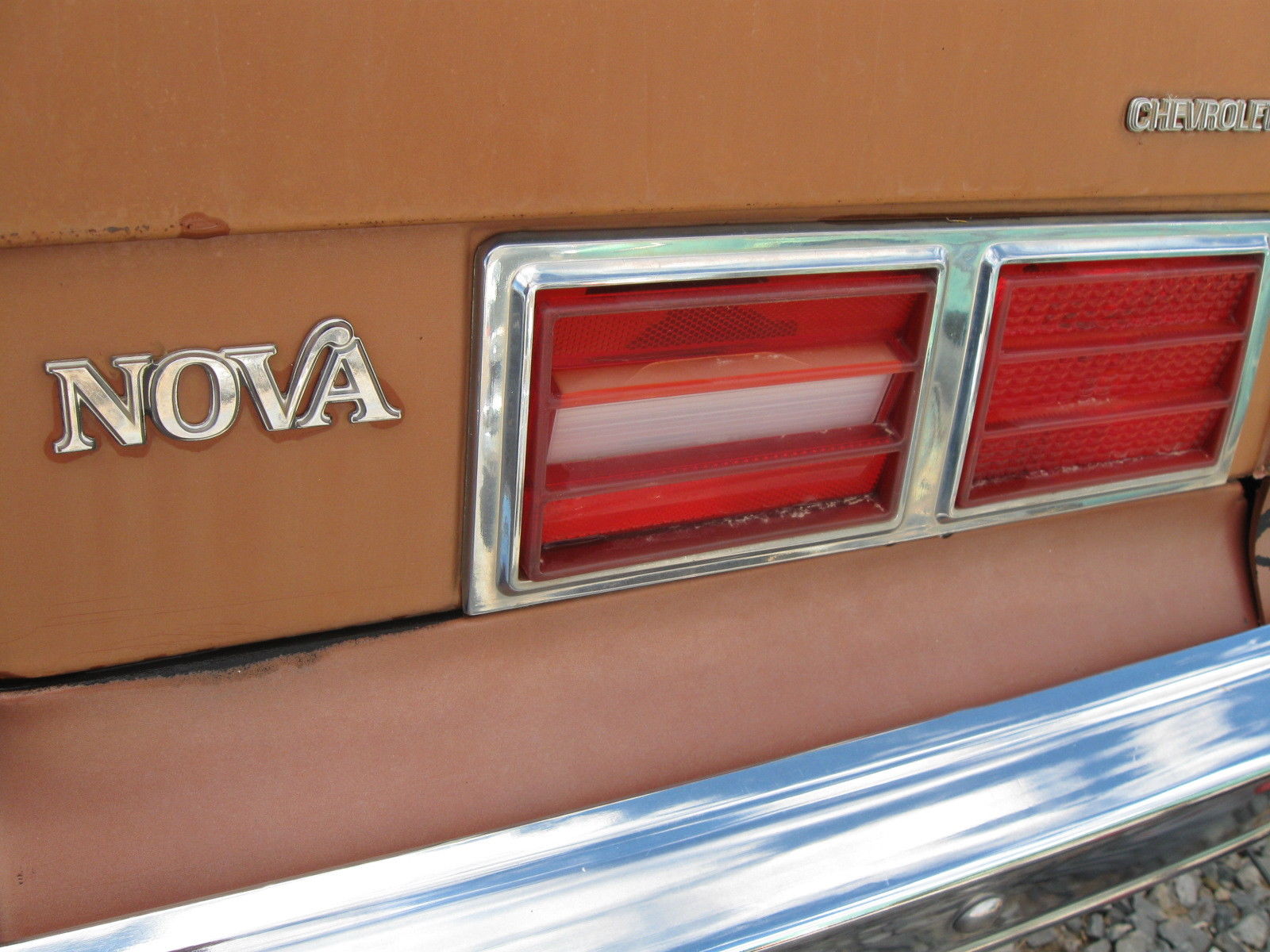
The 1975 model year marked a significant milestone for the Chevrolet Nova. By 1975, the platform had undergone a substantial redesign compared to its late-1960s predecessors. This era was defined by tightening emissions regulations and a shift toward increased safety standards, which fundamentally altered the vehicle’s profile. The 1975 Nova 4-door featured a revised front end with new rectangular headlights and a bolder, more prominent grille design that departed from the more subtle, integrated styling of earlier X-body models.
The four-door configuration was specifically marketed toward families and professionals who required the reliability of a Chevrolet drivetrain but needed the accessibility and passenger volume of a mid-sized sedan. Unlike the two-door coupe, which often leaned into sporty aesthetic choices, the four-door model emphasized structural integrity and interior cabin space, utilizing a wheelbase that provided a stable ride despite the "compact" classification of the time.
Mechanical Specifications and Powertrain Options
In 1975, the powertrain options for the Nova were influenced heavily by the transition to the catalytic converter and the industry-wide focus on fuel efficiency. The 1975 Nova was one of the first vehicles to feature the catalytic converter as standard equipment, a critical detail for current owners performing restorations or maintenance.
Engine Configurations
The standard powerplant for the 1975 Nova was the 250 cubic-inch (4.1L) inline-six cylinder, which provided adequate torque for daily driving but prioritized longevity over high-performance output. For those seeking additional power, the 350 cubic-inch (5.7L) V8 remained a popular option. However, it is essential to note that by 1975, the compression ratios for these engines had been lowered to comply with unleaded fuel requirements and federal emission mandates.
- 250 I6: Often paired with a three-speed manual or the Turbo-Hydramatic 350 automatic transmission.
- 350 V8: The workhorse engine of the lineup, offering a balance of reliability and upgrade potential for those looking to improve performance in 2026.
Structural and Interior Considerations
The 1975 Nova 4-door featured a unibody construction with a front subframe. This design is a critical point for owners, as the interface between the subframe and the body is a common area for rust and structural fatigue. When inspecting a 1975 model, particular attention must be paid to the subframe bushings. If these have degraded over the last five decades, the vehicle’s handling, door alignment, and structural rigidity will suffer significantly.
Inside, the 1975 interior was utilitarian, utilizing high-durability fabrics and vinyls. The four-door model provided ample legroom, though the "compact" designation means that by modern 2026 standards, the cabin feels narrower than contemporary mid-size sedans. The dashboard layout is straightforward, housing standard instrumentation including a fuel gauge, speedometer, and basic warning lights.
Comparative Analysis: The 1975 Nova 4-Door vs. Other Sedans
When evaluating the 1975 Nova 4-door against its contemporaries, it is helpful to look at how it competed in the mid-70s market. The following table highlights core distinctions between the Nova and other domestic sedans of the same era.
| Feature | 1975 Nova 4-Door | 1975 Ford Maverick 4-Door | 1975 Plymouth Valiant |
|---|---|---|---|
| Platform | GM X-Body | Ford Compact | Chrysler A-Body |
| Standard Engine | 250 I6 | 200 I6 | 225 Slant Six |
| Emissions Tech | Catalytic Converter | Catalytic Converter | Catalytic Converter |
| Primary Appeal | Parts Availability | Economy | Engine Longevity |
Maintenance and Preservation in 2026
Maintaining a 1975 vehicle in 2026 involves navigating the availability of parts and the evolution of automotive fluids. Because the Nova shares its chassis components with other GM vehicles of the era—such as the Pontiac Ventura and Buick Apollo—finding mechanical parts remains relatively straightforward.
Critical Maintenance Steps
- Fuel System: Modern ethanol-blended fuels can be damaging to the original rubber lines and carburetor seals of a 1975 vehicle. Upgrading to ethanol-resistant fuel hoses is a recommended first step for any owner.
- Cooling System: The factory radiators were sufficient for the era, but installing a modern aluminum radiator can prevent overheating in stop-and-go traffic, which is more taxing on older engines than sustained highway driving.
- Braking: The 1975 Nova typically utilized front disc and rear drum brakes. In 2026, it is vital to flush the brake fluid entirely, as older DOT 3 fluids can absorb moisture over time, leading to internal corrosion of the master cylinder.
- Electrical: Inspect the ground straps. A common cause of "mysterious" electrical failure in 1970s vehicles is a corroded ground strap between the engine block and the firewall.
Safety and Operational Realities
It is important to manage expectations regarding safety. The 1975 Nova 4-door was manufactured long before the implementation of modern safety standards such as anti-lock braking systems (ABS), electronic stability control, or supplemental restraint systems (airbags). As a vintage vehicle, it lacks the crumple zones and side-impact protection inherent in modern automotive engineering. Owners should operate the vehicle with an awareness of these limitations, keeping a safe distance from other traffic and avoiding reliance on the vehicle's emergency braking capabilities, which are significantly less responsive than those of a 2026-model vehicle.
Common Modifications and Upgrades
Many owners in 2026 choose to perform "restomod" upgrades to improve the drivability of their Nova. Because the aftermarket for the Chevrolet X-body is extensive, these modifications are often straightforward.
- Suspension: Upgrading to tubular control arms and modern sway bars can drastically improve the cornering capabilities of the sedan, transforming it from a "soft" 70s ride to a more composed, modern driving experience.
- Transmission: Swapping the original three-speed automatic for a 700R4 or a 4L60E four-speed automatic allows for an overdrive gear, significantly lowering engine RPMs during highway cruising and improving fuel efficiency.
- Ignition: Replacing the traditional points-style distributor with a modern HEI (High Energy Ignition) system is perhaps the most cost-effective way to improve engine reliability and startup consistency in colder climates.
Addressing Frequent Inquiries
What is the primary difference between a 1975 Nova 4-door and a 1974 model?
The 1975 model introduced a substantial exterior facelift, most notably the transition to rectangular headlights and a redesigned, more rigid grille structure. It also marked the formal introduction of the catalytic converter across the entire engine range.
Are parts still widely available for the 1975 Nova 4-door?
Yes. Because the 1975 Nova shares its platform with several other GM vehicles, the aftermarket support is excellent. Most mechanical components can be sourced through specialized classic car distributors or major automotive retailers that carry vintage catalog items.
Is the 1975 Nova 4-door considered a high-performance vehicle?
No. In 1975, the focus was on emissions compliance and fuel economy. While the 350 V8 variant provides respectable power, it is not a high-output performance engine by modern standards. However, it serves as an excellent platform for those looking to build a performance vehicle.
What should I check for before purchasing a 1975 Nova?
Prioritize checking the floor pans, trunk drop-offs, and the subframe mounting points for rust. Since the vehicle uses a subframe, structural integrity at these mounting points is non-negotiable for safety and proper vehicle handling.
Can I use modern unleaded gasoline in a 1975 Nova?
Yes, modern pump gas is compatible with the engine, but you must ensure the fuel lines and the carburetor gaskets are rated for ethanol. If the vehicle has been sitting for a long period, drain the old fuel entirely before attempting to start the engine.
Recommendation for Next Actions
If you are currently looking to acquire or currently own a 1975 Nova 4-door, your first action should be a thorough structural assessment. Focus on the subframe-to-body mounts. If the structural foundation is sound, the vehicle serves as a reliable, customizable platform. Begin by replacing all rubber hoses and fluid lines to ensure safety, and consider an ignition system upgrade to modernize the engine's reliability. Keep all documentation of your maintenance; for classic vehicles, a comprehensive service log adds significant value and ensures the longevity of your investment for years to come.