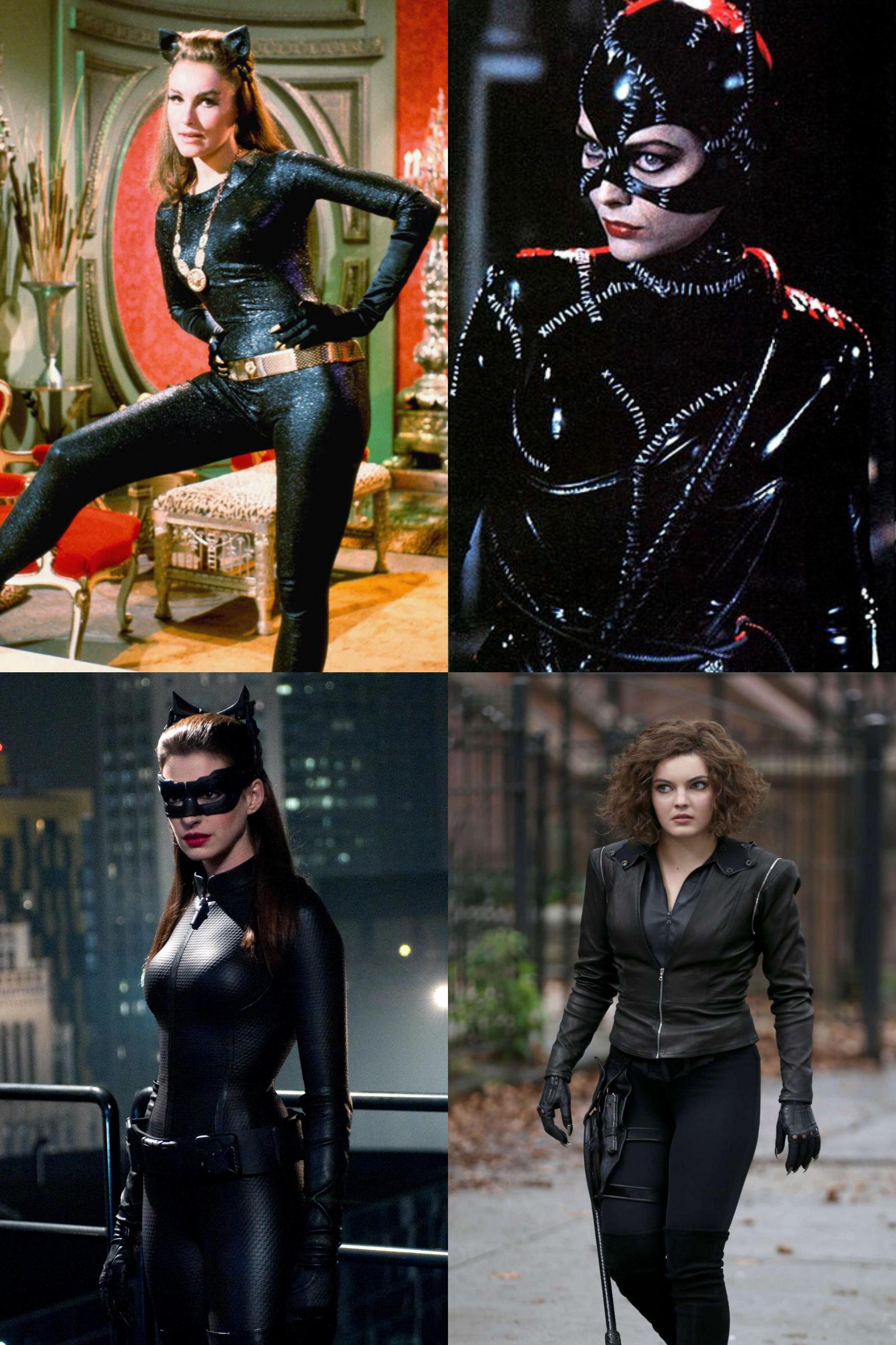
The 1966 Catwoman, portrayed indelibly by Julie Newmar in the ABC television series Batman, transformed a comic book villainess into a legendary cultural archetype, merging camp aesthetics, high-fashion sophistication, and undeniable empowerment that shaped subsequent depictions of the character for decades.
Introduction to Gotham City’s Feline Fatale
When the Batman television series premiered on ABC in January 1966, it ignited a pop-culture phenomenon defined by bright primary colors, booming sound-effect overlays, and an unapologetically campy tone. While Adam West’s Batman and Burt Ward’s Robin anchored the heroic side of the law, the show’s rotating gallery of villains quickly captured the public imagination. Among them, Catwoman stood apart. Brought to life by actress, dancer, and designer Julie Newmar in the show's second episode, "The Purr-Fect Crime," the character was not merely a bank robber in a costume; she was an immaculately styled mastermind who weaponized wit, physical grace, and feline allure. The 1966 Catwoman marked the true birth of an icon, cementing a visual and psychological template that transcended Saturday morning television to become a permanent pillar of modern popular culture.
The Origins and Casting of Julie Newmar
Before 1966, Bob Kane and Bill Finger’s comic book creation had appeared in print as a somewhat intermittent adversary for the Caped Crusader, debuting in Batman #1 in 1940. However, she lacked a definitive visual and theatrical identity until television producer William Dozier and costume designer Jan Kemp sought someone who could embody absolute, effortless physical perfection.
The casting of Julie Newmar came about almost by chance. According to industry lore, Dozier’s sister saw Newmar in a film and suggested her for the role. Newmar initially hesitated, but her brother convinced her to take the part, noting that any show featuring Batman was bound to be a hit. Once on set, Newmar immediately infused the character with feline mannerisms—stretching lazily, speaking in a low, purring cadence, and moving with the calculated grace of a predator. This physical performance laid the psychological foundation for the character. She was intelligent, fiercely independent, and entirely unapologetic about her criminal ambitions, positioning her as an intellectual equal to Batman rather than a typical damsel in distress or a shrieking cartoon villain.
The Revolutionary Costume Design
One of the most consequential aspects of the 1966 Catwoman’s debut was the creation of her iconic wardrobe. Designed by Jan Kemp with input from Julie Newmar herself, the costume broke away from the traditional cloth skirts and capes of early comic book iterations, opting instead for a sleek, form-fitting black metallic Lurex catsuit.
Key Elements of the Original 1966 Catsuit
- Fabric: Woven metallic gold-and-black Lurex threads that shimmered under studio lighting, creating an illusion of shifting feline fur.
- Silhouette: A completely unyielding, form-fitting silhouette that emphasized athletic grace and physical power.
- Accessories: A golden belt adorned with dangling cat charms, stiletto-heeled black boots, and a simple headband featuring pointed cat ears.
- Jewelry: Substantial vintage-style baubles and oversized emerald rings that highlighted her wealthy, sophisticated persona.
The metallic Lurex material was notoriously difficult to wear, requiring Newmar to be sewn into the outfit for many scenes. Yet, the aesthetic triumph was instantaneous. The catsuit redefined what female action characters could wear, balancing high fashion with tactical utility—even if that utility was primarily geared toward jewel heists and dramatic rooftop escapes.
Narrative Architecture: Crafting the Archetype
The 1966 television series established narrative tropes for Catwoman that persist in contemporary storytelling. Unlike other villains on the show who relied on gimmicks or henchmen, Catwoman’s plots were sophisticated, theatrical, and often psychologically charged.
A central element of her narrative dynamic with Batman was the palpable, complex tension between the hero and the antihero. There was a flirtatious, almost romantic undercurrent to their rooftop battles. Batman respected her intellect, and Catwoman viewed Batman as the only man worthy of her attention. This "will-they-won't-they" dynamic humanized the villain, turning her crimes into an elaborate dance of wits rather than malicious violence. Furthermore, Catwoman operated independently, commanding her own crew of henchmen (often given cat-themed names like "Casanova" or "Felix") and demonstrating total autonomy—a rare trait for female television characters in the mid-1960s.
Evolution of the Role: Eartha Kitt and Lee Meriwether
While Julie Newmar originated the role and defined its aesthetic core in the first two seasons, scheduling conflicts prevented her from returning for the third season and the 1966 theatrical feature film. This led to two significant casting shifts that expanded the cultural footprint of the character.
| Actress | Medium / Period | Distinctive Contribution to the Icon |
|---|---|---|
| Julie Newmar | TV Series (Seasons 1 & 2) | Originated the metallic catsuit, feline vocal cadence, and the sophisticated, flirtatious dynamic with Batman. |
| Lee Meriwether | 1966 Feature Film (Batman) | Brought a cinematic gravity and played the dual role of Catwoman and Soviet spy disguise Miss Kitka. |
| Eartha Kitt | TV Series (Season 3) | Infused the role with fierce theatricality, aristocratic disdain, and historical significance as a major Black actress in prime-time television. |
Eartha Kitt’s portrayal in 1967 made television history. As a Black woman playing a major, empowered villain opposite a white hero during the height of the Civil Rights movement, Kitt brought an entirely new energy to the character—sharper, more feral, and fiercely commanding. Meanwhile, Lee Meriwether’s film performance offered a polished, espionage-oriented spin. Together, these three women cemented the 1966 Catwoman as a multifaceted cultural multi-hyphenate.
Comparative Impact on Modern Pop Culture
The cultural shockwave generated by the 1966 Catwoman can be observed by comparing her to pre-television comic iterations and subsequent cinematic revivals.
| Era / Version | Costume Style | Core Motivation | Cultural Reception |
|---|---|---|---|
| Golden Age Comics (1940s) | Purple dress, green cape, realistic cat mask | Simple jewel theft, general criminality | Niche comic book audience; secondary villain status. |
| 1966 Television Series | Shimmering black Lurex catsuit, gold belt, ears | Intellectual stimulation, romantic rivalry with Batman | Mass-media sensation; elevated the character to global pop icon status. |
| Modern Cinematic (1992–Present) | Stitched leather, tactical armor, PVC | Survival, systemic rebellion, personal empowerment | Direct stylistic descendant of the 1966 blueprint, adapted for darker tones. |
Without the template laid down by Newmar, Kemp, and Dozier in 1966, later interpretations—such as Michelle Pfeiffer’s latex-clad antihero in Batman Returns (1992) or Zoë Kravitz’s grounded burglar in The Batman (2022)—would lack their foundational visual language. The 1966 version proved that female comic characters could be primary drivers of narrative tension, style, and commercial merchandise.
Frequently Asked Questions
Why did Julie Newmar stop playing Catwoman in the third season?
Julie Newmar was unable to return for the third season of Batman in 1967 because she had committed to starring in the feature film Mackenna’s Gold alongside Gregory Peck and Omar Sharif. Consequently, producers cast legendary singer and actress Eartha Kitt to take over the role for the final television season.
Was Julie Newmar the very first actress to play Catwoman on screen?
Yes. While the character existed in DC Comics for 26 years prior, the 1966 television series marked the absolute first time Catwoman was adapted into live-action media, making Newmar the pioneer who established her physical mannerisms and look.
What material was the original 1966 Catwoman catsuit made from?
The original catsuit was crafted from black metallic Lurex, a yarn containing a glittering metallic thread. This material gave the suit its characteristic shimmer under the bright studio lights of the 1960s color television era.
How did the 1966 Catwoman influence modern superhero costume design?
The 1966 catsuit broke away from traditional theatrical costumes by utilizing a sleek, single-piece, form-fitting silhouette that prioritized physical agility. This established the standard template for tactical and aesthetic female action-hero costumes across film and television for the next six decades.
Conclusion and Legacy
The birth of the Catwoman icon in 1966 was a confluence of inspired casting, revolutionary costume design, and sharp comedic writing. By transforming a two-dimensional comic book criminal into a sophisticated, stylish, and intellectually formidable adversary, the creators of the 1966 Batman series created an enduring archetype. Julie Newmar’s original portrayal, subsequently enriched by the contributions of Lee Meriwether and Eartha Kitt, ensured that Gotham City's ultimate feline femme fatale would remain a towering figure in entertainment history well into the twenty-first century.