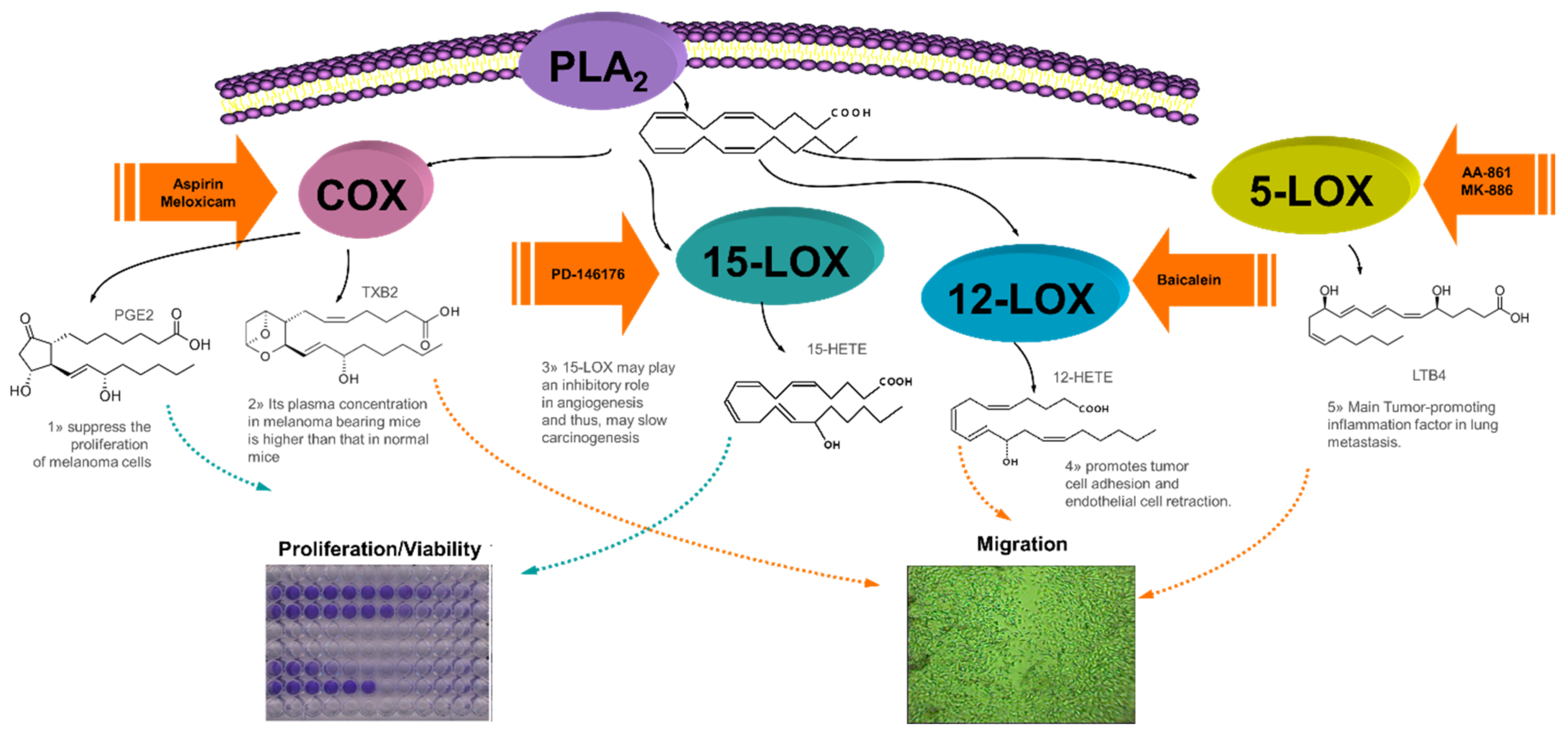
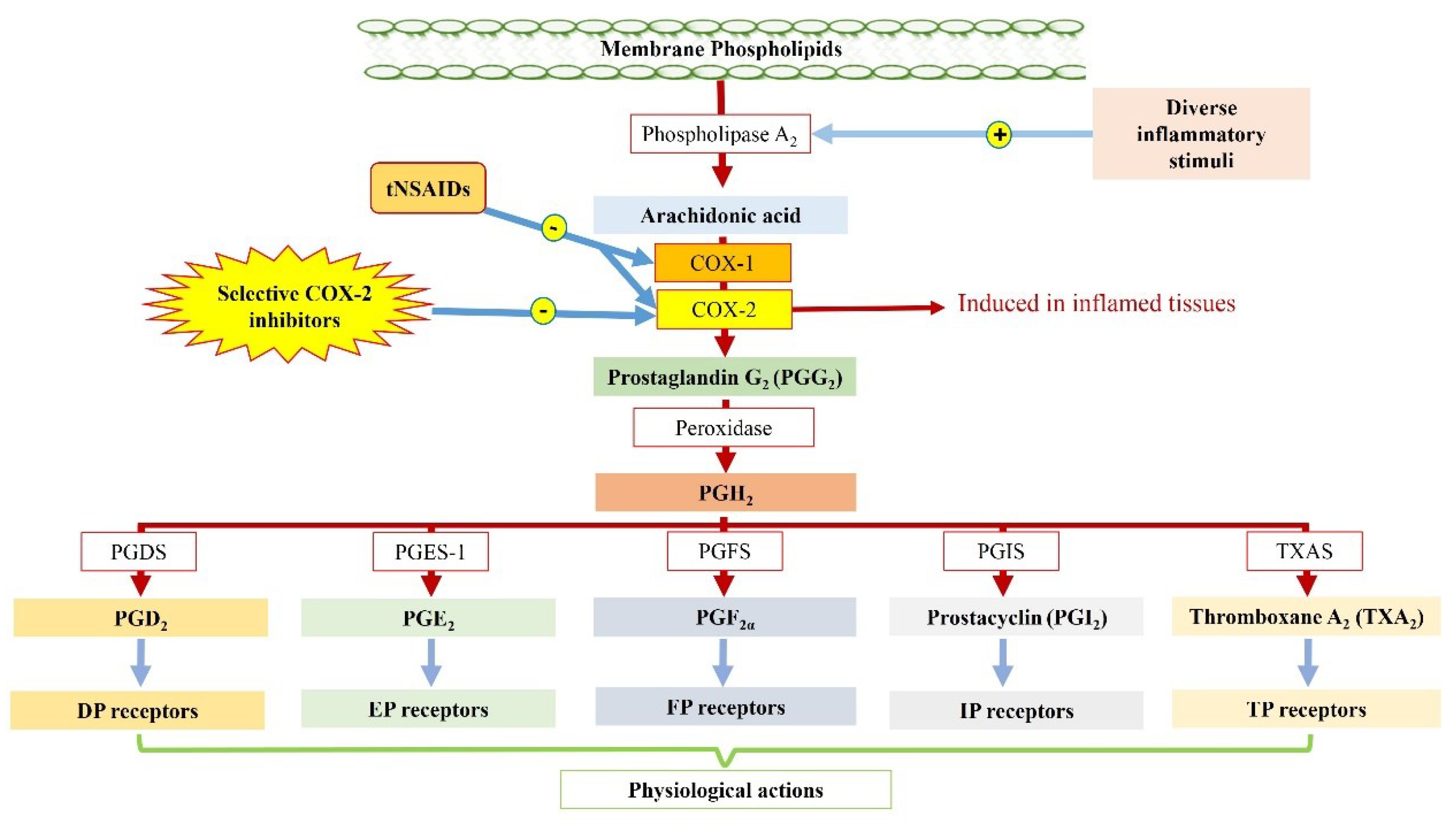
Cyclooxygenase-2 (COX-2) inhibitors are a specialized class of nonsteroidal anti-inflammatory drugs (NSAIDs) designed to block the COX-2 enzyme, which triggers pain and inflammation, while sparing the COX-1 enzyme that protects the stomach lining. As of 2026, these medications remain vital for managing chronic pain conditions like osteoarthritis and rheumatoid arthritis.
The development of COX-2 inhibitors represents one of the most significant, yet controversial, chapters in modern pharmacology. By the early 1990s, researchers discovered that the cyclooxygenase enzyme existed in two distinct isoforms. COX-1 was "constitutive," meaning it was always present to maintain the gastric mucosa and kidney function. In contrast, COX-2 was "inducible," appearing primarily at sites of tissue injury or inflammation. This discovery promised a "holy grail" of pain management: effective relief without the high risk of stomach ulcers and gastrointestinal bleeding associated with traditional NSAIDs like aspirin or naproxen.
As we look at the landscape in 2026, the history of these drugs is defined by initial triumph, a period of regulatory crisis due to cardiovascular safety concerns, and a subsequent refinement of their clinical application. Below are 12 examples of COX-2 inhibitors, ranging from global blockbusters to veterinary specifics and withdrawn compounds that reshaped drug safety laws.
1. Celecoxib (Celebrex)
Celecoxib stands as the most successful and enduring COX-2 inhibitor. Developed by Searle (later acquired by Pfizer), it received FDA approval in December 1998. It was the first COX-2 selective inhibitor to reach the American market, marketed under the brand name Celebrex.
The history of celecoxib is marked by the CLASS (Celecoxib Long-term Arthritis Safety Study) trial, which aimed to prove its superior gastrointestinal safety over traditional NSAIDs. While the results were debated, the drug survived the mid-2000s "coxib crisis" that saw its competitors removed from the market. By 2026, celecoxib is available in various generic forms and is used extensively for osteoarthritis, rheumatoid arthritis, and acute pain. Its history also includes a unique indication for reducing the number of adenomatous colorectal polyps in patients with Familial Adenomatous Polyposis (FAP), though this remains a specialized use case.
2. Rofecoxib (Vioxx)
Rofecoxib is perhaps the most infamous name in the history of pharmacology. Approved by the FDA in May 1999 and marketed by Merck, Vioxx was a massive commercial success, used by over 80 million people worldwide. It was highly selective for COX-2, offering potent anti-inflammatory effects with minimal gastric irritation.
However, the APPROVe (Adenomatous Polyp Prevention on Vioxx) study, designed to look at colon polyp prevention, revealed a startling trend: patients taking rofecoxib had a significantly higher risk of heart attacks and strokes. On September 30, 2004, Merck voluntarily withdrew Vioxx from the global market. This event remains a watershed moment for the pharmaceutical industry, leading to more stringent cardiovascular monitoring for all NSAIDs and a permanent shift in how the FDA evaluates drug safety.
3. Valdecoxib (Bextra)
Valdecoxib was Pfizer’s second entry into the COX-2 market, approved in 2001. It was intended for the treatment of osteoarthritis and adult rheumatoid arthritis, as well as painful menstruation (dysmenorrhea).
Its history was cut short in 2005. Following the withdrawal of Vioxx, the FDA and EMA (European Medicines Agency) scrutinized all drugs in the class. Valdecoxib was found to carry an elevated risk of cardiovascular events, similar to rofecoxib. Furthermore, it was linked to severe, potentially fatal skin reactions, including Stevens-Johnson Syndrome and Toxic Epidermal Necrolysis. In April 2005, the FDA requested that Pfizer withdraw Bextra from the U.S. market, a request the company followed.
4. Etoricoxib (Arcoxia)
Etoricoxib, developed by Merck, is a highly selective COX-2 inhibitor that tells a story of divergent regulatory philosophies. While it was approved in the United Kingdom and much of Europe in the early 2000s, the FDA issued a "non-approvable" letter for etoricoxib in 2007, citing the need for more safety data regarding its cardiovascular profile compared to non-selective NSAIDs.
In 2026, etoricoxib remains a leading prescription drug in over 80 countries for the treatment of gouty arthritis, ankylosing spondylitis, and chronic low back pain. Its history highlights the geographic variance in medical risk-benefit analysis, where European regulators deemed its benefits for severe inflammatory conditions outweighed the risks when used with proper cardiovascular screening.
5. Parecoxib (Dynastat)
Parecoxib is unique as the first and only injectable COX-2 inhibitor. It is a prodrug of valdecoxib, meaning it is converted into the active drug within the body. Developed by Pfizer, it was approved in Europe in 2002 for the short-term treatment of postoperative pain.
Because it can be administered intravenously or intramuscularly, it became a staple in hospital settings for managing "breakthrough" pain after surgery without the respiratory depression risks associated with opioids. However, due to its chemical relationship with the withdrawn valdecoxib, it never received FDA approval in the United States, illustrating the lasting impact of the 2004 safety scandals.
6. Lumiracoxib (Prexige)
Lumiracoxib, developed by Novartis, was designed with a chemical structure different from the "sulfonamide" group found in celecoxib. It was approved in several countries, including the UK, Australia, and Canada, around 2005.
The history of lumiracoxib is defined by hepatotoxicity (liver damage). Shortly after its release, reports surfaced of patients developing severe liver failure. This led to its withdrawal from the Australian market in 2007, followed rapidly by withdrawals or non-approvals in most other major markets. It serves as a historical reminder that while selective enzymes are the goal, off-target organ toxicity remains a primary concern in drug development.
7. Firocoxib (Equioxx / Previcox)
The "coxib" revolution was not limited to human medicine. Firocoxib is a highly selective COX-2 inhibitor developed specifically for veterinary use. It was approved by the FDA’s Center for Veterinary Medicine in the mid-2000s.
Marketed as Equioxx for horses and Previcox for dogs, firocoxib changed the management of equine lameness and canine osteoarthritis. By 2026, it remains one of the most frequently prescribed long-term pain medications in veterinary clinics. Its history demonstrates how the selective COX-2 mechanism was successfully adapted to bridge the gap between effective analgesia and the high sensitivity animals have to GI ulcers caused by older drugs like phenylbutazone.
8. Mavacoxib (Trocoxil)
Mavacoxib is another veterinary-specific COX-2 inhibitor, primarily used in dogs. What makes its history notable is its long half-life. Unlike human coxibs that are taken daily, mavacoxib was designed for monthly administration.
Approved in the European Union in 2008, it provided a solution for owners who struggled with daily dosing for arthritic pets. Its development focused on maintaining steady plasma concentrations to manage chronic inflammation over long periods. In 2026, it continues to be a niche but important tool in managing degenerative joint disease in senior canines.
9. Deracoxib (Deramaxx)
Deracoxib was the first COX-2 inhibitor approved by the FDA specifically for use in dogs (2002). Developed by Novartis Animal Health (now Elanco), it was a breakthrough for treating postoperative pain associated with orthopedic surgery and the management of dental pain in canines.
Its history is characterized by its high selectivity at clinical doses. Before deracoxib, veterinarians relied heavily on aspirin or carprofen, which had narrower margins of safety. The success of deracoxib paved the way for the broader acceptance of COX-2 technology in the veterinary field, emphasizing that the "stomach-sparing" benefits were just as relevant for animals as for humans.
10. Robenacoxib (Onsior)
Robenacoxib is a significant entry in this list because it was the first COX-2 inhibitor approved for cats in several jurisdictions, including the US (2011) and Europe (2009). Cats are notoriously sensitive to NSAIDs due to their unique liver metabolism (glucuronidation deficiency), making traditional pain relief dangerous.
Robenacoxib was engineered to stay in the inflammatory exudate (the site of pain) for longer than it remains in the bloodstream. This "tissue selectivity" added a second layer of safety beyond just enzyme selectivity. Its history represents the pinnacle of tailoring COX-2 inhibition to high-risk patient populations.
11. Cimicoxib (Cimalgex)
Approved in the European Union in 2011, cimicoxib is used for the treatment of pain and inflammation associated with osteoarthritis and surgery in dogs. Developed by Vetoquinol, its history is tied to the refinement of the "coxib" chemical structure to improve bioavailability.
Cimicoxib is often cited in pharmacological literature for its rapid absorption and specific chewable formulation, which addressed the practical challenges of administering medicine to pets. While it does not have the same name recognition as Celebrex, it remains a standard of care in European veterinary medicine in 2026.
12. Polmacoxib (Acelex)
Polmacoxib is a more recent addition to the global COX-2 family. Developed by CrystalGenomics, a South Korean biotech firm, it was approved by the South Korean Ministry of Food and Drug Safety in 2015.
The history of polmacoxib is unique because it is a "first-in-class" tissue-selective COX-2 inhibitor. It was designed to be transported by carbonic anhydrase in red blood cells, which helps deliver the drug more specifically to inflamed tissues while keeping systemic concentrations low. In 2026, it is often discussed as part of the "next generation" of coxibs that aim to solve the lingering cardiovascular issues of the older drugs by utilizing novel delivery mechanisms rather than just enzyme inhibition.
Comparative Summary of COX-2 Inhibitors (Status 2026)
The following table summarizes the development and current status of these 12 compounds.
| Drug Name | Primary Use | Approval Year | Current Status (2026) | Historical Significance |
|---|---|---|---|---|
| Celecoxib | Human (OA/RA) | 1998 | Available (Generic) | First to market; most successful. |
| Rofecoxib | Human (Pain) | 1999 | Withdrawn (2004) | Sparked global drug safety reform. |
| Valdecoxib | Human (Pain) | 2001 | Withdrawn (2005) | Linked to severe skin reactions. |
| Etoricoxib | Human (Arthritis) | 2002 | Global (Non-US) | High selectivity; US/EU regulatory split. |
| Parecoxib | Human (Post-Op) | 2002 | Global (Non-US) | Only injectable COX-2 prodrug. |
| Lumiracoxib | Human (Arthritis) | 2005 | Withdrawn/Limited | Highlighted risks of hepatotoxicity. |
| Firocoxib | Veterinary (Dog/Horse) | 2004 | Available | Gold standard for equine lameness. |
| Mavacoxib | Veterinary (Dog) | 2008 | Available (EU) | Once-monthly dosing profile. |
| Deracoxib | Veterinary (Dog) | 2002 | Available | First canine-specific COX-2 drug. |
| Robenacoxib | Veterinary (Cat/Dog) | 2009 | Available | First safe option for feline pain. |
| Cimicoxib | Veterinary (Dog) | 2011 | Available (EU) | Refined oral bioavailability for pets. |
| Polmacoxib | Human (OA) | 2015 | Available (Regional) | Tissue-selective "Next-Gen" coxib. |
The Safety Legacy of COX-2 Inhibitors
The history of COX-2 inhibitors cannot be discussed without addressing the "Black Box Warning." In 2005, the FDA mandated that all prescription NSAIDs, including COX-2 inhibitors and non-selective drugs like ibuprofen, carry a boxed warning on their labels. This warning highlights the increased risk of serious cardiovascular thrombotic events, including myocardial infarction and stroke.
The underlying mechanism for this risk involves the balance between thromboxane and prostacyclin. Thromboxane (produced by COX-1) promotes blood clotting and vessel constriction, while prostacyclin (produced by COX-2) prevents clotting and dilates vessels. By selectively blocking COX-2, these drugs may inadvertently tip the balance in favor of clotting, particularly in patients with pre-existing heart disease.
Key Historical Milestones:
- 1991: Discovery of the COX-2 enzyme by Dr. Daniel Simmons and others.
- 1999-2001: The "Golden Era" of COX-2 marketing.
- 2004: The Vioxx recall shakes public trust in the FDA and pharma.
- 2016: The PRECISION trial results are released, showing that moderate doses of Celecoxib are not riskier for the heart than ibuprofen or naproxen.
- 2020-2026: Continued expansion into veterinary medicine and the development of tissue-selective delivery systems.
Medical Disclaimer: This article is for historical and informational purposes only. It does not constitute medical advice. Patients should consult a healthcare professional before starting or stopping any medication, especially concerning the cardiovascular and gastrointestinal risks associated with NSAIDs.
Frequently Asked Questions
What is the main difference between COX-1 and COX-2?
COX-1 is an enzyme that is active in most tissues of the body, helping to maintain the protective lining of the stomach and supporting kidney function. COX-2 is primarily produced at the site of injury or infection, where it creates the prostaglandins that cause pain, swelling, and fever. COX-2 inhibitors were designed to target the pain-causing enzyme without damaging the stomach-protecting one.
Why was Vioxx taken off the market?
Vioxx (rofecoxib) was withdrawn in 2004 after clinical trial data (specifically the APPROVe study) showed that long-term use (more than 18 months) doubled the risk of heart attack and stroke compared to a placebo. This led to a massive re-evaluation of how all drugs in this class affect cardiovascular health.
Is Celebrex safe to take in 2026?
Yes, Celebrex (celecoxib) remains approved by the FDA and global regulators. However, it carries a boxed warning regarding cardiovascular and gastrointestinal risks. For many patients, especially those at high risk for stomach ulcers but low risk for heart disease, it is considered a safer alternative to traditional NSAIDs. Doctors in 2026 typically prescribe the lowest effective dose for the shortest duration possible.
Can humans take veterinary COX-2 inhibitors like Previcox?
No. While the mechanism of action is similar, veterinary formulations are specifically designed for the metabolism, weight, and physiology of animals. Taking veterinary medications can lead to improper dosing, toxic reactions to inactive ingredients, and severe organ damage in humans.
Are there any new COX-2 inhibitors in development?
As of 2026, research has shifted toward "selective" delivery. Rather than just finding new molecules to block the enzyme, scientists are looking at ways to deliver existing COX-2 inhibitors directly to inflamed joints using nanoparticles or "prodrug" technologies to avoid affecting the heart and blood vessels.
Practical Recommendations for Patients
If you are prescribed a COX-2 inhibitor in 2026, consider the following actions to ensure safety:
- Cardiovascular Screening: Discuss your heart health history with your doctor. If you have a history of high blood pressure, stroke, or heart attack, a COX-2 inhibitor may not be the best choice.
- Kidney Monitoring: All NSAIDs, including COX-2 selective ones, can affect kidney function. Ensure you have regular blood work if you are on long-term therapy.
- Alcohol Interaction: Avoid excessive alcohol consumption, as it can increase the risk of gastric bleeding, even with "stomach-friendly" coxibs.
- Dose Adherence: Never exceed the prescribed dose. The "selectivity" of these drugs is dose-dependent; at very high doses, they begin to block COX-1 as well, losing their gastrointestinal advantage.