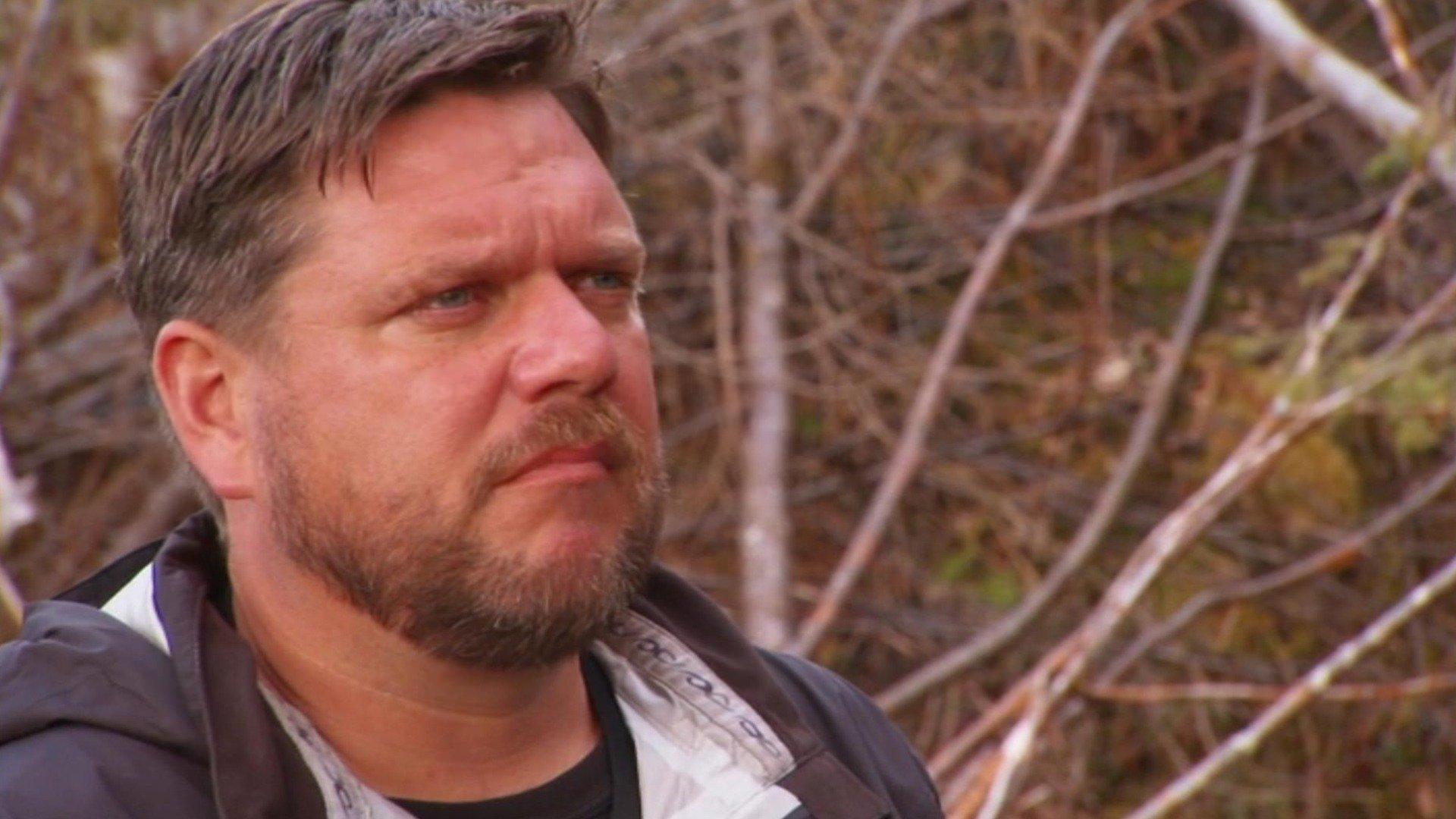
The 100th episode of Animal Planet’s hit reality television series Finding Bigfoot represents a major production milestone for the cast and crew, marking a rare longevity for a paranormal and cryptozoology-themed documentary show. This landmark installment reflects years of field investigations, eyewitness interviews, and nighttime squawking sessions across diverse North American landscapes.
The Genesis and Cultural Impact of Finding Bigfoot
Finding Bigfoot premiered on Animal Planet in May 2011, capturing a unique niche in cable television by blending outdoor exploration with the folklore of North America's legendary cryptid. The series followed a consistent, dedicated core cast: Matt Moneymaker, founder of the Bigfoot Field Researchers Organization (BFRO); Ranae Holland, a skeptical field biologist; Cliff Barackman, a meticulous evidence researcher; and Bobo Fay, a veteran field investigator known for his good-natured enthusiasm and deep knowledge of local lore.
Unlike scripted dramas, the show relied on the dynamic between scientific skepticism and unwavering belief. Holland frequently challenged the team's assumptions, demanding physical proof and scientific validation, while Moneymaker, Barackman, and Fay investigated acoustic phenomena, trackways, and purported visual sightings. This formula resonated with a broad audience, transforming the cast into pop-culture icons and turning weekend amateur squawking—imitating vocalizations attributed to Sasquatch—into a recognizable cultural phenomenon.
Reaching a triple-digit episode count is a significant achievement in modern television, particularly for a niche reality program. Over its multi-season run, the production team traveled to nearly every US state, multiple Canadian provinces, and international hotspots, building a massive library of firsthand accounts from rural residents, hunters, and hikers.
Production Milestones and the Road to Episode 100
Producing one hundred episodes of an outdoor investigative series requires immense logistical coordination, endurance, and adaptability. The production schedule often demanded grueling night hikes, unpredictable weather conditions in remote wilderness areas, and extensive coordination with local property owners and witnesses.
Key Milestones in the Series Run
- Season 1 Breakthrough: Establishing the core quartet and setting the template of witness town halls followed by nighttime field investigations.
- International Expeditions: Expanding the search beyond the United States into regions like Australia (looking for the Yowie), Indonesia, and various Canadian provinces.
- Live Specials: Engaging audiences through interactive live television events where viewers could call in with their own encounters.
- The 100th Episode Event: A celebratory and retrospective milestone that highlighted the team's most compelling evidence, memorable mishaps, and fan-favorite moments over the years.
As the series progressed toward its landmark episode, the production format evolved to incorporate more advanced thermal-imaging technology, audio analysis equipment, and structured data collection. However, the core of the show remained rooted in the interpersonal relationships of the team and their direct engagement with local communities.
Examining the Core Investigation Team
The success of Finding Bigfoot hinged almost entirely on the distinct personalities and investigative philosophies of its four primary investigators. Understanding their roles explains how the show sustained viewer interest through one hundred episodes without ever capturing definitive, undeniable physical proof of the creature.
| Cast Member | Primary Role | Investigative Philosophy |
|---|---|---|
| Matt Moneymaker | Founder / Lead Investigator | Uncompromising belief in Sasquatch existence; relies heavily on vocalizations and historical BFRO data. |
| Cliff Barackman | Evidence Researcher | Focuses on cast footprints, handprints, and physical anomalies; methodical and detail-oriented. |
| Ranae Holland | Skeptical Biologist | Applies ecological and zoological principles; challenges the team to consider mundane explanations. |
| James "Bobo" Fay | Field Researcher | Blends outdoor survival skills with deep empathy for witnesses; expert in local folklore and field habits. |
This balance prevented the show from becoming an echo chamber of uncritical acceptance. While Moneymaker often pushed forward with vocal blasts based on intuition, Holland served as a crucial proxy for the audience's natural skepticism, ensuring that environmental factors like coyotes, owls, or structural settling were properly considered before jumping to cryptozoological conclusions.
Evolution of Investigative Techniques Over 100 Episodes
Over the course of one hundred episodes, the methodology used by the team underwent noticeable refinements. In early seasons, investigations heavily featured wood knocks, vocal blasts, and flashlights. By the later seasons leading up to the milestone episode, the technological footprint of the production expanded significantly.
Technological Advancements in the Field
- Thermal Imaging Cameras: Utilizing military-grade and commercial thermal optics to scan tree lines and ridge tops during night investigations, allowing the team to detect heat signatures in pitch-black environments.
- Parabolic Microphones: Employing directional audio gear to isolate and record distant forest sounds, attempting to capture purported Sasquatch vocalizations or wood knocks with greater fidelity.
- Trail Cameras: Deploying motion-activated cameras in high-probability areas between production visits to monitor wildlife movement over extended periods.
- Forensic Footwear Analysis: Working occasionally with casting specialists to analyze the stride length, weight distribution, and anatomical plausibility of discovered trackways.
Despite these technological upgrades, the fundamental limitation remained: the environment of the North American wilderness is vast, densely forested, and full of natural cavities, making systematic searching extraordinarily difficult. The show's enduring appeal rested less on finding a body or clear photograph and more on the atmospheric journey through America's backwoods.
Legacy and Post-Series Impact
Long after the cameras stopped rolling on standard weekly production, the legacy of Finding Bigfoot endures within the cryptozoology community and television syndication. The show standardized a template for paranormal reality television that subsequent outdoor mystery programs would emulate.
The cast members continued their outreach through public speaking engagements, convention appearances, and independent media projects. Moneymaker maintained the BFRO database, which remains one of the largest digital repositories of self-reported Sasquatch encounters in the world. Barackman opened a dedicated museum space to display his collection of cast footprints and field evidence, while Holland and Fay continued to engage with fans and researchers globally.
For fans who followed the journey from the pilot to the 100th episode, the show offered an engaging mix of travelogue, amateur anthropology, and late-night campfire storytelling, cementing its place as a defining piece of 2010s cable television culture.
Frequently Asked Questions
Did Finding Bigfoot ever find definitive proof of Sasquatch?
No. Across all one hundred episodes and subsequent specials, the team never captured a living or dead specimen, nor did they secure incontrovertible photographic or DNA evidence. Their investigations consistently yielded inconclusive evidence, such as anomalous vocalizations, unexplained tree structures, and unverified trackways.
Where was the 100th episode of Finding Bigfoot filmed?
The production team celebrated and investigated in locations that held significant meaning throughout the series run, revisiting classic hotspots and interacting with long-time witnesses who had shared compelling stories during earlier seasons.
What caused the cancellation of Finding Bigfoot?
Animal Planet concluded the series naturally as production costs, scheduling demands, and changing network programming strategies shifted. The cast members mutually agreed that after one hundred episodes and numerous international specials, it was an appropriate juncture to conclude the television run.
Are the cast members still active in cryptozoology research?
Yes. The primary cast members remain active in the field through public appearances, independent research, podcasts, and continued involvement with the Bigfoot Field Researchers Organization and related educational projects.
Conclusion and Next Actions
For enthusiasts interested in diving back into the series or exploring the broader history of cryptozoology, revisiting the landmark 100th episode offers an entertaining retrospective of reality television production. To explore further, examine the archived episode guides on official network portals or review the public sighting reports logged in the extensive BFRO database to evaluate the firsthand accounts that inspired the entire television phenomenon.