Adhering to 10,000 mile oil change guidelines requires modern synthetic motor oil, an oil filter specifically rated for extended service intervals, and verification that your vehicle's manufacturer and driving conditions support this extended schedule. While traditional maintenance schedules mandated changing oil every 3,000 miles, advancements in lubricant chemistry, tighter engine manufacturing tolerances, and improved filtration media have made 10,000-mile or annual intervals standard for many late-model passenger vehicles. However, successfully executing an extended oil change interval demands strict attention to oil specifications, fluid monitoring, and operational realities.
The Evolution of Engine Oil and Extended Intervals
The historical standard of changing engine oil every 3,000 miles originated during an era of conventional mineral oils, carbureted fuel systems, and looser tolerances. Modern engines, by contrast, are precision-machined assemblies running on advanced synthetic base stocks. Understanding how these changes shape modern maintenance requires a close look at oil composition and filtration.
Synthetic vs. Conventional Oil Chemistry
Conventional motor oils are refined directly from crude oil, containing natural impurities and molecules of varying sizes that break down under high heat and shear stress. Synthetic oils, on the other hand, are chemically engineered in laboratories. Group III, Group IV (Polyalphaolefins or PAOs), and Group V synthetic base stocks offer uniform molecular structures, exceptional thermal stability, and superior resistance to oxidation.
This chemical stability prevents the oil from prematurely thinning out at high operating temperatures or thickening into sludge during cold-weather startups. Because synthetic molecules resist thermal breakdown, they retain their viscosity index and lubricating properties significantly longer than conventional mineral oils, making the 10,000-mile threshold viable.
Tighter Manufacturing Tolerances
Modern internal combustion engines are manufactured with microscopic tolerances—often measured in microns. These tight clearances mean that engine components experience less metal-to-metal friction and generate fewer particulate contaminants during normal operation.
Furthermore, computerized fuel injection systems and electronic ignition controls deliver precise air-fuel ratios, virtually eliminating the unburned fuel wash-down that historically diluted and degraded engine oil prematurely. With cleaner combustion and tighter mechanical tolerances, the oil contamination rate drops drastically, allowing the fluid to protect internal components over a longer duration.
Advanced Additive Packages
Base oil is only part of the equation; modern lubricants rely heavily on sophisticated additive packages. These chemical packages include:
- Detergents and Dispersants: Keep internal surfaces clean by suspending soot, varnish, and carbon deposits so they can be trapped by the filter.
- Anti-Wear Agents: Form a microscopic sacrificial barrier on high-load metal surfaces like camshafts and lifters.
- Viscosity Index Improvers: Prevent the oil from thinning excessively as engine temperatures rise.
- Antioxidants: Slow down the oxidation process that thickens oil over time.
In high-performance synthetic oils, these additive packages are engineered to deplete at a much slower rate, supporting extended drain intervals without losing their protective qualities.
Prerequisites and Compatibility for 10,000-Mile Intervals
Before committing to a 10,000-mile oil change interval, you must verify that your vehicle, driving environment, and fluid selections align with extended service requirements. Ignoring these prerequisites can lead to catastrophic engine wear, oil starvation, and voided factory warranties.
Manufacturer Specifications and Warranty Compliance
Your first step is consulting the vehicle owner’s manual. Manufacturers specify exact oil standards—such as API (American Petroleum Institute) service categories, ILSAC ratings, or proprietary European manufacturer approvals (e.g., BMW Longlife, Mercedes-Benz MB-Approval, Volkswagen norms).
If you lease or own a vehicle under factory warranty, you must use an oil that meets or exceeds the manufacturer’s specified standard and keep meticulous service records. Failing to use certified synthetic oils during the warranty period can result in denied warranty claims if engine damage occurs due to lubrication failure.
The Importance of Extended-Life Oil Filters
An oil change is only as effective as the filter capturing contaminants. Standard cellulose paper filters degrade and lose their structural integrity over long mileage intervals, leading to filter bypass where unfiltered oil circulates through the engine.
To safely reach 10,000 miles, you must install an extended-service oil filter. These filters feature synthetic or synthetic-blend media reinforced with wire mesh backing. They offer high particulate retention efficiency without restricting oil flow, ensuring the filter remains functional throughout the entire 10,000-mile window.
| Filter Type | Media Material | Maximum Recommended Mileage | Typical Bypass Efficiency |
|---|---|---|---|
| Standard Efficiency | Cellulose / Paper Blend | 3,000 to 5,000 miles | Lower; degrades past 5,000 miles |
| Extended Life | Synthetic Blend | 7,500 to 10,000 miles | Moderate; reinforced pleats |
| Premium Synthetic | 100% Synthetic Glass/Wire Backed | 10,000 to 20,000+ miles | High; maintains structural integrity |
Severe Driving Conditions vs. Normal Service
Automotive engineers categorize driving environments into two distinct operating profiles: "normal" and "severe." Recognizing your actual driving habits is critical because severe service conditions accelerate oil degradation, rendering 10,000-mile intervals unsafe for engine longevity.
Defining Severe Operating Conditions
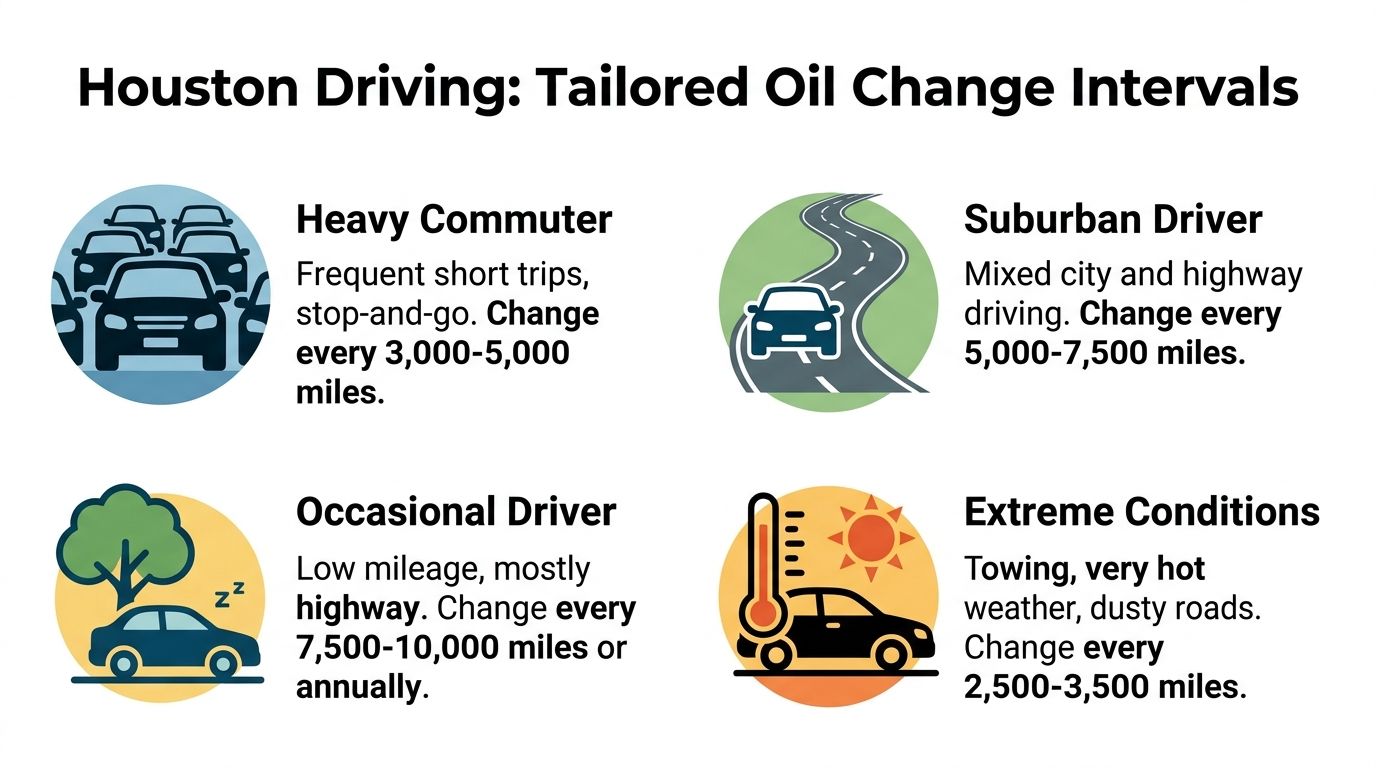
Most drivers assume their daily commute is standard, but urban driving habits frequently trigger severe service criteria. You are operating under severe service conditions if your routine involves:
- Short Trips: Driving fewer than 5 to 10 miles per trip, particularly in cold weather, which prevents the engine oil from reaching operating temperature (around 212°F / 100°C) long enough to boil off accumulated moisture and unburned fuel.
- Stop-and-Go Traffic: Extended idling, heavy urban congestion, and frequent braking.
- Dusty or Extreme Environments: Driving on unpaved roads, in heavy construction zones, or in extreme ambient temperatures (sub-zero winters or desert heat).
- Heavy Loads: Towing a trailer, hauling heavy cargo, or operating a roof rack that increases aerodynamic drag and engine load.
Impact on Fluid Life
When an engine runs frequent short trips, condensation and fuel blow-by contaminate the crankcase. Without sustained high operating temperatures, this moisture mixes with combustion byproducts to form acidic compounds that rapidly deplete the oil's Total Base Number (TBN)—a measure of its reserve alkalinity used to neutralize acids.
Under severe conditions, oil life monitoring systems or physical fluid analysis will show that the oil degrades well before reaching 10,000 miles, requiring a shortened interval of 5,000 miles or less.
Best Practices and Maintenance Workflow
Executing a successful 10,000-mile oil change routine involves more than just dumping fresh fluid into the crankcase. It requires disciplined monitoring and proactive maintenance checks.
Routine Fluid Level Monitoring
Even with high-quality synthetic oils designed for extended service, some modern engines naturally consume a small amount of oil during normal operation. Waiting 10,000 miles without checking the dipstick can lead to dangerously low oil levels, resulting in oil pump cavitation and severe engine damage.
- Check Every 1,000 Miles: Park the vehicle on a level surface, turn off the engine, wait five minutes for oil to drain back into the pan, pull the dipstick, wipe it clean, reinsert it fully, and check the fluid level against the hash marks.
- Top Off Properly: If the oil level is below the minimum mark, add oil in small increments (1/4 to 1/2 quart) using the exact same viscosity and specification currently in the engine. Mixing different viscosity grades or low-quality oils compromises the additive balance.
- Inspect Oil Condition: Observe the color and consistency on the dipstick. While dark oil is normal in a modern engine due to suspended soot, gritty texture, milky discoloration (indicating coolant contamination), or a strong fuel odor signals an underlying mechanical issue that requires immediate attention.
Utilizing Oil Life Monitoring Systems (OLMS)
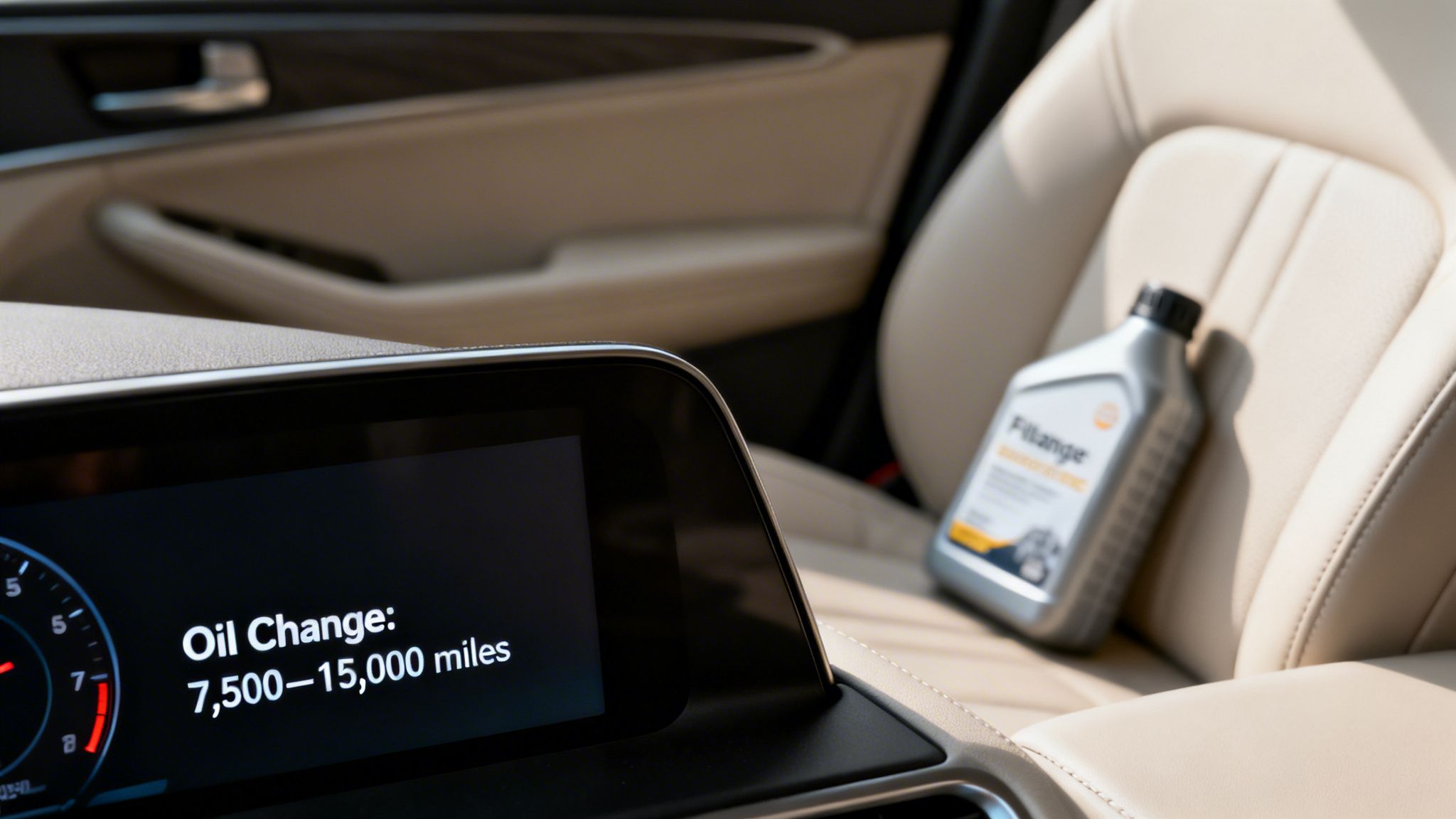
Modern vehicles are equipped with computerized Oil Life Monitoring Systems. These systems do not simply track mileage; algorithms analyze engine operating parameters, including engine revolutions, coolant temperature, operating duration, ambient temperatures, and vehicle speed.
Rather than adhering strictly to a rigid 10,000-mile odometer reading, trust your vehicle's OLMS. If the system signals that oil life is exhausted at 7,500 miles due to severe driving habits, perform the oil change regardless of the target 10,000-mile threshold.
Common Mistakes to Avoid
Vehicle owners transitioning to extended oil change intervals frequently make operational errors that compromise engine protection. Avoiding these pitfalls ensures your engine reaches its maximum design lifespan.
- Reusing Standard Filters for Extended Drains: Installing a basic 3,000-mile paper filter and pairing it with a 10,000-mile synthetic oil is a critical mistake. The filter media will break down, leading to clogging, filter collapse, or unfiltered oil circulation.
- Ignoring Oil Consumption: Assuming that modern synthetics require zero maintenance between changes leads to catastrophic running-dry failures. Regular dipstick checks are mandatory.
- Disregarding Environmental Factors: Forcing a 10,000-mile schedule on a vehicle operated primarily in dusty, off-road, or extreme cold-weather environments accelerates wear. Adjust your maintenance intervals to match your actual operating conditions.
- Failing to Reset the OLMS: After completing an oil change, technicians or DIYers sometimes forget to reset the electronic oil life monitor. This desynchronizes the vehicle's maintenance tracking from the actual service history.
Frequently Asked Questions
Can I run conventional oil for 10,000 miles?
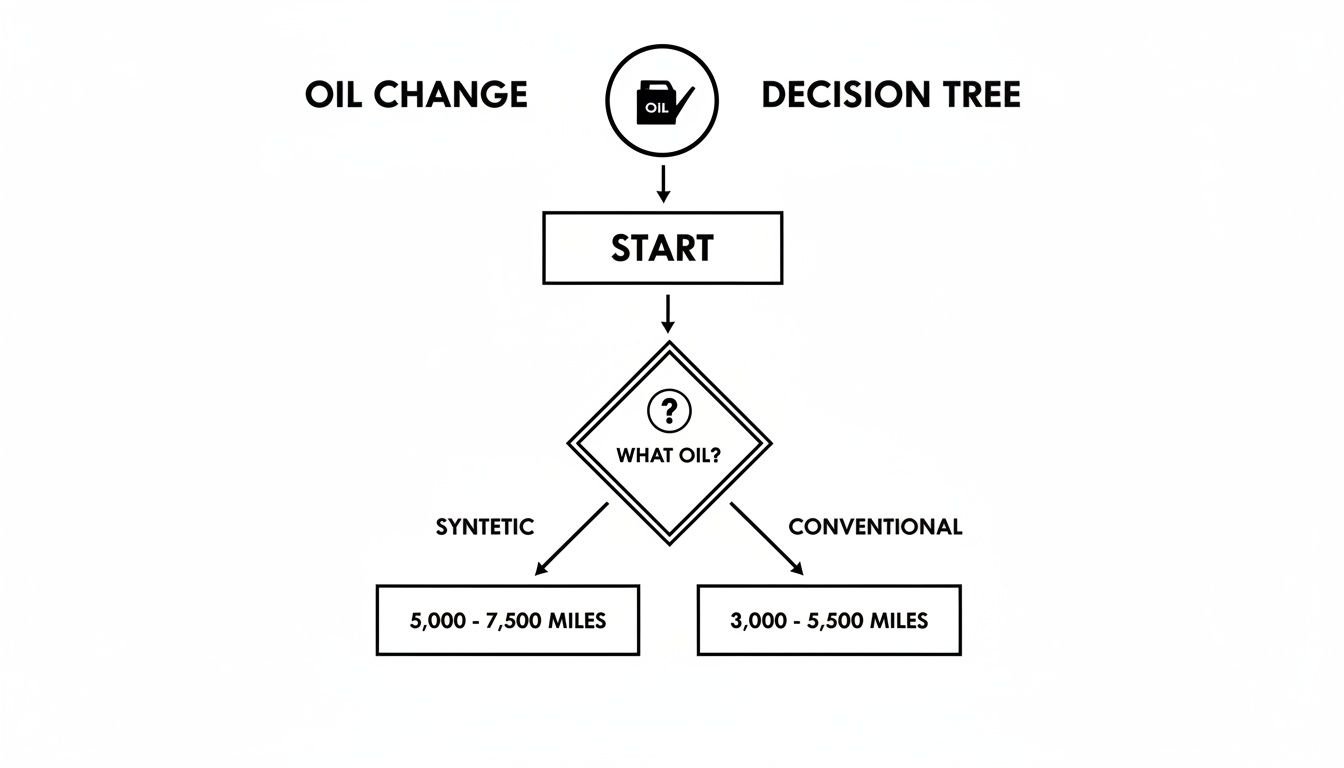
No. Conventional mineral oil lacks the chemical stability, oxidation resistance, and advanced additive packages required to withstand 10,000 miles of thermal and mechanical stress. Running conventional oil past 5,000 miles leads to severe sludge buildup, varnish formation, and accelerated mechanical wear.
How do I know if my engine is consuming too much oil between changes?
Most manufacturers consider an oil consumption rate of up to one quart every 1,000 to 1,500 miles acceptable for modern engines, though many consume significantly less. If your engine requires more than one quart every 1,000 miles, or if you notice blue smoke from the exhaust or external oil leaks, have the vehicle inspected by a certified technician.
Should I change my oil filter halfway through the 10,000-mile interval?
If you are using a premium, 10,000-mile-rated synthetic oil filter, changing the filter halfway is unnecessary. However, if you operated under severe conditions or suspect excessive particulate contamination, replacing the filter and topping off the lost volume at 5,000 miles is an acceptable precautionary practice.
Does synthetic oil cause older engines to leak?
This is an automotive myth. High-mileage engine leaks are caused by hardened, shrunken, or cracked rubber gaskets and valve stem seals due to age and heat cycles. While high-mileage synthetic oils often contain seal-conditioner additives that can help swell and soften aging gaskets, synthetic oil itself does not cause leaks.
What should I do if my oil life monitor reads zero before 10,000 miles?
Always follow the vehicle's Oil Life Monitoring System over a static mileage rule. If the computer indicates that oil life is depleted at 6,000 or 8,000 miles, it reflects actual driving severity (such as excessive idling or short trips) that has degraded the oil prematurely. Perform the oil service immediately.
Conclusion and Next Actions
Adopting 10,000 mile oil change guidelines offers a balance of reduced maintenance frequency, lower operational costs, and reduced waste, provided you follow the correct protocols. To execute this safely, verify your vehicle manufacturer's specifications, purchase a 10,000-mile certified synthetic oil, install an extended-life synthetic filter, and check your fluid levels every 1,000 miles. If your driving routine involves heavy towing, extreme temperatures, or frequent short trips, adjust your schedule accordingly to protect your engine's long-term health.