Selling a vehicle that has reached the end of its life requires a strategic approach to ensure you receive the highest possible payout. A "top paid" junk car service is defined by transparent pricing, free removal, and adherence to legal disposal standards, allowing you to liquidate non-functional assets while maximizing your financial return in the 2026 automotive secondary market.
Understanding the Valuation of Junk Cars
To identify the top paid junk car services, it is essential to understand that these companies operate on a commodities-based business model. Unlike dealerships that assess a vehicle based on trade-in value or future resale potential, junk car buyers evaluate your vehicle based on the current market value of its components.
The payout you receive is primarily determined by three factors: the weight of the scrap metal, the availability of rare or high-demand spare parts, and the logistical cost of vehicle recovery. In 2026, the price of ferrous and non-ferrous metals fluctuates according to global demand. A top-tier service will provide a quote that reflects the current "spot price" of steel, aluminum, and copper. When you contact a buyer, they will typically ask for the make, model, year, and the condition of the vehicle. Transparency in how they arrive at their offer price—whether it is a flat fee for the whole unit or a breakdown by scrap weight—is the hallmark of a reputable buyer.
Prerequisites for Selling Your Junk Vehicle
Before you can engage a high-paying service, you must prepare your documentation. Regardless of the vehicle's condition, the transaction remains a legal transfer of property.
- Proof of Ownership: You must possess the original title. If the title is lost, most states require a duplicate title issued by the Department of Motor Vehicles (DMV) or equivalent transport agency. A junk car buyer cannot legally process a vehicle without verifying ownership, as this prevents the illegal disposal of stolen property.
- Personal Item Removal: Thoroughly clear the vehicle. Many sellers mistakenly leave behind personal documents, electronic devices, or spare keys. Once a vehicle is processed in a shredder or crushed for scrap, retrieval is impossible.
- Registration and Insurance: Contact your insurance provider to cancel the policy on the junk vehicle the moment the title is signed over. You should also return the license plates to your local DMV, as state laws often require the surrender of plates to avoid registration fees or legal liabilities.
Identifying the Top Paid Junk Car Services
Not all buyers are created equal. The most profitable services distinguish themselves through their operating efficiency. When vetting a potential buyer, prioritize companies that offer a "guaranteed offer" policy. Some predatory buyers use bait-and-switch tactics, quoting a high price over the phone only to lower it once they arrive to tow the vehicle.
A top-tier service will:
- Provide Guaranteed Quotes: The amount quoted over the phone is the amount paid upon arrival, provided the vehicle description was accurate.
- Offer Free Towing: Never pay for towing. The value of the scrap metal should more than cover the cost of logistics. If a company asks you to pay for removal, they are likely not offering you a competitive rate for the vehicle itself.
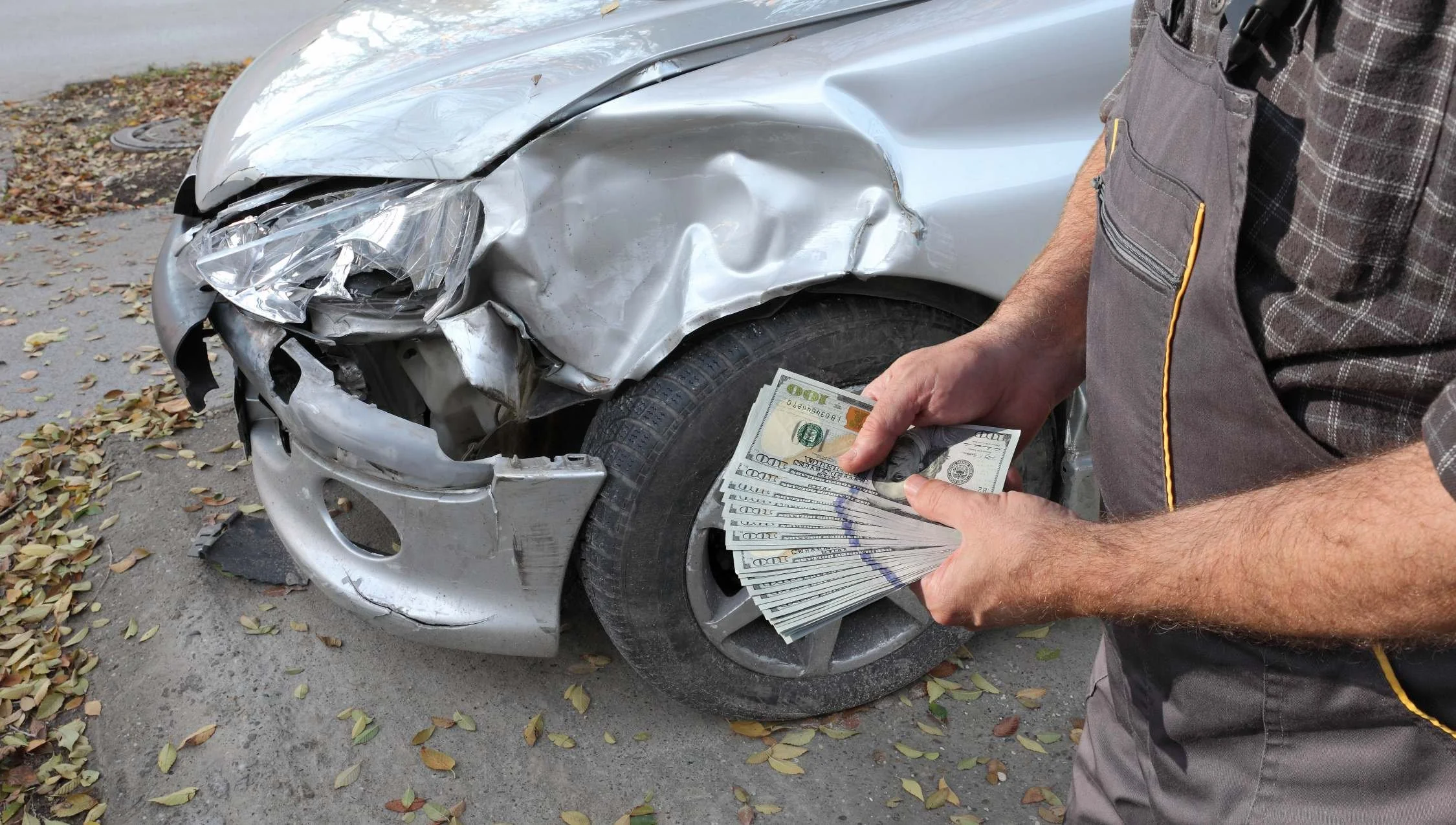
- Facilitate Immediate Payment: Payment should be rendered at the moment of pickup, either through cash or a secure digital transaction. Be wary of companies that ask to "process" the vehicle before sending payment later.
Comparison of Buyer Models
| Buyer Type | Typical Payout Range | Logistics | Reliability |
|---|---|---|---|
| National Scrap Brokers | Moderate | High (Efficient) | High |
| Local Auto Salvage Yards | High | Low (Pickup fee) | Variable |
| Private Part-Out Buyers | Very High | None (You move it) | Low |
| National Junk Car Chains | Competitive | High (Free) | Excellent |
National scrap brokers typically act as middlemen, connecting you with local haulers. While they are highly efficient, they take a commission. Local salvage yards may pay more per pound because they deal directly with the end consumer, but they may charge for towing. Assessing your specific goals—speed of sale versus total dollar amount—is vital.
Evaluating Vehicle Condition and Its Impact on Price
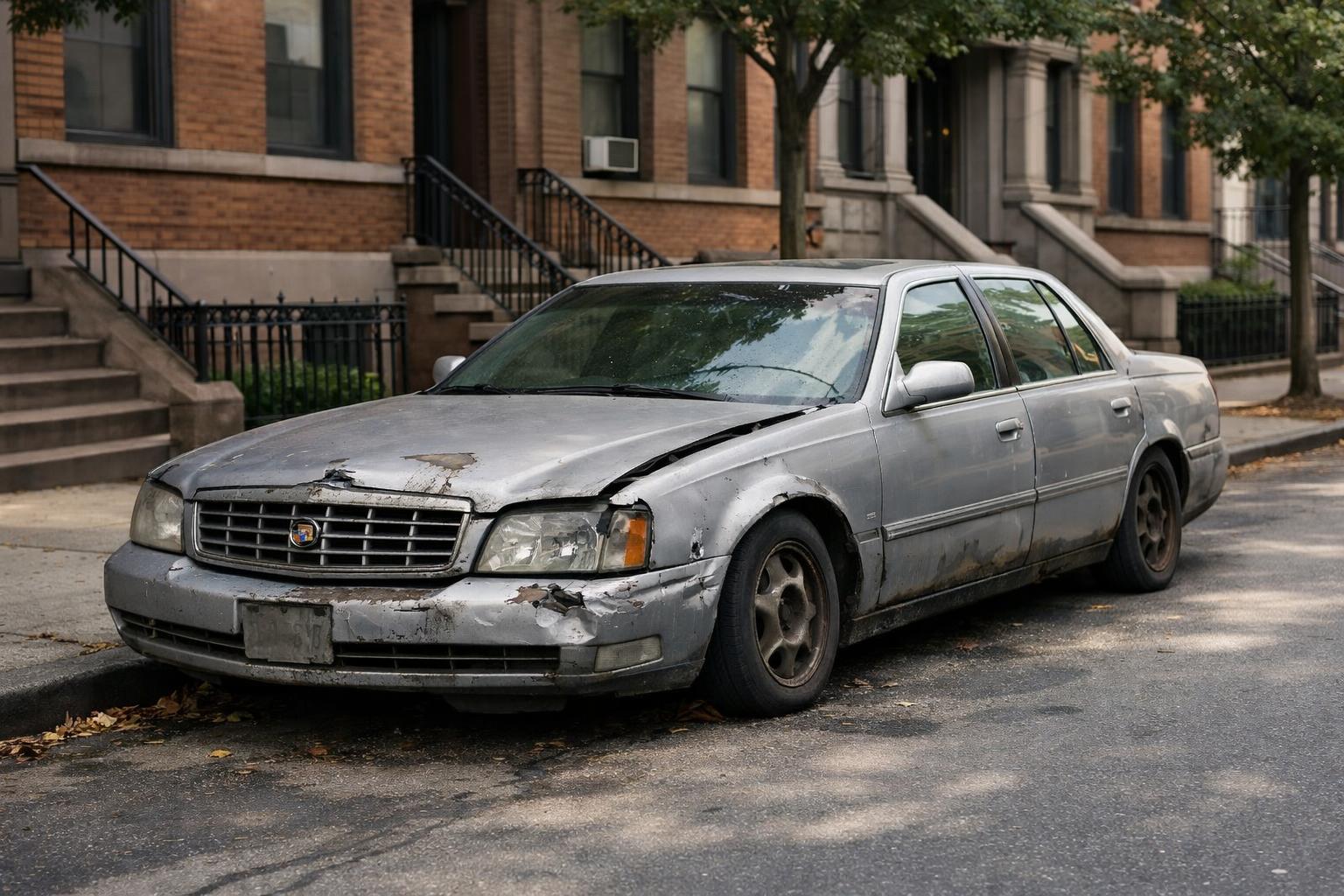
The physical state of your car acts as a multiplier or a deduction for the final offer. If your vehicle is "complete," meaning it contains the original engine, transmission, and catalytic converter, the value is significantly higher. The catalytic converter, in particular, contains precious metals such as platinum, palladium, and rhodium, which are highly valued in the 2026 recycling market.
If the vehicle has been stripped of its primary components, the value drops to the "base scrap" rate, which is purely calculated by weight. When speaking with a representative, be honest about missing parts. Providing false information leads to a recalibrated offer on-site, which wastes your time and can lead to disputes. Always verify if the buyer has a specific interest in your car’s make or model, as specific Japanese or American trucks from the 2000s may have higher demand for parts than domestic sedans.
Logistics and Safety Protocols
The process of removing a junk car is inherently industrial. When a representative arrives, ensure they are using a properly equipped tow truck. If the vehicle is in a garage or on a difficult incline, notify the company beforehand. Some tow operators may charge a premium for "winching" or special extraction services.
Safety is paramount during the final transfer. Do not feel pressured to accept a lower price at the last minute because the buyer is already on-site. If the buyer attempts to negotiate the price down after a prior agreement, you have the right to refuse the sale. A professional operator will have insurance for their own equipment and the liability to cover damage to your property during the pickup.
Common Mistakes to Avoid
- Ignoring the Catalytic Converter Value: If your car is relatively modern, the converter may be worth more than the rest of the car combined. Do not let a buyer lowball you if you know the converter is intact.
- Failing to Remove License Plates: This is the most common legal oversight. Failure to turn in or cancel plates can leave you liable for tickets or registration renewals issued to the car after you no longer own it.
- Not Researching Local Regulations: Some jurisdictions require a specific "bill of sale" form in addition to the title. Check your local DMV website before the tow truck arrives.
- Underestimating the Value: Always obtain at least three different quotes. The fluctuation in commodity pricing means that one recycler might have an excess of your specific vehicle's metal type, while another might be desperate for parts.
Frequently Asked Questions
What happens if I cannot find the title to my junk car? If you have lost your title, you must apply for a duplicate through your state’s DMV. While some buyers claim they can work around a missing title, this is often a violation of state law and can leave you legally responsible for the vehicle even after it has been towed. Always obtain a duplicate title to ensure the liability transfer is recorded properly.
How is the "top paid" value calculated for junk cars? The value is calculated based on the weight of the vehicle and the current market price for scrap steel. Most recyclers use a "per-ton" or "per-hundredweight" rate. They then subtract the cost of processing and transport to reach your final payout. The "top paid" services are those with lower overhead costs and direct access to smelting facilities.
Is it better to sell to a private individual or a junk yard? If the car is truly "junk"—non-operational and of no value to a driver—a junk yard is safer and faster. Selling to a private individual often involves more scrutiny, potential complaints later, and the hassle of showing the car to strangers. Junk yards deal in bulk and do not care about the aesthetic or mechanical state of the vehicle beyond its components.
Do I need to clean the car before the buyer picks it up? You do not need to wash it, but you should clear it of all trash and personal belongings. Removing non-metallic items like car seats, loose paper, and plastic accessories can actually increase the "clean" weight of the scrap, which may yield a slightly higher offer at some facilities.
Does the year of my car matter in 2026? Yes, but not in the way it does for a retail sale. For junk cars, newer vehicles often have more valuable electronic components and safety sensors that can be resold. Older vehicles are often more straightforward and "heavy," meaning they provide more weight-based value. Both extremes have their own market niches.
Final Recommendation
To achieve the highest payout for your junk car, start by collecting the vehicle's VIN, title status, and a list of major missing parts. Contact three reputable, local, or national scrap buyers to secure quotes. Prioritize the company that offers the highest guaranteed price with free, professional towing services included. Once you have a firm offer, schedule the pickup for a time when you are present to finalize the paperwork and receive payment. By treating the vehicle as a commodity and vetting the buyer’s credibility, you ensure the transaction is both profitable and legally secure.