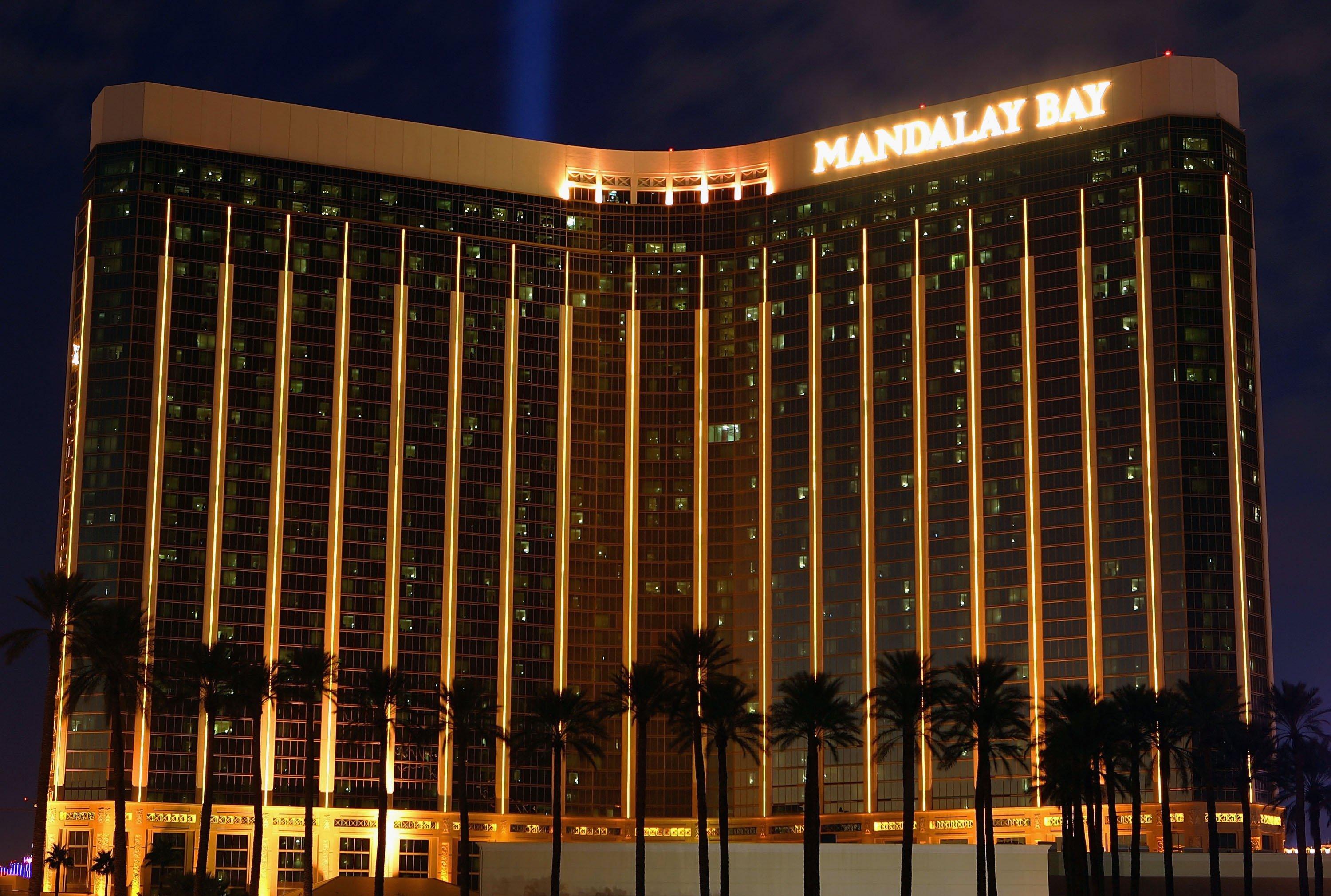
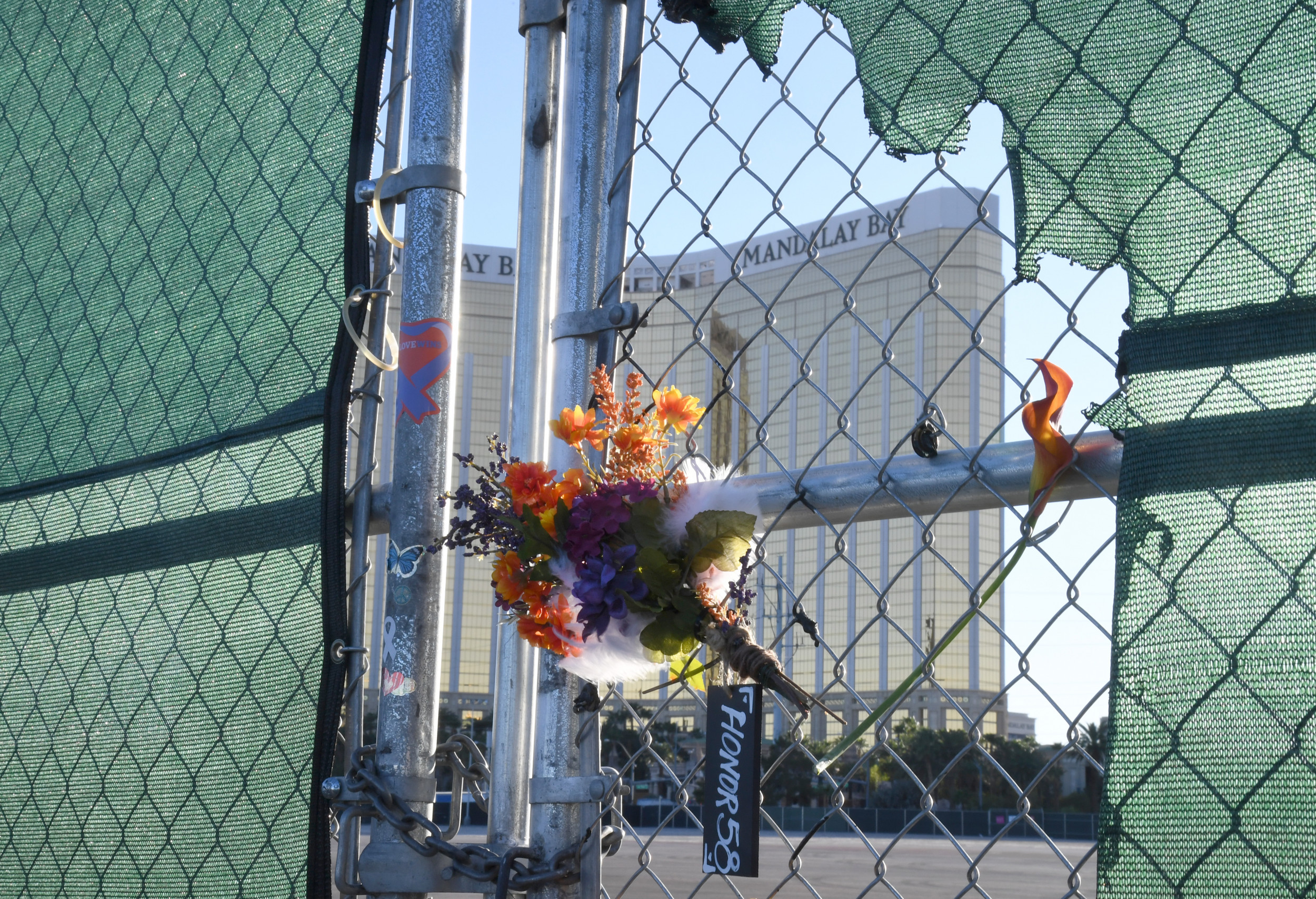
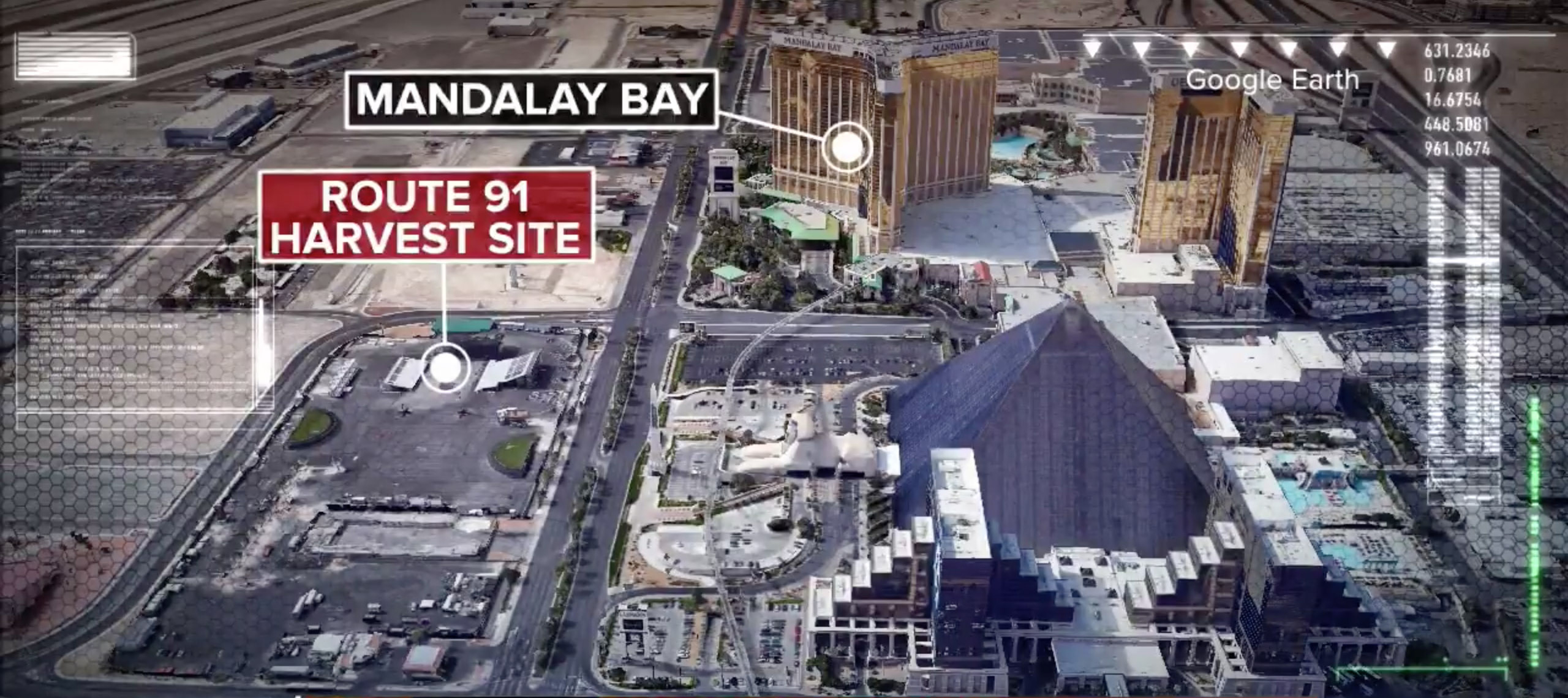
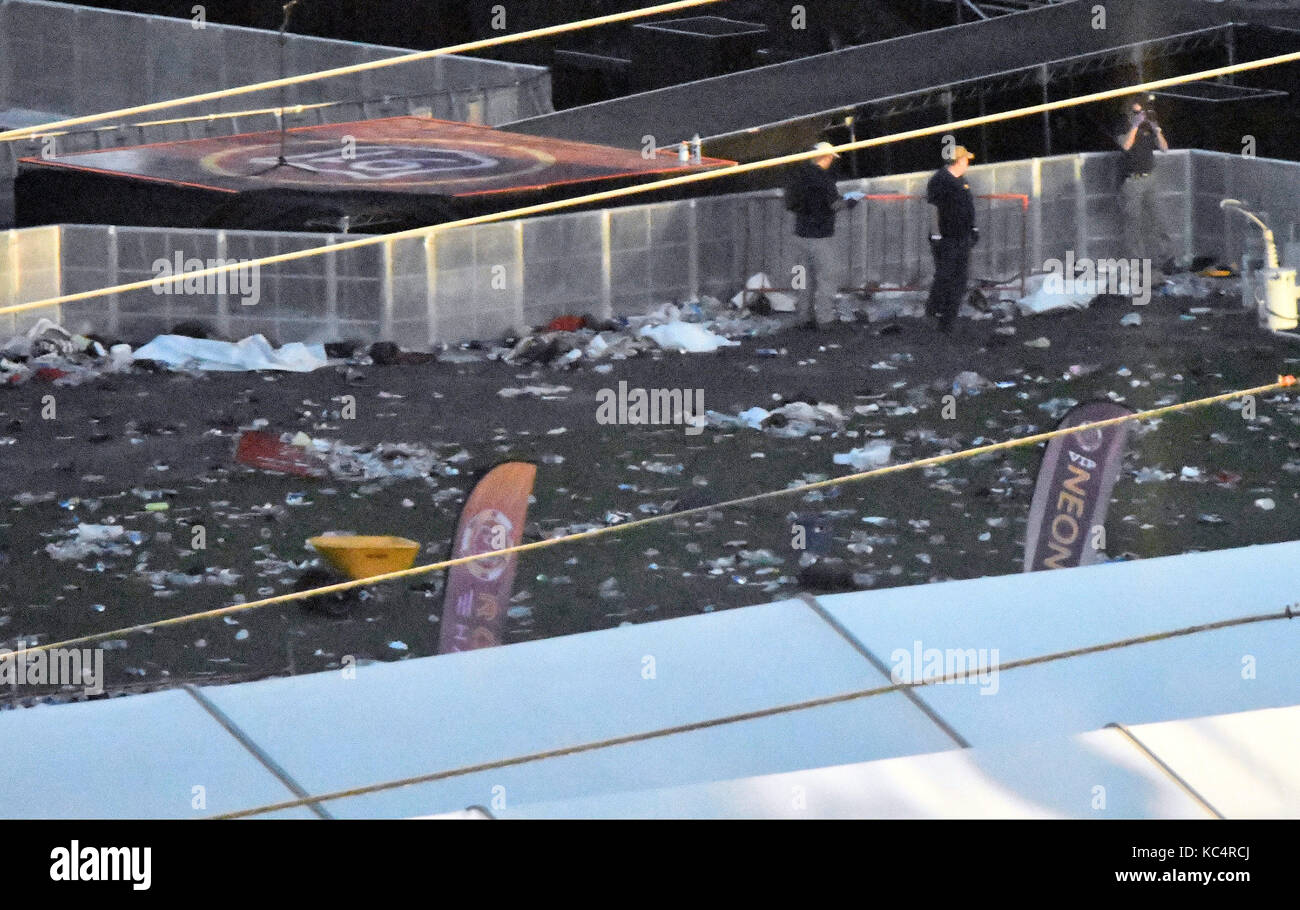
The 2017 Route 91 Harvest Festival shooting remains the deadliest mass shooting by a single perpetrator in United States history. Occurring on October 1, 2017, in Las Vegas, Nevada, the incident involved a gunman firing from the 32nd floor of the Mandalay Bay hotel into an outdoor crowd of approximately 22,000 concertgoers, resulting in 60 deaths and hundreds of injuries.
The Scope of the Route 91 Harvest Festival Incident
On the final night of the three-day Route 91 Harvest music festival, thousands of fans were gathered on a concert lot on the Las Vegas Strip. At approximately 10:05 p.m. local time, Stephen Paddock, a 64-year-old resident of Mesquite, Nevada, began firing automatic-fire capable weapons from two windows of his suite at the Mandalay Bay Resort and Casino. The shooting continued for approximately ten minutes, creating mass panic and confusion among the crowd, many of whom initially mistook the sound of gunfire for fireworks.
The event is categorized as a "lone wolf" shooting, a term used by federal investigators to describe an act of violence committed by an individual who acts independently, without the direct command or operational support of a terrorist organization. While the FBI and local law enforcement conducted an exhaustive investigation, a definitive motive for the shooter’s actions was never determined, making this incident a subject of significant scrutiny regarding public safety, hotel security protocols, and mental health policy.
Tactical Overview of the Shooting
The perpetrator utilized a high-altitude vantage point, which offered a clear line of sight over the open-air venue. Reports from the Metropolitan Police Department indicated that the shooter had modified his firearms using "bump stocks," devices that allow semi-automatic rifles to fire at a rate similar to fully automatic weapons. These devices were legal in the United States at the time of the shooting, though their use in this context led to significant subsequent legislative changes.
The logistics of the attack involved:
- Planning: The shooter checked into the hotel days in advance, strategically selecting a room that overlooked the venue.
- Preparation: Security footage confirmed that the shooter transported a significant cache of weapons and ammunition into his suite over several days, utilizing hotel luggage carts.
- Execution: The firing pattern was sporadic and intense, designed to maximize casualties within the dense crowd.
- Conclusion: When law enforcement breached the hotel suite door at 11:20 p.m., they found the perpetrator had died by suicide.
Impact on Emergency Response and Public Safety
The magnitude of the Route 91 Harvest tragedy necessitated an unprecedented mobilization of emergency services. Because the shooting occurred in a high-density tourist area, local hospitals, fire departments, and police units were overwhelmed within minutes. The event highlighted critical gaps in communication and the challenge of managing mass-casualty incidents in environments where thousands of people are concentrated in a single location.
Following the event, law enforcement agencies across the country updated their active shooter protocols. Training now places a higher emphasis on "rapid deployment," meaning officers are trained to bypass wounded individuals and potential bystanders to immediately engage the threat, rather than waiting for SWAT teams or specialized units.
Comparative Timeline of Major Public Safety Protocols
The following table summarizes the shift in emergency management and venue security considerations following the 2017 incident.
| Feature | Pre-2017 Standards | Post-2017/2026 Standards |
|---|---|---|
| Hotel Security | Limited monitoring of floor access | Enhanced video analytics and behavioral screening |
| Firearm Legislation | Bump stocks legally sold and possessed | Federal ban on bump stocks (established 2018) |
| Police Response | Contain and await tactical backup | Immediate entry and neutralization protocols |
| Crowd Management | Basic perimeter checks | Advanced metal detection and bag screening |
| Public Notification | Rely on sirens and onsite security | Integrated mobile alert systems for large venues |
Legal and Legislative Consequences
The aftermath of the shooting prompted extensive litigation and legislative debate. Victims and their families sought accountability from the hotel operator, MGM Resorts International, leading to a massive, multi-district litigation process. In 2020, a settlement of up to $800 million was reached to compensate the victims and their families. This settlement was one of the largest in American history for a personal injury or wrongful death case, underscoring the legal complexity of corporate liability in mass violence events.
Legislatively, the most significant change occurred at the federal level. In December 2018, the U.S. Department of Justice finalized a rule declaring that bump-stock-type devices were classified as machine guns under the National Firearms Act. This made the possession, sale, or manufacture of these devices illegal, essentially closing a loophole that existed at the time of the Las Vegas shooting.
Addressing Psychological and Community Trauma
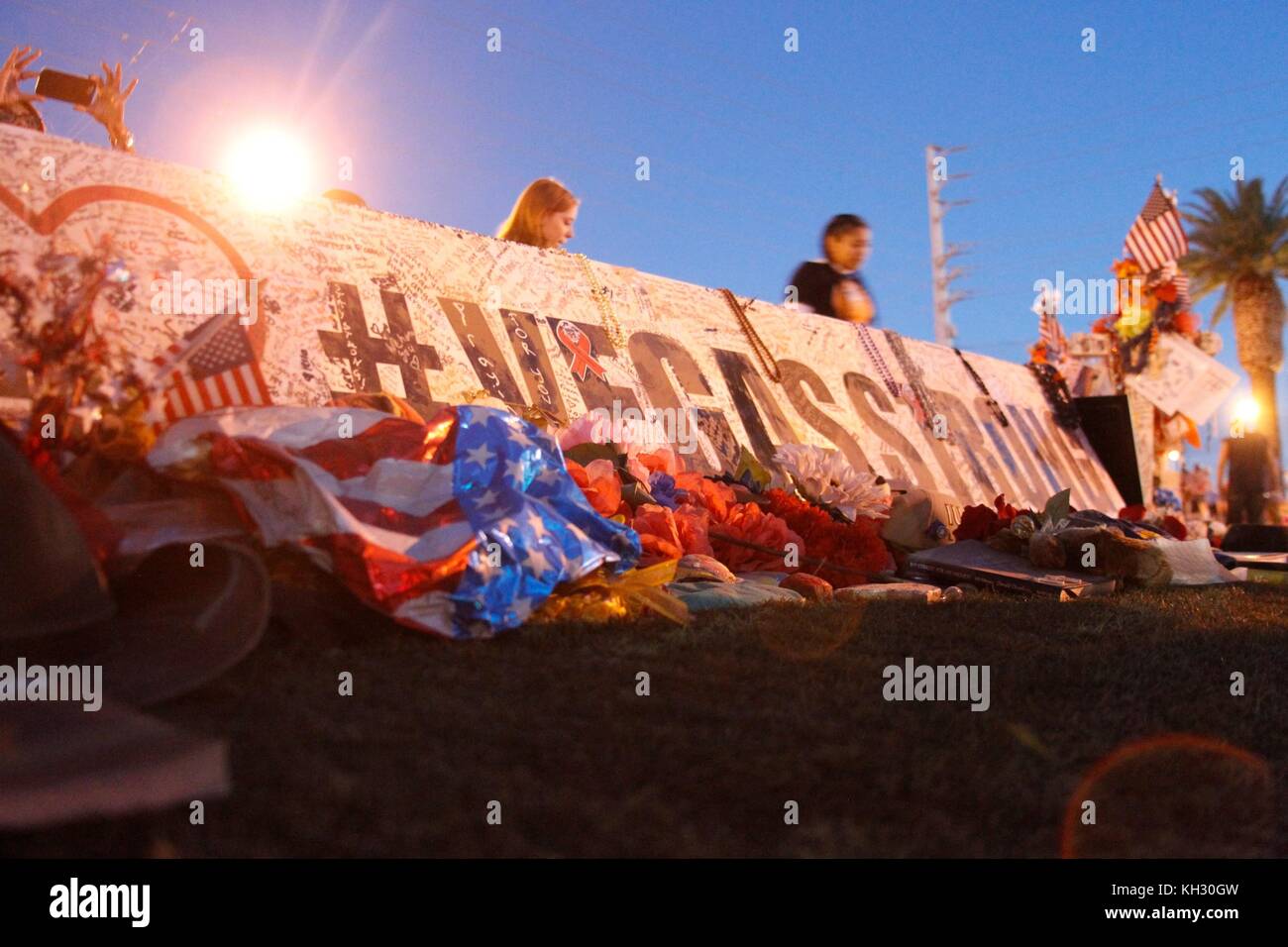
The psychological impact of the Route 91 Harvest Festival tragedy extended far beyond the immediate physical victims. Attendees, first responders, and the broader Las Vegas community faced long-term mental health challenges. Trauma-informed care became a primary focus for local health organizations, with the establishment of the Vegas Strong Resiliency Center. This center was created to provide counseling, case management, and financial assistance to those impacted by the incident, serving as a model for how cities can support victims of large-scale traumatic events in the years that follow.
Frequently Asked Questions
What was the motive of the perpetrator in the 2017 shooting? Despite an extensive investigation by the FBI that spanned over a year, no clear motive was identified. The perpetrator left no manifesto, video, or note explaining his actions, and his psychological profile did not provide a definitive trigger for the violence.
Were bump stocks banned because of this event? Yes. Following the widespread use of bump stocks during the Route 91 Harvest festival shooting, the U.S. Department of Justice issued a final rule in 2018 prohibiting the use of these devices. They are currently classified as illegal under federal law.
What precautions are now standard for outdoor festivals? Modern outdoor events utilize heightened security measures, including drone surveillance, advanced metal detection technology, and more stringent perimeter control. Security teams are now trained to look for behavioral anomalies rather than just prohibited items, and coordination with local law enforcement is standard for any event of this size.
How many victims were there in total? The shooting resulted in 60 deaths and more than 800 injuries. Some of the injuries were the direct result of gunfire, while many others occurred due to the stampede and panic that ensued when the crowd attempted to flee the venue.
Is there a memorial for the victims? Yes, there is an ongoing effort to preserve the legacy of those lost. The community has established various permanent and temporary memorials, including the "1 October Memorial," which is managed by a committee appointed by the Clark County Board of Commissioners to ensure a permanent place of remembrance for the victims and survivors.
Moving Forward: Safety in Public Spaces
The Route 91 Harvest Festival shooting serves as a permanent reference point for public safety and security policy in 2026. For those planning or attending large events, the focus has shifted toward proactive awareness. If you are attending a large gathering, it is always recommended to identify the nearest emergency exit, stay aware of your surroundings, and report any suspicious behavior or unattended packages to event security or local authorities immediately. While the world has become more security-conscious, the goal remains to preserve the freedom of public assembly while minimizing the risk of such tragedies.