Taylor Swift’s "All Too Well (10 Minute Version) (Taylor’s Version) (From the Vault)" stands as a monumental achievement in modern pop culture, transforming a fan-favorite deep cut from 2012 into a sprawling, ten-minute lyrical epic that dominated global charts upon its release in November 2021.
Introduction to the 10-Minute Phenomenon
When Taylor Swift released her fourth studio album, Red, in October 2012, the track "All Too Well" immediately captured the attention of critics and listeners alike. Widely regarded as the emotional core and lyrical peak of the standard album, the original five-minute track left fans speculating about the existence of an unedited, longer draft. For nearly a decade, the "ten-minute version" functioned as an urban legend within the global fandom—a mythical artifact locked away in an artistic vault.
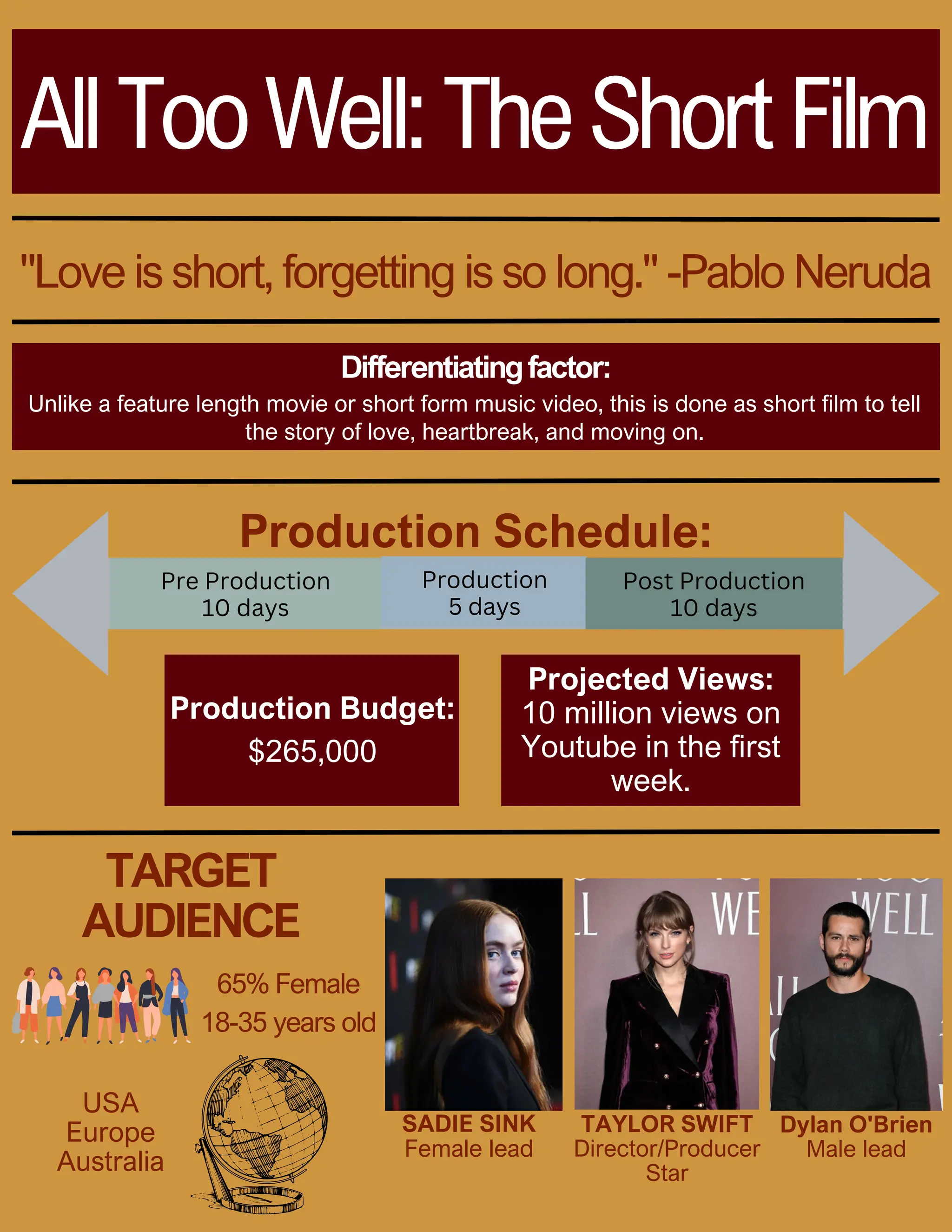
That speculation ended with the release of Red (Taylor’s Version) in November 2021, which finally delivered the complete, unedited recording. Far more than a mere elongation of a familiar song, this extended piece functions as a masterclass in narrative songwriting, detailing the rapid ascension and devastating emotional fallout of a high-profile romantic relationship. It expanded cultural vocabulary, inspired a short film starring Sadie Sink and Dylan O'Brien, and debuted at number one on the Billboard Hot 100, breaking the Guinness World Record for the longest song ever to top the chart.
This overview explores the structural composition, historical context, lyrical evolution, and enduring cultural impact of the ten-minute composition, examining why a decade-old heartbreak continues to resonate with millions worldwide.
Historical Context and the Road to Red (Taylor’s Version)
To understand the weight of the ten-minute track, it is necessary to examine the turbulent journey of its creation and eventual retrieval. In 2012, while writing material for her fourth album, Swift collaborated closely with co-writer Liz Rose to distill a massive, free-flowing stream of consciousness into a radio-friendly length.
The 2012 Writing Room Origins
During the original Red recording sessions, Swift experienced an intense period of emotional processing. Working in a rehearsal room with Rose before a concert, Swift began playing an improvised chord progression on the acoustic guitar and vocalizing about a past relationship. The resulting jam session lasted roughly ten minutes, pouring out raw, unedited memories, specific imagery, and unfiltered grief.
Recognizing that a ten-minute track was commercially unviable for standard radio play and traditional album sequencing in 2012, Swift and her team cut the song down to approximately five minutes and twenty-four seconds. The excised verses, bridges, and conversational interludes remained a secret known only to close collaborators and the singer herself, until the movement to re-record her catalog provided an organic opportunity to release "From the Vault" tracks.
The Re-Recording Movement
Following the acquisition of her original master recordings by private equity interests, Swift embarked on a multi-year project to re-record her first six studio albums. This campaign allowed her to reclaim ownership of her intellectual property while offering fans previously unheard treasures from the era in which the albums were originally conceived. Red (Taylor’s Version) served as the flagship release for this strategy, heavily anchored by the promise of the legendary ten-minute track that fans had campaigned for since 2012.
Lyrical Composition and Narrative Arc
The primary distinction between the standard five-minute version and its ten-minute counterpart lies in the depth of storytelling. The extended track introduces entirely new verses, sharp observational details, and a conversational outro that reframes the entire dynamic of the song.
| Song Version | Key Structural & Lyrical Differences |
|---|---|
| Standard 5-Minute Version | Focused on core emotional beats, scarf motif, and memory. |
| 10-Minute Version | Adds new verses, sharp social commentary, and dialogue. |
Key Lyrical Expansions
The ten-minute track retains the iconic imagery of the original—the autumn leaves falling like pieces into place, the refrigerator light, and the sacred scarf left at a sister's house. However, it builds upon these motifs with devastating clarity:
- The Age Gap and Power Dynamics: The extended verses lean heavily into the emotional disparity caused by an age gap between the lovers, notably highlighting lines about turning twenty-one while her partner was aging into his thirties, noting how "the independent film resistance was to give up."
- The Birthday Party Scene: One of the most vivid additions details a birthday party where the narrator is ignored, left sitting in a corner while older, sophisticated friends make her feel acutely small and out of place.
- The Father's Perspective: A poignant new lyric references calling home to a father who could tell something was wrong, adding a layer of familial concern that grounds the emotional turmoil in real-world stakes.
The Bridge and Outro Evolution
While the original bridge ("And you call me up again just to break me like a promise") remains intact, the ten-minute version features a vastly expanded outro. Instead of fading out on a melancholic note, the song resolves with a spoken-word style dialogue and repetitive refrains that mimic the cyclical nature of obsessive rumination. It captures the psychological process of moving from acute devastation to retrospective clarity.
Musical Arrangement and Production
Produced by Taylor Swift alongside frequent collaborator Jack Antonoff, the sonic landscape of the ten-minute version avoids modern trap beats or heavy electronic manipulation, opting instead for a lush, organic indie-pop and heartland rock soundscape that honors the original 2012 aesthetic while sounding polished and contemporary.
Instrumentation
The track relies heavily on acoustic guitars, a driving rhythm section, swelling strings, and subtle synthesizers. The production breathes, allowing the sprawling lyrics to take center stage without being crowded out by heavy percussion. As the song progresses through its ten-minute runtime, the instrumentation builds steadily, mirroring the rising tension of the relationship it describes.
Vocal Delivery
Swift’s vocal performance showcases the maturity of an artist revisiting her past from a distance of nearly ten years. Her voice carries a sense of reflective wisdom rather than fresh, bleeding-edge agony. This retrospective lens transforms the song from a desperate lament into a piece of historical performance art, where the adult singer looks back with empathy at her younger, bewildered self.
Cultural Impact and Reception
Upon its release on November 12, 2021, the track instantly saturated media discourse, trending globally across platforms like Twitter, TikTok, and YouTube. Critics lauded its ambitious structure, questioning conventional industry wisdom that pop and rock songs must remain under four minutes to retain audience attention.
The Short Film Adaptation
To accompany the release, Swift wrote and directed a short film starring Sadie Sink and Dylan O'Brien. The visual narrative visually reinforced the themes of the song, emphasizing the vulnerability of youth colliding with emotional manipulation. The film premiered to a theatrical audience and quickly amassed tens of millions of views online, earning widespread critical praise for its cinematic framing and emotional resonance.
Breaking Records
The track achieved historic commercial success by debuting at number one on the US Billboard Hot 100 chart. In doing so, it surpassed Don McLean's "American Pie" (which clocked in at eight minutes and forty-two seconds) as the longest song in history to reach the summit of the chart, proving that deeply detailed, long-form storytelling could still capture the modern commercial zeitgeist.
Frequently Asked Questions
Why did Taylor Swift wait nine years to release the 10-minute version?
The original recording session yielded a massive track that was edited down in 2012 for commercial viability, radio standards, and traditional album pacing. Swift kept the original lyrics in her personal archive until the opportunity arose to release vault tracks during her re-recording project.
Is the 10-minute version a completely new song?
No. It contains the entirety of the original five-minute track embedded within it, but adds several new verses, expanded bridges, and a lengthy, conversational outro that details previously unshared memories and reflections.
Did the 10-minute version win any major awards?
While the Red (Taylor’s Version) album and its accompanying short film received numerous accolades and nominations, the song itself became a cultural and streaming juggernaut, shattering records for song length on commercial music charts.
How does the 10-minute version change the meaning of the original song?
The added lyrics provide crucial context regarding the power dynamics, age gap, and social isolation experienced during the relationship, transforming the song from a simple breakup ballad into a comprehensive study of emotional exploitation and retrospective healing.
Final Recommendation
For listeners seeking to fully appreciate the lyrical craftsmanship of Taylor Swift, examining the ten-minute composition alongside its 2012 predecessor offers a fascinating study in artistic evolution. To experience the work fully, listen to the audio while following along with the lyric sheet, and subsequently view the self-directed short film to observe how the narrative translates from acoustic storytelling into visual cinema.