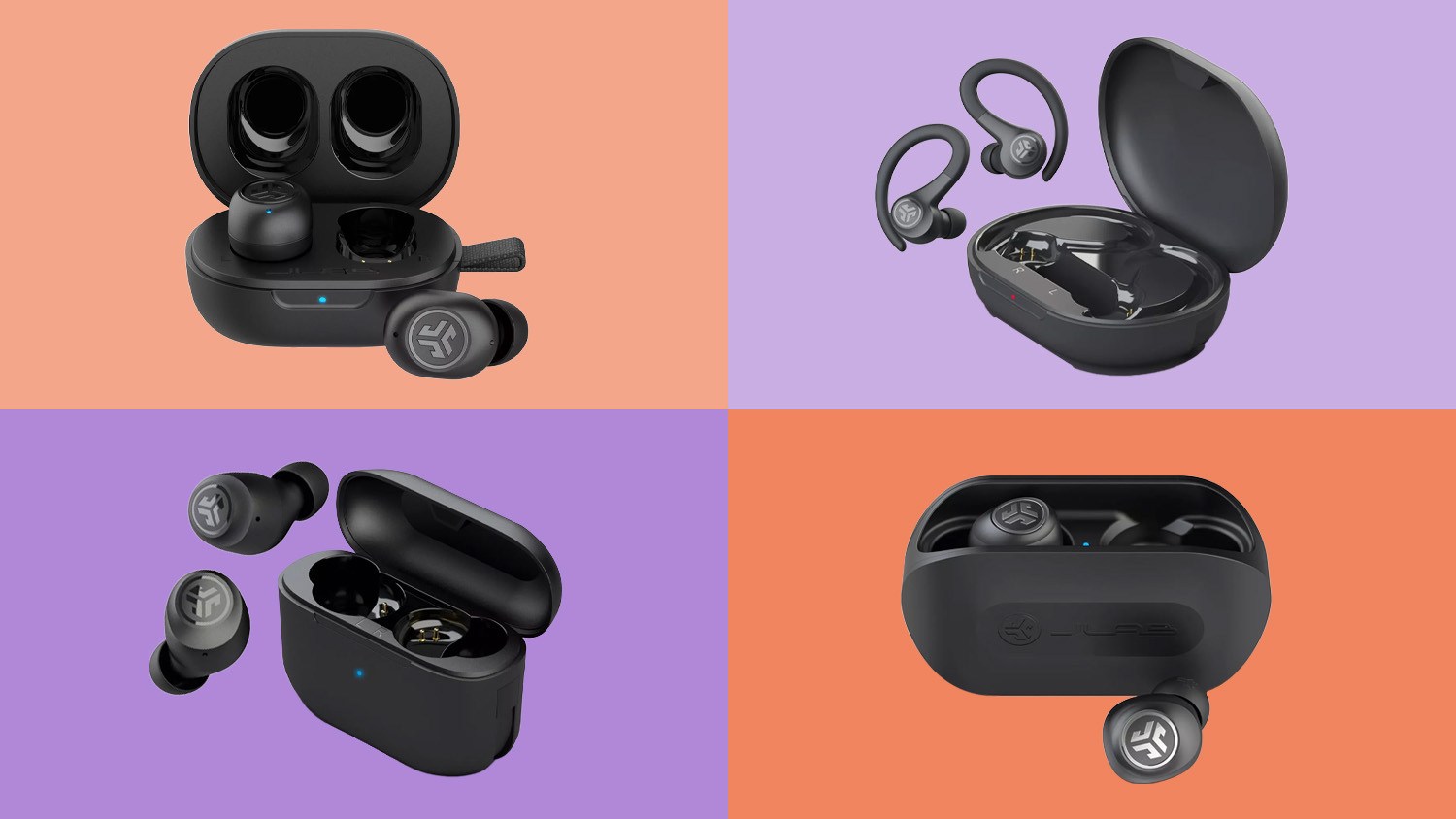
The JLab JBuds Air Icon occupy a unique space in the audio market, offering a balance of battery life, durability, and customization at a price point accessible to most consumers. While they do not feature the advanced active noise cancellation (ANC) found in premium models, their reliable connectivity, IP55 sweat resistance, and sound profile make them a strong contender for those prioritizing utility and value over high-end features.
Understanding the Market Context for Budget Audio
In 2026, the market for "budget" wireless earbuds is saturated with countless options ranging from generic white-label imports to established audio brands. Defining what makes an earbud the "best" in this category requires shifting the focus away from studio-grade transparency or advanced haptic controls. Instead, the criteria must prioritize functional longevity, connection stability, and the ability to withstand daily wear and tear.
The JBuds Air Icon were designed as an iterative upgrade to the original JBuds Air. They targeted a specific user: the active individual, the commuter, or the student who needs a reliable pair of earbuds that can survive a gym session or a rainy walk to class without the anxiety of damaging a $300 investment. When evaluating if they are the "best," one must weigh these specific engineering choices against the rapid pace of audio technology evolution.
Design and Ergonomics: The Foundation of Daily Use
The physical design of the JBuds Air Icon remains one of their most significant selling points. Many budget competitors prioritize aesthetic minimalism at the cost of stability. JLab opted for a more utilitarian, slightly bulky housing that utilizes their proprietary "Cush Fin" technology. These fins provide a secondary point of contact within the ear, ensuring that the buds remain seated during vigorous movement.
The charging case, while functional, reflects the era of its release. It lacks the wireless charging capabilities that have become standard in many 2026 mid-range devices. However, the integrated USB cable—a signature JLab feature—solves a major pain point: forgetting or losing a proprietary charging cable. This design choice highlights the brand's focus on user convenience rather than chasing modern trend-based specifications.
Sound Quality and EQ Customization
The most defining feature of the JBuds Air Icon is the built-in EQ3 Sound settings. Without the need for a secondary application, users can cycle through three distinct profiles—JLab Signature, Balanced, and Bass Boost—directly via touch controls on the earbuds.
The EQ3 Profiles Explained
- JLab Signature: This is the default setting, featuring boosted bass and vocal clarity. It is engineered to perform well with modern pop, hip-hop, and electronic music.
- Balanced: This profile flattens the frequency response, making it suitable for podcasts, audiobooks, and acoustic recordings where vocal midrange accuracy is more important than rhythmic punch.
- Bass Boost: As the name suggests, this profile prioritizes low-end frequencies. While it can occasionally muddy the mids, it is often preferred by listeners who prioritize high-energy workout music.
While the hardware drivers are not capable of the resolution found in high-fidelity monitor earphones, the ability to manipulate the sound signature on the fly provides a versatility that many competitors at this price point lack.
Connectivity and Reliability
The JBuds Air Icon utilize Bluetooth 5.0. By 2026 standards, this is considered a legacy version compared to the energy-efficient Bluetooth 5.3 or 5.4 found in newer releases. Despite this, the connection stability remains surprisingly high. The "Dual Connect" feature allows either earbud to act as the primary, enabling the user to listen with a single earbud while the other charges in the case—a critical feature for professionals taking calls or commuters trying to remain aware of their surroundings.
The latency—or the delay between audio and video—is a common concern for budget wireless devices. For casual YouTube watching or standard phone calls, the JBuds Air Icon are sufficient. However, competitive mobile gamers or professional video editors may find the latency noticeable compared to dedicated low-latency wireless protocols.
Durability and Environmental Protection
One of the main reasons the JBuds Air Icon are frequently cited in budget discussions is their IP55 rating. The "5" in the first position indicates significant protection against dust ingress, and the "5" in the second position confirms they are protected against water jets. In practice, this means they are sweat-proof and rain-resistant.
For many users, this durability is more valuable than audio fidelity. A high-end earbud that fails after three months of gym usage is functionally inferior to a budget earbud that lasts for two years. The build quality of the JBuds Air Icon favors internal component protection, which is a calculated trade-off against their slightly larger physical footprint.
Comparative Value Analysis
To determine if these are the "best," we must look at how they compare to the landscape of budget audio options currently available.
| Feature | JBuds Air Icon | Generic Budget Buds | Premium ANC Buds |
|---|---|---|---|
| EQ Control | Built-in (3 modes) | None | App-based |
| IP Rating | IP55 (Sweat/Dust) | IPX4 or None | IPX4-IPX7 |
| Battery Life | 6h + 18h case | 3h - 5h | 5h - 8h |
| Charging | USB-A (Integrated) | USB-C | USB-C/Wireless |
| Price Point | Low-Budget | Ultra-Cheap | Mid-to-High |
As shown in the table, the JBuds Air Icon bridge the gap between "throwaway" electronics and professional-grade hardware. They offer features that were once gated behind premium price tags, such as individual earbud connectivity and environmental sealing.
Potential Limitations and Challenges
While the JBuds Air Icon are highly capable, they are not without limitations. Prospective buyers should be aware of the following:
- Passive Noise Isolation Only: They do not have Active Noise Cancellation (ANC). While the fit of the silicone tips provides decent passive isolation, they will not silence a jet engine or a noisy office in the same way modern ANC earbuds do.
- Microphone Quality: The microphone array is serviceable for phone calls in quiet to moderately noisy environments, but it can struggle with wind noise or heavy background traffic. They are not recommended as a primary tool for professional conference calls.
- Touch Sensitivity: Some users find the touch controls to be overly sensitive or difficult to trigger consistently, as they require a specific cadence of taps to navigate between the EQ settings and volume.
Troubleshooting Common Issues
For existing users or those considering a purchase, knowing how to handle common glitches is vital for maximizing the lifespan of the device.
- Pairing Failures: If one earbud loses connection to the other, a manual reset is required. This involves "forgetting" the device in the phone's Bluetooth settings, clicking the button on one earbud seven times, and repeating the process for the second. This re-syncs the master-slave relationship between the buds.
- Charge Connectivity: If the buds do not charge in the case, the metal contact points on the bottom of the earbuds or inside the case may have accumulated sweat or debris. Clean these contacts with a soft, dry cotton swab. Do not use liquids.
- Volume Imbalance: If one side sounds quieter, check the sound balance settings on your playback device (phone/laptop). If the settings are centered, the mesh guard on the earbud might be obstructed by earwax, which can be cleaned carefully with a small, soft-bristled brush.
Are They the Right Choice for You?
The determination of whether the JBuds Air Icon are the "best" depends entirely on your use case.
If you are a student, an athlete, or someone who frequently loses or damages their electronics, the JBuds Air Icon are an excellent, high-value investment. They provide a "set it and forget it" audio experience with enough durability to handle the stresses of daily life. They succeed by focusing on reliability and the core requirement of music playback, rather than overloading the device with features that might become obsolete or prone to failure.
Conversely, if you are an audiophile looking for high-resolution sound, or a professional requiring industry-leading ANC and multi-point connectivity for work, these will likely feel underwhelming. They are the best budget earbuds for someone who values utility, durability, and ease of use over technical specifications and luxury aesthetics.
Frequently Asked Questions
Can I connect these earbuds to two devices at once?
No, the JBuds Air Icon do not support multi-point connectivity. You will need to disconnect from one device in its Bluetooth settings before connecting to another.
Are these earbuds suitable for running in the rain?
Yes, the IP55 rating means they are resistant to water jets and sweat. While they are not fully waterproof (IPX7 or higher), they can withstand exposure to rain and heavy perspiration without issue.
Do I need to download an app to use the EQ settings?
No. One of the primary advantages of the JBuds Air Icon is that the EQ3 Sound profiles are controlled via the physical touch sensors on the earbuds themselves, requiring no smartphone application.
How long does the battery actually last compared to the claims?
While JLab advertises approximately 6 hours of playback per charge, this is heavily dependent on volume levels. At 50-60% volume, you can expect to hit that mark. If you consistently listen at maximum volume, battery life will decrease to approximately 4 to 4.5 hours.
Are these earbuds compatible with voice assistants?
Yes, they support standard voice assistant integration. By tapping the touch sensor on the appropriate earbud (usually a double-tap, depending on the current settings), you can summon your smartphone’s native assistant, such as Siri or Google Assistant.
Final Recommendation
If you are currently searching for a pair of budget-friendly, reliable, and durable earbuds for daily exercise or commuting, the JBuds Air Icon remain a benchmark for the category. While they lack the bells and whistles of the latest 2026 releases, their proven longevity and user-friendly EQ options make them a sound purchase. To get the most out of them, ensure you choose the correct tip size—the fit is the most important factor in achieving the bass response the drivers are capable of producing.