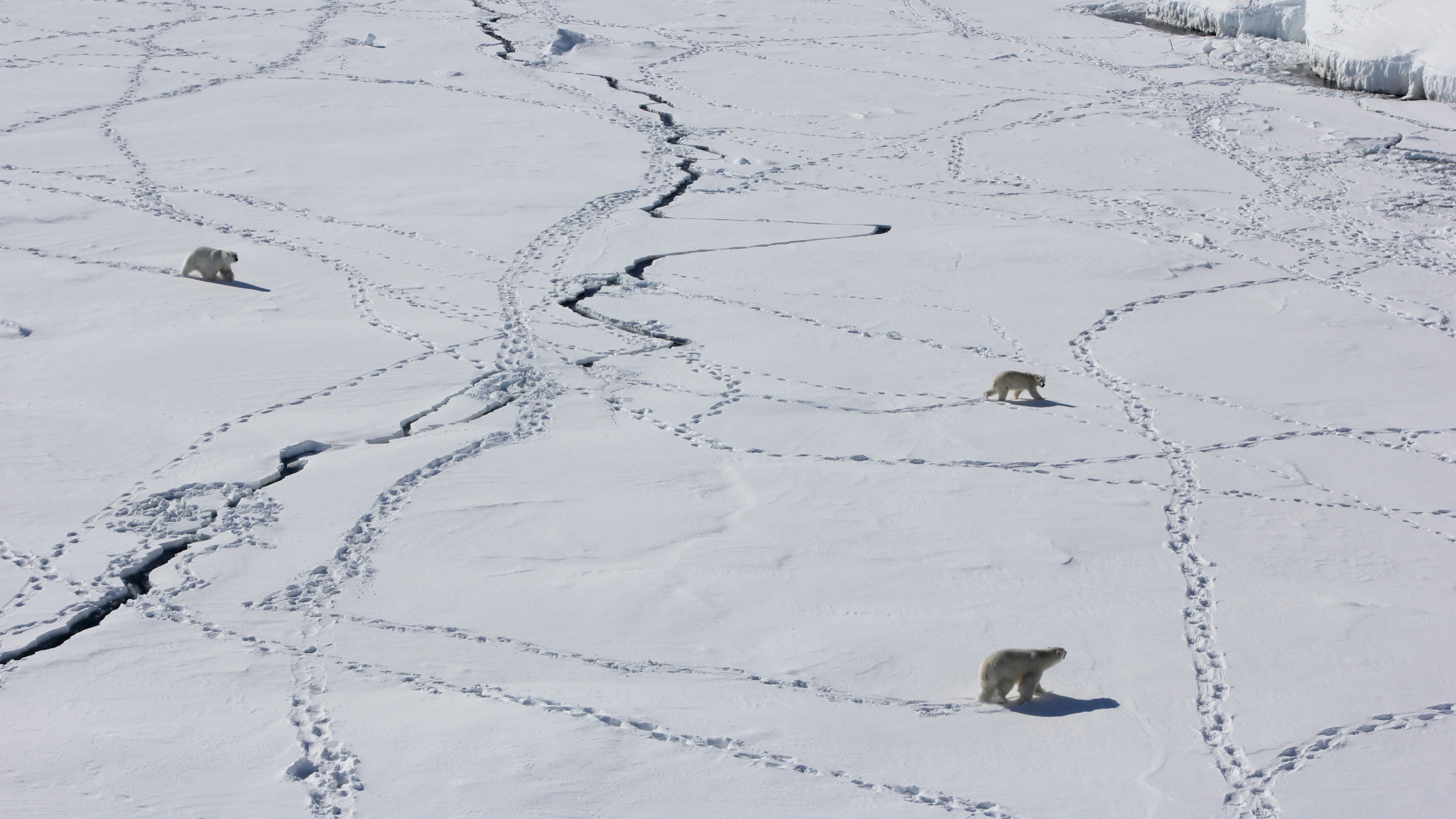
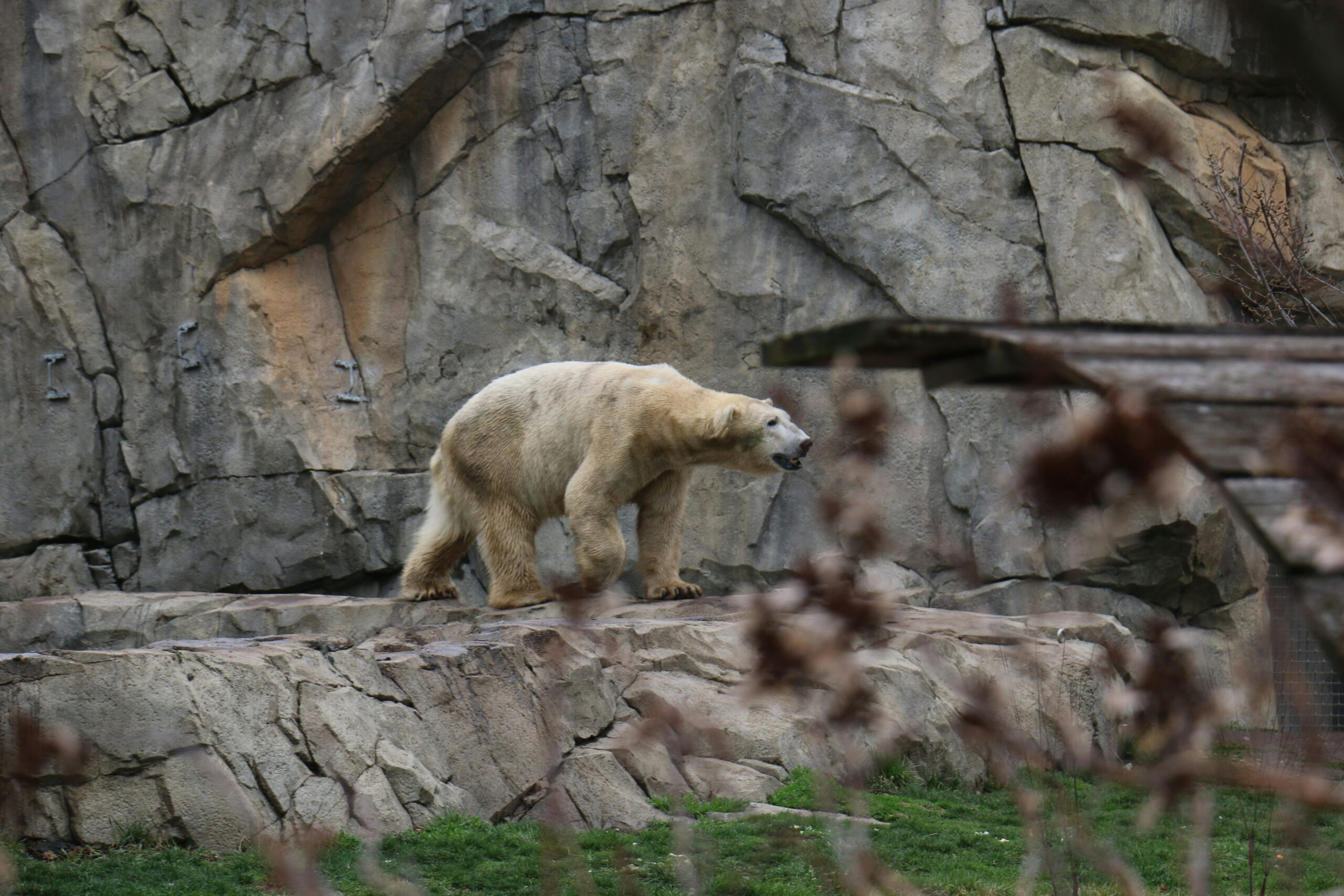
The polar bears at Utah’s Hogle Zoo are officially designated as Arctic Ambassadors through a long-standing partnership with Polar Bears International (PBI). They serve as tangible links for the public to understand the impact of melting sea ice and provide a platform for educational programs focused on carbon reduction and habitat preservation.
For decades, the presence of polar bears in Salt Lake City has sparked a complex dialogue: how can an animal native to the frozen Arctic thrive in the high-desert climate of Utah, and what is the ultimate purpose of their residency? As of 2026, Utah’s Hogle Zoo remains a critical node in a global network of "Arctic Ambassador Centers," using its "Rocky Shores" exhibit to bridge the gap between suburban life and the rapidly changing polar ecosystem.
The Role of an Arctic Ambassador Center
To understand if Hogle Zoo’s polar bears are climate change ambassadors, one must first understand the framework of the Arctic Ambassador Center (AAC) program. Managed by Polar Bears International, this network includes over 40 zoos, aquariums, and museums worldwide. These institutions are not merely exhibitors of wildlife; they are active participants in a specific conservation strategy.
An AAC is required to meet rigorous standards for education, research, and CO2 reduction. At Hogle Zoo, the polar bears serve as the "hook" to engage an audience that might otherwise feel disconnected from the Arctic. The "ambassador" label implies that these individual animals represent their wild counterparts, acting as a visual and emotional catalyst for human behavioral change.
Criteria for Ambassador Status
For a facility like Hogle Zoo to maintain its status in 2026, it must fulfill several key roles:
- Public Education: Developing curricula that explain the direct link between fossil fuel combustion, greenhouse gas emissions, and the loss of sea ice.
- Scientific Contribution: Providing a controlled environment for researchers to study polar bear physiology, which is often impossible to do with the same precision in the wild.
- Lead by Example: Implementing green practices within the zoo itself, such as solar energy, water recycling, and waste reduction.
The "Rocky Shores" Exhibit: A Platform for Advocacy
The primary tool for the Hogle Zoo’s ambassador program is the Rocky Shores exhibit. Opened in 2012, this multi-million dollar facility was designed specifically to accommodate the complex needs of polar bears while facilitating a deep educational experience for visitors.
The exhibit features a massive 165,000-gallon pool, underwater viewing areas, and varied terrain that includes naturalistic rockwork and soft digging areas. By allowing visitors to stand inches away from a 1,000-pound predator—separated only by thick acrylic—the zoo creates an "awe factor." Conservation psychologists argue that this emotional connection is a prerequisite for environmental advocacy.
In 2026, the messaging within Rocky Shores has evolved from general "save the bears" slogans to specific, actionable climate policy discussions. Displays explain the "Albedo Effect" (how ice reflects sunlight) and how the thinning of the Arctic ice pack reduces the bears' hunting season for seals, leading to lower cub survival rates.
Individual Stories: From Nikita and Hope to the Current Era
The identity of Hogle Zoo’s ambassadors has shifted over the years. For a significant period, Nikita, a male bear known for his playful personality, and Hope, a female bear, were the faces of the program. Nikita eventually moved to the North Carolina Zoo in 2021 as part of the Association of Zoos and Aquariums (AZA) Species Survival Plan (SSP), highlighting that these ambassadors are part of a larger, nomadic population managed for genetic diversity.
In 2026, the zoo continues to host bears managed under the SSP. Whether a bear is a permanent resident or a temporary guest, their role remains the same: to illustrate the "face" of climate change. The movement of bears between institutions is itself a teaching point, demonstrating the collaborative effort required to save a species that spans international borders.
Scientific Contributions to Wild Conservation
The Hogle Zoo bears are more than just educators; they are research subjects that contribute data used to save wild populations. Because wild polar bears are difficult to track and study in the harsh Arctic environment, zoo-based research fills critical gaps in our knowledge.
- Metabolic Studies: By measuring the caloric intake and energy expenditure of bears in a controlled setting, scientists can better estimate how long a wild bear can survive on land without access to sea-ice hunting grounds.
- Sensory Research: Understanding how polar bears hear and smell helps engineers design better deterrents to reduce human-bear conflicts in Arctic shipping lanes and coastal villages.
- Technological Testing: Hogle Zoo has historically assisted in testing "Burr on Fur" tracking tags. These are non-invasive tracking devices that stick to the bear's fur rather than requiring a permanent collar, which can be problematic for growing bears or those with thick necks.
The Carbon Challenge and Community Impact
A central tenet of the Hogle Zoo’s ambassador program is the Carbon Challenge. The zoo uses its platform to encourage Utah residents to reduce their personal carbon footprints. This is particularly relevant in the Salt Lake Valley, where winter inversions and summer ozone levels create unique air quality challenges.
The zoo promotes the "Thermostat Challenge," encouraging visitors to lower their heat in the winter and raise their AC in the summer to reduce energy demand. By framing these small actions as "helping the bears at Rocky Shores," the zoo translates a global, abstract crisis into a local, manageable task.
Comparison of Conservation Impact: Zoo vs. Wild Programs
| Feature | Zoo Ambassador Role (Hogle Zoo) | Wild Conservation Role (PBI) |
|---|---|---|
| Primary Goal | Public education and emotional connection. | Habitat protection and policy change. |
| Research Type | Controlled physiological and sensory studies. | Population tracking and sea ice monitoring. |
| Public Reach | Millions of annual visitors (local/regional). | Global policy advocacy and scientific journals. |
| Main Threat Addressed | Human apathy and lack of awareness. | Greenhouse gas emissions and industrialization. |
| Direct Action | Promoting local carbon footprint reduction. | Lobbying for international climate agreements. |
Ethical Considerations and Modern Criticism
The question of whether polar bears should be climate change ambassadors is not without controversy. Some animal welfare advocates argue that no matter how sophisticated the exhibit, a high-desert environment like Salt Lake City is inherently unsuitable for an Arctic marine mammal.
The Hogle Zoo addresses these concerns through transparency and high standards of care. The bears have access to chilled water, air-conditioned indoor dens, and "ice enrichment"—large blocks of ice containing fish or fruit to encourage natural foraging behaviors. In 2026, the zoo continues to emphasize that while the bears are in captivity, their presence is a "sacrifice" for the survival of their entire species, providing the only opportunity many people will ever have to see the animal they are being asked to save.
How the Ambassador Program Influences Policy
While individual actions like recycling or changing lightbulbs are important, Hogle Zoo has increasingly used its ambassadors to influence broader systemic change. Through its partnership with PBI, the zoo participates in "International Polar Bear Day" and other global events that target legislative action.
Visitors are often encouraged to sign petitions or contact representatives regarding renewable energy standards. The logic is that the "ambassador" bear creates a constituency of voters who care about the Arctic. If the residents of Utah—a state heavily invested in traditional energy—begin to prioritize the survival of polar bears, it signals a significant shift in the national political landscape regarding climate change.
The Future of the Program in 2026 and Beyond
As we move through 2026, the role of Hogle Zoo's polar bears is more critical than ever. Climate models suggest that the Arctic could see ice-free summers as early as the 2030s or 2040s. In this context, the zoo’s bears are no longer just symbols of a "possible" future threat; they are witnesses to an ongoing transformation.
The zoo is currently looking toward future upgrades for the Rocky Shores exhibit to incorporate even more renewable energy technology, such as expanded solar arrays that power the bear’s life-support systems. This makes the exhibit itself a functional model of the "Green Transition" it advocates for.
Frequently Asked Questions
Do Hogle Zoo polar bears get too hot in the Utah summer?
No, the bears are provided with multiple cooling options. The Rocky Shores exhibit includes a 165,000-gallon pool that is kept at a constant cool temperature. Additionally, the bears have 24/7 access to indoor, climate-controlled dens that are kept refrigerated. They often choose to spend the hottest parts of the day in these cool indoor spaces or submerged in the water.
Why does Hogle Zoo move its bears to other zoos?
The movement of polar bears is part of the AZA Species Survival Plan (SSP). This program ensures the genetic health and diversity of the North American polar bear population. If a bear is a good genetic match for a mate at another zoo, or if a different facility has a vacancy that better suits a bear's social needs, they are moved under the guidance of expert biologists.
Can I see the bears every day at the zoo?
Generally, yes, but the bears have "choice and control" over their environment. This means they can choose to be in the public viewing area or in their private off-exhibit dens. If a bear is sleeping or prefers some privacy, they may not be visible for parts of the day.
How does Hogle Zoo use my ticket money for climate change?
A portion of every ticket and membership sold goes directly to the zoo's conservation fund. This fund supports various partners, including Polar Bears International. These funds help pay for wild bear tracking, research into sea ice loss, and global advocacy programs aimed at reducing carbon emissions.
Are the bears at Hogle Zoo rescues?
Most polar bears in AZA-accredited zoos are born in professional care as part of the SSP. On rare occasions, orphaned cubs from the wild that cannot survive on their own are placed in zoos by wildlife authorities. Most of Hogle’s residents have been part of the managed breeding and education network.
Is the polar bear population in the wild currently increasing?
While some individual sub-populations of polar bears have shown stability or temporary increases, the long-term trend for the species is a decline due to the loss of sea ice. Because polar bears rely on ice to hunt their primary food source (seals), the continued melting of the Arctic remains the most significant threat to their long-term survival.
Recommended Next Actions
If you are concerned about the future of polar bears and want to support the work done by Hogle Zoo's ambassadors, consider the following steps:
- Support Local Carbon Initiatives: Join the zoo’s "Carbon Challenge" by auditing your home’s energy use and switching to renewable energy sources where possible.
- Visit the Rocky Shores Exhibit: Engage with the educational staff and docents at the zoo to learn the latest updates on Arctic research.
- Donate Directly to PBI: While the zoo provides support, you can also donate directly to Polar Bears International to fund their specific field research and policy work.
- Engage in Policy Advocacy: Use the resources provided at the zoo to contact your local and national representatives to support legislation that targets greenhouse gas reduction.