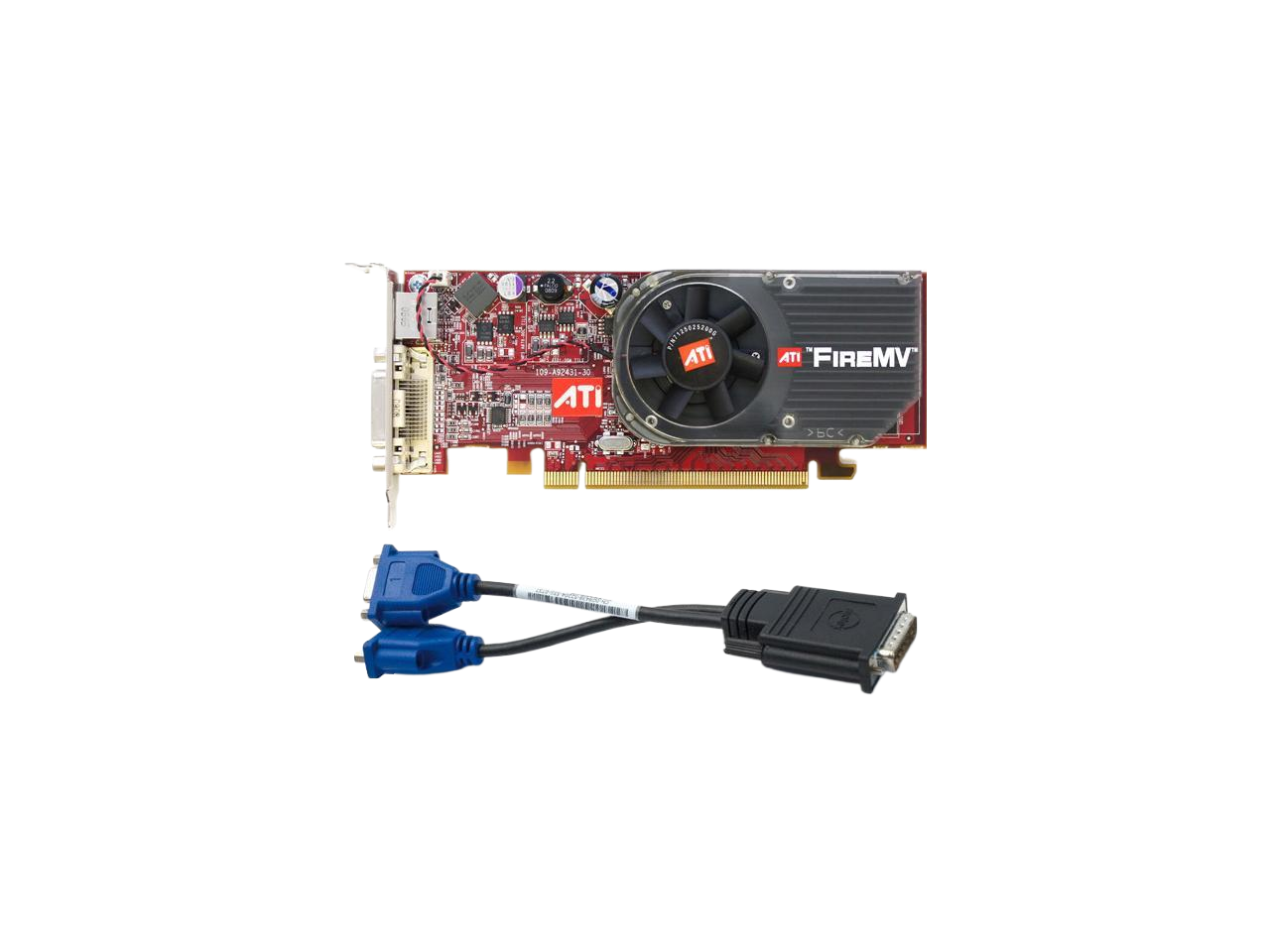
The history of ATI Technologies represents a transformative era in computing, evolving from a small Canadian startup in 1985 to a global leader in graphics processing before its landmark $5.4 billion acquisition by AMD in 2006. This journey defined the standards for modern 3D rendering, multimedia integration, and the eventual birth of the Accelerated Processing Unit (APU).
The Genesis of Array Technology Inc. (1985–1987)
Founded in Markham, Ontario, in 1985 by Kwok Yuen Ho, Benny Lau, and Lee Lau, the company was originally named Array Technology Inc. The founders, immigrants to Canada, identified a massive opportunity in the burgeoning PC market. While IBM was setting the standard for personal computers, the graphical capabilities of these machines were rudimentary.
Initially, ATI operated primarily as an Original Equipment Manufacturer (OEM). Their first major success came from producing graphics controllers for large computer manufacturers like Commodore and IBM. By late 1985, they had shipped their first "Graphics Solution" cards, which were highly compatible with various display standards of the time, including MDA (Monochrome Display Adapter) and CGA (Color Graphics Adapter).
This early focus on compatibility and OEM relationships provided the financial foundation for ATI to begin independent research and development. By 1987, the company transitioned into a more recognizable retail brand with the launch of the EGA Wonder and VGA Wonder series. These cards were revolutionary because they could automatically detect the type of monitor connected and adjust their output accordingly, a "plug-and-play" luxury that was rare in the late 1980s.
The Rise of the Mach Series and 2D Acceleration
As the 1990s approached, the demand for graphical user interfaces (GUIs) like Microsoft Windows 3.0 and OS/2 began to strain existing hardware. ATI responded with the Mach series, starting with the Mach 8 in 1991. Unlike previous "dumb" frame buffers that relied on the CPU for every calculation, the Mach 8 was a dedicated "graphics accelerator." It could handle drawing operations like lines and rectangles independently, significantly offloading work from the main processor.
The progression from Mach 8 to Mach 32 and finally the Mach 64 in 1994 marked ATI's dominance in the 2D workspace. The Mach 64 was particularly significant for its integrated motion video acceleration. As multimedia PCs became the "next big thing," the ability to play AVI and QuickTime files smoothly gave ATI a distinct edge over competitors who were still focused solely on static pixels.
The 3D Revolution and the Rage Era
The mid-1990s saw a seismic shift in the industry with the arrival of 3D gaming. While companies like 3dfx were gaining cult status with the Voodoo series, ATI launched the 3D Rage in 1996. The first Rage chips were essentially Mach 64 cores with 3D functionality "bolted on."
While the initial Rage and Rage II chips struggled to compete with the raw performance of 3dfx's GLide API, ATI leveraged its OEM relationships to ensure Rage hardware was inside millions of Dell, HP, and Apple computers. This strategy ensured survival during a period when dozens of graphics companies went bankrupt.
ATI’s 3D capabilities matured with the Rage 128, which supported 32-bit color rendering—a feature that rendered 3dfx’s 16-bit limitation obsolete. Furthermore, the All-in-Wonder variants of these cards, which featured integrated TV tuners and video capture capabilities, turned the PC into a home theater hub, a precursor to the modern smart TV and streaming ecosystem.
The Radeon Revolution and the R300 Breakthrough
By the year 2000, NVIDIA had emerged as the primary rival following the release of the GeForce 256. ATI responded by retiring the Rage brand and introducing the Radeon line. The first Radeon (the R100 core) introduced hardware-based Transform and Lighting (T&L), but it was still playing catch-up.
Everything changed in 2002 with the release of the Radeon 9700 Pro (R300 architecture). This is widely considered one of the most important graphics cards ever made. It was the first fully DirectX 9-compliant GPU, featuring an 8-pipeline architecture and a 256-bit memory bus.
The R300 changed the industry because:
- Programmable Shaders: It allowed developers to create complex visual effects (like realistic water and light) that were previously impossible on consumer hardware.
- Efficiency: It outperformed NVIDIA's flagship GeForce4 Ti series by massive margins, forcing NVIDIA to rush the ill-fated "Dustbuster" FX 5800 to market.
- Longevity: The architecture was so robust that it served as the baseline for the Xbox 360's GPU (Xenos).
Diversification: Consoles and Handhelds
Before the acquisition, ATI was not just a PC component company; it was a diversified silicon giant. Their "Imageon" line of processors powered 2D and 3D graphics in early cellular phones, long before the smartphone era began in earnest.
In the console space, ATI’s "Flipper" GPU powered the Nintendo GameCube, and later, the "Hollywood" GPU powered the Nintendo Wii. Their biggest achievement in this sector was the Xbox 360 partnership with Microsoft. The Xenos chip inside the 360 introduced the world to "Unified Shader Architecture," a concept where a single pool of processors could handle both vertex and pixel calculations. This technology would eventually become the standard for every modern PC GPU.
The Strategic Merger: AMD Acquires ATI (2006)
On July 24, 2006, the tech world was rocked by the announcement that Advanced Micro Devices (AMD) would acquire ATI Technologies for $5.4 billion ($4.2 billion in cash and 57 million shares of AMD stock). At the time, AMD was at its peak with the Athlon 64 series but lacked the graphics IP necessary to compete with Intel's integrated graphics.
The acquisition was finalized on October 25, 2006. For AMD, this wasn't just about selling graphics cards; it was about "The Fusion Project." AMD envisioned a future where the CPU and GPU would exist on a single die, creating a more efficient and powerful processor known as an APU (Accelerated Processing Unit).
Comparison of Key ATI Eras
| Era | Key Product Line | Primary Innovation | Market Position |
|---|---|---|---|
| Founding (1985-1990) | VGA Wonder | Auto-detecting monitor compatibility | Leading OEM Supplier |
| GUI Acceleration (1991-1994) | Mach 64 | Dedicated 2D acceleration and video playback | Corporate/Workstation Leader |
| Early 3D (1995-1999) | Rage Series | Integrated 3D and TV-Tuner (All-in-Wonder) | Volume Leader (OEM dominance) |
| Performance Peak (2000-2005) | Radeon 9700 Pro | DirectX 9 and Unified Shader groundwork | Enthusiast Performance King |
| Acquisition (2006) | Radeon X1900 | High-performance multi-GPU (CrossFire) | Strategic Merger Target |
Challenges and The Transition to AMD Radeon
The immediate aftermath of the acquisition was financially difficult. AMD took on significant debt to buy ATI, and the integration of two massive corporate cultures led to delays. Furthermore, NVIDIA's release of the GeForce 8800 GTX shortly after the merger gave NVIDIA a performance lead that lasted for several years.
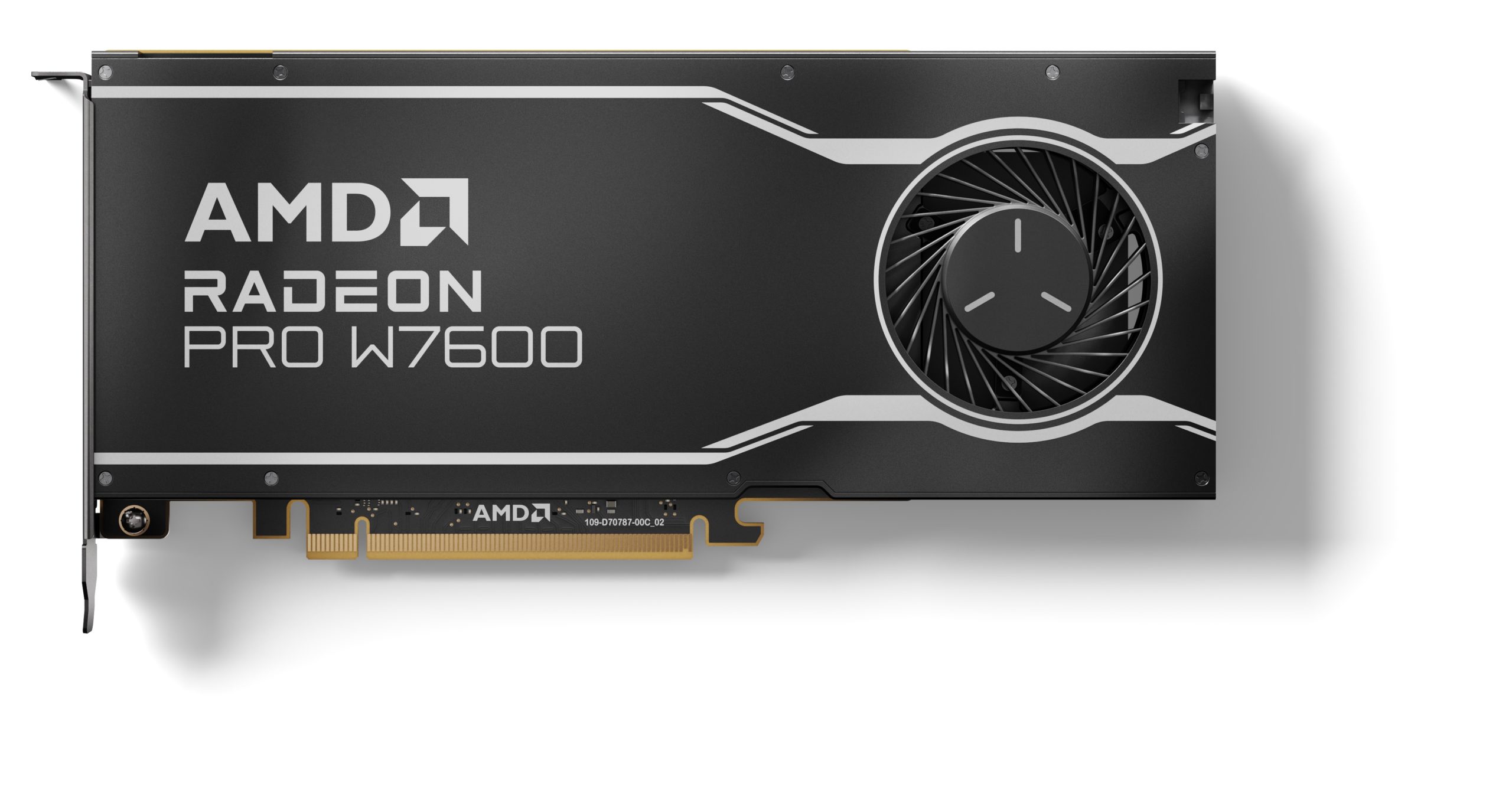
However, the ATI DNA proved resilient. By 2010, AMD decided to retire the "ATI" brand name in favor of "AMD Radeon" to unify its product branding. The Markham office in Canada remained (and still remains as of 2026) a primary hub for GPU development. The engineering teams that built the Radeon 9700 Pro eventually developed the GCN (Graphics Core Next), RDNA, and CDNA architectures that power everything from the PlayStation 5 and Xbox Series X to the world's fastest supercomputers today.
Technical Specifications and Legacy Milestones
To understand why ATI was such a valuable acquisition, one must look at the specific technologies they pioneered that remain relevant in 2026.
- Unified Shader Architecture: As mentioned, the Xenos chip in the Xbox 360 was the first to use a unified pool of shaders. This replaced the inefficient system of having dedicated hardware for different types of calculations. Every GPU made today, from your phone to high-end AI accelerators, uses this fundamental logic.
- GDDR Memory Standards: ATI was instrumental in the development of GDDR3, GDDR4, and eventually GDDR5 memory. Their push for higher memory bandwidth allowed games to move from low-resolution textures to the high-fidelity 4K and 8K assets we see today.
- Multiple GPU Support: While 3dfx had SLI, ATI developed CrossFire, which allowed users to link multiple cards. While multi-GPU for gaming has faded, the underlying technology for interconnects is what allows modern data centers to link thousands of GPUs for AI training.
Frequently Asked Questions
Why did AMD buy ATI instead of NVIDIA?
In 2006, AMD sought a graphics partner to realize its "Fusion" vision of integrated processors. While NVIDIA was an option, negotiations reportedly stalled because NVIDIA's CEO, Jensen Huang, wanted to lead the merged company. ATI was a more amenable partner with a broader portfolio including mobile chips and digital TV silicon (Xilleon), which AMD found highly attractive for diversification.
What happened to the "ATI" brand name?
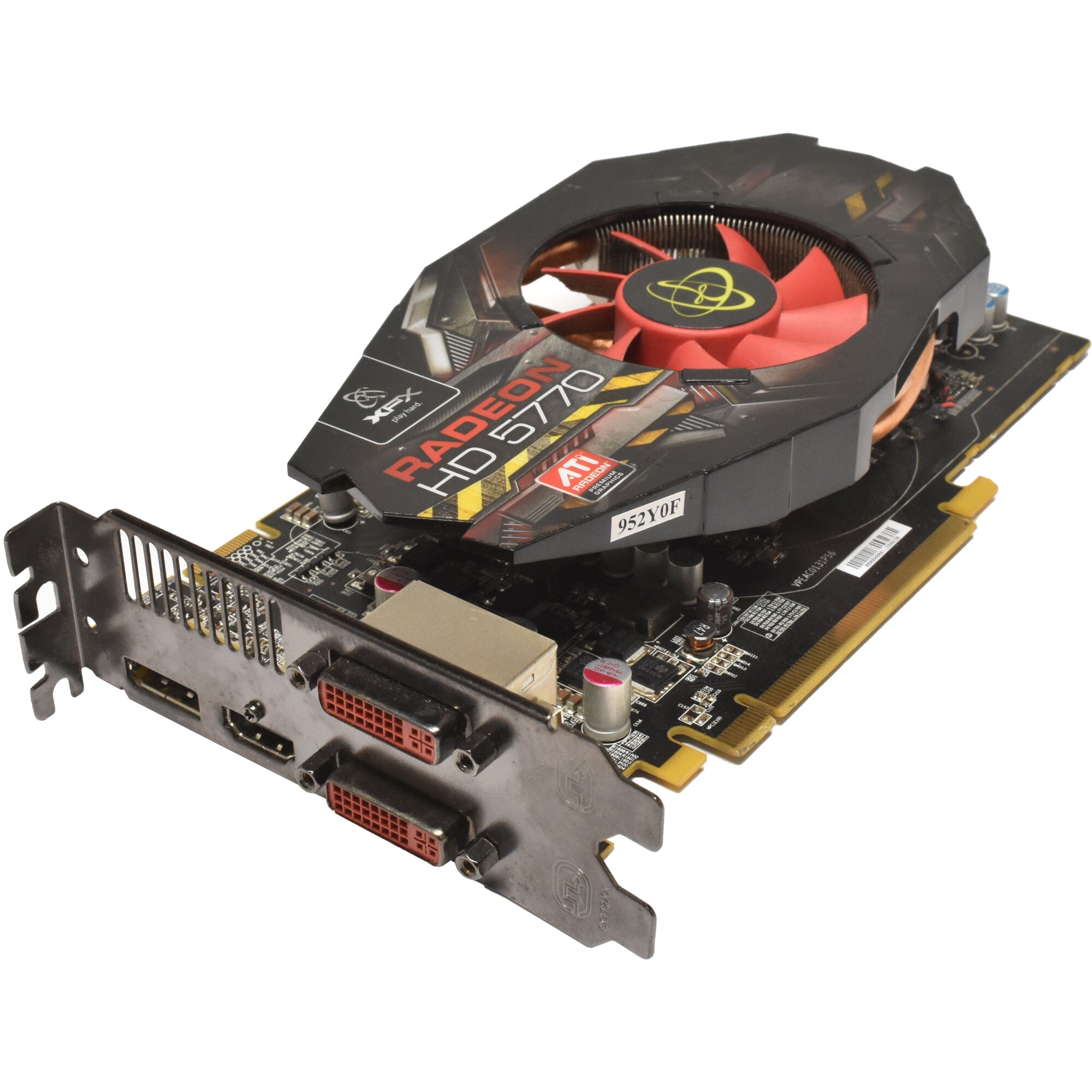
The ATI brand was officially retired in late 2010. AMD conducted market research showing that the "AMD" brand was more recognized globally in emerging markets. Consequently, products like the "ATI Radeon HD 5870" were succeeded by the "AMD Radeon HD 6870." The "ATI" logo, once a staple of PC cases, became a piece of tech history.
Did ATI invent the first 3D graphics card?
No, 3dfx is generally credited with popularizing the 3D accelerator with the Voodoo1 in 1996. However, ATI was among the first to successfully integrate 2D, 3D, and video acceleration onto a single chip (the 3D Rage series), whereas early 3dfx cards required a separate 2D card to function.
Is ATI still a Canadian company?
While ATI Technologies Inc. as a corporate entity was absorbed into AMD, its Canadian roots remain vital. AMD Canada is headquartered in the original ATI offices in Markham, Ontario. This location remains a primary R&D center for AMD’s global graphics and software engineering teams.
What was ATI's "All-in-Wonder" series?
The All-in-Wonder was a unique line of cards that combined a high-end Radeon graphics chip with a TV tuner, video capture hardware, and remote control support. It allowed users to watch and record television on their PC long before DVRs or streaming services became mainstream. This multimedia integration was a hallmark of ATI's "everything on one board" philosophy.
Final Perspective: The ATI Legacy in 2026
As we look back from 2026, the acquisition of ATI is viewed as the most significant event in AMD's history. It transformed AMD from a "CPU company" into a "computing company." Without ATI’s engineering team, the high-performance APUs found in modern laptops, the custom silicon in every major gaming console, and the "Instinct" accelerators used for modern artificial intelligence would not exist.
For enthusiasts and historians, ATI represents a time of fierce innovation and Canadian engineering prowess. While the red "ATI" badge may no longer appear on store shelves, the "Radeon" spirit continues to drive the visual fidelity of the modern world. If you are looking to build a modern system or study hardware history, acknowledging the Markham-born innovations of the late 90s and early 2000s is essential to understanding how we reached the current era of photorealistic real-time rendering.