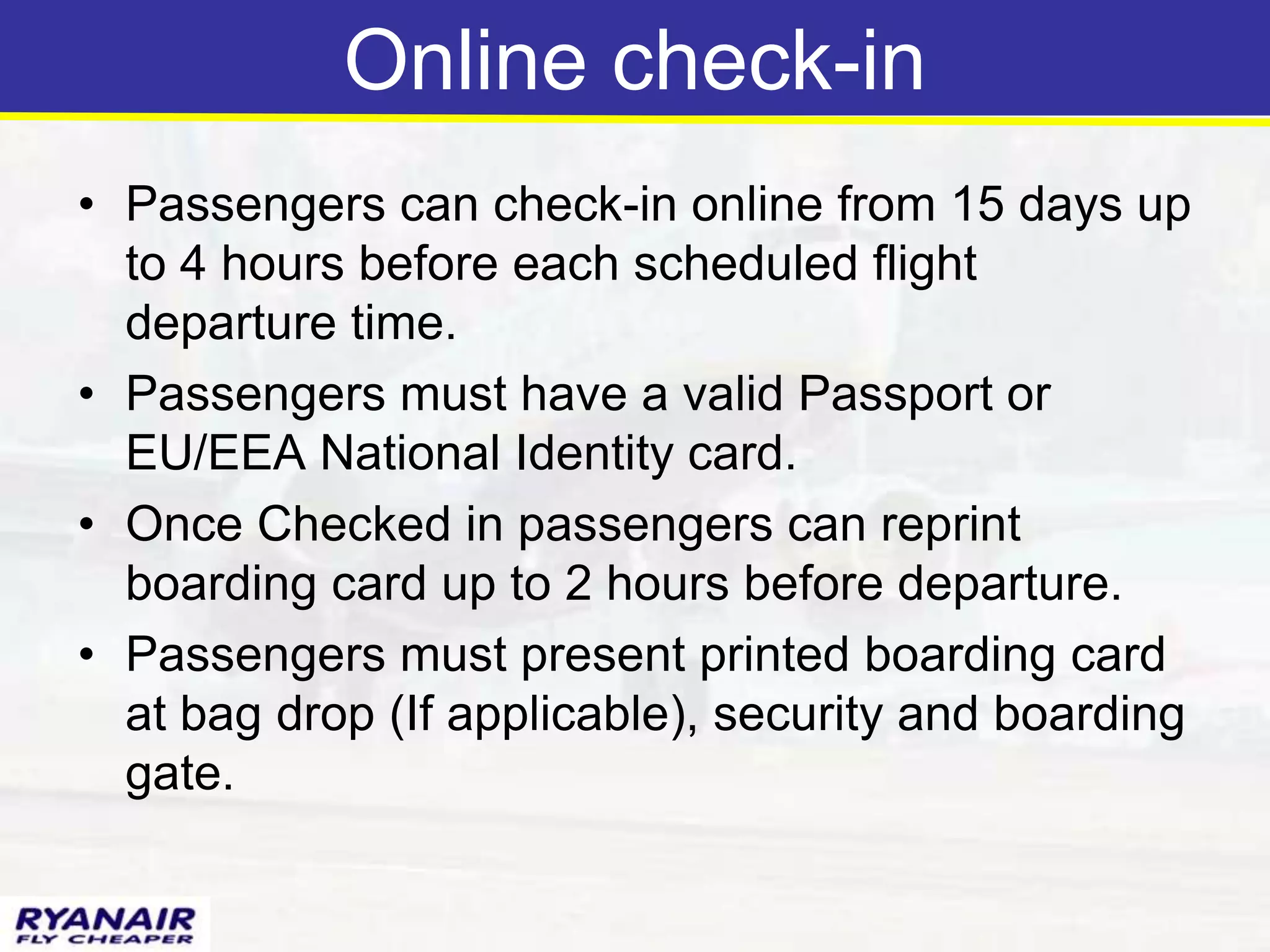
For most domestic flights in 2026, travelers should arrive at the airport at least two hours before their scheduled departure. This window accounts for the 45-minute baggage check-in cutoff, variable security wait times, and the fact that boarding typically begins 30 to 40 minutes prior to takeoff, with doors closing 15 minutes before departure.
The Evolution of the Two-Hour Rule in 2026
The recommendation to arrive two hours early for a domestic flight has remained a staple of travel advice for decades, yet its necessity has evolved. In 2026, while technology has streamlined many aspects of the airport experience—such as biometric identity verification and digital bag tags—the physical infrastructure of airports faces higher passenger volumes than ever before. The "two-hour rule" is not a suggestion designed by airlines to sell more expensive airport coffee; it is a calculated buffer intended to absorb the friction points inherent in modern air travel.
The primary reason this timeframe persists is the lack of predictability in the "curb-to-gate" journey. While a traveler might breeze through security in ten minutes on a Tuesday morning, that same traveler could face a forty-minute queue on a Friday afternoon. Furthermore, the two-hour window ensures that even if you encounter a minor delay—such as a long line at the check-in kiosk or a secondary security screening—you still have a high probability of reaching your gate before the boarding process concludes.
Critical Factors That Influence Your Arrival Time
Determining exactly how many hours before a domestic flight you should arrive requires an assessment of several variables. Not every trip is equal, and "two hours" is a generalized average that may be too much for some and dangerously little for others.
Checked Baggage vs. Carry-on Only
The single most significant factor in your arrival timeline is whether you are checking luggage. Most major airlines, including Delta, United, and American Airlines, enforce a strict cutoff for checked bags—typically 45 minutes before domestic departures. However, at high-traffic hubs like JFK, LAX, or ATL, this cutoff is often strictly enforced by automated systems. If you miss the cutoff by even sixty seconds, the system may prevent the agent from printing a tag, effectively rebooking you on a later flight. If you have bags to check, arriving two hours early is a non-negotiable safety net. If you are traveling with carry-on luggage only and have already checked in via a mobile app, you can often trim 30 minutes off your arrival time.
TSA PreCheck, CLEAR, and Biometric Screening
By 2026, expedited screening programs have become the standard for frequent travelers. TSA PreCheck and CLEAR Plus significantly reduce the time spent in security lines. Travelers with these credentials can often navigate security in under 10 minutes. Furthermore, the integration of digital IDs and facial recognition at many domestic checkpoints has removed the need to fumble with physical passports or driver’s licenses. If you possess these tools, your "safe" arrival time might shift toward 90 minutes before departure, though peak periods still demand caution.
Airport Size and Terminal Geography
The physical layout of the airport dictates how much time you need after clearing security. At a small regional airport with only five gates, the walk from the security checkpoint to the furthest gate might take three minutes. Conversely, at massive hubs like Denver International (DEN) or Dallas/Fort Worth (DFW), you may need to board an automated people mover or walk through multiple concourses. It is not uncommon for the transit time from security to a specific gate to exceed 20 minutes in these "mega-hubs." Always research your departure terminal to understand the scale of the facility.
Understanding Airline Deadlines: Departure vs. Boarding
A common mistake travelers make is timing their arrival based on the "Departure Time" listed on their ticket. However, the departure time is when the aircraft is scheduled to push back from the gate, not when you need to be there.
- Boarding Start Time: For a standard domestic narrow-body aircraft (like a Boeing 737 or Airbus A320), boarding usually begins 30 to 35 minutes before departure.
- Boarding End Time: Most airlines close the jet bridge door 15 minutes before the scheduled departure. Once that door is closed, federal regulations and airline protocols generally prohibit agents from reopening it, regardless of whether the plane is still sitting there.
- The "Buffer" Zone: If your flight departs at 10:00 AM, the doors close at 9:45 AM. If you arrive at the airport at 9:00 AM, you have only 45 minutes to get from the curb, through security, and to the gate. This leaves zero margin for error.
Seasonal and Peak Travel Considerations
In 2026, travel demand continues to hit record highs during specific windows. During these times, the standard two-hour recommendation should be extended to three hours.
- Holiday Peaks: The Tuesday and Wednesday before Thanksgiving, and the days surrounding December 25th, see the highest passenger volumes of the year. During these windows, parking garages often reach capacity, shuttle buses are delayed, and security lines can stretch into the ticketing lobby.
- Business Travel Cycles: Monday mornings and Thursday afternoons are peak times for business travelers. While these passengers are often efficient, the sheer volume can slow down even the most optimized security checkpoints.
- Special Events: If you are flying out of a city hosting a major event (e.g., the Super Bowl, a major political convention, or a massive music festival), expect the airport to be significantly more congested than usual for the 48 hours following the event's conclusion.
Comparison of Arrival Scenarios
The following table outlines recommended arrival times based on your specific traveler profile and the current 2026 domestic flight environment.
| Traveler Profile | Luggage Type | Security Credentials | Recommended Arrival Time |
|---|---|---|---|
| The Minimalist | Carry-on Only | TSA PreCheck / CLEAR | 60–90 Minutes |
| The Standard Traveler | Checked Bag | General Security | 2 Hours |
| The Family Traveler | Multiple Checked Bags | General Security | 2.5 Hours |
| The Peak Period Traveler | Any | Any | 3 Hours |
| Regional Airport Traveler | Carry-on Only | General Security | 60 Minutes |
Navigating the "Curb-to-Gate" Process in 2026
To optimize your time, it helps to understand the sequential steps required before you can board your domestic flight.
Step 1: The Parking and Shuttle Phase
Many travelers forget to account for the time it takes to park. In 2026, many airports have transitioned to pre-booked parking systems. If you haven't reserved a spot, you may find yourself diverted to an economy lot several miles away. This can add 20 to 30 minutes to your journey before you even enter the terminal building.
Step 2: The Check-in and Bag Drop
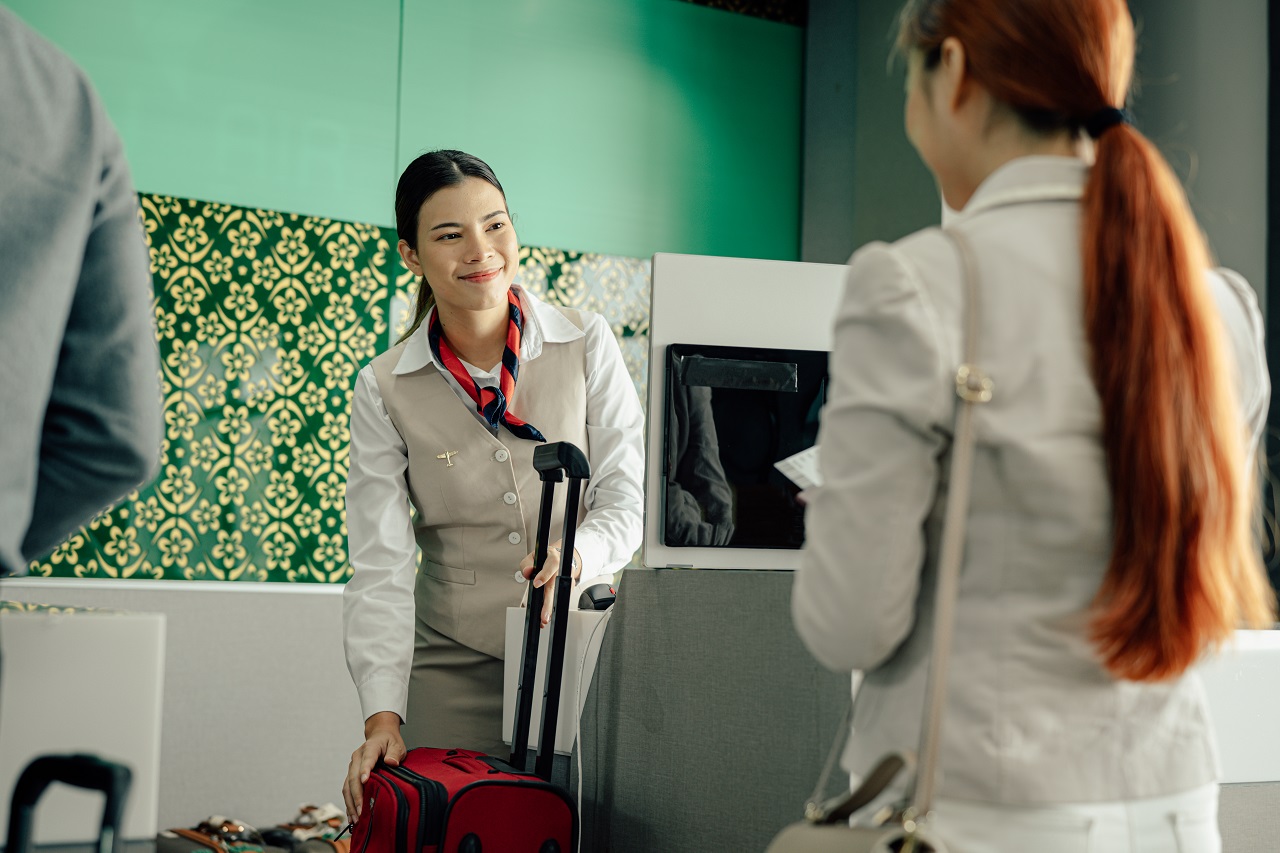
If you are checking a bag, you must visit a kiosk or a full-service counter. Even with "Touchless Bag Drop" technology, queues can form. In 2026, most airlines allow you to tag your own bags using digital tags or printed strips, but you still must wait for a belt or an agent to verify your ID and weight.
Step 3: Security Screening
This is the most unpredictable part of the process. While technology has improved, TSA staffing levels fluctuate. In 2026, the use of Computed Tomography (CT) scanners has become nearly universal, meaning passengers often don't need to remove liquids or electronics. However, these machines are slower to process each individual bag compared to older X-ray tech, which can lead to longer "backups" even if the line appears short.
Step 4: The Concourse Transit
Once "airside," you may still be far from your gate. Large airports often have retail and dining "meccas" that can be distracting. If your gate is in a different concourse, factor in the time for trains or moving walkways. Expert travelers always find their gate first before exploring the terminal's amenities.
Frequently Asked Questions
Is 1 hour enough time for a domestic flight?
In most cases, one hour is not enough time. While it is physically possible to clear security and reach a gate in under an hour at smaller airports, it leaves no room for common delays like traffic, long security lines, or baggage cutoff times. If you arrive 60 minutes before departure and need to check a bag, you will likely be denied boarding because you have missed the airline's check-in deadline.
Does the "2-hour rule" apply to early morning flights?
Yes, and sometimes more so. Many travelers assume that a 5:00 AM or 6:00 AM flight will have no lines. However, early morning is one of the busiest "banks" for domestic departures. Consequently, TSA checkpoints may not be fully staffed at 4:00 AM, leading to significant bottlenecks as hundreds of passengers try to clear security simultaneously for the first wave of flights.
What happens if I arrive late but the flight is delayed?
You should still aim to arrive based on the original scheduled departure time. Airlines can—and often do—update a delayed departure to an earlier time if a maintenance or weather issue is resolved more quickly than expected. If you are not at the gate when they are ready to board, the airline is not obligated to wait for you, and you may be marked as a "no-show."
Can I skip the line if my flight is boarding?
While some TSA agents and fellow passengers may be sympathetic to a "short connection" or a late arrival, there is no official policy that entitles you to skip the security line. Some airports have "Digital Queuing" systems where you can reserve a time slot for security, but if you arrive late without a reservation, you are at the mercy of the current queue.
Why do airlines close the gate 15 minutes early?
The final 15 minutes before departure are used for critical operational tasks. Ground crews must finalize the weight and balance manifest, secure the cargo hold, and communicate with air traffic control. Closing the door early ensures the aircraft can push back exactly on time, maintaining the airline's "on-time performance" (OTP) metrics and ensuring they don't lose their departure slot.
Practical Recommendations for 2026 Travelers
To ensure a stress-free departure, follow these three practical steps:
- Check the Airport App: Most major airports in 2026 provide real-time security wait times and parking availability through their official mobile apps. Check these before you leave your house.
- Verify the Baggage Cutoff: Check your airline’s specific contract of carriage or mobile app for the baggage cutoff time at your specific departure airport. Some high-congestion airports require bags to be checked 60 minutes before departure rather than the standard 45.
- Use Digital ID: If your state offers a digital driver's license that is TSA-compatible, ensure it is set up in your mobile wallet. This can shave minutes off the identity verification process at the checkpoint.
By adhering to the two-hour standard—and adjusting upward for bags, holidays, or large hubs—you protect yourself against the most common causes of missed flights. In the world of 2026 aviation, the goal is not to spend as little time as possible at the airport, but to ensure that your transit from the curb to the cabin is a seamless part of your journey.