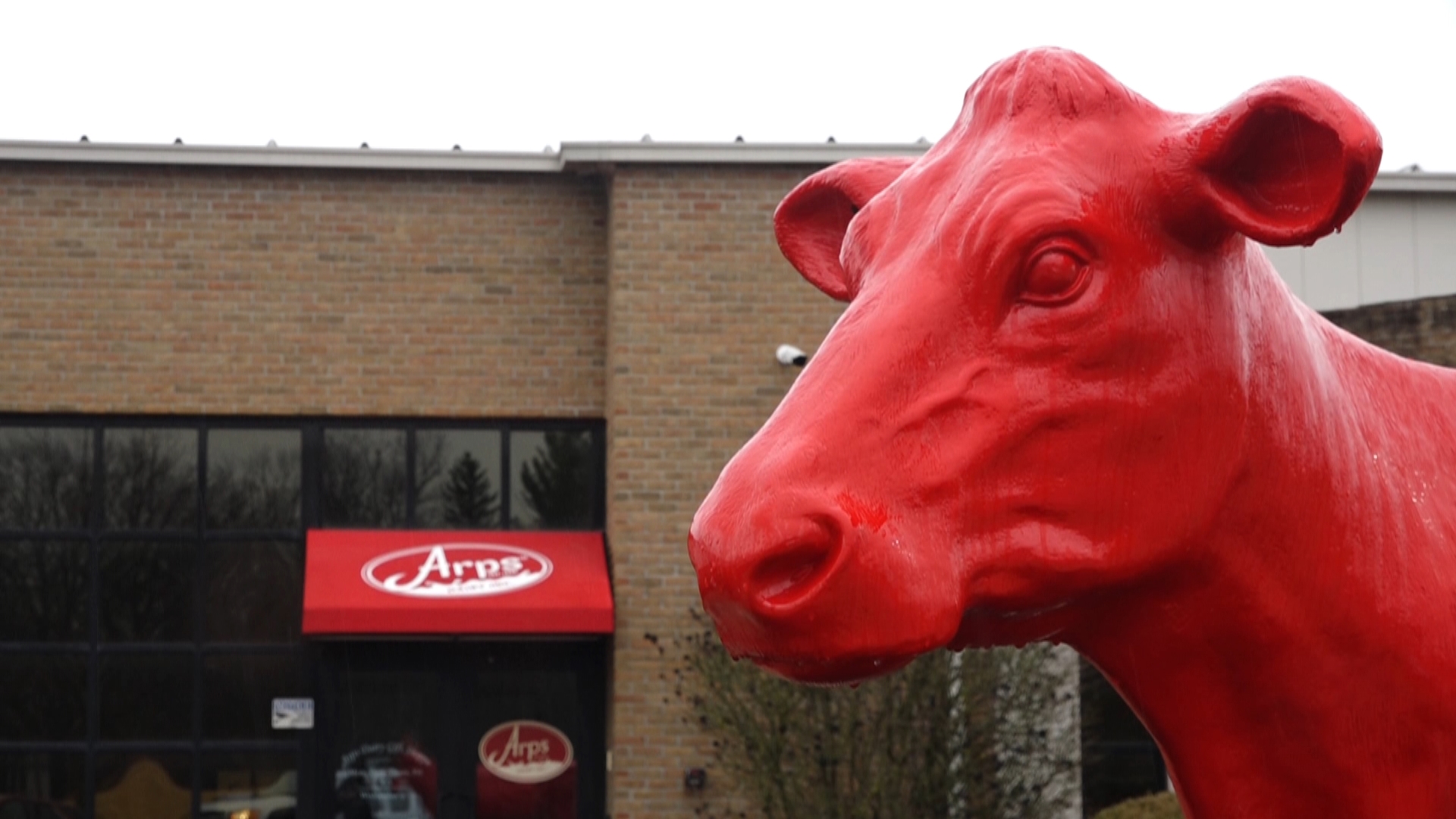
In early 2024, Arps Dairy transitioned from a retail-focused model to a dedicated bulk sales strategy to streamline operations and ensure long-term viability. This shift involved ceasing home delivery and retail bottling in favor of supplying industrial food processors, wholesalers, and institutional foodservice clients with high-quality milk and cream components.
The decision by Arps Dairy, a staple of the Defiance, Ohio, community since 1921, to exit the retail market marked the end of an era for local grocery shelves but signaled a necessary evolution in the modern dairy landscape. As of 2026, the company has solidified its position as a critical B2B (business-to-business) supplier. This article examines the drivers behind the 2024 shift, the technical logistics of bulk dairy processing, and the broader economic implications for the regional dairy industry.
The Drivers of the 2024 Retail Exit
The transition was not a sudden impulse but a response to converging economic pressures that have challenged independent dairies for over a decade. By 2024, the costs associated with the "last mile" of retail distribution had become unsustainable for a mid-sized operation.
Rising Logistics and Distribution Costs
For Arps Dairy, maintaining a fleet of refrigerated trucks for home delivery and small-scale grocery distribution required immense capital. Fuel prices, vehicle maintenance, and the specialized labor required for multi-stop delivery routes saw double-digit percentage increases between 2021 and 2024. In the retail world, these costs are often absorbed by massive national conglomerates, but for a regional player, they eroded the margins on every gallon of milk sold.
Shifting Consumer Habits
The way consumers purchase dairy underwent a radical transformation. The rise of private-label "store brands" at major supermarkets created a price-sensitive environment where local premium brands struggled to compete on volume. Additionally, the decline of traditional home delivery—once the backbone of Arps’ business—meant that the infrastructure supporting these routes was no longer being utilized to its full capacity.
Focus on Core Competencies
Arps Dairy recognized that its primary strength lay in the quality of its processing and the reliability of its local supply chain. By shifting to bulk sales in 2024, the company could focus entirely on its HTST (High Temperature Short Time) pasteurization capabilities and its ability to produce high-fat cream and ice cream mixes, which remain in high demand by industrial bakers and large-scale food manufacturers.
Operational Changes: From Bottles to Tankers
Transitioning to a bulk-only model required a significant overhaul of the Defiance processing facility. This was not merely a change in sales strategy; it was a fundamental shift in how the plant functioned on a daily basis.
Decommissioning the Bottling Lines
The most visible change in 2024 was the removal of the retail bottling equipment. Small-format filling machines designed for half-gallons and quarts were decommissioned to make room for high-volume loading systems. This allowed the facility to minimize the time milk spent in the plant, moving it directly from holding silos into 5,000-gallon stainless steel tankers.
Scaling Up for Industrial Clients
Industrial clients, such as commercial bakeries and secondary processors, require specific chemical compositions in their dairy products. For example, a manufacturer of premium frozen desserts might require a specific butterfat percentage in their cream. Arps Dairy’s shift allowed them to customize these bulk loads with greater precision, providing "component-specific" dairy that commands a more stable price point than generic retail milk.
Quality Control and Safety Standards
In the bulk sales world, quality control is paramount. While retail consumers might judge milk by the "sell-by" date, industrial buyers rely on rigorous laboratory testing for somatic cell counts, bacteria levels, and protein content. The 2024 pivot allowed Arps to reinvest the capital previously spent on retail marketing into enhanced lab testing and automated cleaning-in-place (CIP) systems, ensuring their bulk product met the stringent requirements of national food safety audits.
Comparing Retail and Bulk Dairy Models
To understand why the 2024 shift was necessary, it is helpful to compare the two business models side-by-side. The following table outlines the fundamental differences in operations and market demands.
| Feature | Retail Model (Pre-2024) | Bulk Sales Model (Post-2024) |
|---|---|---|
| Primary Customer | Individual consumers and grocery stores | Industrial processors and foodservice |
| Packaging | Plastic jugs, cartons, and glass bottles | Stainless steel tankers and 300-gallon totes |
| Distribution | Complex multi-stop routes (Last Mile) | Point-to-point heavy freight |
| Marketing Needs | High (Brand recognition, shelf appeal) | Low (Technical specs, reliability, B2B) |
| Margin Structure | High per-unit margin, high overhead | Lower per-unit margin, significantly lower overhead |
| Inventory Risk | High (Expiring product on shelves) | Low (Contract-based production) |
The Regional Economic Impact
The decision to shift to bulk sales had a ripple effect throughout Northwest Ohio and the surrounding regions. While the loss of the "yellow jug" was felt by local consumers, the preservation of the dairy's processing capacity was a net positive for the local agricultural economy.
Stability for Local Farmers
Arps Dairy has long sourced its raw milk from local family farms. When a regional dairy closes entirely, those farmers often have nowhere to send their milk, forcing them to pay high freight costs to transport it to distant processing hubs. By pivoting to bulk sales, Arps maintained its intake volumes, providing a consistent market for local producers. In 2026, many of these farmers cite the 2024 pivot as the reason their operations remain solvent.
Employment in Defiance
While the retail shop in Defiance closed its doors as part of the transition, the processing plant remained a major employer. The shift required a workforce with higher technical skills in logistics and industrial food science. Instead of delivery drivers, the company now employs more specialized plant operators and quality assurance technicians. This shift in labor needs reflects a broader trend in the American Midwest toward high-tech food manufacturing.
The Foodservice Supply Chain
The pivot also benefited the regional foodservice industry. Schools, hospitals, and large restaurant chains in Ohio and Indiana now rely on Arps for the bulk dairy products that serve as ingredients for their daily meals. By removing the retail middleman, Arps can offer these institutions more competitive pricing on high-volume orders.
Strategic Advantages of B2B Operations
By 2026, the wisdom of the 2024 pivot has become clear through several strategic advantages that were not possible under the retail model.
- Reduced Commodity Volatility: Retail milk prices are often subject to intense price wars between grocery chains. Bulk contracts are typically negotiated on longer timelines, providing more predictable cash flow for the dairy.
- Minimized Waste: Retail dairy has a high rate of "shrink"—product that expires before it is sold. In the bulk model, nearly 100% of the processed milk is moved to a contracted buyer, virtually eliminating post-production waste.
- Environmental Efficiency: Transporting milk in 5,000-gallon tankers is significantly more fuel-efficient per gallon than a fleet of small delivery trucks. Furthermore, the elimination of millions of plastic jugs annually has improved the company’s sustainability profile.
- Operational Agility: Without the need to maintain a retail brand, the company can quickly pivot its production between cream, skim milk, and whole milk based on real-time market demand from industrial partners.
The Future of Independent Dairies
Arps Dairy's shift serves as a case study for other independent dairies across the United States. As the industry continues to consolidate, the middle ground—being too large for a boutique farm-to-table model but too small for national retail—is a dangerous place to be. Arps successfully identified its niche as a high-quality, regional industrial supplier.
Looking forward from 2026, the company's focus remains on technological integration. The use of blockchain for supply chain transparency and the adoption of advanced filtration technologies like ultra-filtration (UF) are the next logical steps for a company that has successfully navigated the most difficult transition in its century-long history.
Frequently Asked Questions
Can I still buy Arps Dairy milk at the grocery store?
No, as of the 2024 strategic shift, Arps Dairy ceased all retail bottling operations. Their products are no longer available in the distinctive yellow jugs at supermarkets or local convenience stores. The dairy now focuses exclusively on bulk sales to industrial and foodservice clients.
Did Arps Dairy close down entirely?
No, the company remains fully operational. While they closed their retail store in Defiance and ended home delivery, their processing facility continues to operate at high capacity. They have simply changed their customer base from individual consumers to large-scale business partners.
Why did Arps Dairy stop home delivery?
Home delivery was discontinued due to rising operational costs, including fuel, vehicle maintenance, and labor. The infrastructure required to support home routes was no longer cost-effective compared to the streamlined model of bulk industrial sales.
Is Arps Dairy still using local milk?
Yes, Arps Dairy continues to source its raw milk from local family farms in the Northwest Ohio region. This was a core part of their 2024 strategy—maintaining their commitment to local agriculture while changing how that milk is packaged and sold.
What products does Arps Dairy produce now?
The dairy primarily produces bulk whole milk, skim milk, heavy cream, and specialized ice cream mixes. These are sold in large quantities, such as 300-gallon totes or 5,000-gallon tankers, to other companies that use them as ingredients in their own food products.
How has the 2024 shift affected the local community?
While many locals miss the convenience of Arps' retail products, the shift has helped ensure the company stays in business and continues to provide jobs in Defiance. It also ensures that local dairy farmers have a reliable, nearby processing plant to take their milk, which is vital for the local agricultural economy.
Next Steps for Industry Observers
For those tracking the dairy industry's evolution, the Arps Dairy model provides a clear roadmap for regional sustainability. Stakeholders should focus on identifying B2B opportunities where regional dairies can provide "fresher" or "higher quality" components than national suppliers. Businesses looking to partner with Arps should contact their corporate office in Defiance for current technical specifications and contract availability for bulk dairy components.