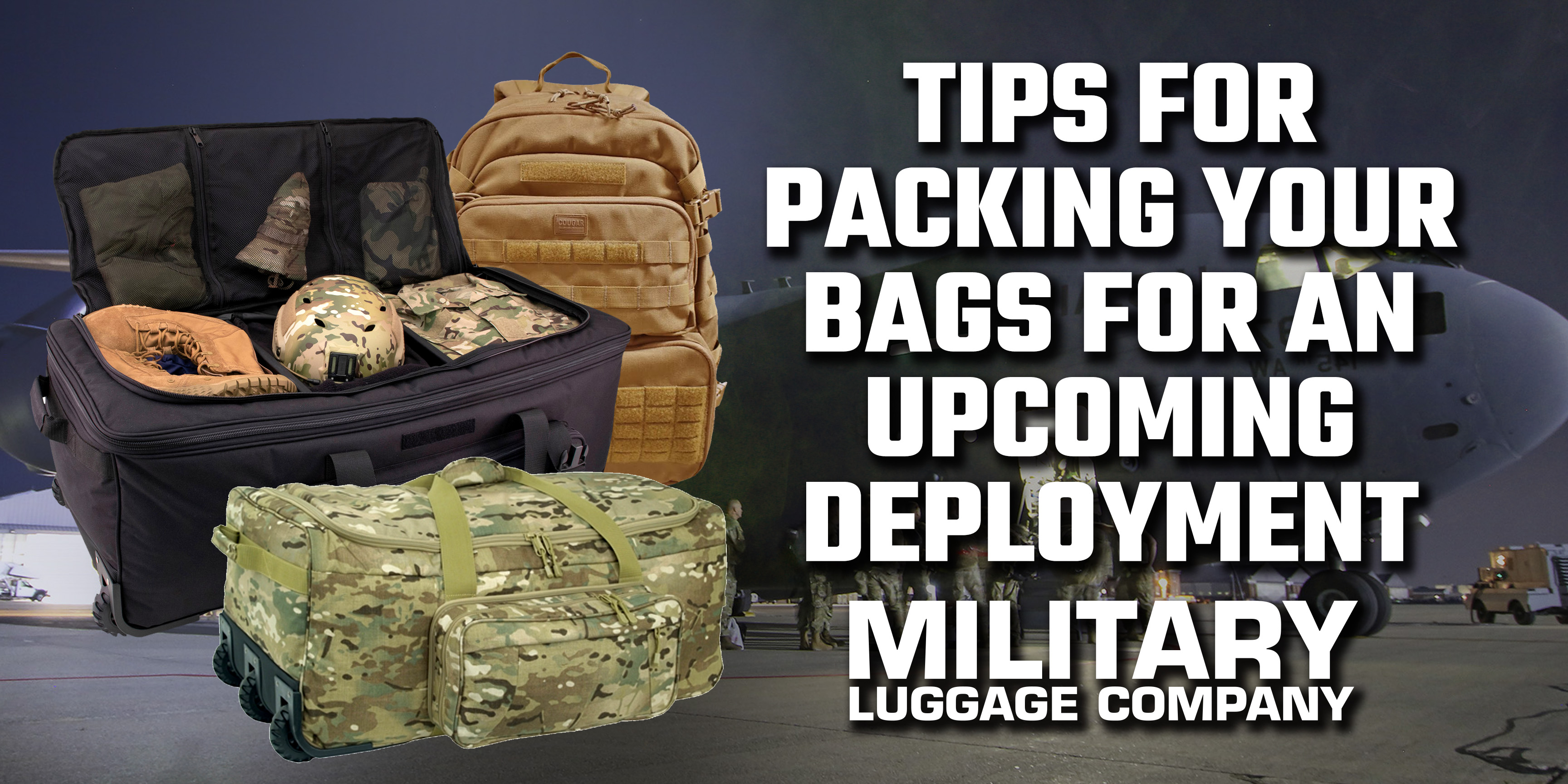
An effective Army basic packing list for field deployment includes three sets of Operational Camouflage Pattern (OCP) uniforms, seven pairs of moisture-wicking socks, a complete Extended Cold Weather Clothing System (ECWCS), personal hygiene kits, and mission-essential TA-50 gear. Proper organization prioritizes accessibility, weight distribution, and environmental protection to maintain combat readiness in diverse climates.
Understanding the Foundations of Field Packing
Packing for a field deployment in 2026 requires a balance between regulatory compliance and tactical efficiency. While every unit provides a specific Standard Operating Procedure (SOP) packing list, the "Basic" list serves as the skeleton upon which a soldier builds their load. This process is governed by Army Regulation (AR) 670-1 for wear and appearance, as well as Field Manuals (FM) focused on individual soldier tasks and sustainment.
The goal of a packing list is not merely to carry items, but to ensure that every piece of equipment has a purpose and a designated location. A soldier who cannot find their night vision goggles (NVGs) or a spare pair of dry socks in the dark is a soldier whose effectiveness is compromised. As we look at the requirements for 2026, the integration of lightweight materials and multi-functional gear has refined what is considered "essential."
The Core Uniform and Apparel Requirements
The uniform is a soldier’s first line of defense against the elements. For a standard field rotation, the "Rule of Three" typically applies to uniforms: one on your back, one in the ruck, and one being cleaned or dried.
Operational Camouflage Pattern (OCP) Sets
Soldiers should pack a minimum of three sets of OCPs. In 2026, the focus remains on the IHWCU (Improved Hot Weather Combat Uniform) for its breathability and quick-drying capabilities. Even in temperate environments, the ability of the fabric to shed moisture prevents chafing and fungal infections. Ensure all name tapes, branch tapes, and rank insignia are securely sewn or Velcroed according to unit SOP.
The Critical Importance of Socks
Foot care is the most vital aspect of soldier health in the field. Cotton is strictly avoided because it retains moisture, leading to blisters and "trench foot." Instead, soldiers should pack seven to ten pairs of high-quality, moisture-wicking wool blend socks (such as Darn Tough or Fox River).
- Heavyweight Socks: For sleep and cold-weather movement.
- Light/Mid-weight Socks: For standard patrolling.
- Liners: Optional, but useful for soldiers prone to friction blisters.
Undergarments and T-Shirts
Pack seven moisture-wicking tan or coyote brown T-shirts and an equivalent number of athletic-style undergarments. Avoid 100% cotton in high-intensity environments. Compression-style shorts are highly recommended to prevent "crotch rot" and chafing during long movements.
Organizational Clothing and Individual Equipment (OCIE)
Commonly referred to as TA-50, OCIE is the specialized gear issued by the Central Issue Facility (CIF). This equipment is designed to protect the soldier and facilitate combat operations.
The Modular Sleep System (MSS)
The 2026 sleep system is a multi-component kit that must be packed according to the expected weather.
- The Patrol Bag (Green/Light Grey): For temperatures down to 35°F.
- The Intermediate Bag (Black/Dark Grey): For temperatures down to -10°F.
- The Bivy Cover: A waterproof, breathable Gore-Tex shell that protects the bags from rain and dew.
- Compression Sack: Essential for reducing the volume of the sleep system within the rucksack.
Load-Bearing Equipment (LBE) or Modular Scalable Vest (MSV)
Your fighting load must be configured for immediate access. This includes ammunition pouches, a multi-tool, a compass, and a tactical flashlight with a red lens. The MSV should be adjusted to distribute weight across the shoulders and hips evenly.
The Rucksack (MOLLE II or Large Ruck)
The rucksack contains your sustainment load. In 2026, the focus is on "packing by weight." Heavy items, such as extra ammunition or radio batteries, should be placed close to the frame and centered to keep the center of gravity near the soldier’s spine.
Extended Cold Weather Clothing System (ECWCS) Layers
The ECWCS is a modular system that allows soldiers to adapt to changing environmental conditions. Understanding how to layer is more important than simply owning the gear.
- Level 1 & 2 (Base Layers): Lightweight and mid-weight "silks" and "waffles" that wick moisture away from the skin.
- Level 3 (Fleece): The primary insulation layer. It should be worn during static positions but usually removed during heavy movement to prevent overheating.
- Level 4 (Wind Jacket): A lightweight shell designed to break the wind.
- Level 5 (Soft Shell): The standard field jacket for most cool-weather operations.
- Level 6 (Extreme Wet/Cold): Hard-shell Gore-Tex for heavy rain or melting snow.
- Level 7 (Extreme Cold): The "Marshmallow Suit" used for static security in sub-zero temperatures.
Personal Hygiene and Field Health
Hygiene in the field is not about comfort; it is about preventing medical evacuations due to infections. A compact, organized hygiene kit is a requirement for any deployment.
The "Field Shower" Kit
Since traditional showers are rarely available, soldiers rely on:
- Baby Wipes/Body Wipes: Large, unscented wipes for daily cleaning.
- Foot Powder: To keep feet dry and prevent fungal growth.
- Hand Sanitizer: To be used before every meal (MRE).
- Biodegradable Soap: Small concentrated bottles for washing hair or essential areas.
Oral Care and Grooming
A toothbrush with a protective cap, travel-sized toothpaste, and a small mirror are standard. For male soldiers, shaving is often required daily unless a profile is held. Battery-operated or manual razors with extra blades and a small container of shave cream (not pressurized cans, which can leak) are necessary.
Sun and Insect Protection
Even in 2026, environmental hazards remain constant. Pack SPF 30+ sunscreen and DEET-based insect repellent. Permethrin-treated uniforms provide an extra layer of protection against ticks and mosquitoes.
Technical Gear and Field Electronics
Modern field operations rely heavily on electronics. Keeping these devices operational requires a deliberate packing strategy.
| Item Category | Specific Gear | Purpose |
|---|---|---|
| Illumination | LED Headlamp (Red/White/Blue) | Hands-free light for tasks; red for light discipline. |
| Power | Ruggedized Power Bank (20,000mAh+) | Charging EUDs (End User Devices) or flashlights. |
| Navigation | Lensatic Compass & GPS (Garmin) | Primary and backup navigation tools. |
| Communication | Spare Radio Batteries (152/163) | Ensuring constant comms with the TOC. |
| Signal | Signal Mirror & VS-17 Panel | Identification of friendly positions to aircraft. |
Sustenance and Nutrition
While the unit provides MREs (Meals, Ready-to-Eat) or hot "A-rations," supplemental nutrition can maintain morale and energy levels during high-intensity operations.
Field Snacks (The "Rat Pack")
Soldiers often "field strip" their MREs to save space, removing excess cardboard and packaging. Supplement these with:
- Beef Jerky/Protein Bars: High-protein, low-weight energy.
- Electrolyte Powders: Essential for preventing heat casualties in summer or dehydration in winter.
- Caffeine: Instant coffee or caffeine gum for late-night shifts.
Water Purification and Storage
A 3-liter hydration bladder (CamelBak) is the standard for movement. However, soldiers must also carry at least two 1-quart Nalgene bottles. These act as a backup if the bladder leaks and allow for the mixing of electrolytes without contaminating the main water source. In 2026, many soldiers also carry a small, portable water filter (like a Sawyer Squeeze) for emergency replenishment.
Packing Strategy: The "Riddle of the Ruck"
How you pack is as important as what you pack. Use the following hierarchy to organize your rucksack:
- Bottom Layer: Items not needed until you establish a Patrol Base (Sleep system, spare uniforms, extra boots).
- Middle Layer (Close to Frame): Heavy items (Radio, spare batteries, water bladders, extra ammo).
- Top Layer: Items needed quickly (Rain gear, cold weather jacket, rations).
- Outside Pockets: Frequently used items (Hygiene kit, headlamp, multi-tool, snacks, map markers).
Waterproofing Everything
Never assume your rucksack is waterproof. Use heavy-duty contractor bags as "ruck liners" and dry bags for mission-critical items like electronics and dry socks. Double-bagging clothing in Ziploc bags also helps compress the items and keep them organized by category.
Frequently Asked Questions
What are the most common items forgotten on a field packing list?
Soldiers often forget "administrative" essentials such as extra pens, waterproof notebooks (Rite in the Rain), and extra batteries for their optics and headlamps. Another frequently missed item is a spare set of boot laces; a snapped lace during a ruck march can be a mission-killer.
How many pairs of boots should I bring?
The standard is two pairs. One pair is worn, and the second is packed. This allows you to rotate boots if one pair becomes soaked. In 2026, many soldiers prefer one pair of heavy duty boots for rough terrain and one pair of lightweight "garrison-style" boots for speed, depending on the mission profile.
Can I bring personal GPS or electronics?
This is unit-dependent. Most units allow personal GPS units (like the Garmin Foretrex) for redundant navigation. However, cellular phones are often restricted or "turned in" during tactical exercises to prevent signal emanation (SIGSEC) which can be tracked by near-peer adversaries.
What is the best way to prevent gear theft or loss in the field?
Mark every piece of equipment. Use a silver or black permanent marker to write your last name and the last four digits of your DOD ID number on the "hidden" side of pouches, tags, and even inside your boots. Use "dummy cords" (550 cord) to tie down sensitive items like your compass, GPS, and multi-tool to your vest.
How do I handle trash in the field?
"Pack it in, pack it out." Most soldiers dedicated an outside pocket of their ruck or a specific "dump pouch" for trash. Empty MRE bags are excellent for containing small pieces of waste. Maintaining noise and light discipline includes ensuring that trash doesn't rustle or shine.
Final Recommendation for Field Readiness
Before departing for any deployment, conduct a "Layout and Inspection." Lay every item out on a clean surface according to your unit’s SOP. This allows you to visualize your gear, verify its condition, and ensure nothing is missing. Once the layout is complete, pack the rucksack yourself—do not let someone else pack it for you. Knowing exactly where your gear is located in total darkness is the hallmark of a professional soldier.
For the most current technical specifications on individual equipment, soldiers should consult the Army Publishing Directorate or their unit’s Supply Sergeant for the most recent updates to the Common Table of Allowances (CTA).