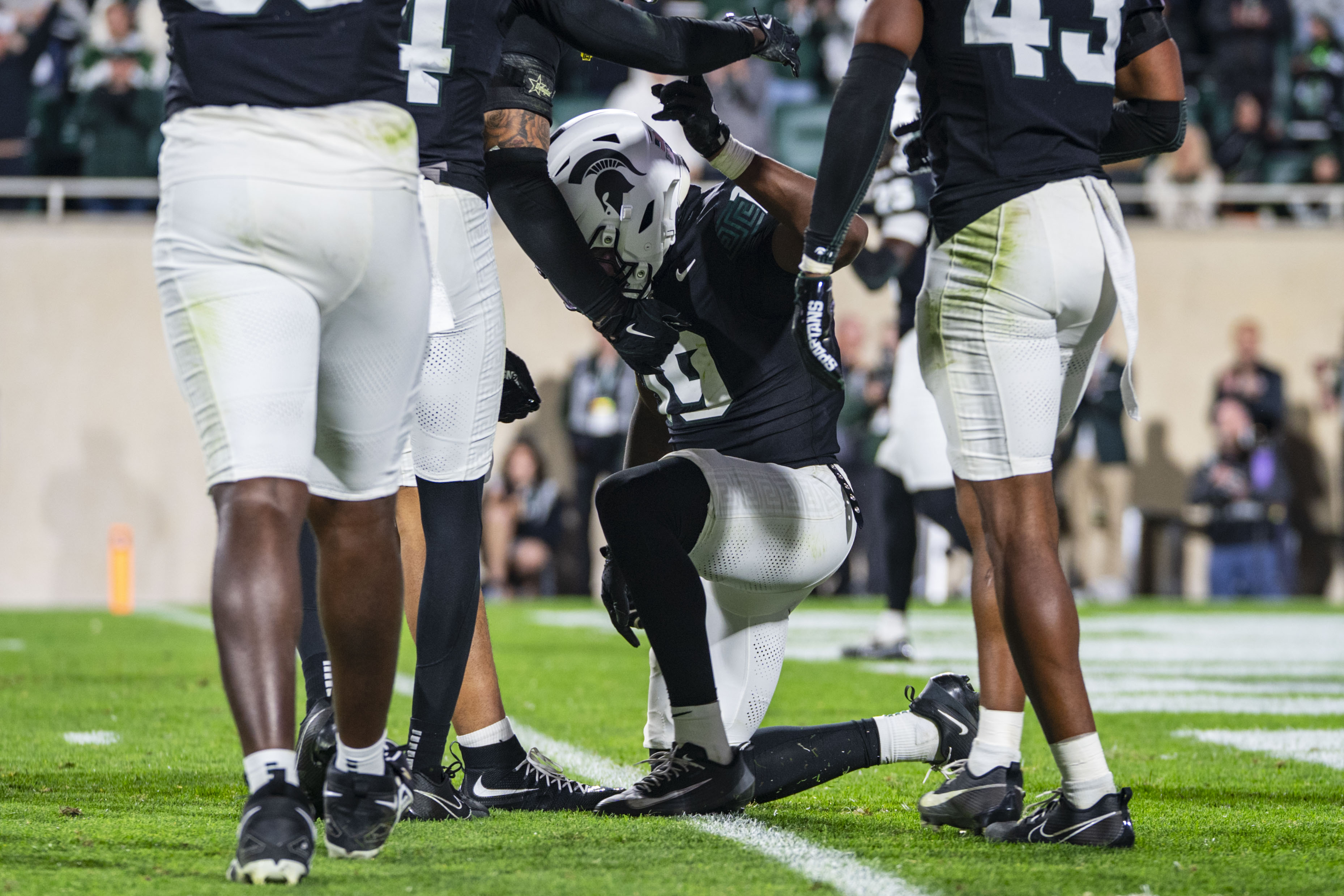
Armorion Smith is a defensive safety for the Michigan State University (MSU) football program who gained national recognition not only for his athletic performance but for his extraordinary personal resilience. Following the death of his mother in 2024, Smith became the legal guardian of his five younger siblings while maintaining his status as a Division I student-athlete.
As of 2026, the story of Armorion Smith remains one of the most poignant examples of the intersection between collegiate athletics, NIL (Name, Image, and Likeness) opportunities, and profound personal responsibility. His journey from a standout recruit in the Detroit area to a pillar of the Spartan community involves a complex navigation of NCAA regulations, family law, and elite-level sports performance. Understanding his impact requires a look at his recruitment, his transition between programs, and the structural support systems that allow a student-athlete to manage a household of six while competing in the Big Ten Conference.
The Early Career of Armorion Smith: From River Rouge to Cincinnati
Armorion Smith’s football trajectory began in the talent-rich environment of Michigan high school football. A native of Detroit, Smith attended River Rouge High School, a program known for producing disciplined and physically dominant defensive players. During his tenure at River Rouge, Smith established himself as a versatile secondary player, capable of playing both cornerback and safety. His ability to diagnose plays quickly and his physical approach to tackling earned him a three-star recruitment rating.
In 2021, Smith committed to the University of Cincinnati. At the time, the Bearcats were a rising power in the American Athletic Conference (AAC) under coach Luke Fickell. Smith’s time at Cincinnati was a period of fundamental development. During the 2022 season, he appeared in 12 games, recording 20 tackles and an interception. These statistics, while modest, signaled his readiness for high-level competition. However, personal circumstances and a desire to be closer to his family in Michigan prompted a pivotal decision to enter the NCAA Transfer Portal.
The Transition to Michigan State University
In early 2023, Armorion Smith announced his transfer to Michigan State University. The move was viewed by analysts as a strategic addition to the Spartans' secondary, which was undergoing a rebuilding phase. For Smith, the move was primarily motivated by the need to support his mother, Nikita Smith, who was battling breast cancer.
The transition to MSU placed Smith in a high-stakes environment. Joining the Spartans meant competing in the Big Ten, a conference characterized by physical play and complex offensive schemes. Smith had to quickly learn the defensive playbook under the coaching staff while integrating into the campus culture in East Lansing. His arrival was met with optimism, as his experience at Cincinnati provided a level of veteran presence to a relatively young defensive backfield.
Defensive Role and Athletic Profile
At Michigan State, Smith’s role solidified as a hard-hitting safety. His athletic profile—standing approximately 6-foot-1 and weighing 210 pounds—allows him to play "in the box" against the run while possessing the range to cover deep thirds in passing situations. Coaches have frequently praised his "football IQ," a term used to describe an athlete's ability to anticipate opponent movements and adjust positioning in real-time.
| Attribute | Specification | Impact on Field |
|---|---|---|
| Position | Safety | Primary last line of defense; responsible for run support. |
| Height/Weight | 6'1" / 210 lbs | Provides the frame necessary for Big Ten physical contact. |
| Tackling Style | Wrap-up / High Impact | Reduces yards after catch; effective in open-field pursuit. |
| Recruitment | 3-Star (High School) | Demonstrated consistent growth from prospect to starter. |
| Previous School | University of Cincinnati | Brought Group of Five winning culture to the Power Five level. |
The 2024 Family Crisis and Guardianship
The trajectory of Armorion Smith’s life changed irrevocably in August 2024. His mother, Nikita, passed away at the age of 38 after a prolonged battle with metastatic breast cancer. This tragedy left Smith, then only 21 years old, as the eldest of six children. Rather than allowing his siblings to be separated or placed into the foster care system, Smith made the decision to seek legal guardianship of his five younger brothers and sisters: Armond, Avayah, Ariel, Amaira, and his infant brother.
The logistical challenges of this decision cannot be overstated. Smith was tasked with balancing the rigorous schedule of a Big Ten football player—which includes 5:00 AM workouts, film sessions, classes, and travel—with the responsibilities of a head of household. His daily routine shifted to include school drop-offs, grocery shopping, and managing the emotional trauma of his siblings’ loss.
The Role of Aleiza Smith
While Armorion is the legal guardian, he has frequently credited his 19-year-old sister, Aleiza, for being the "backbone" of the family. Aleiza took on the role of primary caregiver during the hours Armorion was at practice or in class. The partnership between the two siblings allowed the family to stay together in a home in the Lansing area, maintaining a sense of stability during a period of intense grief.
Navigating NIL as a Financial Lifeline
In the modern era of college sports, Name, Image, and Likeness (NIL) rules have become a critical mechanism for student-athletes. For Armorion Smith, NIL was not about luxury or brand building; it was a necessary financial tool for survival. The Michigan State community, along with national supporters, rallied to assist Smith through various NIL-compliant avenues.
A GoFundMe campaign authorized under NCAA rules raised over $100,000 to assist with the family's immediate needs, including housing and childcare. Furthermore, Smith entered into specific NIL partnerships that focused on his story of resilience. These deals provided a steady stream of income that traditional student-athlete stipends could never cover. The 2026 perspective on this case highlights it as a landmark example of how NIL can serve as a social safety net for athletes facing extreme domestic hardships.
The MSU Support System: Beyond the Field
Michigan State University’s athletic department and the broader East Lansing community played a significant role in Smith’s ability to remain in school and on the team. Coach Jonathan Smith, who took over the program during this period, emphasized a "family-first" culture. The coaching staff worked with Armorion to provide the flexibility needed to manage his household duties.
Support services included:
- Academic Advising: Tailored scheduling to ensure classes were clustered to allow for midday family responsibilities.
- Mental Health Services: Access to counseling for both Armorion and his siblings to navigate the grieving process.
- Compliance Oversight: Ensuring that all community donations and NIL deals remained within the strict parameters of NCAA and Big Ten regulations to protect Smith’s eligibility.
Technical Depth: The Challenges of a Student-Athlete Guardian
The "technical" aspect of Smith's life involves the management of time and resources. A typical Big Ten football player spends approximately 40 to 60 hours per week on sport-related activities during the season. When combined with a full-time academic load (minimum 12 credit hours), there is virtually no margin for error.
For Smith, "troubleshooting" his life became a daily task. If a sibling became ill, it required immediate coordination with the coaching staff and his sister. If a game required travel to an away stadium, childcare had to be secured for multiple days. The mental fortitude required to switch from "aggressive defender" on the field to "nurturing guardian" at home is a psychological feat that has been studied by sports psychologists as a case study in high-pressure role management.
Legacy and Impact on the Spartan Program
As we look at Armorion Smith’s tenure at Michigan State from the vantage point of 2026, his legacy is defined by more than tackles or interceptions. He became a symbol of the "Spartan Strong" mantra. His presence in the locker room provided a unique form of leadership; his teammates often cited his situation as a source of perspective and motivation.
On the field, Smith’s performance remained consistent. Despite the immense pressure at home, he continued to be a reliable component of the Spartan defense. His ability to compartmentalize—focusing entirely on the game for 60 minutes—was a testament to his professional approach to the sport.
Career Milestones at MSU
- Transfer Integration (2023): Successfully navigated the jump to Big Ten play.
- Leadership Recognition (2024): Emerging as a vocal leader following the family tragedy.
- Community Advocacy (2025): Utilizing his platform to raise awareness for breast cancer and the challenges facing "kinship" caregivers (relatives raising children).
- Graduation and Future Planning (2026): Balancing the transition from collegiate play to potential professional opportunities or post-graduate career paths.
Frequently Asked Questions
What position does Armorion Smith play for Michigan State?
Armorion Smith plays the safety position. In the Michigan State defensive scheme, the safety is responsible for covering the deep part of the field to prevent long passes while also moving toward the line of scrimmage to help stop the running game.
How did Armorion Smith become the guardian of his siblings?
Following the death of his mother, Nikita Smith, in August 2024 due to breast cancer, Armorion Smith assumed legal guardianship of his five younger siblings. He did this to ensure the family remained together and to provide them with a stable upbringing in the wake of their mother's passing.
Did the NCAA allow Armorion Smith to receive donations?
Yes, under current NIL (Name, Image, and Likeness) and NCAA hardship rules, student-athletes are permitted to receive support through crowdfunding and NIL deals, provided they are documented and compliant with university and NCAA regulations. The MSU compliance office played a key role in ensuring these funds were handled correctly.
Where did Armorion Smith play before Michigan State?
Before transferring to Michigan State University in 2023, Smith played for the University of Cincinnati Bearcats. He spent two seasons there, developing his skills as a defensive back before returning to his home state of Michigan.
How does Armorion Smith manage both football and family?
Smith manages his dual roles through a strict schedule and a support network that includes his sister, Aleiza, the MSU coaching staff, and community volunteers. His daily routine involves early morning football activities, daytime university classes, and evening parenting responsibilities.
Is Armorion Smith still playing for MSU in 2026?
Based on his eligibility and transfer timeline, Smith would be in the concluding stages of his collegiate career or moving into professional spheres by 2026. His journey continues to be a point of pride for the university, showcasing his ability to maintain his academic and athletic standing despite extraordinary personal challenges.
Practical Recommendations for Supporting Student-Athletes in Crisis
The story of Armorion Smith provides a blueprint for how universities and communities can support athletes facing domestic crises. For those looking to support similar causes or for athletes in comparable situations, the following actions are recommended:
- Engage with University Compliance: Any financial support must be funneled through official NIL channels or university-approved hardship funds to avoid jeopardizing the athlete’s eligibility.
- Provide Non-Monetary Support: For student-athlete guardians, logistical help—such as meal trains or assistance with household management—is often as valuable as financial aid.
- Mental Health Awareness: Ensuring that the athlete has access to trauma-informed counseling is essential for long-term success both on the field and in their personal lives.
- Promote Flexibility: Athletic departments should consider the "Armorion Smith Model" of scheduling, which prioritizes the athlete's role as a caregiver alongside their role as a student.