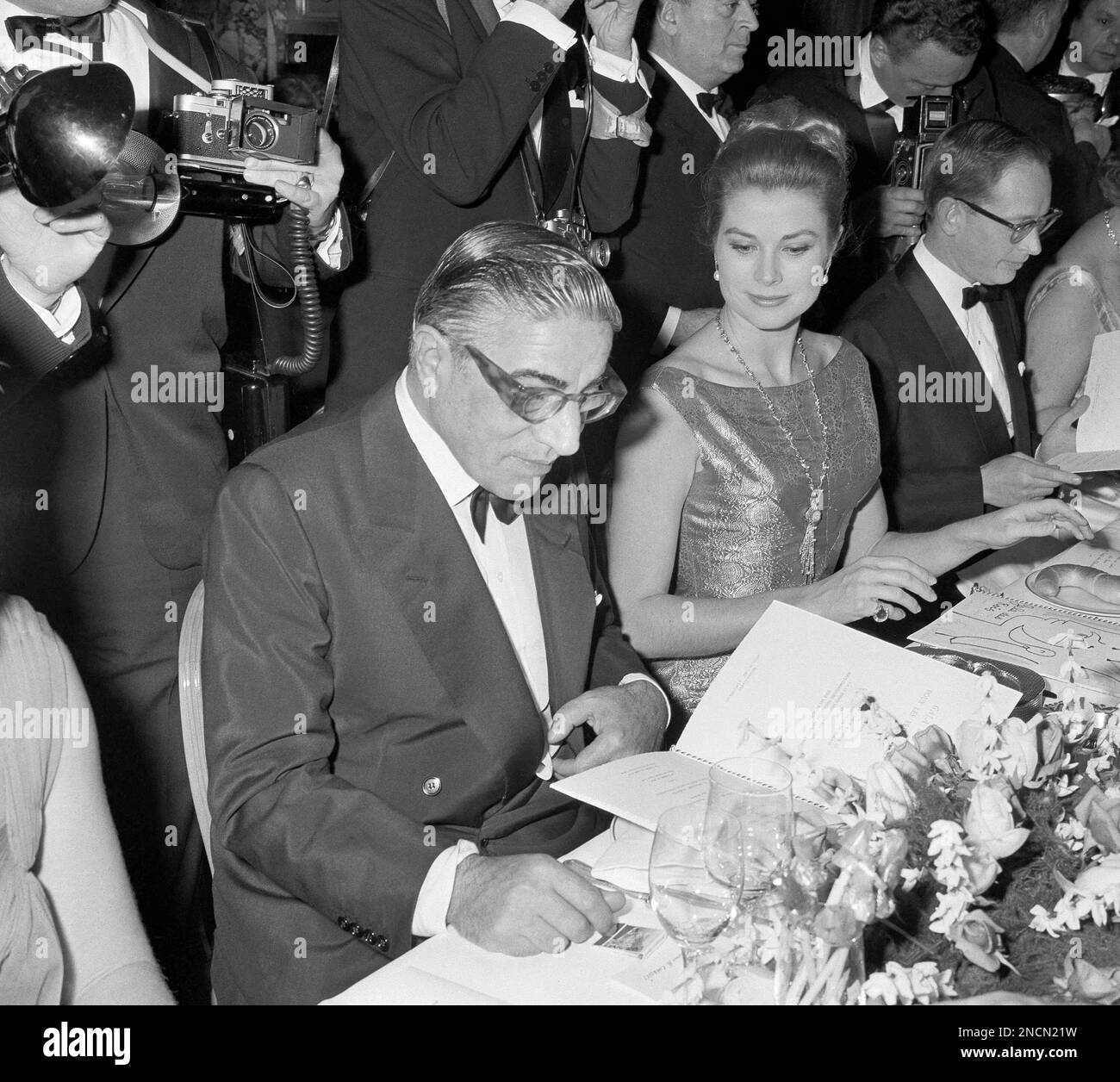
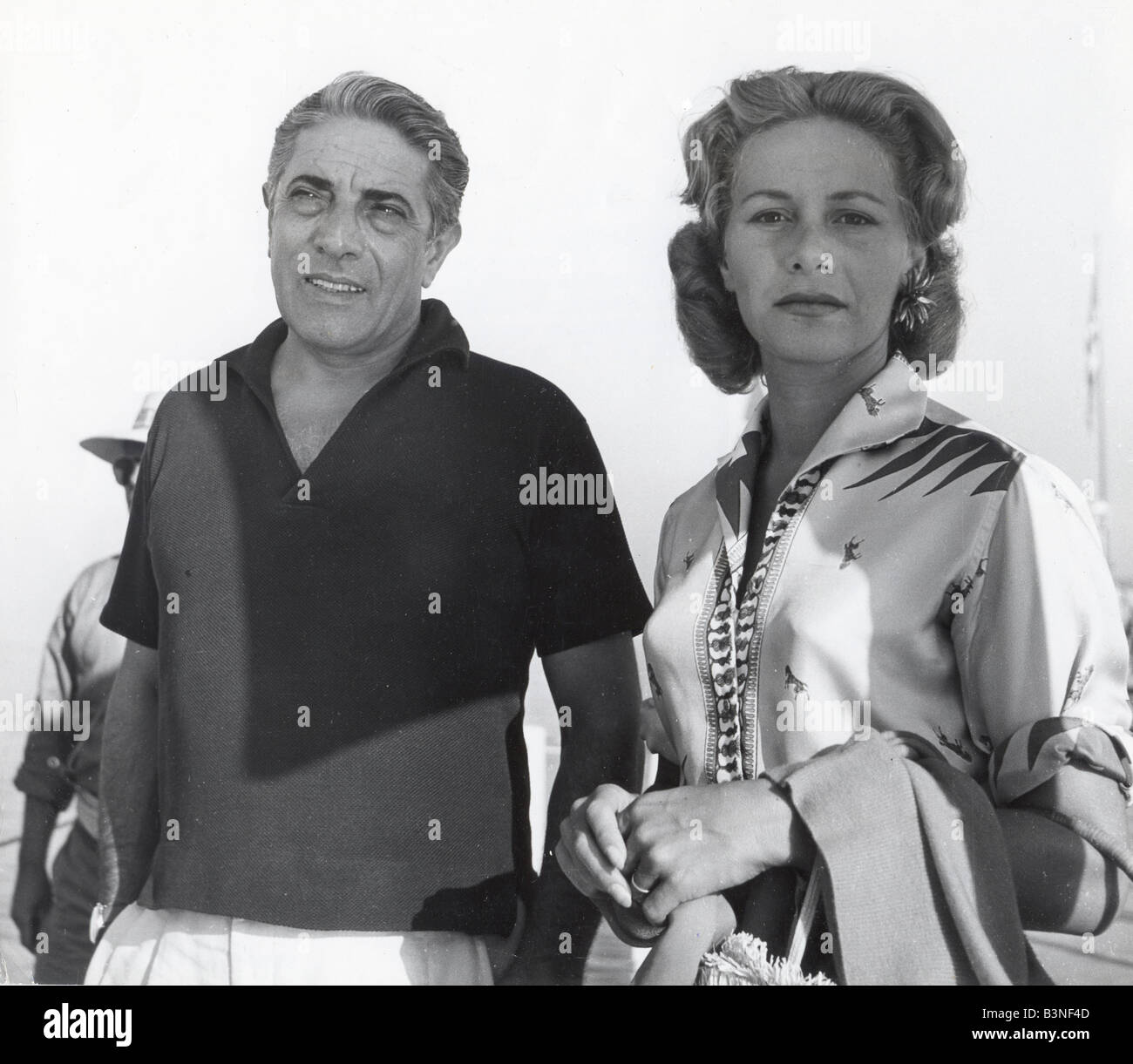
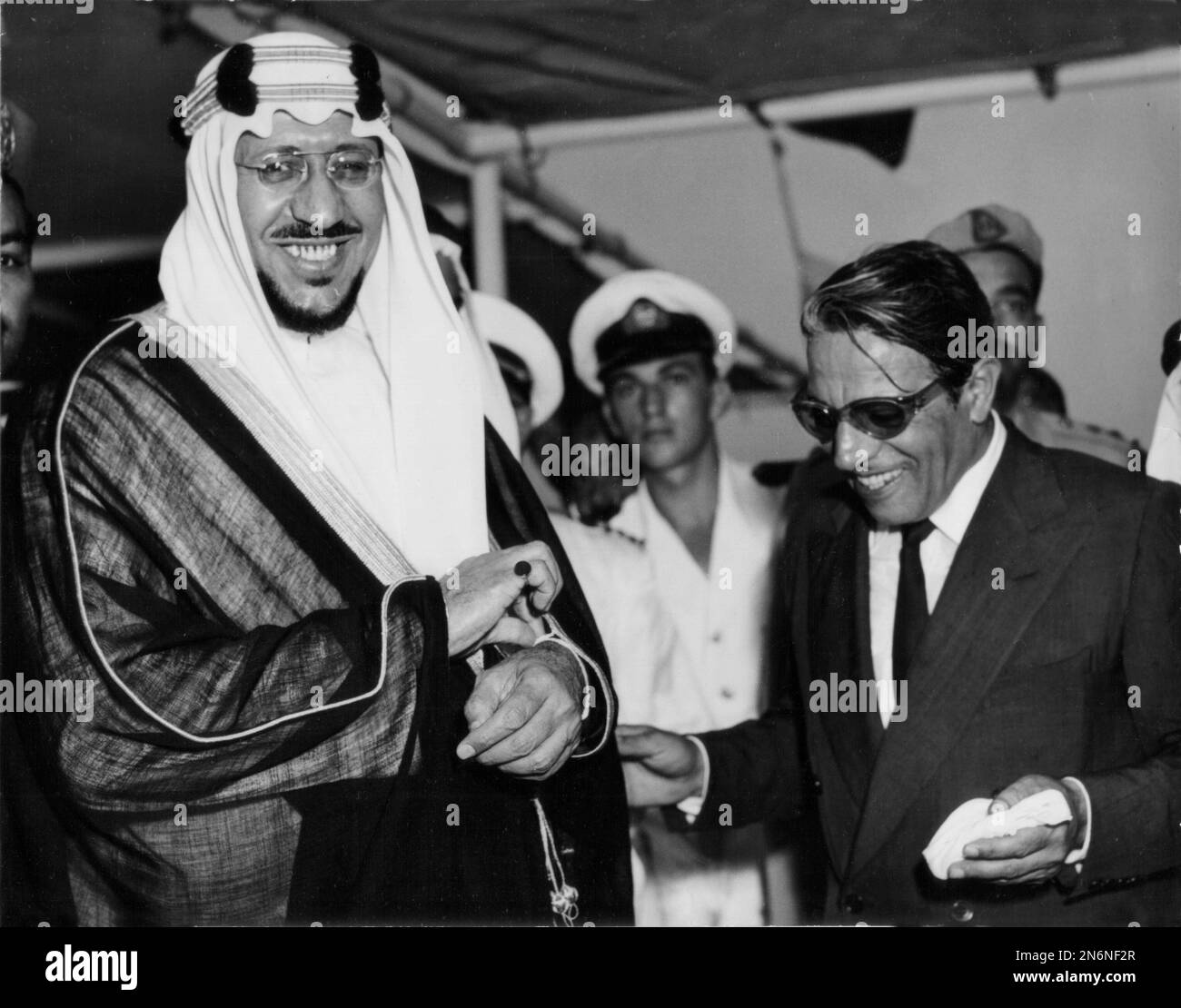
Aristotle Onassis was a pioneering Greek shipping magnate who revolutionized the maritime industry by introducing supertankers and championing the use of "flags of convenience." Beyond his massive fleet and ownership of Olympic Airways, he became a global icon through high-profile relationships with Maria Callas and Jacqueline Kennedy Onassis, defining the "jet set" lifestyle of the 20th century.
The Formative Years: From the Ashes of Smyrna to Argentine Ambition
The trajectory of Aristotle Onassis is often cited as the quintessential "rags-to-riches" story, though his origins were more complex. Born in 1906 in Smyrna (now Izmir, Turkey), Onassis was the son of a successful tobacco merchant. His world was upended in 1922 during the Great Fire of Smyrna, a catastrophic event following the Greco-Turkish War. The Onassis family lost nearly everything, and several family members were killed or imprisoned.
At age 17, with only $60 in his pocket and a refugee passport, Onassis emigrated to Buenos Aires, Argentina. His initial years were spent in grueling labor, including a stint as a night-shift telephone operator. It was during these quiet night shifts that he began to educate himself on global markets and trade. He noticed a gap in the Argentine market for Eastern European tobacco, which was milder than the local varieties. By importing Bulgarian and Turkish tobacco, he slowly rebuilt his family’s fortune, eventually becoming a millionaire by his mid-twenties.
This period was critical because it taught Onassis the importance of international arbitrage—buying where a commodity is cheap and selling where it is rare. It also established his first contact with the maritime world, as he had to navigate the complexities of shipping logistics to transport his tobacco across the Atlantic.
Engineering a Maritime Empire: The Mechanics of Shipping
By the early 1930s, the global economy was reeling from the Great Depression, but Onassis saw opportunity where others saw ruin. In 1932, while in London, he purchased six freight ships from the Canadian National Railways for $120,000—a fraction of their original value. He named his first two ships the Onassis S.W. and the Onassis Maria after his parents.
The Innovation of the Supertanker
Onassis’s most significant contribution to the shipping industry was his foresight regarding the global demand for oil. While other magnates focused on dry bulk or passenger liners, Onassis bet heavily on oil tankers. He understood that as the world transitioned from coal to petroleum, the need for massive vessels to transport oil from the Middle East to the West would skyrocket.
He commissioned the world’s first supertankers, vessels far larger than the standard T2 tankers of the era. By increasing the size of the ships, Onassis achieved significant economies of scale. He could transport more oil for a lower cost per barrel than his competitors. This strategy required immense capital, which he secured through a revolutionary financing method.
The "Money for Nothing" Strategy
Onassis pioneered a financing model that is still used in the shipping industry today. He would secure a long-term charter agreement with a major oil company (like Mobil or Texaco) before the ship was even built. He then took this guaranteed contract to an American bank as collateral for a loan. The bank would lend him the money to build the ship, the oil company’s lease payments would cover the loan installments, and Onassis would emerge at the end of the term owning a massive vessel for very little of his own cash. This allowed him to expand his fleet at a pace that was previously thought impossible.
The Art of the Deal: Flags of Convenience and Legal Maneuvers
Aristotle Onassis was instrumental in the widespread adoption of Flags of Convenience (FOC). To avoid the high taxes, strict labor regulations, and safety requirements of traditional maritime nations like the United States or Great Britain, Onassis registered his ships in countries like Panama and Liberia.
This move was not merely about tax evasion; it was about operational flexibility. By using FOCs, Onassis could hire international crews at lower wages and bypass the bureaucratic red tape that slowed down his competitors. While this made him a target for labor unions and government regulators, it allowed him to maintain a competitive edge in the cutthroat world of international shipping.
The Saudi Deal and the JEDDAH Agreement
In 1954, Onassis attempted his most audacious business maneuver: the JEDDAH Agreement. He signed a deal with the Saudi Arabian government that would have given him a virtual monopoly on the transport of Saudi oil. This move sent shockwaves through the global economy. The "Seven Sisters" (the major oil companies that controlled the industry at the time) and the United States government viewed this as a direct threat to Western energy security.
The resulting legal and political pressure was immense. The U.S. government even prosecuted Onassis for allegedly defrauding the Maritime Administration regarding the purchase of surplus WWII ships. Eventually, the Saudi deal collapsed under the weight of international sanctions and legal challenges, marking one of the few major defeats in Onassis’s career.
Olympic Airways: Taking the Greek Spirit to the Skies
In 1957, the Greek government approached Onassis to take over the struggling national carrier, TAE Greek National Airlines. Onassis rebranded the company as Olympic Airways. Under his leadership, Olympic became a symbol of luxury and prestige. He viewed the airline not just as a business, but as a flying advertisement for Greece.
Onassis spared no expense. He introduced gold-plated cutlery in first class, hired world-renowned designers for the flight attendant uniforms, and ensured that the "Five Rings" logo (a nod to the Olympics) was associated with the highest standards of service. By the 1960s, Olympic Airways was one of the few airlines in the world that turned a consistent profit while maintaining an impeccable safety record and a reputation for unmatched glamour.
The Golden Greek’s Personal Life: Icons and Rivalries
The public’s fascination with Onassis often centered more on his private life than his business acumen. His life was defined by intense rivalries and high-profile romances that kept him in the headlines for decades.
The Rivalry with Stavros Niarchos
The most enduring conflict in Onassis’s life was his rivalry with fellow Greek shipping tycoon Stavros Niarchos. The two men spent decades trying to outdo one another. If Onassis built a 30,000-ton tanker, Niarchos built a 31,000-ton tanker. Their competition extended to their personal lives; both men married the daughters of the shipping patriarch Stavros Livanos. Onassis married Tina Livanos, and after their divorce, Niarchos eventually married her as well (following the death of her sister, Eugenia, who was Niarchos's previous wife).
Maria Callas and Jacqueline Kennedy
In the late 1950s, Onassis began a legendary affair with the world-famous opera singer Maria Callas. Though both were married at the start of the relationship, their romance became the stuff of tabloid legend. Callas was deeply in love with Onassis and reportedly devastated when he abruptly left her to marry Jacqueline Kennedy, the widow of U.S. President John F. Kennedy, in 1968.
The marriage to "Jackie O" cemented Onassis’s status as a global celebrity but also brought him under intense scrutiny. The union was often characterized as a business transaction—protection and wealth for Jackie, and ultimate social prestige for Onassis. However, the marriage was often strained, particularly after the tragic death of Onassis’s son.
| Feature | Aristotle Onassis | Stavros Niarchos |
|---|---|---|
| Primary Industry | Oil Tankers / Aviation | Oil Tankers / Art Collecting |
| Key Innovation | Supertankers & FOC | Supertankers & Maritime Logistics |
| Airlines | Founded/Owned Olympic Airways | No major aviation ownership |
| Most Famous Spouse | Jacqueline Kennedy | Charlotte Ford / Tina Livanos |
| Private Island | Skorpios, Greece | Spetsopoula, Greece |
| Legacy Foundation | Alexander S. Onassis Foundation | Stavros Niarchos Foundation |
The Decline and the Onassis Foundation
The turning point in Onassis’s life occurred in 1973 when his only son, Alexander, died in a plane crash at the age of 24. Onassis was inconsolable; he had spent his life building an empire for his son to inherit. Following Alexander’s death, Onassis’s health began to fail rapidly. He was diagnosed with Myasthenia Gravis, an autoimmune neuromuscular disease.
Aristotle Onassis died on March 15, 1975, in Paris. In his will, he decreed that half of his fortune be used to establish a foundation in memory of his son. The Alexander S. Onassis Public Benefit Foundation remains one of the most significant philanthropic organizations in the world. As of 2026, the foundation continues to fund major initiatives in healthcare (such as the Onassis Cardiac Surgery Center), education, and culture, ensuring that the Onassis name remains synonymous with Greek excellence and global impact.
Analysis of the Onassis Business Legacy
To understand Onassis's success, one must look past the yachts and the famous wives to his fundamental business principles. He was a master of risk management and vertical integration. He didn't just own ships; he owned the means to finance them, the contracts to fill them, and the political connections to protect them.
- Asset Liquidity: Onassis always kept enough cash or "near-cash" assets to move quickly when a competitor faltered.
- Information Symmetry: He operated an extensive intelligence network, often knowing about geopolitical shifts before the governments involved.
- Globalist Mindset: He was a man without a country in a business sense, moving his capital and his fleet to whichever jurisdiction offered the most favorable conditions.
Frequently Asked Questions
How much was Aristotle Onassis worth at the time of his death?
At the time of his death in 1975, Aristotle Onassis's net worth was estimated to be between $500 million and $1 billion. In today's inflation-adjusted terms, this would be equivalent to several billion dollars. His assets included a massive shipping fleet, Olympic Airways, real estate in multiple countries, and the private island of Skorpios.
Did Aristotle Onassis own the most famous yacht in history?
Yes, he owned the Christina O, a converted Canadian frigate that became the ultimate symbol of wealth and power. The yacht featured a swimming pool that could be raised to become a dance floor and a bar with stools covered in whale foreskin. It hosted figures like Winston Churchill, Marilyn Monroe, and Frank Sinatra.
Why was his marriage to Jacqueline Kennedy controversial?
The marriage was controversial because it occurred only five years after the assassination of John F. Kennedy. Many Americans felt Jackie was "betraying" the memory of the President by marrying a foreign businessman often portrayed as a "pirate." In Greece, the marriage was viewed with skepticism as a clash of two very different cultures and public personas.
What happened to the Onassis shipping fleet after his death?
The fleet was divided between his daughter, Christina Onassis, and the Alexander S. Onassis Foundation. While the shipping industry has changed significantly since the 1970s, the Onassis Group (Olympic Shipping and Management S.A.) remains a major player in the global maritime industry, continuing to operate a modern fleet of tankers and dry bulk carriers.
What is the "Onassis Curse"?
The "Onassis Curse" refers to the series of tragedies that befell the family: the death of Alexander in a plane crash, the suicide of Onassis’s first wife Tina, the premature death of his daughter Christina at age 37, and Aristotle’s own decline following his son's death. This narrative has often been used by biographers to contrast his immense wealth with his personal suffering.
Practical Recommendation for Further Study
For those looking to apply Onassis’s business logic to modern ventures, the study of his charter-party financing is essential. Aspiring entrepreneurs in the logistics or energy sectors should analyze how Onassis leveraged future contracts to build current assets. Furthermore, visiting the Onassis Cultural Center (with locations in Athens and New York) provides a tangible look at how a private maritime fortune can be transformed into a lasting public legacy. As we look at the global landscape in 2026, the Onassis model of utilizing international maritime law to maximize operational efficiency remains the blueprint for the shipping industry.