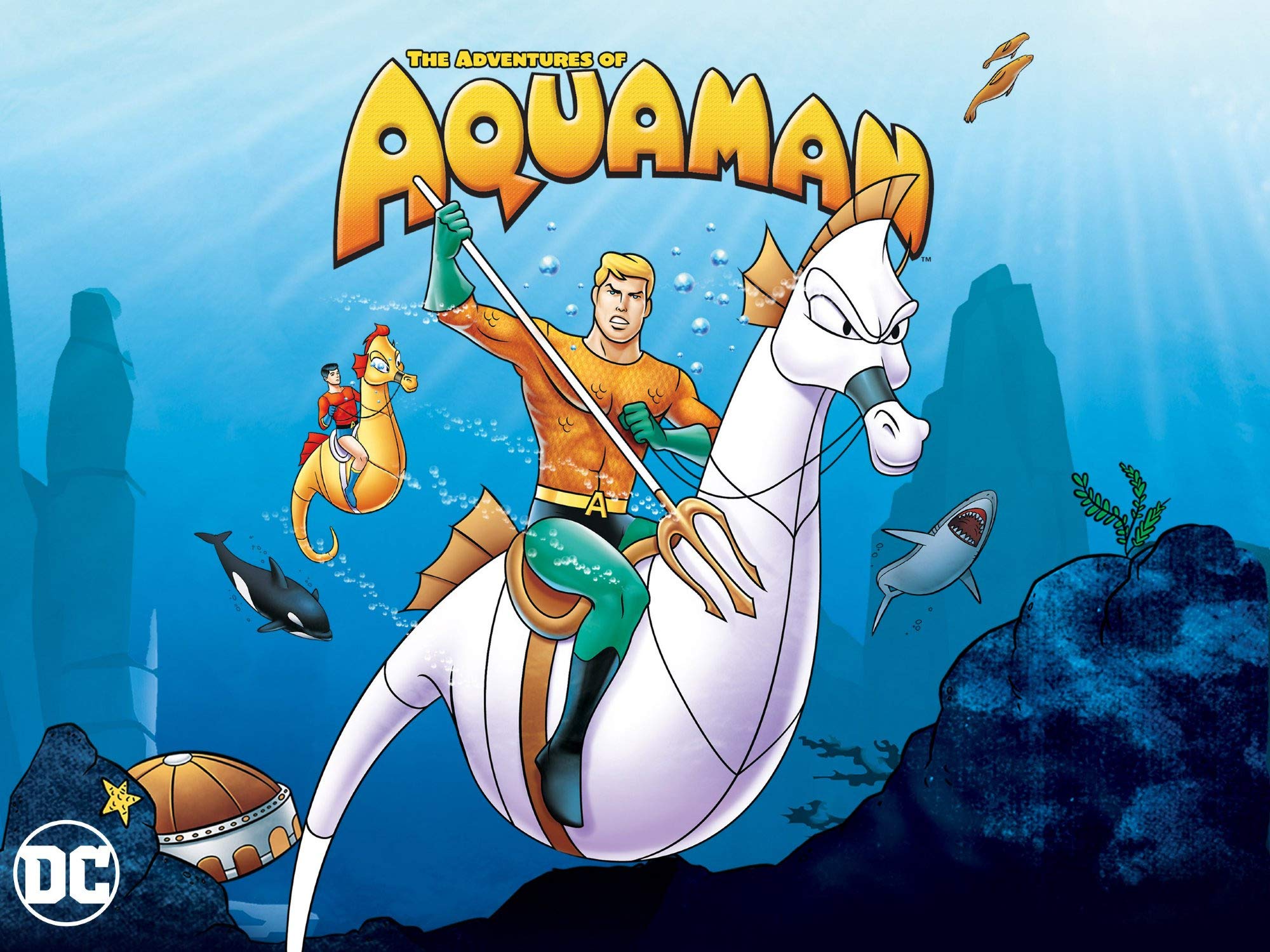
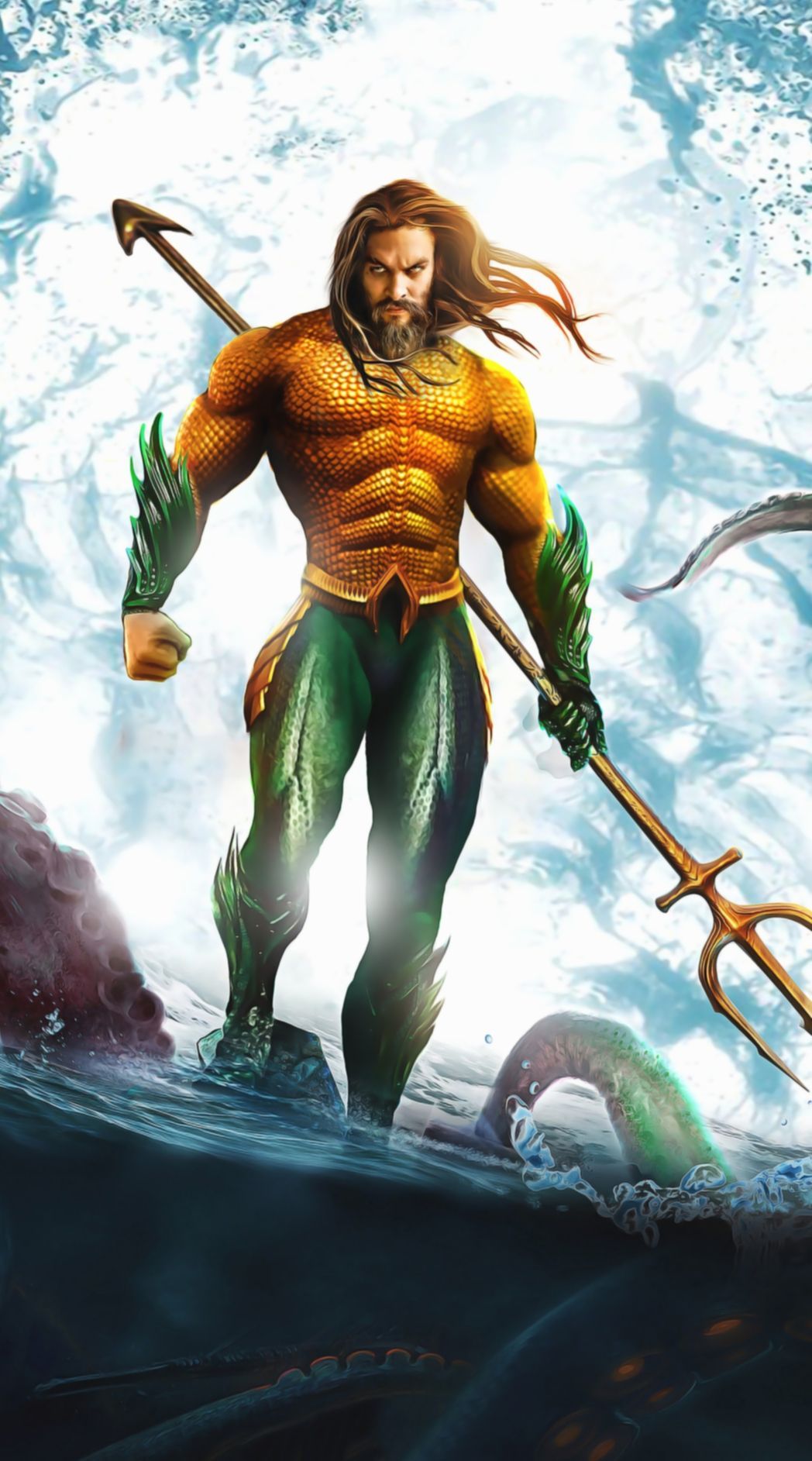
Aquaman’s role within the DC Animated Universe (DCAU) represents a transformative arc for the character, evolving from a peripheral mythological figure into a complex, authoritative, and often embattled monarch. Throughout his appearances, particularly within the Bruce Timm and Paul Dini-led creative landscape, the King of Atlantis serves as a bridge between the surface world's geopolitical struggles and the deep-sea isolationism of his kingdom.
The DCAU version of Aquaman—specifically Arthur Curry—is defined by his transition from the "Super Friends" archetype into a hardened, battle-scarred ruler. While his initial appearances focused on his status as an outsider struggling to maintain the sovereignty of Atlantis, later storylines expanded his role to include duty, parental sacrifice, and the precarious balance of power between humanity and the oceanic depths. Unlike some of his Justice League peers, Aquaman’s presence in the DCAU is marked by physical and political stakes that often result in permanent, life-altering consequences, setting a precedent for how animated media handles legacy comic book characters.
The Origins and Developmental Context of Aquaman in the DCAU
The DC Animated Universe officially began with Batman: The Animated Series in 1992, but it was not until the expansion into Superman: The Animated Series and, eventually, Justice League and Justice League Unlimited that the broader pantheon of heroes was solidified. Within this timeline, Aquaman’s introduction was handled with a deliberate emphasis on his gravitas and the burden of his crown.
In the DCAU continuity, Arthur Curry is not merely a hero with underwater capabilities; he is the undisputed King of Atlantis. This distinction is critical to understanding his characterization. His primary concern is rarely the petty squabbles of surface-level criminals, but rather the preservation of his kingdom and the prevention of ecological or military incursions by surface dwellers. The writing team chose to emphasize his regal temper and the isolationist nature of his rule, which frequently put him at odds with the diplomatic ideals of the Justice League.
Physicality and The "Hook" Design
A defining moment for the character in this universe was the adoption of the "hook-hand" aesthetic. Following the 1990s comic book trend, the DCAU version eventually lost his left hand, replacing it with a golden hook. This visual shift served as a narrative shorthand for his growing intensity and the toll his duties had taken on him. It reinforced that the DCAU was willing to depict permanent injuries, adding a layer of grit to a character who had historically been perceived by mainstream audiences as "the guy who talks to fish."
Key Story Arcs and Character Dynamics
Aquaman’s most significant contributions to the DCAU are found in his confrontations with his brother, Orm (the Ocean Master), and his complex relationship with the Justice League. His narrative trajectory is defined by a consistent, escalating pressure to defend Atlantis from both internal treason and external threats.
Conflict with Atlantis and Orm
The internal politics of Atlantis remain the primary driver of Aquaman’s storylines. His struggle is defined by the tension between his human heritage and his Atlantean royal obligations. The DCAU portrays this conflict not just as a struggle for the throne, but as a struggle for the soul of the Atlantean people. Orm is consistently depicted as a radical nationalist, pushing Arthur to abandon neutrality and declare total war on the surface world. Arthur’s refusal to do so is the core of his heroism—he is a man capable of total destruction who actively chooses restraint.
Relationship with the Justice League
When Aquaman joins the Justice League, his membership is conditional. He acts as an emissary rather than a subordinate. In episodes like "The Enemy Below," the dynamic is one of wary cooperation. He respects the League’s power, but he deeply distrusts their intentions toward his borders. This dynamic provides a necessary counterpoint to characters like Superman or Martian Manhunter, who represent more universal, extraterrestrial, or idealistic perspectives. Aquaman remains the grounded, albeit regal, voice of sovereign skepticism.
Comparison of Aquaman’s Representation in DCAU Media
The following table outlines how Arthur Curry’s characterization and status shift across specific key appearances within the established DCAU continuity.
| Appearance / Episode | Primary Narrative Role | Character Status |
|---|---|---|
| Superman: TAS "A Fish Story" | Reluctant Ally | Protecting sovereign waters |
| Justice League "The Enemy Below" | Diplomatic Liaison | Struggling with internal insurrection |
| Justice League "The Terror Beyond" | Mystical Combatant | Balancing royal duty with global threats |
| Justice League Unlimited | Global Power Broker | Senior member, often on sabbatical |
The Legacy of the "King of Atlantis" Narrative
The DCAU set a standard for character development that moved beyond the "monster-of-the-week" format. Aquaman’s arc, specifically his loss of his hand and his subsequent decision to sever his own hand in order to save his son, remains one of the darkest and most poignant moments in the history of the Justice League animated series. This decision underscored the theme that in the DCAU, power comes with a price.
This portrayal influenced how future iterations of the character would be handled in both animation and live-action media. By stripping away the more campy elements of the character and focusing on the crushing weight of kingship, the producers ensured that Aquaman was viewed as a peer to the "Big Three" (Superman, Batman, and Wonder Woman) rather than an auxiliary member.
Themes of Isolationism vs. Global Responsibility
A recurring theme in Aquaman’s DCAU appearances is the concept of "isolationism." As a king, his priority is the well-being of his subjects, which forces him to make choices that are often unpopular with his fellow heroes. This is not depicted as villainy, but as a legitimate ethical dilemma. When Aquaman chooses to withhold Atlantean resources or technology, it forces the audience to consider the perspective of a ruler whose territory is the vast, hidden majority of the planet's surface.
Technical Considerations for DCAU Collectors and Viewers
For those interested in revisiting these episodes or analyzing the production history, it is important to distinguish between the core DCAU (1992–2006) and later standalone DC Animated Movies (DCAMU).
- Viewing Order: To experience the character growth of Aquaman fully, it is recommended to view his appearances in Superman: The Animated Series before moving into the Justice League two-part episodes. The setup regarding his relationship with Atlantis is crucial for the later payoffs.
- Production Notes: The character design for Aquaman evolved significantly between his debut in Superman: The Animated Series and his final appearances in Justice League Unlimited. Observations of these changes show the studio’s increasing comfort with darker, more angular art styles.
- Availability: As of 2026, the complete DCAU library, including all Aquaman-centric episodes, remains available through various digital distribution services. Ensure you are accessing the "Timm-verse" content specifically, as modern DC animated films often utilize different voice casts and distinct narrative timelines.
Frequently Asked Questions
Why does Aquaman have a hook hand in the DCAU?
Aquaman adopts the hook hand after he is forced to sever his own hand to prevent a tragedy involving his infant son. This narrative decision was taken directly from the comic book lore of the 1990s and served to emphasize the mature, often visceral stakes present in the later seasons of the Justice League series.
Is Aquaman a core member of the Justice League in the DCAU?
Yes, he is considered a founding member and a vital ally. However, unlike Superman or Batman, his focus is primarily on the governance of Atlantis. He frequently steps away from League duties to manage Atlantean politics, making him a "part-time" active member compared to the full-time residents of the Watchtower.
How does the DCAU version of Aquaman compare to the movies?
The DCAU version is significantly more grounded in political drama and royal duty. While live-action versions often lean into action-adventure tropes or comedic relief, the DCAU iteration acts as a serious, occasionally brooding monarch, emphasizing his diplomatic status as a King rather than just an ocean-dwelling vigilante.
What is the relationship between Aquaman and the Surface World in the DCAU?
His relationship is characterized by mutual distrust. While he respects heroes like Superman, he maintains a strict border control policy regarding Atlantis. He views the surface world as a volatile, destructive force, which provides consistent tension throughout his appearances in the Justice League series.
Are there any other Atlantean characters in the DCAU?
Yes, the DCAU expands on his supporting cast, most notably including Mera and various members of his royal guard. These characters are used to highlight the political instability of Atlantis, which serves as the primary obstacle to Arthur’s attempts at peace.
Final Recommendations for Enthusiasts
To fully appreciate Aquaman in the DCAU, one must look past the surface-level action and focus on the political maneuvering he performs in every episode. He is a tragic, noble, and weary figure. If you are a student of animation history, focus on the "The Enemy Below" two-parter; it remains the gold standard for how to write a character who is simultaneously a hero and a ruler with conflicting loyalties. For those looking to see the character at his most vulnerable, the later appearances in Justice League Unlimited showcase a man who has finally accepted his role as the necessary, albeit lonely, protector of two worlds.