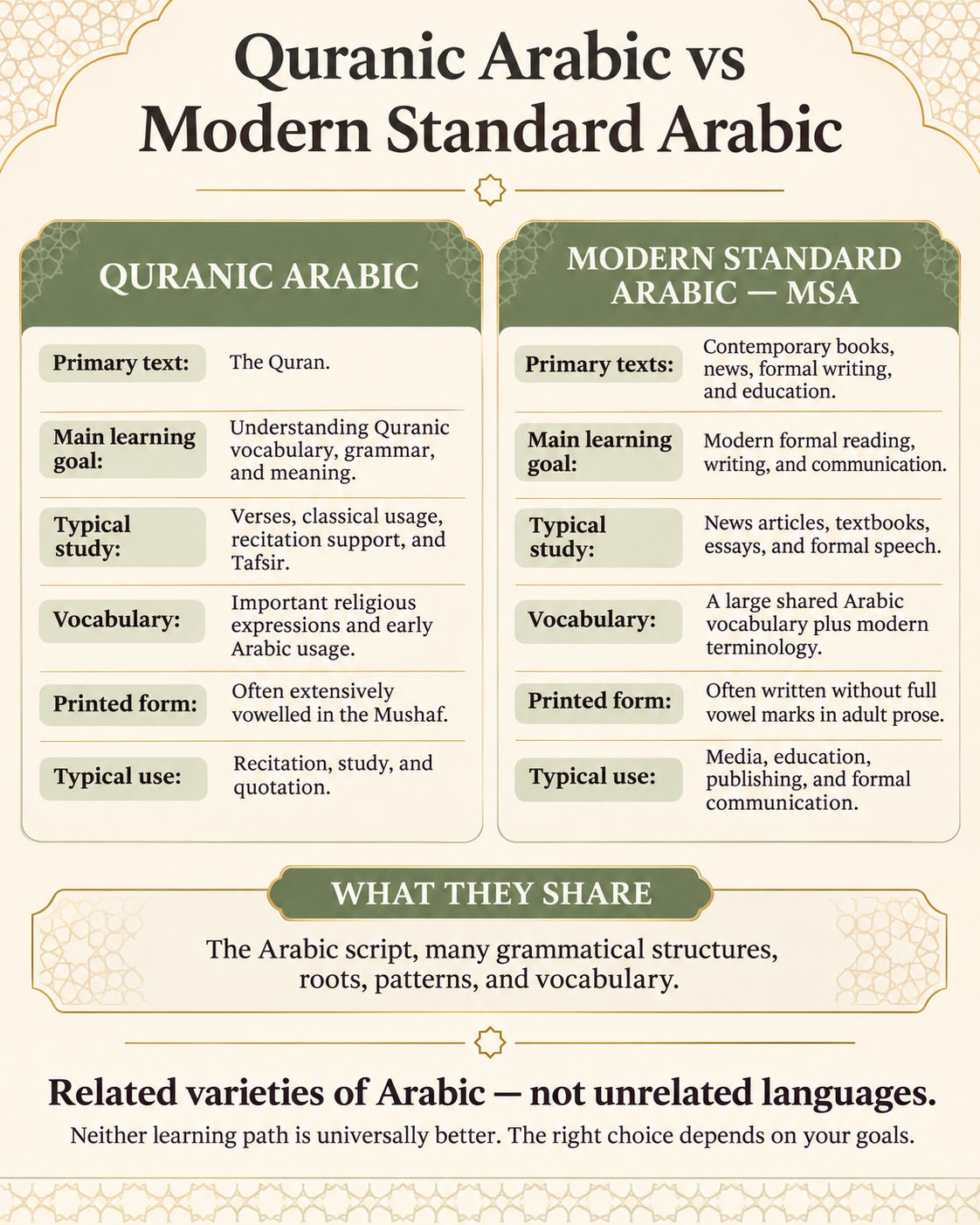
Arabic articles play a pivotal role in shaping meaning, specificity, and grammatical structure within the language. Unlike English, which utilizes both definite ("the") and indefinite ("a/an") articles, Arabic functions primarily through a distinct definite article prefix and the absence of an explicit indefinite article, relying instead on a grammatical feature known as tanwin (nunation). Mastering these components is essential for anyone aiming to achieve fluency in Modern Standard Arabic (MSA), as they dictate how nouns, adjectives, and entire phrases are perceived in both formal and informal contexts.
Understanding the Definite Article (Al-Ta'rif)
The definite article in Arabic is the prefix "ال" (al-). When attached to the beginning of a noun, it converts a generic, indefinite noun into a specific, definite one. For example, while "kitab" (كتاب) means "a book," adding the definite article creates "al-kitab" (الكتاب), which translates to "the book."
This prefix is not merely an attached particle; it carries significant phonological implications. The "l" (lam) in "al-" interacts with the first letter of the following noun based on a classification system known as "Sun" and "Moon" letters.
The Lunar and Solar Letters
The pronunciation of the definite article is governed by the nature of the first letter of the noun it modifies. This is a foundational rule in Arabic phonology that ensures the fluidity of speech:
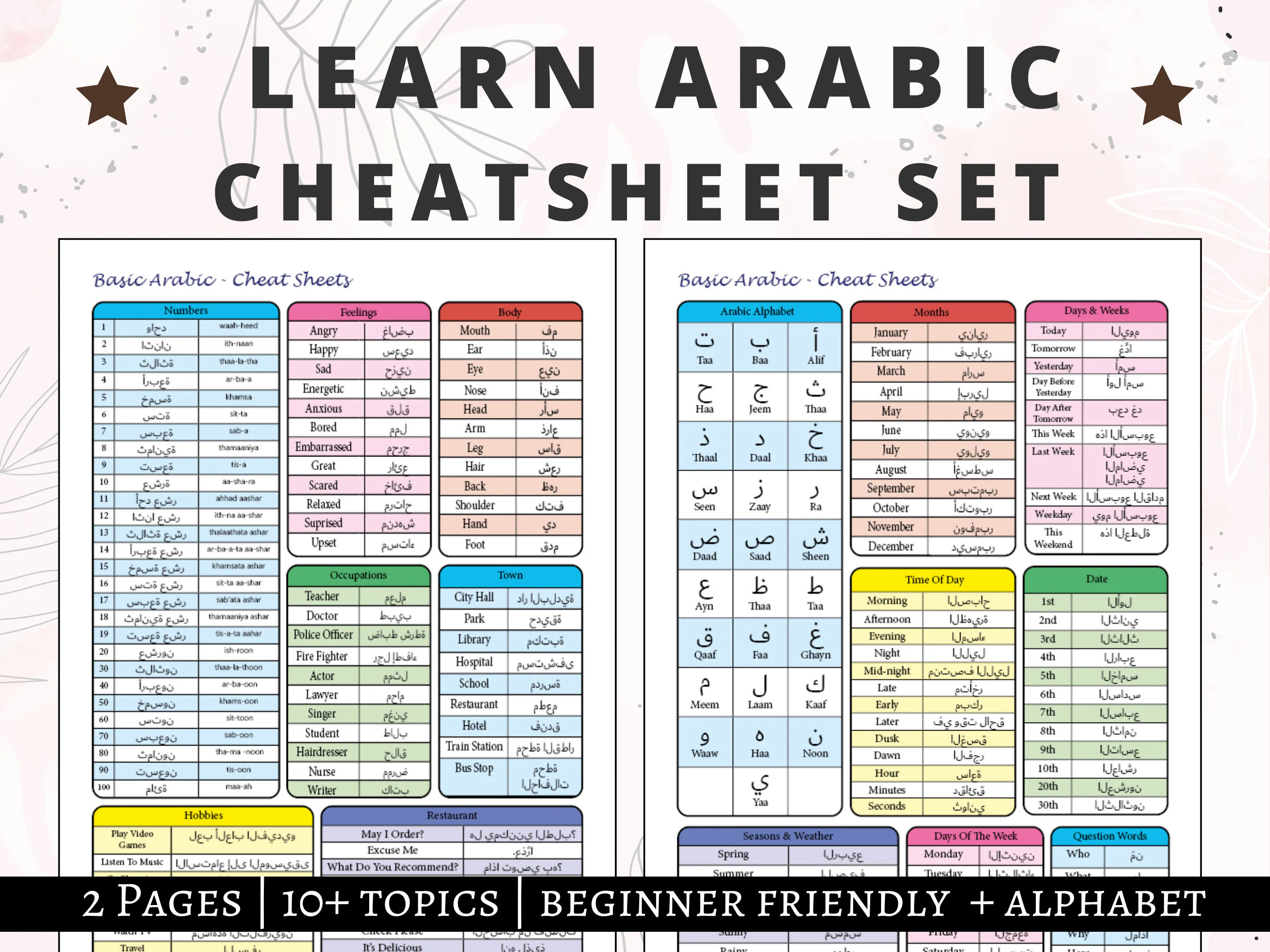
- Moon Letters (Al-Huruf al-Qamariyah): When a noun begins with one of these letters, the "l" in the definite article is clearly pronounced. These letters are: ا (alif), ب (ba), ج (jim), ح (ha), خ (kha), ع (ayn), غ (ghayn), ف (fa), ق (qaf), ك (kaf), م (mim), ه (ha), و (waw), and ي (ya).
- Example: "Al-qamar" (القمر) – The moon. The "l" is audible.
- Sun Letters (Al-Huruf al-Shamshiyah): When a noun begins with one of these letters, the "l" in "al-" is assimilated into the following letter. This results in the doubling (shadda) of that initial letter. The sun letters are: ت (ta), ث (tha), د (dal), ذ (dhal), ر (ra), ز (zay), س (sin), ش (shin), ص (sad), ض (dad), ط (ta), ظ (za), ل (lam), and ن (nun).
- Example: "Al-shams" (الشمس) becomes "Ash-shams." The "l" sound is replaced by a doubled "sh."
The Concept of Indefiniteness and Tanwin
In Arabic, there is no direct equivalent to the English indefinite article "a" or "an." Indefiniteness is the default state for nouns. If a noun lacks the definite article "ال," it is considered indefinite by nature. To mark this state, the language employs tanwin—a diacritical mark consisting of two short strokes placed over or under the final letter of a noun.
The Three Forms of Tanwin
The specific form of the tanwin depends on the grammatical case (i'rab) of the noun within the sentence:
- Nominative (Marfu'): Indicated by "un" (ـٌ). Used when the noun is the subject or predicate.
- Accusative (Mansub): Indicated by "an" (ـًا). Usually requires an extra "alif" at the end of the word (unless the word ends in a ta-marbuta or an alif-hamza).
- Genitive (Majrur): Indicated by "in" (ـٍ). Used when the noun follows a preposition or acts as a possessor.
Understanding this system is critical. A mistake in tanwin usage can change the grammatical function of a word, which in turn alters the meaning of the entire sentence in formal writing and academic discourse.
Comparative Overview of Article Usage
To bridge the gap between English and Arabic, it is useful to observe how articles function in different contexts.
| Feature | English | Arabic (Modern Standard) |
|---|---|---|
| Definite Article | "The" (Separate word) | "ال-" (Attached prefix) |
| Indefinite Article | "A" / "An" (Separate word) | None (Indicated by tanwin) |
| Phonetic Shift | None | Yes (Sun vs. Moon letters) |
| Placement | Before the noun | Before the noun |
| Grammatical Case | No impact | Dictates tanwin suffix |
Nuances in Modern Usage
While the core rules remain fixed, Modern Standard Arabic exhibits flexibility in how these articles are used, particularly in contrast to colloquial dialects.
Definite Articles in Generic Statements
In English, we often use the definite article for generic statements (e.g., "The lion is a dangerous animal"). In Arabic, this is also common; using "al-asad" (الأسد) refers to the category of lions in general, not just a specific lion. However, there are instances where indefinite nouns are preferred to emphasize a specific quality or quantity rather than the identity of the object.
The Absence of Articles in Construct States (Idafa)
One of the most important rules for learners is the interaction between the definite article and the idafa (possessive construction). In an idafa, the first noun (the possessed) cannot take the definite article. Instead, it derives its definiteness from the second noun (the possessor).
- Example: "The book of the teacher" is not "Al-kitab al-mu'allim" (which is grammatically incorrect). It must be "Kitab al-mu'allim" (كتاب المعلّم). The lack of "al-" on "kitab" indicates it is part of a construct state.
Common Mistakes and Troubleshooting
Learners frequently encounter difficulties when applying article rules in real-time communication. Below are the most common pitfalls:
1. Over-using the Definite Article
New speakers often try to translate "a" or "an" into an Arabic word. Because "a" does not exist, they may mistakenly add the definite article "al-" out of habit.
- Correction: If you are describing something generic, remove the "al-" and ensure you are comfortable with the indefinite status of the noun.
2. Misidentifying Sun and Moon Letters
Failing to assimilate the "l" into a sun letter is a common error that makes speech sound unnatural.
- Troubleshooting: Focus on the transition. If the next letter is a sun letter, your tongue should be positioned to pronounce that letter immediately, effectively skipping the "l" sound entirely.
3. Confusing "Al-" with Adjectives
Remember that when you add an adjective to a noun, the adjective must match the noun in terms of definiteness. If you say "Al-kitab al-jadid" (The new book), both words must carry the definite article. If you say "Kitab jadid" (A new book), neither word should have it. Mismatching these—such as saying "Al-kitab jadid"—turns the phrase into a sentence: "The book is new."
FAQ: Frequently Asked Questions
Q: Can a noun have both an indefinite tanwin and a definite article? A: No. A noun can either be definite (prefixed with "al-") or indefinite (suffixing with tanwin). They are mutually exclusive. Adding "al-" effectively "locks" the noun and prohibits the use of tanwin.
Q: Does every Arabic word take an article? A: No. Proper nouns (names of people, cities, or countries) are inherently definite and do not require the "al-" prefix, nor do they take tanwin (diptotes). Pronouns and demonstratives also operate outside of this article system.
Q: How do I know if a noun is definite if there is no "al-"? A: In Arabic, a noun is definite if it has the "al-" prefix, if it is a proper name, if it is a pronoun, or if it is the first word in an idafa construction where the second word is definite.
Q: Is there any scenario where the definite article is optional? A: In formal Modern Standard Arabic, the usage is strictly governed by grammar. In informal speech or some modern media contexts, rules can sometimes be relaxed, but for academic, legal, or professional writing, strict adherence to definite/indefinite rules is required for clarity.
Q: Why do some words end with an "alif" when they are indefinite? A: When a noun is in the accusative case (mansub) and has tanwin, it requires a helper alif (ـًا). This is a orthographic convention in the Arabic writing system that helps maintain the flow and visual balance of the word in text.
Next Steps for Mastery
To fully grasp the usage of articles in Modern Arabic, focus on reading texts aloud. By reading newspapers or literature, you can observe how writers transition between definite and indefinite states to build a narrative. Start by isolating nouns in a paragraph and determining why they are definite or indefinite. Practice identifying whether the next word begins with a Sun or Moon letter before you speak, as this will eventually become an intuitive reflex. For those serious about technical proficiency, keep a reference guide for i'rab (grammatical case markings) to ensure your tanwin usage remains consistent with the structural requirements of your sentences.