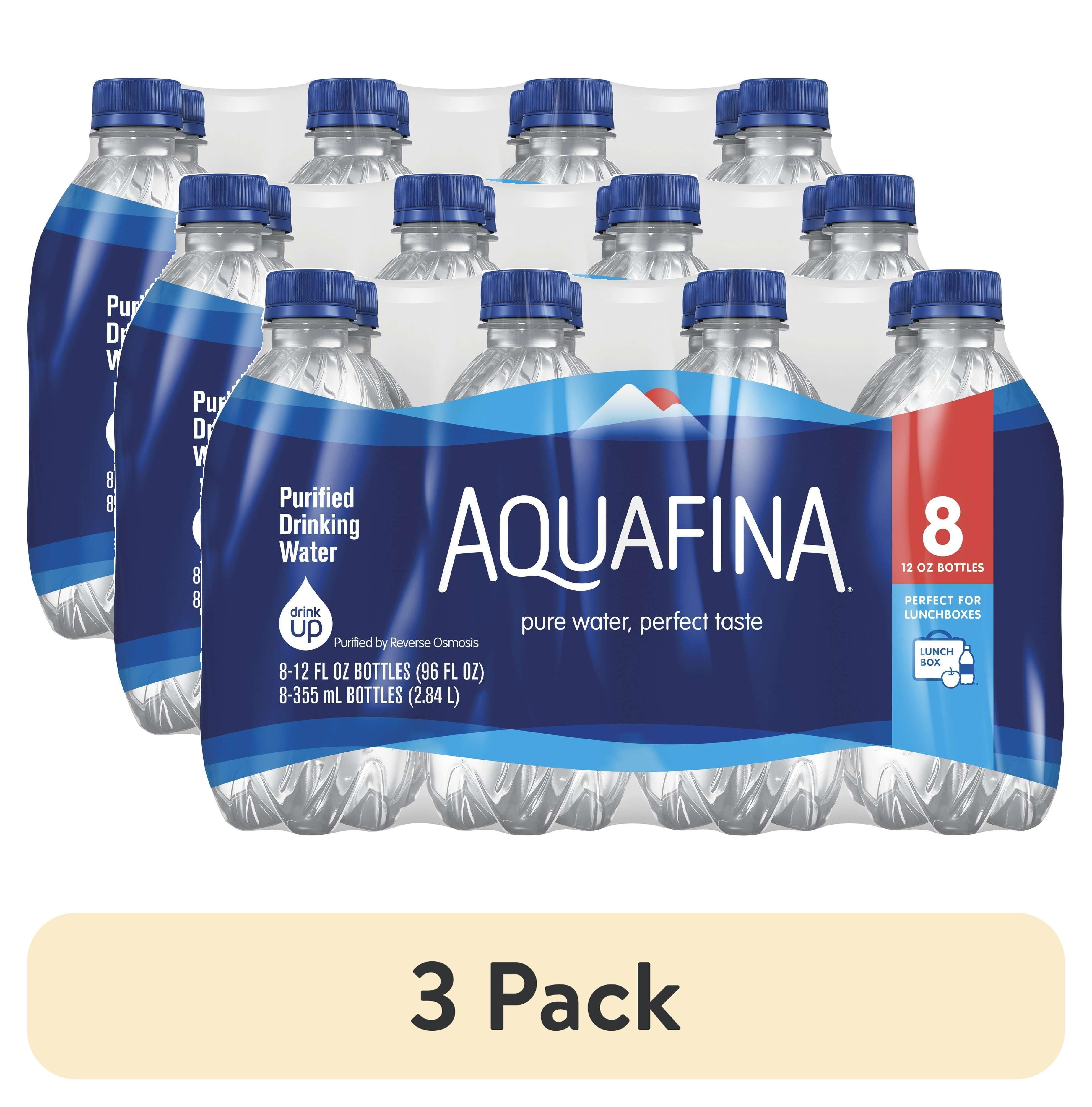
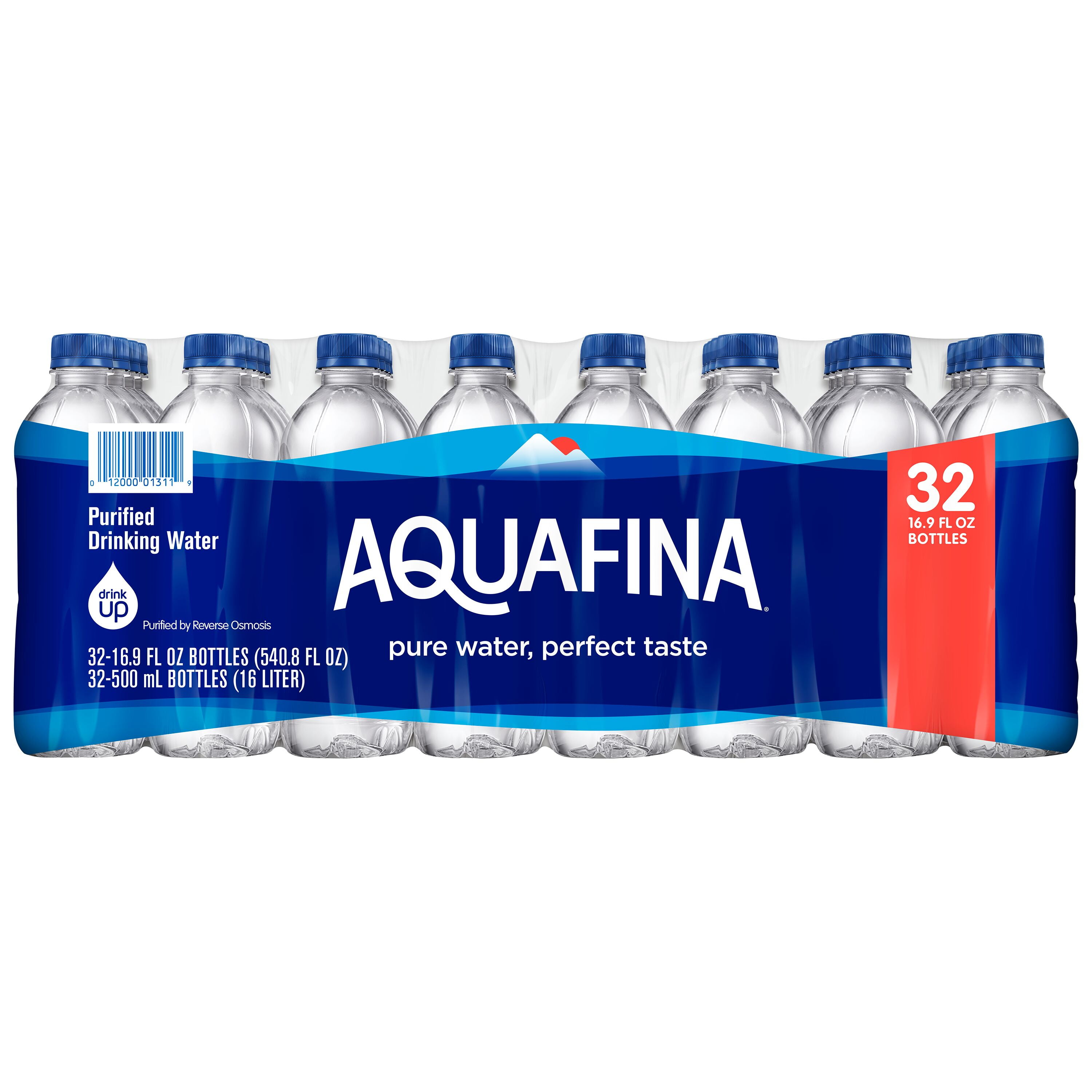
Aquafina does not possess an independent "net worth" because it is not a standalone publicly traded company or a separate legal entity. Instead, it is a flagship product brand owned and operated by PepsiCo, one of the world's largest food and beverage corporations. Consequently, its financial value is subsumed within the broader market capitalization and assets of its parent company, which currently operates with a multi-hundred-billion-dollar valuation.
The Corporate Structure of Aquafina
To understand the financial standing of a brand like Aquafina, it is essential to distinguish between a brand identity and a business entity. Aquafina is a bottled water brand introduced by PepsiCo in 1994. From an organizational perspective, it functions as an asset within the massive beverage portfolio of PepsiCo, sitting alongside other iconic brands like Gatorade, Mountain Dew, and Lipton.
Because PepsiCo manages Aquafina as part of a highly diversified ecosystem, the brand’s "net worth" is not reflected on a separate balance sheet. When investors analyze the value of PepsiCo, they look at the consolidated revenue, profit margins, and market capitalization of the entire corporation. Aquafina contributes to these figures through its contribution to the North American beverage segment, but its specific financial impact is aggregated with thousands of other products.
Why Brands Lack Individual Net Worth
In the world of corporate finance, "net worth" is a term typically reserved for individuals or, more broadly, a company’s shareholders' equity. For a product line, the more accurate metric is "brand equity" or "market share." Brand equity refers to the value premium that a company generates from a product with a recognizable name compared to a generic equivalent.
Aquafina’s value is derived from several operational pillars:
- Distribution Infrastructure: Access to PepsiCo’s vast supply chain, which ensures that Aquafina is present in retail outlets, vending machines, and food service locations globally.
- Marketing Expenditures: The cumulative investment in advertising that has solidified consumer recognition over the past three decades.
- Manufacturing Efficiency: PepsiCo’s ability to utilize municipal water sources, treat them via rigorous purification processes (such as reverse osmosis), and bottle them at scale.
PepsiCo’s Financial Landscape in 2026
As of 2026, PepsiCo remains a titan in the global consumer goods sector. To gauge the scale of the organization that supports Aquafina, one must look at the parent company’s performance. PepsiCo consistently reports annual revenues exceeding $90 billion, driven by both its snack division (Frito-Lay) and its beverage division.
The financial health of the brand is inextricably linked to the parent company’s ability to navigate global commodity costs—such as the price of polyethylene terephthalate (PET) plastic for bottles—and the shifting regulatory landscape regarding water rights and sustainable packaging. Because Aquafina is a high-volume, relatively low-margin product, its "value" is predicated on massive sales velocity rather than individual high-priced unit sales.
Comparative Market Positioning
Aquafina operates in a highly competitive bottled water market, frequently vying for shelf space against other massive corporate entities. The following table illustrates the parent-company landscape for the most prominent bottled water brands found in retail environments today.
| Brand | Parent Company | Market Focus |
|---|---|---|
| Aquafina | PepsiCo | Purified Water/Broad Retail |
| Dasani | The Coca-Cola Company | Purified Water/Broad Retail |
| Evian | Danone | Natural Spring Water/Premium |
| Nestlé Pure Life | BlueTriton Brands | Purified Water/Broad Retail |
| Smartwater | The Coca-Cola Company | Vapor-Distilled/Premium |
This comparison highlights that the "net worth" of a water brand is largely a reflection of the distribution power of the parent firm. PepsiCo and Coca-Cola dominate the "purified" segment precisely because their massive logistics networks make low-margin, high-volume products profitable.
Revenue Streams and Operational Costs
The financial contribution of Aquafina to PepsiCo is not just about sales price; it is about operational discipline. The process of taking municipal water, purifying it through reverse osmosis, adding minerals for taste, and packaging it requires a sophisticated network of bottling plants.
- Fixed Assets: These include the industrial filtration systems, high-speed bottling lines, and warehousing facilities dedicated to beverage production.
- Variable Costs: These are dominated by the costs of plastic resins for bottles, label printing, logistics, and transportation.
- Marketing and Licensing: Although PepsiCo owns the brand, they occasionally engage in licensing or co-branding efforts, which represent intangible assets that contribute to the company's overall valuation.
Regulatory and Sustainability Impacts on Valuation
In 2026, the valuation of any bottled water brand is increasingly sensitive to environmental, social, and governance (ESG) standards. Aquafina’s financial profile is shaped by the cost of compliance with global and local environmental regulations.
The move toward recycled PET (rPET) plastics and the reduction of virgin plastic usage represent significant capital expenditures. While these initiatives are essential for corporate sustainability targets, they also alter the cost structure of the brand. Analysts often assess how well a company manages these transitions, as failure to comply with environmental standards can lead to fines, litigation, and significant damage to brand reputation, which is a direct hit to the intangible asset value of the brand.
Frequently Asked Questions
Does PepsiCo publish specific earnings for Aquafina? No, PepsiCo does not provide a granular breakdown of net profit for individual brands like Aquafina in its public filings. These figures are bundled into the broader performance metrics of the North American and international beverage segments.
Is Aquafina considered a luxury asset? No. Aquafina is positioned as a mass-market, high-volume consumer product. Its value is built on accessibility and consistent quality rather than exclusivity or luxury branding, which differentiates it from high-end mineral water brands.
How is the value of a brand like Aquafina calculated? Marketing firms and financial analysts use techniques like "Brand Valuation," which estimates the future earnings attributable to the brand alone, isolating it from the parent company's tangible assets. This involves assessing market share, customer loyalty, and long-term profit margins.
What is the biggest risk to Aquafina’s financial value? The primary risks include changes in consumer preference toward tap water, increasingly strict regulations on plastic waste and water extraction rights, and competition from private-label (store-brand) water, which often undercuts the price of national brands.
Can investors buy stock specifically in Aquafina? No. Because it is a brand owned by PepsiCo, there is no separate ticker symbol or equity for Aquafina. The only way to invest in the financial performance of the brand is by purchasing shares of PepsiCo (PEP).
Next Actions for Financial Research
If your interest in Aquafina’s "net worth" is driven by an interest in investing, the most productive step is to review the most recent PepsiCo Annual Report (Form 10-K). By examining the section on "Beverage North America," you can see the overall growth trends, volume metrics, and risk factors that dictate the success of the entire category in which Aquafina competes. Avoid seeking unofficial net worth estimates on non-financial websites, as these are often speculative and do not rely on audited corporate filings.