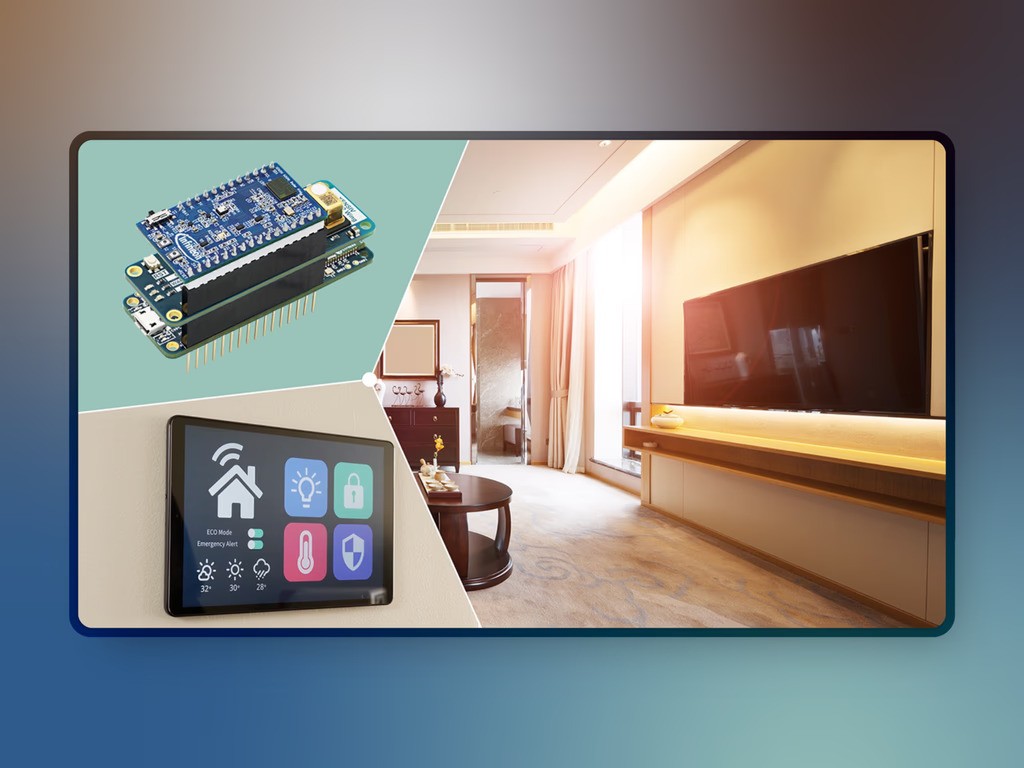
Apryl provides a sophisticated IoT ecosystem that transforms traditional smart homes into proactive, ambient environments using non-intrusive sensor technology and predictive AI. By 2026, Apryl has optimized smart home connectivity by prioritizing Matter-standard interoperability and edge-based behavioral analytics to improve energy efficiency and independent living for seniors.
The Shift from Reactive Gadgets to Proactive Environments
The smart home industry has undergone a fundamental transformation. In the early 2020s, "connectivity" often meant a collection of disparate devices—smart bulbs, thermostats, and cameras—each requiring its own app and manual triggers. By 2026, Apryl has led the charge in moving the industry toward Ambient Intelligence. This concept focuses on a home that understands the needs of its occupants without requiring constant voice commands or smartphone interactions.
Apryl’s innovation lies in its ability to synthesize data from low-power, non-intrusive sensors to create a comprehensive "situational awareness" of the home. Rather than relying on privacy-invasive cameras, Apryl utilizes a mesh of motion, vibration, humidity, and temperature sensors. These devices communicate through advanced networking protocols to build a baseline of daily routines. When the system detects a deviation—such as a heating system failing or a change in an elderly resident’s mobility patterns—it initiates automated responses or alerts designated caregivers.
This evolution is particularly critical in the context of the global "aging in place" trend. Connectivity is no longer just about convenience; it is a vital utility for health and safety. Apryl’s connectivity framework ensures that even if one sensor fails, the mesh network remains robust, providing continuous monitoring that is both reliable and respectful of personal privacy.
The Technical Foundation: Matter, Thread, and Edge AI
To achieve seamless connectivity, Apryl has fully embraced the Matter protocol and Thread networking standards. As of 2026, these technologies have solved the fragmentation issues that previously plagued the smart home market.
Matter Interoperability
Apryl hardware serves as a bridge between specialized telecare sensors and the broader Matter ecosystem. This means an Apryl sensor can trigger a third-party Matter-enabled light or smart plug without complex middleware. The primary benefit for users is vendor neutrality. By 2026, the Apryl Hub acts as a "Thread Border Router," allowing high-speed, low-latency communication across the entire home network without overloading the central Wi-Fi router.
Edge-Based Processing
One of Apryl's most significant technical innovations is the move toward Edge AI. Historically, smart home data was sent to the cloud for analysis, raising concerns about data breaches and latency. Apryl’s 2026 hardware lineup processes behavioral patterns locally on the hub.
- Privacy: Raw data never leaves the home; only high-level alerts or anonymized status updates are transmitted.
- Reliability: The system continues to function even during internet outages.
- Speed: Local processing allows for near-instantaneous triggers, which is crucial for safety-critical applications like fall detection or leak prevention.
Core Components of the Apryl Ecosystem
Apryl’s connectivity suite is built around a modular architecture, allowing homeowners and housing providers to scale their systems based on specific needs.
- The Apryl Gateway (Hub): The central nervous system of the home. It supports Matter over Thread, Zigbee 3.0, and Wi-Fi 6E. In 2026, the hub includes a backup battery and an integrated eSIM for cellular failover, ensuring the home remains "smart" during power or internet failures.
- Multi-Sensors: Small, battery-operated units that monitor PIR (Passive Infrared) motion, ambient light, temperature, and humidity. These are designed to blend into the decor, emphasizing the "invisible" nature of modern connectivity.
- Vibration and Acoustic Sensors: These specialized devices attach to appliances or entry points. They can detect if a washing machine is leaking or if a window has been tampered with by analyzing frequency patterns.
- Energy Monitoring Bridges: These connect directly to the home's smart meter or individual circuit breakers, providing real-time data on power consumption which Apryl’s AI uses to suggest optimization strategies.
Applications in Independent Living and Telecare
The most profound impact of Apryl’s innovating smart home connectivity is in the realm of Independent Living. For the elderly or those with chronic conditions, the home must act as a silent guardian.
Apryl’s connectivity allows for "Activity of Daily Living" (ADL) monitoring. By analyzing when the kettle is used, how often the bathroom door opens, and the duration of sleep patterns, the system creates a "wellness score." This is not achieved through intrusive surveillance but through the intelligent connection of simple sensors.
In 2026, these systems are frequently integrated with professional monitoring services. If the "connectivity heartbeat" of a resident's home shows an anomaly—such as no movement in the kitchen by 10:00 AM—the Apryl platform can automatically escalate a notification to a family member’s app or a 24/7 response center. This proactive approach prevents "long lies" after falls and provides peace of mind without the need for wearable pendants, which many users often forget to wear.
Sustainable Energy Management through Connected Intelligence
Connectivity is also the key to the "Net Zero" home. Apryl’s platform integrates with smart grids and renewable energy sources (like solar panels and home batteries).
The system uses predictive weather data and historical usage patterns to manage high-load appliances. For example, if the Apryl system knows the home will be empty between 9:00 AM and 5:00 PM and that solar production will peak at noon, it automatically triggers the dishwasher or EV charger to maximize self-consumption.
Furthermore, by monitoring humidity and temperature in every room, Apryl’s connectivity suite can detect early signs of damp or mold—a major issue in older property stocks. By alerting property managers or homeowners to these conditions before they become visible, Apryl prevents costly structural repairs and protects the respiratory health of the occupants.
Implementation: Requirements and Installation
Setting up an Apryl-enabled home in 2026 is designed to be a "Zero-Touch" experience. Because the system utilizes Matter, adding new devices is as simple as scanning a QR code with the Apryl app.
Prerequisites for 2026 Systems
- Network Infrastructure: A stable Wi-Fi 6 or 7 router is recommended, though the Thread mesh handles the bulk of the device-to-device communication.
- Power: The Gateway requires a standard outlet. Most sensors utilize CR2450 or AA lithium batteries, which, thanks to Thread’s efficiency, typically last 3 to 5 years.
- Subscription Levels: While basic connectivity and local automation are free, Apryl offers a "Premium Insights" tier (averaging $15–$25/month in 2026) for advanced AI behavior analysis and professional monitoring integration.
Deployment Steps
- Gateway Activation: Plug in the Apryl Gateway and connect it to the home network via the mobile app.
- Sensor Placement: Position multi-sensors in key transition areas (hallways, kitchen, bedroom). No drilling is required; high-strength adhesive mounts are standard.
- Learning Phase: The system enters a "Discovery Mode" for the first 14 days. During this time, it does not send alerts but instead maps the normal "rhythm" of the household.
- Configuration: Users set their preferences for notifications, energy-saving modes, and emergency contacts.
Technical Comparison: Apryl vs. Traditional Smart Home Systems
| Feature | Apryl (2026 Model) | Traditional DIY Systems | Legacy Telecare/Alarms |
|---|---|---|---|
| Primary Protocol | Matter over Thread | Wi-Fi / Zigbee | Proprietary Radio / PSTN |
| Data Privacy | Local Edge Processing | Cloud-Based | Provider-Owned Cloud |
| Sensor Type | Multi-modal (Environment) | Basic Trigger (On/Off) | Wearable Pendants / Pull Cords |
| Interoperability | Universal (Matter) | Limited (Brand Silos) | None (Closed System) |
| AI Capability | Predictive Behavioral Analytics | Simple If-This-Then-That | Fixed Thresholds |
| Power Efficiency | High (5-year battery life) | Moderate (1-year battery life) | High (Long-term built-in) |
Troubleshooting and System Maintenance
While Apryl’s connectivity is designed for high reliability, users should be aware of common maintenance tasks and potential issues.
- Signal Interference: Although Thread is robust, thick stone walls or large metal objects can create "dead zones." The solution is to add an Apryl "Range Extender" or any Matter-enabled smart plug, which acts as a router in the Thread mesh.
- Battery Management: The Apryl app provides a "Health Dashboard" that predicts battery depletion months in advance. It is recommended to replace batteries in a single "sweep" of the house once a year to ensure consistency.
- Firmware Updates: These are handled automatically via the Matter "Over-the-Air" (OTA) update service. However, users should ensure their Gateway remains connected to the internet at least once a week to receive security patches.
- Sensor Calibration: If a sensor provides erratic humidity or temperature readings, it may be due to placement near a heat source or draught. The app includes a "Placement Guide" tool that uses signal strength and environmental data to suggest optimal mounting locations.
Frequently Asked Questions
Does Apryl require a monthly subscription to work?
No, the core smart home connectivity and local automation features of Apryl do not require a subscription. Users can monitor their homes and receive basic alerts for free. However, advanced features such as long-term behavioral trend analysis, predictive health alerts, and 24/7 professional monitoring integration are part of the Apryl Premium subscription plan.
Can I use Apryl sensors with Apple Home, Google Home, or Amazon Alexa?
Yes. Because Apryl hardware is Matter-certified as of 2026, it is fully compatible with any Matter-compliant controller. You can see your Apryl motion sensors in the Apple Home app or use Alexa to query the temperature of a specific room monitored by an Apryl device.
How does Apryl handle data security?
Apryl utilizes a "Privacy by Design" architecture. All behavioral analysis is performed on the local Gateway (Edge AI). Data transmitted to the cloud for the mobile app is encrypted using AES-256 standards. Furthermore, Apryl does not sell user data to third-party advertisers, adhering to the strict digital privacy regulations updated in 2025.
Is the system difficult to install in a rented property?
Apryl is ideal for renters. The sensors use non-marking adhesives and are entirely wireless. When moving, you simply put the system into "Migration Mode" in the app, remove the sensors, and set them up in the new location. There is no permanent change to the property’s electrical or structural components.
What happens if my Wi-Fi goes down?
The internal connectivity between Apryl devices remains functional because they use a Thread mesh network, which does not rely on Wi-Fi to communicate between sensors and the hub. Local automations—such as a motion sensor turning on a light—will continue to work. Only remote access via the app and cloud-based notifications will be paused until the Wi-Fi is restored, unless your Gateway is equipped with the optional cellular backup.
Practical Recommendation for 2026
For those looking to future-proof their living environment, the most effective way to implement Apryl innovating smart home connectivity is to start with a Starter Wellness Kit. This typically includes the Matter Gateway and three multi-sensors. Place these in the main living area, the kitchen, and the primary bedroom. Allow the system to complete its 14-day learning phase before adding more specialized devices like leak detectors or energy bridges. This incremental approach ensures that the AI develops an accurate baseline of your home's unique rhythm, leading to more precise insights and fewer false alerts.