APS foundation repair and structural remediation services involve the technical assessment and mechanical stabilization of a building's primary support system. These services address soil settlement, hydrostatic pressure, and timber decay by utilizing specialized equipment like steel piers, carbon fiber reinforcement, and moisture-control systems to restore structural integrity and prevent further property devaluation.
Foundation failure is rarely a sudden event; it is a progressive deterioration driven by geological shifts, moisture imbalance, and structural fatigue. In 2026, property owners face unique challenges as fluctuating weather patterns—ranging from extreme drought to intense precipitation—accelerate the expansion and contraction of volatile soils. Understanding the mechanics of APS foundation repair and the nuances of structural remediation is essential for any stakeholder looking to protect a residential or commercial investment.
The Mechanics of Foundation Settlement and Structural Failure
To understand why professional remediation is necessary, one must first understand the relationship between a structure and the earth beneath it. Most foundation issues in 2026 stem from two primary soil behaviors: subsidence and heave. Subsidence occurs when the soil loses volume or density, causing the foundation to "settle" into the void. Heave occurs when expansive clay soils absorb moisture and push upward against the concrete slab or crawl space footings.
Structural remediation services are designed to counteract these forces. When a foundation settles, it creates uneven stress on the building's framing. This leads to the symptoms homeowners often notice first: diagonal cracks in drywall, doors that no longer latch, and gaps between the ceiling and walls. APS services move beyond cosmetic fixes, targeting the "zone of influence"—the depth of soil affected by the building’s weight—to ensure the structure is anchored to stable strata.
The Role of Hydrostatic Pressure
Hydrostatic pressure is the force exerted by water against the foundation walls. During periods of heavy rain, the soil surrounding a basement or crawl space becomes saturated. This water weight exerts thousands of pounds of pressure against masonry. Without proper structural remediation, such as the installation of carbon fiber straps or wall anchors, this pressure eventually causes "bowing" or inward leaning of the walls. APS services utilize high-tensile materials to counteract this lateral force, effectively "locking" the walls in place and preventing a catastrophic collapse.
Primary APS Foundation Repair Methods
The choice of repair method depends heavily on the specific soil profile and the type of foundation (slab, crawl space, or basement). Professional contractors in 2026 utilize a suite of engineering-grade solutions to ensure long-term stability.
Push Piers and Helical Piers
Piering is the gold standard for correcting settlement. Push piers use the weight of the structure itself to drive high-strength steel sections into the ground until they reach competent load-bearing soil or bedrock. Once the piers are seated, hydraulic jacks are used to lift the foundation back toward its original position.
Helical piers, conversely, are "screwed" into the ground using hydraulic machinery. They are particularly effective for lighter structures or in areas where the soil is consistently unstable. Helical piers do not rely on the weight of the building for installation, making them ideal for stabilizing porches, chimneys, or adding support before a heavy renovation.
Polyurethane Concrete Lifting
For slab-on-grade foundations or exterior concrete surfaces like driveways and pool decks, APS services often employ polyurethane injection, sometimes referred to as "poly-leveling." This process involves drilling penny-sized holes in the concrete and injecting a high-density expanding foam. The foam reacts and expands, filling voids and lifting the concrete with surgical precision. Unlike traditional "mudjacking," which uses a heavy grout mixture, polyurethane is lightweight, waterproof, and cures within 15 to 30 minutes, making it a preferred choice for 2026 property managers.
Comprehensive Structural Remediation Services
Structural remediation is a broader category that encompasses the repair of the "skeleton" of the home. This is most common in houses with crawl spaces or older timber-framed basements where moisture and wood-destroying organisms have compromised the load-bearing members.
Support Jack Installation
In many homes, the central beam or girder is supported by temporary "Lally columns" or wooden posts that have settled or rotted over time. APS structural remediation involves replacing these with heavy-duty, galvanized steel support jacks. These jacks are installed on a pre-cast or poured concrete base to distribute weight effectively. They are adjustable, allowing technicians to slowly "thread" the floors back to level over several weeks, minimizing the risk of sudden cracks in the upper living areas.
Sill Plate and Joist Repair
The sill plate is the wooden member that sits directly on the foundation wall. Because it is the closest point to the ground, it is often the first to suffer from "sill rot" due to rising dampness or termite infestation. Remediation involves shoring up the structure, removing the damaged timber, and installing pressure-treated replacements. Similarly, "sistering" floor joists involves bolting new lumber alongside damaged beams to restore their load-bearing capacity without requiring a full demolition of the floor.
The Critical Importance of Crawl Space Encapsulation
Modern structural remediation recognizes that the environment beneath a home directly impacts the longevity of the foundation. In 2026, encapsulation has become a standard recommendation for any home with a pier-and-beam foundation.
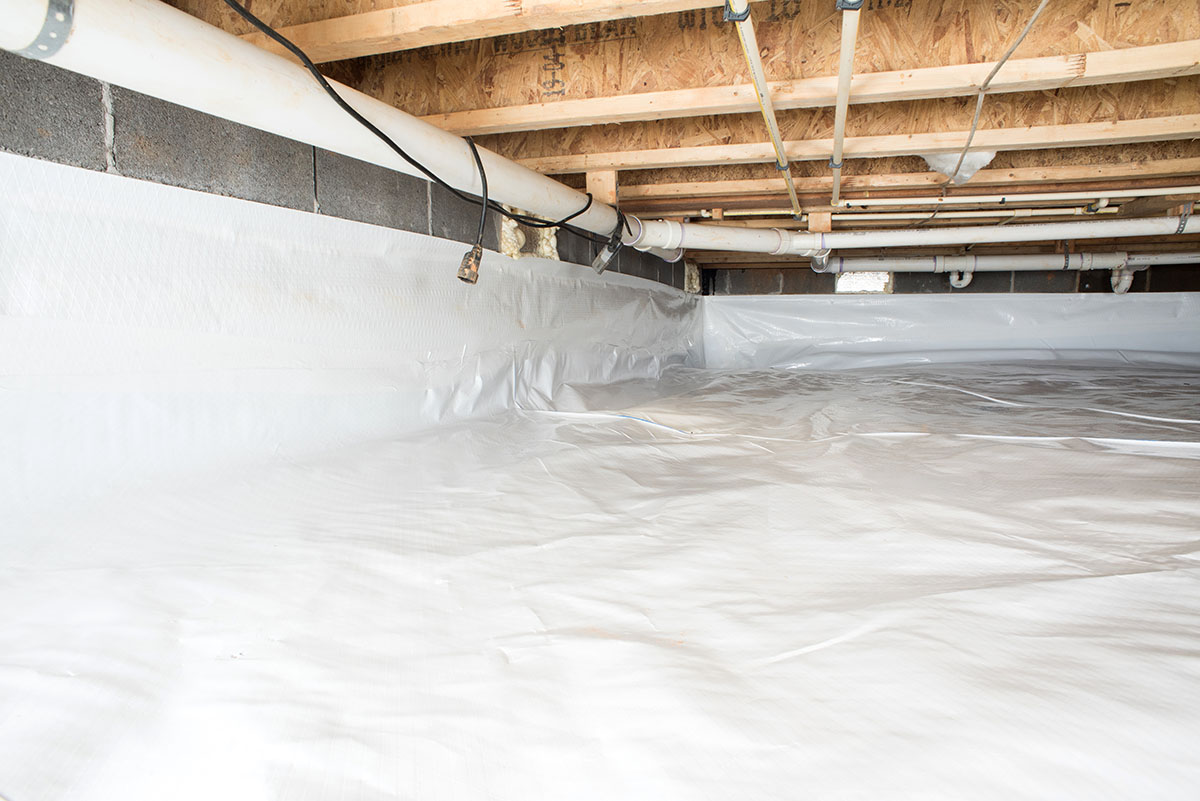
Encapsulation involves sealing the crawl space floor and walls with a heavy-duty, 20-mil vapor barrier. This prevents moisture from the earth from evaporating into the subfloor. When combined with a dedicated dehumidifier and drainage system, encapsulation eliminates the conditions required for mold growth and wood rot. By stabilizing the humidity levels, APS services ensure that the structural repairs—such as the new support jacks and joists—remain protected from the elements for decades.
Technical Comparison of Foundation Stabilization Methods
The following table outlines the primary differences between common stabilization techniques used in APS foundation repair.
| Method | Best Used For | Durability | Installation Impact | 2026 Cost Factor |
|---|---|---|---|---|
| Steel Push Piers | Heavy residential/commercial settlement | Permanent (Bedrock depth) | Minimal excavation | High (Material & Labor) |
| Helical Piers | New construction, porches, light loads | Permanent | Low vibration | Moderate to High |
| Polyurethane Injection | Slabs, sidewalks, driveways | 10–20 years | Non-invasive | Low to Moderate |
| Carbon Fiber Straps | Bowing basement walls | Lifetime | Surface mount | Moderate |
| Wall Anchors | Severely leaning foundation walls | Permanent | Requires exterior excavation | High |
Identifying the Signs: When to Call for Professional Inspection
Foundation issues are progressive; the longer a property owner waits, the more expensive the structural remediation becomes. There are several key indicators that demand an immediate engineering evaluation:
- Stair-Step Cracking: In brick or block walls, cracks that follow the mortar joints in a stair-step pattern are a classic sign of settlement.
- Horizontal Wall Cracks: These are often caused by hydrostatic pressure and indicate that a wall is beginning to fail or "bow" inward.
- Frieze Board Gaps: Look at the corners of the house where the siding meets the soffit. Gaps here often indicate that the foundation is pulling away or sinking.
- Uneven or Bouncy Floors: This typically points to structural issues in the crawl space, such as rotting joists or sinking support pillars.
- Nails "Popping" Out of Drywall: As the frame shifts, it puts pressure on the drywall fasteners, causing the circular heads of nails or screws to push through the paint.
The Process of APS Foundation Repair and Remediation
Engaging in these services follows a strict technical protocol to ensure safety and compliance with 2026 building codes.
Phase 1: The Structural Assessment
A qualified technician or structural engineer conducts a site survey. This includes measuring floor elevations using a digital manometer (a high-precision water level) and inspecting the perimeter for drainage issues. In 2026, many firms also use infrared thermography to detect hidden moisture pockets behind finished basement walls.
Phase 2: Design and Permitting
Once the problem is identified, a remediation plan is drafted. This plan specifies the location of every pier, jack, or anchor. Because structural repairs affect the safety of the building, most jurisdictions require a building permit and, in some cases, an engineer’s seal of approval before work begins.
Phase 3: Site Preparation and Installation
For piering, the "footing" of the house must be exposed. This involves excavating small "access holes" (typically 3x3 feet) around the perimeter. The steel brackets are attached to the footing, and the piers are driven to the required depth. For interior structural remediation, such as joist repair, the work is performed from within the crawl space or basement, often requiring the temporary relocation of utilities or insulation.
Phase 4: Restoration and Cleanup
After the structure is stabilized or lifted, the access holes are backfilled, and the concrete is replaced if necessary. Professional APS services emphasize "low-impact" restoration, ensuring that landscaping is preserved as much as possible and the site is left in a clean, professional state.
Financial Considerations and Property Value
Investing in foundation repair is often viewed as a "defensive" expense, but it has a significant impact on property value. In the 2026 real estate market, structural integrity is a non-negotiable disclosure item. A property with a certified, warrantied foundation repair often sells faster than one with "unknown" structural issues.
Furthermore, many APS services offer transferable warranties. This provides the buyer with peace of mind, knowing that if the foundation shifts again, the repair company will return to make adjustments at no additional cost. The cost of remediation varies wildly based on the number of piers required and the depth of the stable soil, but it is universally cheaper than the cost of a total foundation collapse.
Common Pitfalls in Foundation Repair
Homeowners often make the mistake of choosing "cosmetic" repairs over structural remediation. Patching a crack with epoxy might hide the visual evidence, but it does nothing to stop the movement of the house. Similarly, using "DIY" floor jacks from a hardware store can be dangerous; these jacks are often not rated for the permanent load of a house and lack the proper footings to prevent further sinking.
Another common error is ignoring the root cause of the moisture. Repairing a rotten sill plate without addressing the drainage or the lack of a vapor barrier is a temporary fix. True APS structural remediation addresses the symptom (the rot) and the cause (the moisture).
Frequently Asked Questions
How long does a typical APS foundation repair take?
Most residential projects are completed within 3 to 5 days. However, the timeframe can extend if the project involves extensive structural remediation, such as replacing multiple main beams or performing full crawl space encapsulation alongside pier installation.
Will foundation repair fix the cracks in my walls?
The primary goal of piering is to stabilize the home and prevent further movement. While "lifting" the home can often close many cracks, it is not guaranteed to eliminate them entirely. Structural remediation ensures the home is safe; cosmetic repairs (drywall and paint) should only be performed after the house has been stabilized for several weeks.
Is foundation repair covered by homeowners insurance?
In 2026, most standard homeowners insurance policies do not cover foundation repair caused by soil settlement, earth movement, or wear and tear. Coverage is typically only available if the damage was caused by a specific "covered peril," such as a sudden pipe burst. It is essential to review your specific policy or contact your agent for clarification.
Can I stay in my home during the repair process?
Yes. Unlike major renovations that involve gutting a kitchen or bathroom, APS foundation repair and structural remediation are almost entirely focused on the exterior or the "under-belly" of the home. Residents can typically remain in the house, though there may be some noise and vibration during the pier-driving process.
What is the lifespan of a steel pier system?
Modern steel piers are typically galvanized to prevent corrosion. In most soil conditions, these systems are designed to last for over 75 years. Most reputable APS service providers offer a lifetime warranty on the piering components themselves.
Final Recommendations for Property Owners
When facing structural instability, the first step should always be a professional diagnostic inspection. Do not rely on "quick-fix" solutions or contractors who do not specialize specifically in foundation mechanics. Verify that the service provider uses engineered products (such as those tested by the ICC-ES) and provides a clear, written scope of work.
For those in areas with expansive clay or high water tables, proactive maintenance—such as maintaining consistent moisture levels around the foundation and ensuring gutters discharge at least 10 feet away from the walls—is the best defense. If movement is already apparent, immediate structural remediation is the only way to ensure the long-term safety and value of your property.