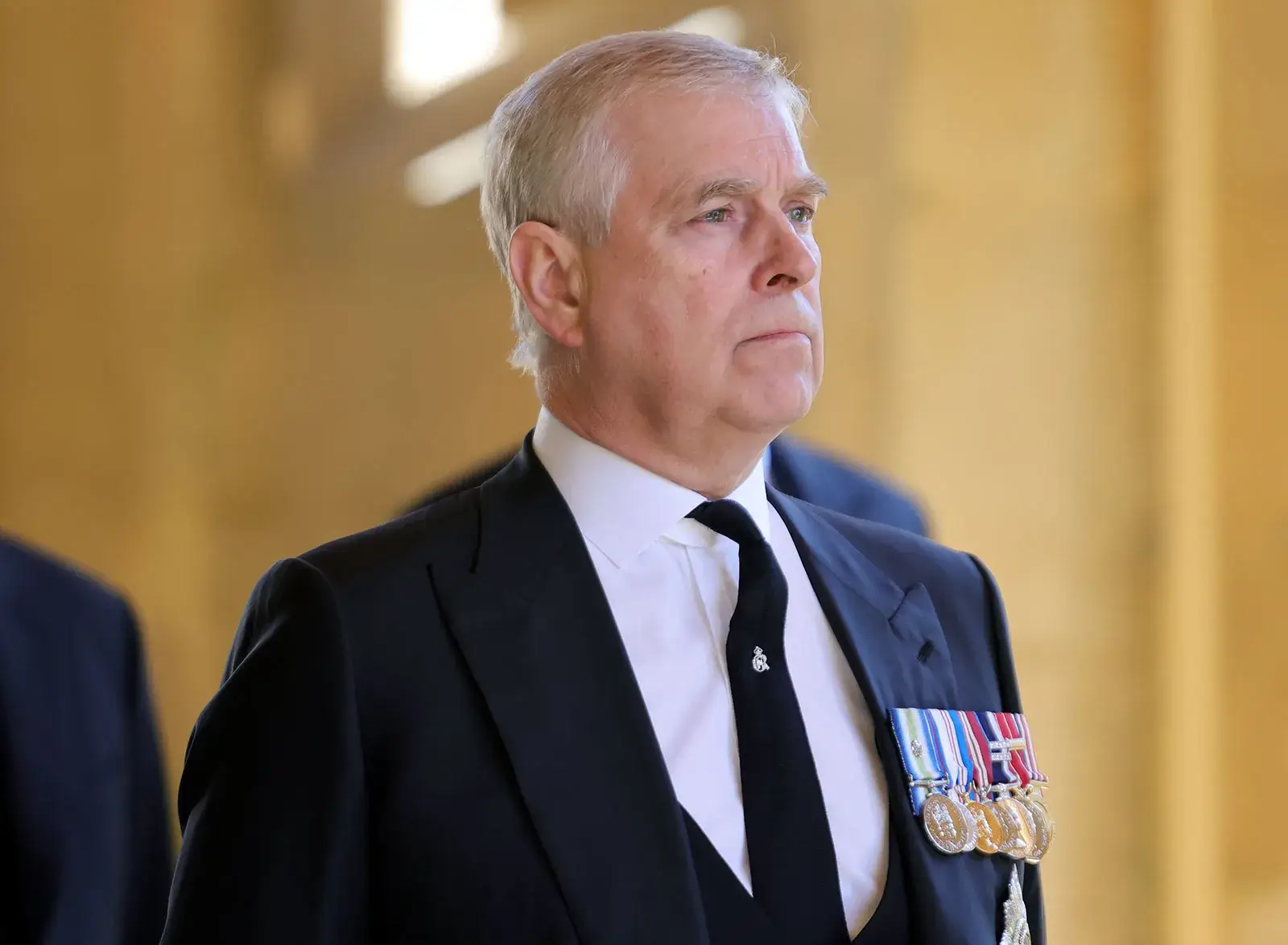
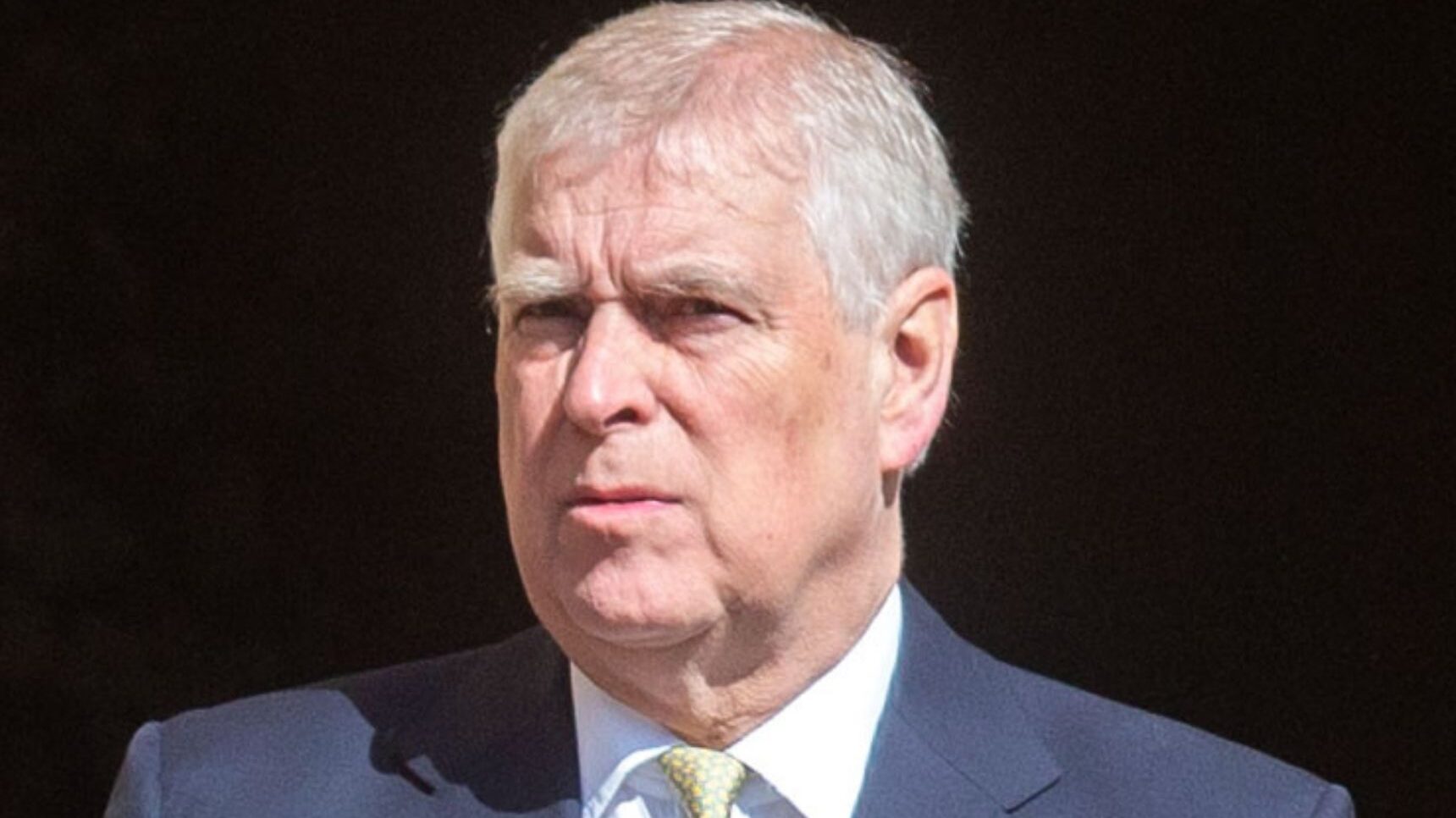
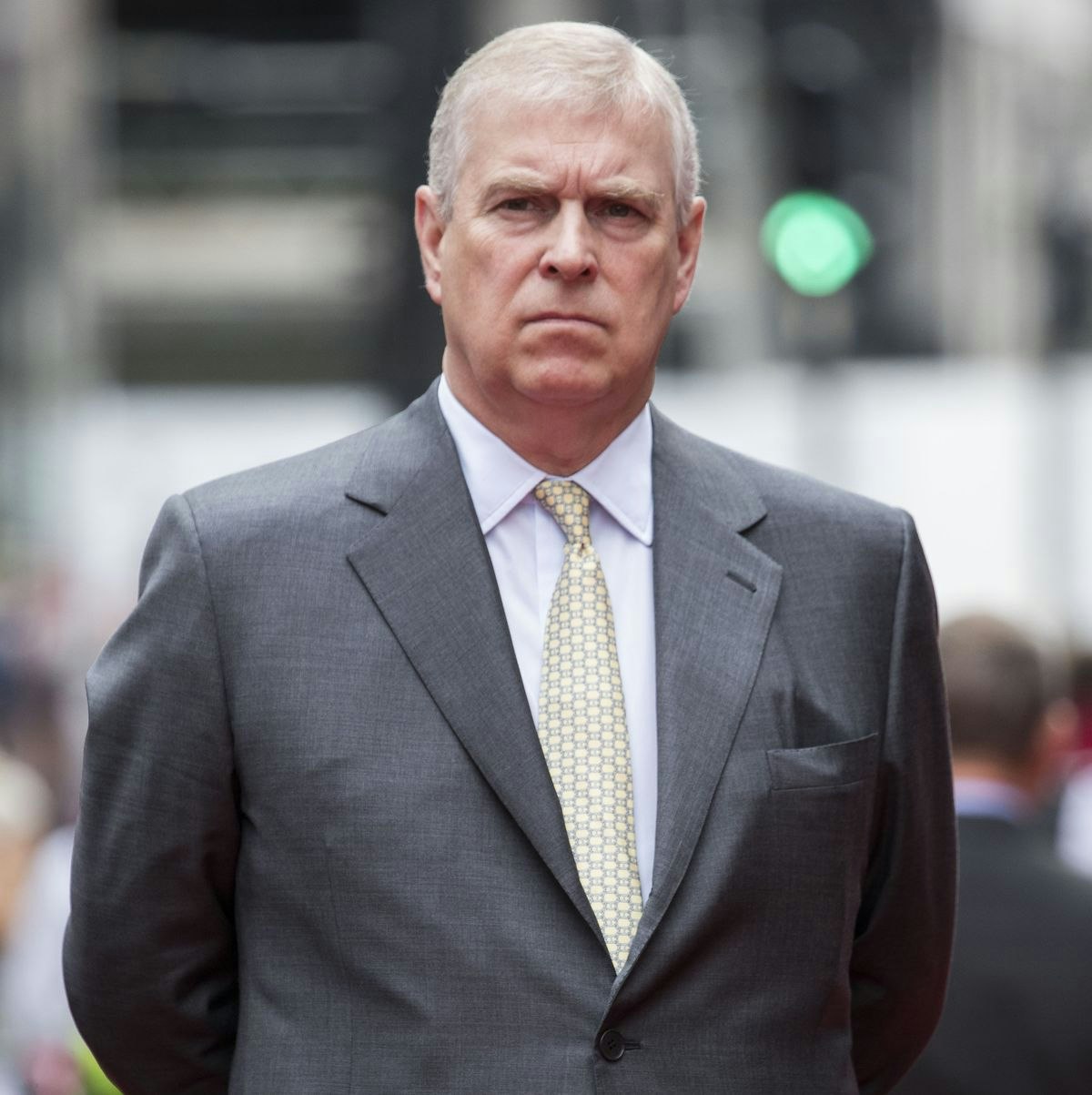
Prince Andrew, the Duke of York, is a senior member of the British Royal Family, currently holding the title granted to him by Queen Elizabeth II in 1986. As of 2026, he remains a Prince of the United Kingdom and a Duke, though he has stepped back from public duties and royal patronages following controversy regarding his personal associations and subsequent legal challenges in the United States.
Historical Origins and Creation of the Dukedom
The title "Duke of York" is one of the most prestigious peerages in the British system, historically reserved for the second son of the reigning monarch. The title was created for Prince Andrew on July 23, 1986, upon his marriage to Sarah Ferguson. Before this date, the title had been in abeyance since 1952, when the previous holder, Prince Albert, ascended to the throne as King George VI.
In the British tradition, dukedoms are hereditary peerages created by the Sovereign. The Duke of York holds a unique place in the lineage of the monarchy, often associated with the transition of power. Because the title is a creation of the Crown, its tenure and the specific privileges associated with it are defined by the monarch’s prerogative, although the peerage itself follows the rules of primogeniture established under the laws of the United Kingdom.
Naval Career and Early Public Life
Before his withdrawal from public life, Prince Andrew served a distinguished career in the Royal Navy. He entered the Britannia Royal Naval College in 1979 and qualified as a helicopter pilot. His service is perhaps most notably defined by his participation in the Falklands War in 1982, where he served as a Sea King helicopter pilot aboard HMS Invincible.
During the conflict, he performed various roles, including anti-submarine warfare and anti-surface unit sorties. This period of service significantly shaped his public image during the 1980s and 1990s as a "hero prince." Following his military service, he transitioned into the role of a working royal, focusing on trade and international relations, often acting as a Special Representative for International Trade and Investment for the United Kingdom.
Withdrawal from Public Duties
The current status of the Duke of York shifted dramatically in late 2019 following a highly publicized interview with the BBC regarding his friendship with the late financier Jeffrey Epstein. Due to the intense public scrutiny and criticism surrounding this association, Prince Andrew announced he would "step back from public duties for the foreseeable future."
In January 2022, ahead of a civil lawsuit brought by Virginia Giuffre in the United States, Buckingham Palace announced that the Duke of York would no longer use the style "His Royal Highness" in any official capacity. Furthermore, he was stripped of his military affiliations and royal patronages, which were redistributed to other members of the Royal Family. These actions were taken to isolate the institution of the monarchy from the legal and reputational risks associated with the Duke's private conduct.
Legal and Civil Context
The Duke of York faced a significant legal challenge in the United States, where Virginia Giuffre filed a lawsuit alleging sexual assault. Prince Andrew consistently and categorically denied these allegations. The case reached a resolution in February 2022, when it was announced that both parties had reached an out-of-court settlement.
The settlement terms included a substantial undisclosed payment to be made by the Duke to a charity founded by Ms. Giuffre, aimed at supporting victims' rights. Crucially, the settlement did not constitute an admission of liability by the Duke. Since this resolution, the Duke has remained largely out of the public eye, though he retains his princely title and his status as a Duke, as these are hereditary and personal titles that can only be altered or removed through legislative action or specific monarchical intervention.
Comparison of Titles and Status
To understand the current standing of the Duke of York, it is helpful to compare his status with other members of the Royal Family. The following table illustrates the distinction between his past roles and his current, non-working status within the royal structure.
| Attribute | Former Status (Pre-2022) | Current Status (2026) |
|---|---|---|
| Public Duties | Active | Withdrawn |
| Military Affiliations | Held multiple | Removed |
| Royal Patronages | Extensive | Removed |
| HRH Style | Used officially | Withdrawn |
| Hereditary Title | Duke of York | Duke of York |
Financial and Residential Status
Regarding his financial affairs, the Duke of York is not in receipt of the Sovereign Grant, the public funding provided to the monarch for official duties and the maintenance of royal palaces. Since stepping back, his financial independence has been a subject of public interest. Reports indicate that he maintains his private residence, Royal Lodge in Windsor, through private means.
The maintenance and security of royal residences for family members are governed by strict protocols. While the Crown Estate owns many properties, the occupancy agreements for private individuals remain distinct from the public purse. As of 2026, there have been ongoing discussions in the media regarding the allocation of royal properties, but no formal displacement of the Duke from his residence has been officially confirmed by Buckingham Palace.
Role within the Royal Family
Despite the removal of his public-facing duties, Prince Andrew remains a member of the Royal Family. He continues to attend private family functions and traditional gatherings, such as the annual Christmas service at Sandringham or major state events where family attendance is expected. However, his participation is strictly in a private, familial capacity, rather than as a representative of the Crown.
This distinction is vital for researchers and observers. In the context of British constitutional monarchy, there is a clear divide between the "working royals" who perform ceremonial duties on behalf of the state and the wider family members who do not. The Duke of York currently occupies a position of permanent retirement from the "working" side of the family ledger.
Impact on the Monarchy
The controversy surrounding the Duke of York has had a lasting impact on the public perception of the Royal Family. It served as a catalyst for the modernization of how the institution handles individual member accountability. The speed with which Queen Elizabeth II acted in 2022 to strip the Duke of his patronages signaled a shift toward a more streamlined and reputation-conscious monarchy.
Under the reign of King Charles III, this trend of a "slimmed-down monarchy" has continued. The Duke of York’s situation is frequently cited by political commentators as a benchmark for how the institution balances the personal lives of family members against the necessary dignity of the Crown. The public inquiry into his conduct has forced the monarchy to clarify the boundaries between private individuals with royal titles and the formal representatives of the British state.
Frequently Asked Questions
Is the Duke of York still a prince?
Yes. Andrew remains a Prince of the United Kingdom by birth, as the son of Queen Elizabeth II. Being a prince is a birthright title, whereas the title "Duke of York" is a peerage created by the monarch.
Has the Duke of York been convicted of a crime?
No. While the Duke was the subject of a civil lawsuit in the United States, he has never been charged with or convicted of a criminal offense. The civil case was settled out of court with no admission of liability.
Can the King remove the title "Duke of York" from his brother?
The King could theoretically initiate a process to revoke a peerage, but this is legally complex and historically rare, usually requiring an Act of Parliament. To date, the King has focused on removing the "His Royal Highness" style and working duties rather than stripping the hereditary title itself.
Does the Duke of York receive public funds?
No. The Duke of York does not receive the Sovereign Grant, which is the funding provided for members of the Royal Family performing official duties.
What are the Duke of York's current responsibilities?
As of 2026, the Duke of York has no official public responsibilities, royal patronages, or military roles. He is effectively retired from public life and does not undertake engagements on behalf of the King or the government.
Recommendations for Further Research
For those looking to understand the legal and constitutional nuances of the British peerage system, it is recommended to consult the official website of the Royal Family, which provides the most accurate and up-to-date information regarding the titles and roles of its members. For historical records concerning the creation of peerages, the National Archives of the United Kingdom holds extensive documentation on the history of the Dukedom of York across various centuries. When researching the civil litigation mentioned in this article, rely on official court filings and documented settlements provided by reputable legal journals, rather than speculative media commentary.