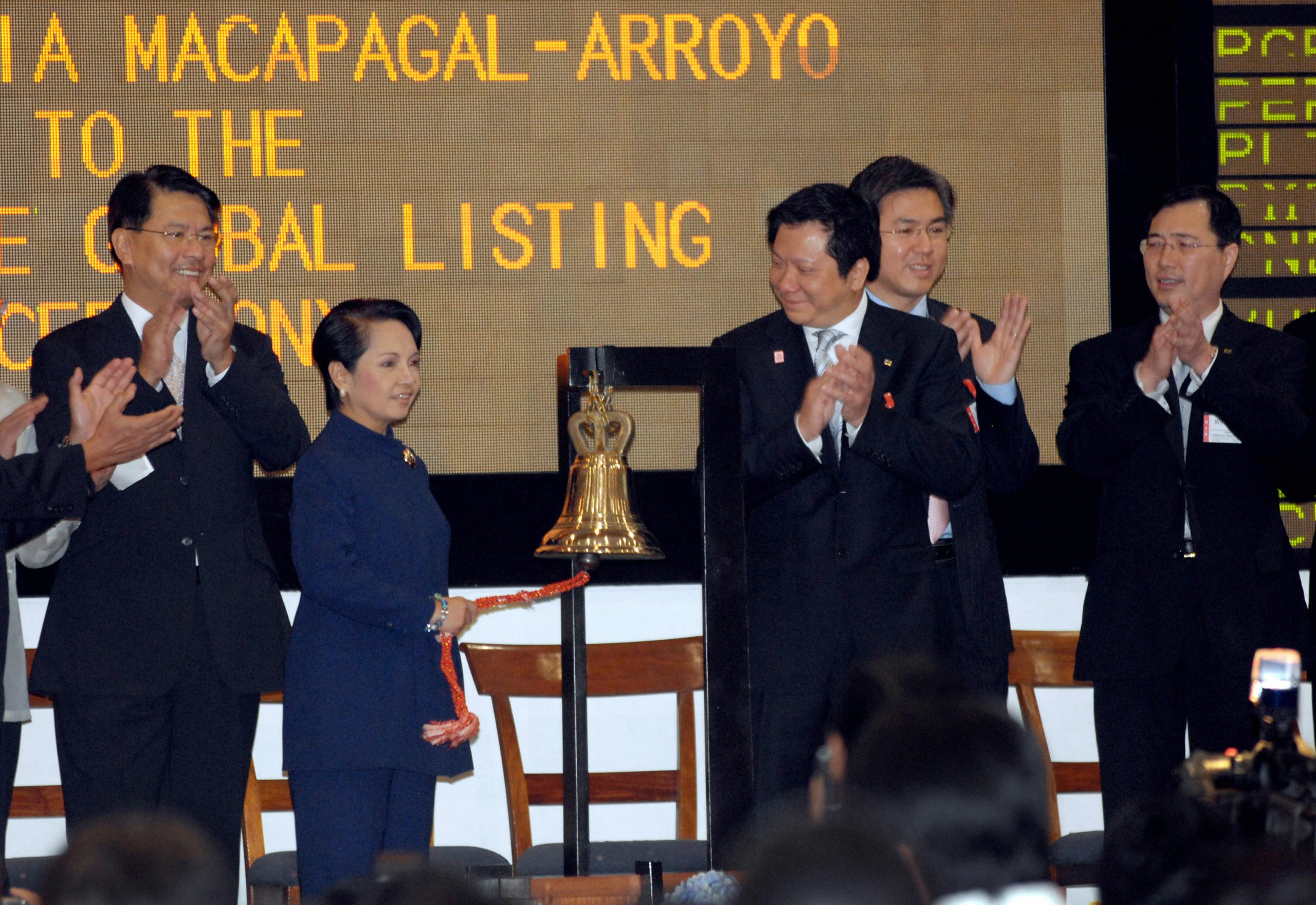
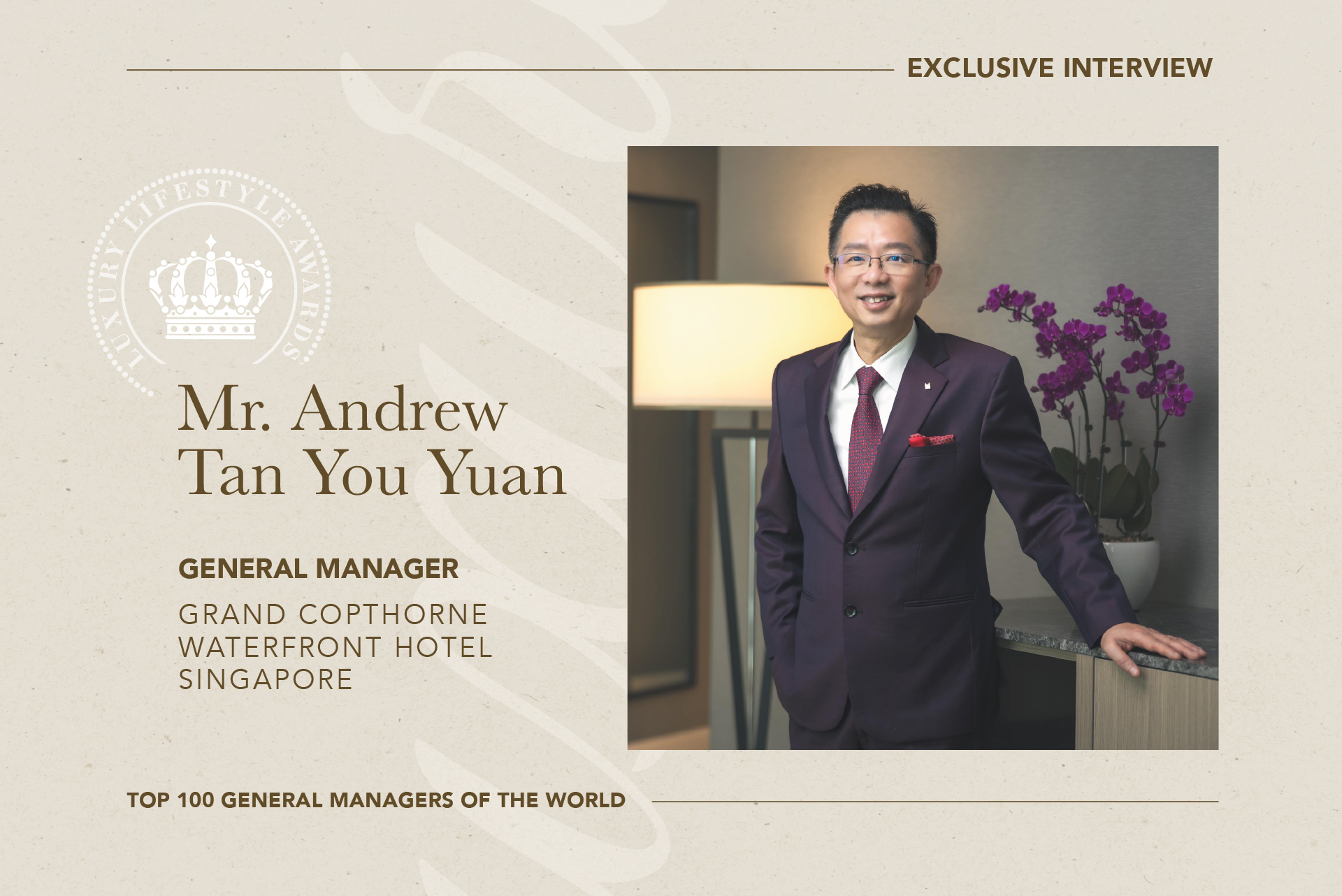
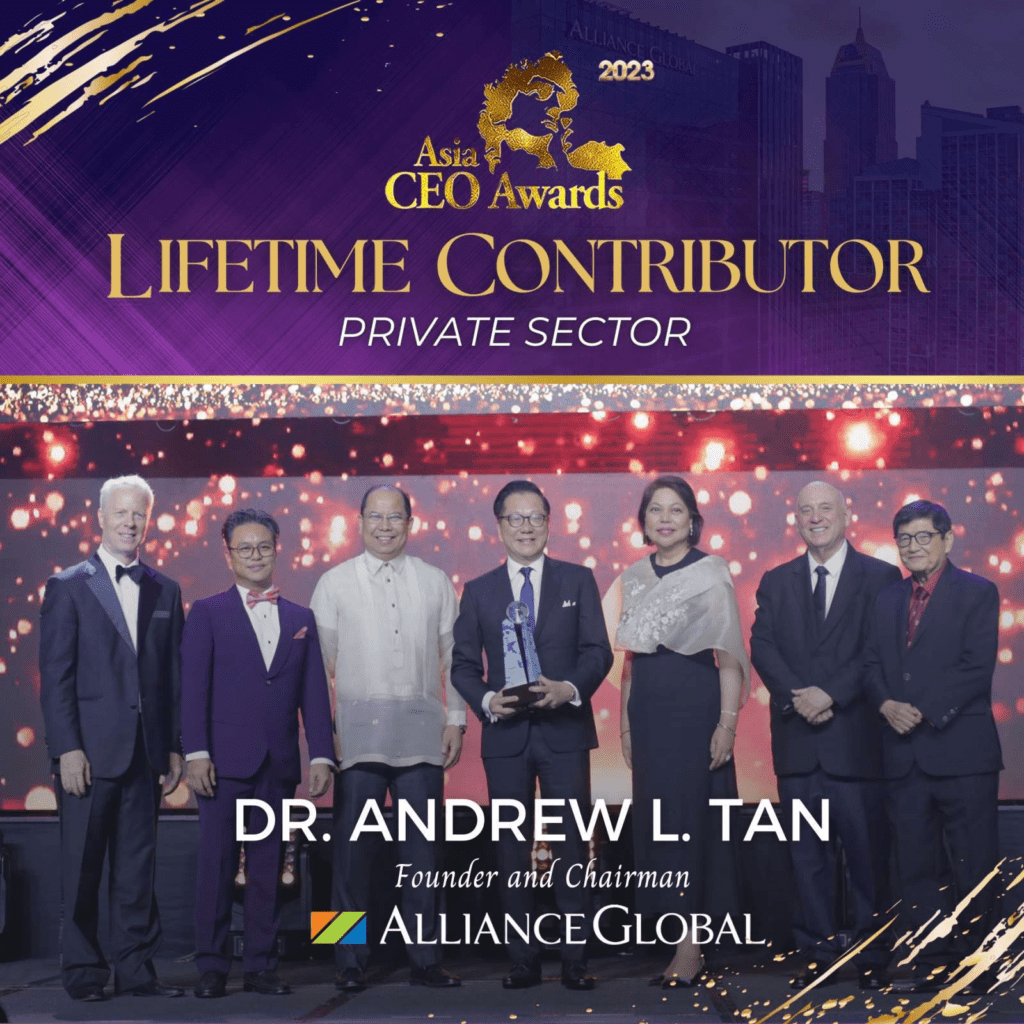
In 2026, Andrew Tan’s net worth is estimated to be approximately $2.9 billion to $3.4 billion, maintaining his status as one of the most influential billionaires in the Philippines. His wealth is fundamentally anchored in Alliance Global Group Inc. (AGI), a massive conglomerate with diversified interests in real estate development, premium spirits, quick-service restaurants, and integrated tourism.
Andrew Tan is a self-made tycoon whose journey from a struggling immigrant to a global business leader serves as a cornerstone of the Philippine entrepreneurial narrative. His financial standing is not merely a reflection of cash reserves but is tied to the fluctuating market valuations of his publicly traded companies. As of 2026, his strategic pivot toward international expansion and premiumization in the spirits industry has allowed his net worth to remain resilient despite global inflationary pressures and shifts in the regional property market.
The Foundation of Wealth: Alliance Global Group Inc. (AGI)
To understand Andrew Tan’s net worth, one must first dissect the holding company that serves as the engine of his fortune: Alliance Global Group Inc. (AGI). AGI is a multi-industry conglomerate that Tan founded and continues to oversee as Chairman, while his son, Kevin Tan, serves as the CEO. The conglomerate's strength lies in its "recession-proof" diversification strategy.
AGI acts as the parent entity for several major subsidiaries, each a leader in its respective sector. By holding significant equity in these companies, Andrew Tan’s personal wealth moves in tandem with the collective performance of these assets. In the post-pandemic era leading into 2026, AGI has focused heavily on digital transformation and sustainable development, which has bolstered investor confidence and, by extension, Tan’s valuation on the Forbes and Bloomberg wealth indices.
The Dynamics of a Holding Company
The valuation of a conglomerate like AGI is complex. It involves the "Sum of the Parts" (SOTP) valuation, where analysts look at the individual market caps of subsidiaries like Megaworld and Emperador. Because Tan owns a majority stake in AGI, and AGI owns majority stakes in these subsidiaries, his net worth is highly sensitive to the Philippine Stock Exchange (PSE) performance.
Megaworld Corporation: The Real Estate Powerhouse
Megaworld Corporation is arguably the most visible contributor to Andrew Tan’s net worth. As the pioneer of the "Live-Work-Play-Learn" township model in the Philippines, Megaworld has transformed the urban landscape of Metro Manila and beyond.
The Township Model as a Wealth Generator
Unlike traditional developers who build single-use residential towers, Megaworld develops massive integrated communities. By 2026, the company manages over 30 townships across the country. These developments create a recurring revenue stream through:
- Office Leasing: Megaworld is the largest lessor of office space to the Business Process Outsourcing (BPO) industry in the Philippines. This sector provides stable, long-term dollar-denominated income that buffers the company against local currency fluctuations.
- Commercial/Retail Centers: Every township features "lifestyle malls" that cater to the residents and office workers within the development.
- Residential Sales: High-end and mid-tier condominiums in strategic locations like Bonifacio Global City (BGC), McKinley Hill, and Eastwood City continue to appreciate, contributing to the company's book value.
By maintaining high occupancy rates in its office segment—often exceeding 90% even in challenging economic cycles—Megaworld ensures a steady flow of dividends to AGI, which directly impacts Tan’s personal liquidity and net worth.
Emperador Inc.: From Local Brandy to Global Spirits Giant
While real estate provided the initial scale for his wealth, Andrew Tan’s foray into the spirits industry via Emperador Inc. has provided the most significant international diversification. Emperador is currently one of the largest brandy producers in the world and a major player in the global Scotch whisky market.
International Acquisitions and Premiumization
The leap in Andrew Tan’s net worth in the mid-2010s can be traced to two massive acquisitions:
- Whyte & Mackay: The purchase of this venerable Scottish whisky maker gave Tan ownership of prestigious brands like The Dalmore and Jura.
- Bodegas Fundador: The acquisition of the iconic Spanish brandy maker further solidified Emperador’s global footprint.
In 2026, the strategy is focused on "premiumization"—selling higher-margin, aged spirits rather than focusing solely on volume. As global demand for luxury Scotch and premium brandy grows in markets like China, North America, and Southeast Asia, Emperador’s valuation has remained a strong pillar of the Tan family fortune. The company's dual listing on the Singapore Exchange (SGX) and the Philippine Stock Exchange (PSE) has also provided greater visibility and liquidity for the asset.
Golden Arches Development Corporation: The McDonald’s Connection
A unique facet of Andrew Tan’s portfolio is his master franchise of McDonald’s in the Philippines. Through Golden Arches Development Corporation (GADC), Tan’s conglomerate operates hundreds of McDonald’s outlets nationwide.
Cash Flow and Consumer Sentiment
The quick-service restaurant (QSR) business is a vital component of Tan’s wealth because it is a "cash-and-carry" business. It provides immediate liquidity and serves as a barometer for Filipino consumer spending. By 2026, GADC has expanded into more provincial areas and integrated advanced delivery and "drive-thru" technologies, ensuring that the brand remains competitive against local giants like Jollibee. The consistent profitability of McDonald's Philippines provides AGI with the capital necessary to reinvest in other, more capital-intensive ventures like real estate and infrastructure.
Leisure and Tourism: Newport World Resorts
Andrew Tan was a pioneer in the integrated resort and gaming industry in the Philippines. Through Travellers International Hotel Group, he established Resorts World Manila (now rebranded as Newport World Resorts).
The Evolving Tourism Landscape
The leisure segment of Tan’s wealth is tied to international tourism and the local gaming market. Newport World Resorts, located directly across from the Ninoy Aquino International Airport (NAIA) Terminal 3, benefits from a strategic geographic advantage.
In 2026, this sector contributes to Tan’s net worth through:
- Hotel Partnerships: Collaborations with global brands like Marriott, Hilton, and Sheraton.
- MICE Tourism: The growth of Meetings, Incentives, Conferences, and Exhibitions has turned Newport into a hub for business travel.
- Entertainment and Gaming: While volatile, the gaming sector provides high-margin revenue that contributes significantly to the group's EBITDA (Earnings Before Interest, Taxes, Depreciation, and Amortization).
Comparative Wealth Analysis: Tan in the Philippine Context
To accurately assess Andrew Tan’s $2.9 billion to $3.4 billion net worth, it is helpful to see where he stands relative to his peers in the Philippines as of 2026.
| Billionaire | Primary Industry | Estimated Net Worth (2026) | Key Entity |
|---|---|---|---|
| Manuel Villar | Real Estate / Retail | $10.5 Billion | Vista Land / AllHome |
| Enrique Razon Jr. | Ports / Gaming | $9.2 Billion | ICTSI / Bloomberry |
| Sy Siblings | Retail / Banking | $12.5 Billion (Combined) | SM Investments |
| Andrew Tan | Conglomerate | $3.2 Billion | Alliance Global Group |
| Ramon Ang | Infrastructure / F&B | $3.0 Billion | San Miguel Corp. |
Note: Net worth figures are estimates based on stock market valuations and public filings as of early 2026. These figures fluctuate daily based on market conditions.
Factors Influencing Tan’s Wealth Volatility
Several macroeconomic and microeconomic factors influence the rise and fall of Andrew Tan’s net worth:
- Interest Rates: As a real estate mogul, high interest rates can dampen demand for residential units and increase the cost of borrowing for new developments.
- Global Spirits Demand: A slowdown in the Chinese or European markets can affect Emperador’s export revenues.
- The Philippine Peso: Since much of AGI’s debt may be in foreign currency (especially for international acquisitions), a weakening peso can affect the company’s bottom line, though this is often offset by the dollar earnings of the BPO and spirits sectors.
- Succession Planning: The market’s perception of Kevin Tan’s leadership as the next generation of the family empire plays a role in the "trust premium" applied to AGI stock.
From Immigrant to Icon: The Personal History
The narrative of Andrew Tan’s wealth is incomplete without acknowledging its origins. Born in Fujian, China, and moving to Manila as a child, Tan lived in a shared apartment in Tondo. He supported himself through college at the University of the East, often skipping meals to save money.
His first major success was in the appliance business, followed by a strategic move into the liquor industry with the founding of Emperador. This "bootstrapped" beginning is a key reason why his business philosophy emphasizes resilience and diverse revenue streams. He did not inherit his fortune; he built it through opportunistic acquisitions and a keen understanding of the emerging Filipino middle class.
Frequently Asked Questions
Is Andrew Tan the richest man in the Philippines?
No, as of 2026, Andrew Tan is consistently ranked within the top 10 richest individuals in the Philippines, but he usually trails behind Manuel Villar and the Sy family (owners of SM). His wealth is more comparable to that of Ramon Ang and the Zobel de Ayala family.
What is Andrew Tan’s most profitable business?
Historically, Megaworld Corporation has been the largest contributor to the group's net income. However, Emperador Inc. has grown significantly in terms of global valuation and provides the most geographic diversity to his wealth.
How does Andrew Tan spend his wealth?
While relatively private, Tan is known for his appreciation of fine arts and his philanthropic efforts through the Megaworld Foundation. The foundation focuses on providing scholarships to underprivileged students, reflecting his own history of struggling to afford an education.
Does Andrew Tan own McDonald's?
Andrew Tan’s company, Golden Arches Development Corporation, holds the master franchise for McDonald’s in the Philippines. This means he has the rights to operate and develop the brand within the country, but he does not own the global McDonald’s Corporation.
What role does Kevin Tan play in the family’s net worth?
Kevin Tan is the CEO of Alliance Global Group Inc. and the Chairman of MREIT (Megaworld’s Real Estate Investment Trust). His leadership in diversifying the company into technology, infrastructure, and REITs is crucial for the long-term growth and preservation of the Tan family’s wealth.
Future Outlook: Wealth Preservation in 2026 and Beyond
As we move through 2026, the trajectory of Andrew Tan’s net worth will likely depend on the success of MREIT and the further expansion of Emperador into emerging markets. The creation of Real Estate Investment Trusts (REITs) has allowed Tan to monetize his mature office assets, providing a massive influx of capital for new projects without diluting his ownership in the parent company.
Furthermore, the Tan family’s move into renewable energy and infrastructure—specifically through potential airport development projects and sustainable townships—suggests a pivot toward the "green economy." If these ventures yield high returns, Tan’s net worth could see a significant upward correction, potentially crossing the $4 billion mark by the end of the decade.
For investors and observers, Andrew Tan remains a symbol of the "Philippine Dream." His wealth is a testament to the power of horizontal and vertical integration, proving that a diversified portfolio across essential sectors—food, shelter, and leisure—is the most effective way to build and maintain a multi-billion dollar legacy in an unpredictable global economy.
Financial Disclaimer: Net worth estimates are based on publicly available data, stock market capitalizations, and historical reporting. These figures are subject to change based on market volatility, private asset valuations, and currency fluctuations. This article is for informational purposes only and does not constitute financial or investment advice.