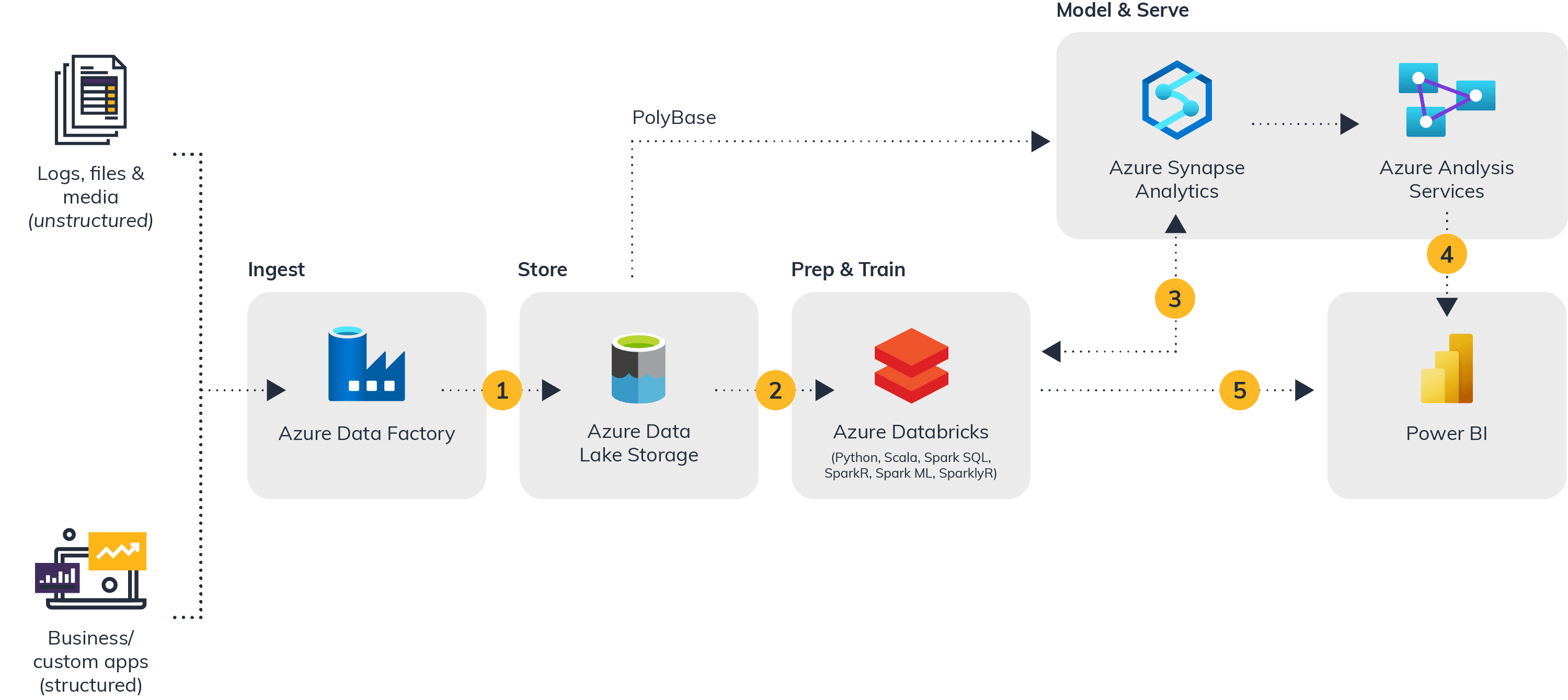
An analytics data warehouse is a centralized repository optimized for the ingestion, storage, and processing of large-scale structured and semi-structured data specifically for reporting, business intelligence (BI), and advanced analytics. Unlike traditional transactional databases designed for daily operational updates, these warehouses use columnar storage and massive parallel processing to deliver rapid query performance across massive historical datasets, enabling organizations to derive actionable insights from their diverse data streams.
The Fundamental Purpose of an Analytics Data Warehouse
At the heart of any modern data-driven organization lies the need to reconcile disparate data sources. In a typical enterprise environment, data originates from various siloes: Customer Relationship Management (CRM) systems, Enterprise Resource Planning (ERP) software, web analytics tools, and IoT sensors. An analytics data warehouse serves as the single source of truth that reconciles these streams.
The primary difference between a standard database (OLTP—Online Transaction Processing) and a data warehouse (OLAP—Online Analytical Processing) is the intent. OLTP systems are optimized for speed in recording individual transactions, such as an e-commerce checkout. In contrast, an analytics data warehouse is optimized for "reading" and "aggregating." It allows analysts to ask complex questions, such as "What was the year-over-year revenue growth for high-value customers segmented by geographic region?" across billions of rows of data without impacting the performance of the live transactional system.
Core Architecture and Key Components
Modern data warehousing has evolved significantly toward cloud-native architectures. Today, the separation of storage and compute is the industry standard, allowing organizations to scale their storage requirements independently from their processing power.
1. The Ingestion Layer
Data ingestion is the process of moving raw information into the warehouse. This is accomplished through two main methodologies:
- Extract, Transform, Load (ETL): Data is cleaned, standardized, and transformed on a separate server before being loaded into the warehouse. This is ideal for ensuring high data quality but can be slower for real-time needs.
- Extract, Load, Transform (ELT): Data is loaded into the warehouse in its raw state, and the warehouse’s own processing power is used to transform the data as needed. With the rise of high-performance cloud warehouses, ELT has become the dominant approach for its flexibility and speed.
2. The Storage Layer
Data in these warehouses is typically stored in columnar format. Instead of saving data row by row, the system saves data by column. When an analyst queries a specific metric (e.g., "Total Sales"), the warehouse only reads the "Sales" column rather than scanning every single record in the database, which drastically reduces I/O (Input/Output) overhead.
3. The Compute Layer
The compute engine executes SQL queries and data transformations. In modern cloud-based warehouses, this layer can spin up "clusters" or "virtual warehouses" to handle heavy reporting workloads during business hours and scale down to zero when not in use, providing a cost-effective utility model.
Key Considerations for Implementation
Before deploying an analytics data warehouse, stakeholders must evaluate the technical and operational requirements of their specific environment.
- Data Latency Requirements: Does the business require real-time dashboards (e.g., monitoring server status) or are batch updates once or twice daily sufficient? Real-time streaming integration adds significant complexity and cost.
- Schema Strategy: The Star Schema is the traditional gold standard, involving a central "Fact" table surrounded by "Dimension" tables. However, modern warehouses are increasingly capable of handling semi-structured data like JSON or Parquet files directly, reducing the need for rigid upfront schema design.
- Security and Governance: With data centralized, security becomes paramount. Implementation must include Role-Based Access Control (RBAC), data masking for sensitive PII (Personally Identifiable Information), and detailed audit logging to maintain regulatory compliance (such as GDPR or CCPA).
Comparison of Modern Data Warehouse Solutions
| Feature | Snowflake | Google BigQuery | Amazon Redshift |
|---|---|---|---|
| Architecture | SaaS (Cloud Agnostic) | Serverless (GCP native) | Infrastructure-as-a-Service |
| Storage/Compute | Fully Separated | Fully Separated | Separated (RA3 instances) |
| Pricing Model | Per-second consumption | Per-query or Slot-based | Hourly or Reserved nodes |
| Primary Strength | Ease of use and sharing | Integration with AI/ML | Integration with AWS stack |
Common Implementation Mistakes to Avoid
- Ignoring Data Quality at the Source: A common adage in data engineering is "garbage in, garbage out." Dumping dirty, inconsistent data into a warehouse without a robust validation layer (Data Quality gates) will lead to untrustworthy reports and abandoned BI projects.
- Over-Architecting: Start with the specific questions you need to answer. Building an "enterprise-wide data lakehouse" before you have defined the core KPIs for a single department often leads to a massive repository that no one knows how to navigate.
- Underestimating Governance Costs: The cost of the technology is often secondary to the cost of maintenance, governance, and data cataloging. Organizations frequently overlook the need for a dedicated data engineer to manage table structures, user permissions, and query optimization.
- Neglecting Query Optimization: While modern systems are fast, poor SQL practices—such as joining massive tables without proper indexing or filtering—can still lead to runaway costs in consumption-based billing models.
Troubleshooting Performance Bottlenecks
When performance degrades, start by examining the Query Profile. Most modern warehouses provide visual tools that break down the query execution plan. Look for "spills to disk," which occur when the dataset exceeds the available RAM for the virtual warehouse. Increasing the size of the compute cluster is the immediate fix, but the long-term solution is often rewriting the query or partitioning the table by time or category.
Another frequent issue is "data skew," where a single partition contains significantly more data than others. This causes one compute node to work much harder than the rest, creating a bottleneck. Redistributing the data or changing the partitioning key usually resolves this issue.
Frequently Asked Questions
What is the difference between a Data Warehouse and a Data Lake? A data warehouse stores structured, processed data ready for reporting. A data lake is a vast, low-cost repository for raw, unstructured data (images, logs, text) that may not have a defined purpose yet. Many modern businesses use both, often referred to as a "Data Lakehouse" architecture.
How do I estimate the cost of an analytics data warehouse? Cost is typically driven by two factors: storage volume and compute usage (query execution). Use a calculator provided by your cloud vendor to model your projected data volume and query frequency, but always budget an additional 20-30% buffer for experimental ad-hoc queries and unexpected data growth.
Do I need a data warehouse if I have a small team? For small teams, a "Modern Data Stack" approach—integrating a light warehouse like Snowflake or BigQuery with an automated ETL tool like Fivetran—is often more cost-effective than managing a local database server, as it removes the burden of maintenance and hardware upgrades.
Can I use a data warehouse for Machine Learning? Yes. Most major data warehouses now feature built-in ML capabilities. You can run training models directly inside the warehouse using SQL, which eliminates the need to export massive datasets to a separate environment, significantly accelerating the model development lifecycle.
How do I ensure data privacy in the warehouse? Privacy is managed through encryption at rest and in transit. Within the warehouse, you should use row-level security (RLS) to restrict user access to specific records and column-level masking to ensure sensitive data, like social security numbers, remains visible only to authorized personnel.
Recommended Next Steps
To begin building your analytics data warehouse, start by performing a "Data Source Inventory." List every platform where your organization collects data, categorize that data by sensitivity, and define the top three business questions that, if answered, would have the greatest impact on your revenue or operational efficiency. Once these requirements are defined, select a cloud-native platform that integrates seamlessly with your existing cloud provider. Initiate a pilot project with a single department, such as Sales or Marketing, to establish your data modeling patterns and governance processes before scaling the architecture to the rest of the enterprise.