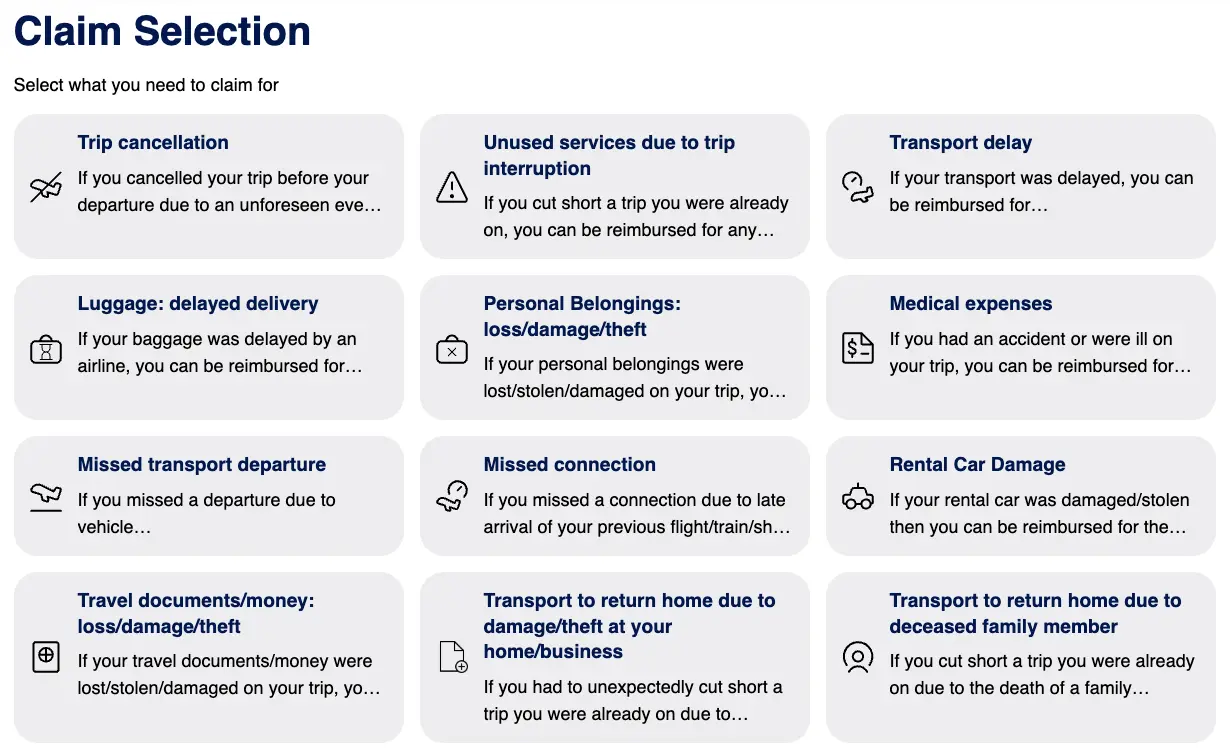
Canceling American Express travel insurance typically requires initiating a request through the specific portal where the coverage was purchased or by contacting the insurer directly. If you purchased Premium Protection via your card account, coverage is often tied to the trip itself; however, standalone policies or third-party add-ons managed through American Express require specific documentation, such as proof of cancellation and adherence to the insurer’s “free-look” period to qualify for a full premium refund.
Navigating the Landscape of American Express Travel Coverage
American Express provides a diverse array of travel-related protections, which often causes confusion for policyholders regarding how to handle cancellations. It is vital to distinguish between two primary categories: automatic card-member benefits and elective insurance products.
Automatic benefits, such as Trip Delay or Baggage Insurance, are inherent to specific premium American Express credit cards. Because these are not standalone "purchased" products with a separate recurring premium, there is no "cancellation" process for the insurance itself. Instead, the coverage is tied to the use of the card to pay for the travel fare. If you cancel your trip, your eligibility for these benefits essentially lapses because the criteria for coverage—paying with the card—is no longer met or the trip no longer exists.
Elective products, such as the Premium Car Rental Protection or specific travel insurance policies offered through American Express Travel platforms, operate differently. These are contractual agreements where you pay a specific premium. Canceling these requires navigating a formal process, governed by the terms and conditions of the specific underwriter providing the policy.
The "Free-Look" Period: Your Right to Cancel
Most travel insurance policies governed by U.S. insurance regulations include a “free-look” period, typically ranging from 10 to 30 days. During this window, if you decide the policy does not meet your needs, you can cancel and receive a full refund of your premium, provided you have not yet filed a claim or departed on your trip.
If you are within this timeframe, the process is straightforward:
- Locate your confirmation email containing the Policy ID.
- Contact the customer service number listed on your policy declaration page.
- Explicitly state that you are exercising your right to cancel within the free-look period.
Once this window closes, canceling your policy becomes significantly more difficult, and you will rarely receive a refund of your premium. Most travel insurance is considered "earned" by the insurer once the policy goes into effect or once the travel period begins.
Step-by-Step Guide to Requesting Cancellation
If you have determined that you need to cancel an elective insurance product, follow this logical progression to ensure your request is documented and processed correctly.
1. Gather Documentation
Before contacting support, ensure you have your policy number, the date of purchase, and the specific reason for cancellation. If you are canceling because your trip was cancelled by the airline or tour operator, have that documentation ready. While many policies are non-refundable, some insurers may offer a "voucher" or credit toward future policies if you provide proof of a cancelled trip.
2. Identify the Correct Contact Point
Do not assume your American Express card issuer can cancel your travel insurance. Often, the insurance is underwritten by a third-party company (such as AIG, Chubb, or other major underwriters). Look for the contact details provided in your "Certificate of Insurance" document, not the number on the back of your credit card.
3. Formalize the Request
It is best to submit your cancellation request in writing. While a phone call is often necessary to trigger the process, following up with an email creates a paper trail. If a representative informs you that a refund is not possible, ask for the specific section of the policy document that outlines the "Cancellation and Refund" clause.
Comparison Table: Understanding Coverage Types
| Insurance Feature | Type of Protection | Cancellation Potential | Refund Eligibility |
|---|---|---|---|
| Cardmember Benefits | Automatic (Inherent) | N/A (Tied to travel) | N/A |
| Premium Car Rental | Elective/Enrollment | Manageable via Portal | Pro-rated/Per use |
| Purchased Travel Policy | Standalone Contract | Restricted | 10-30 day window |
| Trip Cancellation Coverage | Add-on Service | Through Underwriter | Rare after 30 days |
Troubleshooting Common Challenges
One of the most frequent points of friction occurs when a cardholder attempts to cancel a trip and assumes the insurance company will refund the cost of the travel insurance premium. It is a common misconception that insurance is a "pro-rated" service. In almost every standard insurance contract, the premium is paid to cover the risk associated with the travel period. Even if you cancel the trip the day after buying the policy, the insurer may argue that their administrative costs are non-refundable.
If you encounter resistance, check if your policy allows for "cancel for any reason" (CFAR) upgrades. If you have a high-tier policy that included this, you may be entitled to a partial refund, though this usually requires following a specific claims process rather than a general cancellation process.
Another hurdle is the "automated renewal." Some travel-related insurance services for frequent travelers renew annually. If you find yourself charged for a policy you no longer want, look for the "Auto-Renew" toggle in your American Express online account under the "Benefits" or "Insurance" tab. Turning this off is effectively the most reliable form of cancellation for recurring subscriptions.
Important Legal and Jurisdictional Limitations
Insurance products are regulated at the state level in the United States. Your rights regarding cancellation may vary significantly depending on your state of residence. For example, some states have stricter mandates regarding consumer protection and mandatory refunds for cancelled services.
Furthermore, always consult your "Summary of Benefits." This document is legally binding and supersedes any marketing language found on the American Express website. If the Summary of Benefits states that "premiums are non-refundable after the effective date," your chances of receiving a cash refund are limited. In such cases, your only recourse is to check if the policy allows for a credit to be applied to a future travel date, which acts as a practical alternative to a refund.
Frequently Asked Questions
Can I cancel my American Express travel insurance for a full refund? If you are within the state-mandated "free-look" period (typically 10 to 30 days) and have not used the coverage or initiated a claim, you are generally entitled to a full refund. Beyond this period, most premiums are considered fully earned by the insurer and are non-refundable.
Who do I call to cancel my insurance policy? Do not call the general American Express customer service number. Locate the specific underwriter’s contact information, which is found on your digital Certificate of Insurance or the policy declaration page provided at the time of purchase.
What if I cancelled my flight? Does my insurance cancel automatically? No. Most travel insurance policies are independent of the underlying flight booking. You must manually contact the insurance provider to inform them of the cancellation, even if you are not eligible for a refund, to prevent potential issues with future claims or automated renewals.
Are there administrative fees for canceling insurance? Some policies may deduct a small administrative or "processing" fee from your refund, even during the free-look period. This will be explicitly stated in your policy document under the "Termination of Coverage" or "Refund" section.
How do I stop recurring travel insurance charges? If you have an ongoing enrollment in an insurance product (such as Premium Car Rental Protection), log in to your American Express online account, navigate to the "Benefits" section, find the specific insurance product, and select "Manage Coverage" to toggle off auto-renewal or cancel the subscription.
Next Steps and Recommendations
If you are currently contemplating the cancellation of a policy, your first action should be to verify your purchase date against your policy documents. If you are within the 10-30 day free-look window, act immediately by calling the underwriter and requesting a cancellation in writing. If you have passed this window, focus your efforts on disabling future auto-renewals to prevent unwanted future charges.
Always retain a copy of your cancellation confirmation number or correspondence. If you find that the policy was sold under misleading terms, you may escalate the issue to the relevant state’s Department of Insurance, which oversees the conduct of licensed insurance underwriters operating within their jurisdiction. For all financial decisions, consider this information as general guidance and consult your specific policy documentation for terms tailored to your geographic location and unique coverage agreement.