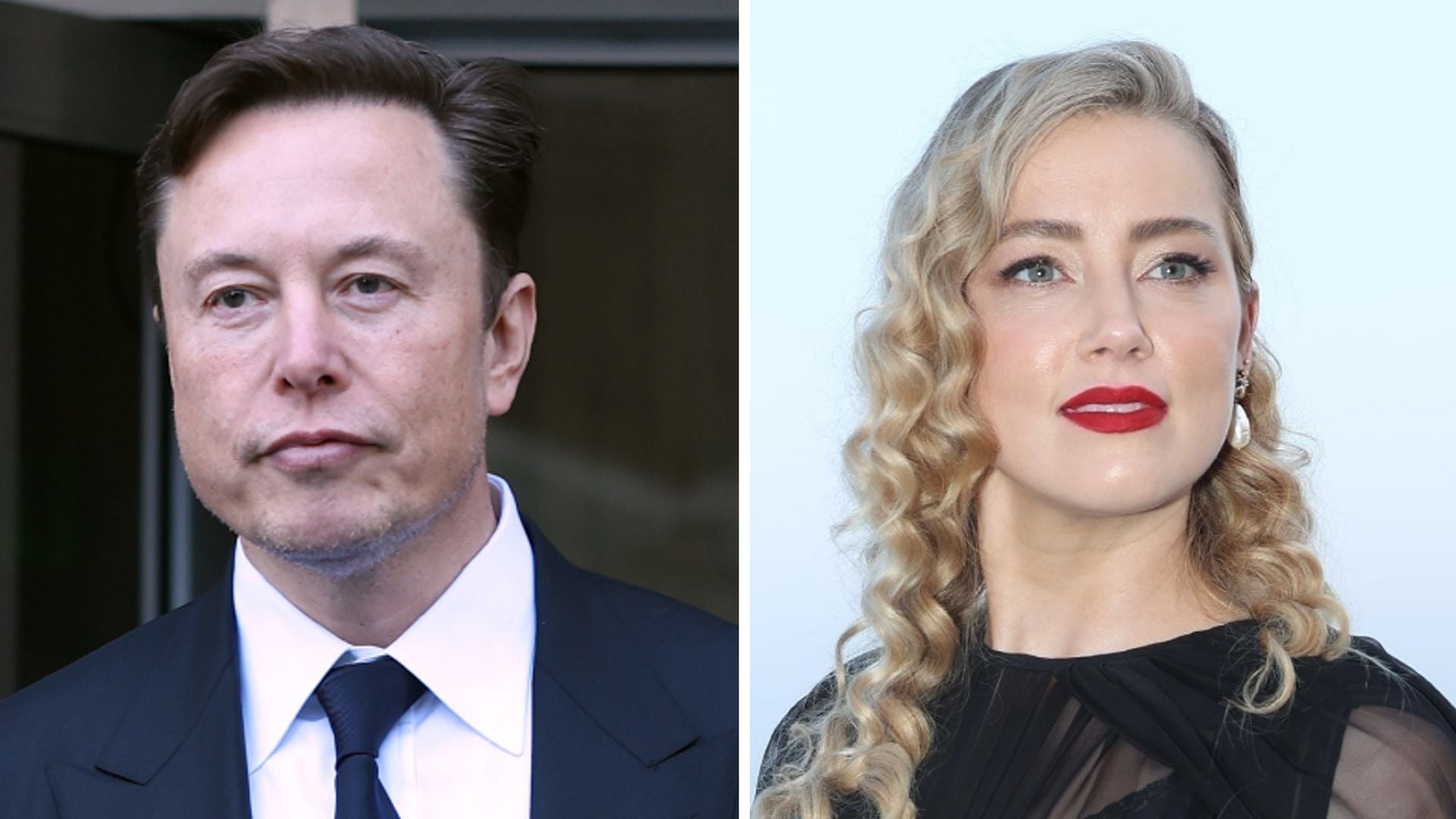
Amber Heard is an American citizen by birth, having been born in Austin, Texas. While she relocated to Madrid, Spain, in recent years to seek a more private life for herself and her daughter, she retains her United States nationality. There is no public record of her renouncing her U.S. citizenship or obtaining Spanish naturalization as of 2026.
The Foundations of Amber Heard’s Nationality
To understand Amber Heard’s nationality, one must first look at the legal framework of the United States. Born Amber Laura Heard on April 22, 1986, she acquired her nationality through the principle of jus soli (right of the soil). Under the 14th Amendment to the U.S. Constitution, any person born on U.S. soil is automatically a citizen, regardless of the nationality of their parents.
Heard was raised in a traditional Texan environment. Her father, David Clinton Heard, owned a small construction company, and her mother, Patricia Paige (née Parsons), was an internet researcher for the state. Both parents were American citizens, meaning Heard also holds citizenship through jus sanguinis (right of blood). This dual-layered confirmation of her nationality—both by location of birth and by parentage—makes her legal status as a U.S. national definitive and unquestionable.
Throughout her early career in Hollywood, her "All-American" image was a significant part of her brand. Her Texas roots were frequently cited in interviews, where she often discussed her upbringing around horses, hunting, and the rugged landscape of the Southwest. This cultural identity remained a cornerstone of her public persona until her eventual move abroad.
Ancestry and Ethnic Heritage
While nationality is a legal status, heritage refers to the ancestral threads that make up an individual's background. Amber Heard’s ethnic makeup is primarily of European descent, which is typical for many families in the Southern United States with deep colonial roots.
Based on genealogical records, Heard’s ancestry includes:
- English: A significant portion of her lineage traces back to early English settlers in North America.
- Scots-Irish/Northern Irish: Common in Texas and the Appalachian regions, this heritage often includes ancestors who migrated from the Ulster province to the American colonies in the 18th century.
- German: Like many Americans of the Midwest and South, there are German branches in her family tree, particularly through her maternal line.
- Welsh and Irish: Smaller percentages of her heritage reflect the broader British Isles diaspora.
This blend of Western European backgrounds informs her physical characteristics and has occasionally influenced the roles she chose in her acting career. However, these ancestral ties do not grant her automatic citizenship in any of those European nations. Most European countries require much closer ties—such as a parent or grandparent born in the country—to claim citizenship by descent, a process known as "citizenship by ancestry."
The Relocation to Spain: Residency vs. Nationality
The most significant shift in the public's perception of Amber Heard’s nationality occurred following the conclusion of the highly publicized legal battles in 2022. By 2023, Heard had moved to Spain, eventually settling in Madrid. As we look at the situation in 2026, she has established a stable, long-term life in Europe, which often leads to confusion regarding her current nationality.
It is critical to distinguish between residency and nationality.
Living as an Expat in Madrid
Heard lives in Spain as a resident, likely under a specific visa category. For high-net-worth individuals, Spain offers the "Golden Visa" (Investment Residency), which allows residency in exchange for significant real estate investment. Alternatively, as a professional in the arts, she may hold a residency permit based on self-employment or wealth.
Residency allows her to live, work, and enroll her daughter in school within Spain. However, it does not make her a Spanish national. A Spanish passport and the right to vote in national elections would require the process of naturalization.
The Path to Spanish Citizenship
For a U.S. citizen to become a Spanish citizen, the requirements are stringent. Typically, an individual must reside in Spain for ten years before they can apply for naturalization. Given that Heard moved to Spain around 2022-2023, she would not be eligible for Spanish citizenship until approximately 2032 or 2033, assuming she meets all other criteria, such as fluency in the Spanish language and a clean criminal record.
Furthermore, Spain generally requires applicants to renounce their previous citizenship, although there are exceptions for certain Latin American countries, Andorra, the Philippines, Equatorial Guinea, and Portugal. As a U.S. citizen, Heard would technically be required to renounce her American nationality to become fully Spanish, a step very few high-profile Americans choose to take.
Comparison of Legal Status: USA vs. Spain (2026)
The following table summarizes Amber Heard's legal standing in the two countries she is most closely associated with.
| Feature | United States | Spain |
|---|---|---|
| Legal Status | Citizen (National) | Legal Resident (Expat) |
| Basis of Status | Birth (Jus Soli) & Parentage | Residency Permit / Visa |
| Passport Held | United States Passport | None (Uses US Passport with Residence Card) |
| Voting Rights | Full rights in Federal/State elections | Limited (potentially local elections only) |
| Tax Obligation | Subject to US global taxation | Subject to Spanish tax on global income |
| Primary Residence | Former (Texas/California) | Current (Madrid) |
The Influence of the Spanish Language
A key factor in Heard’s integration into Spanish life—and the subsequent questions about her nationality—is her proficiency in the Spanish language. Long before moving to Madrid, Heard was known to be fluent in Spanish. She has conducted several interviews in the language, showcasing a high level of comfort and a distinct Mexican-influenced accent, likely picked up during her time living in Texas and traveling in North America.
In 2026, her daughter, Oonagh Paige, is also being raised in a bilingual environment. While this deep cultural immersion makes Heard a "local" in the eyes of many Madrid residents, it remains a cultural affinity rather than a legal change in nationality. Her ability to navigate Spanish society without a translator has allowed her to transition from a Hollywood figure to a European resident with relative ease.
Why Nationality Matters in the Digital Age
The curiosity surrounding Amber Heard’s nationality is often linked to her legal and financial history. For U.S. citizens, nationality carries a unique burden: the United States is one of the few countries that taxes its citizens on their worldwide income, regardless of where they live.
Even while living in Madrid, Heard remains subject to U.S. tax laws. This financial link ensures that her primary legal tie remains with the United States. Additionally, her professional contracts for film and television—many of which are still handled by U.S.-based agencies and production companies—are governed by her status as an American professional.
Summary of Identity: Texas Roots to Madrid Life
Amber Heard’s identity in 2026 is a blend of her American origins and her European lifestyle. She is a Texan by birth and heritage, an American by law, and a Madrileña (a resident of Madrid) by choice.
To clarify the "nationality explained" query:
- Nationality: United States.
- Ethnicity: European (Scots-Irish, English, German, Irish, Welsh).
- Residency: Spain.
- Cultural Identity: American Expatriate.
She has not "changed" her nationality; rather, she has expanded her residency. This is a common path for global figures who seek to distance themselves from specific domestic media cycles while maintaining the legal protections and benefits of their home country’s passport.
Frequently Asked Questions
Is Amber Heard a dual citizen?
As of 2026, there is no evidence that Amber Heard holds dual citizenship. While she is a legal resident of Spain, obtaining Spanish citizenship is a long-term process that usually requires a decade of residency and often involves renouncing one's original nationality. She remains solely an American citizen.
Does Amber Heard speak Spanish fluently?
Yes, Amber Heard is fluent in Spanish. She has demonstrated her language skills in multiple press interviews over the years. Her fluency was a significant factor in her decision to relocate to Spain, as it allowed her to integrate into the community and raise her daughter in a Spanish-speaking environment.
Where was Amber Heard born?
Amber Heard was born in Austin, Texas, on April 22, 1986. Her upbringing in Texas influenced much of her early career and her public image as a Southern American actress.
What is Amber Heard's ethnic background?
Heard's ancestry is primarily a mix of English, Scots-Irish, German, and Irish. Her family has deep roots in the United States, specifically in the Southern and Midwestern regions, dating back several generations.
Can Amber Heard vote in Spain?
As a non-citizen resident, Heard cannot vote in Spanish national or regional elections. Depending on specific municipal rules and bilateral agreements between the U.S. and Spain, some residents may be allowed to vote in local (city) elections, but her primary voting rights remain in the United States via absentee ballot.
Practical Recommendation for Following Biography Updates
When researching the nationality or legal status of high-profile figures like Amber Heard, it is essential to consult official records or primary interviews rather than tabloid speculation.
- Check the Federal Register: For U.S. citizens who renounce their nationality, the government publishes a quarterly list of individuals who have chosen to expatriate.
- Monitor Residency Laws: If you are interested in how celebrities move abroad, research the "Spanish Golden Visa" or "Digital Nomad Visa" requirements, as these are the most common paths for Americans moving to Europe in 2026.
- Differentiate "Home" from "Nationality": Remember that where a person lives (domicile) is not the same as their legal nationality.