Altavera is a combined oral contraceptive pill containing 0.15 mg of levonorgestrel and 0.03 mg of ethinyl estradiol. This monophasic medication prevents pregnancy by suppressing ovulation, thickening cervical mucus to block sperm, and altering the uterine lining. It is widely utilized for its high efficacy rate and menstrual cycle regulation.
Medical Disclaimer: This review is for informational purposes only and does not constitute medical advice. Always consult with a healthcare professional before starting or switching birth control medications.
What is Altavera?
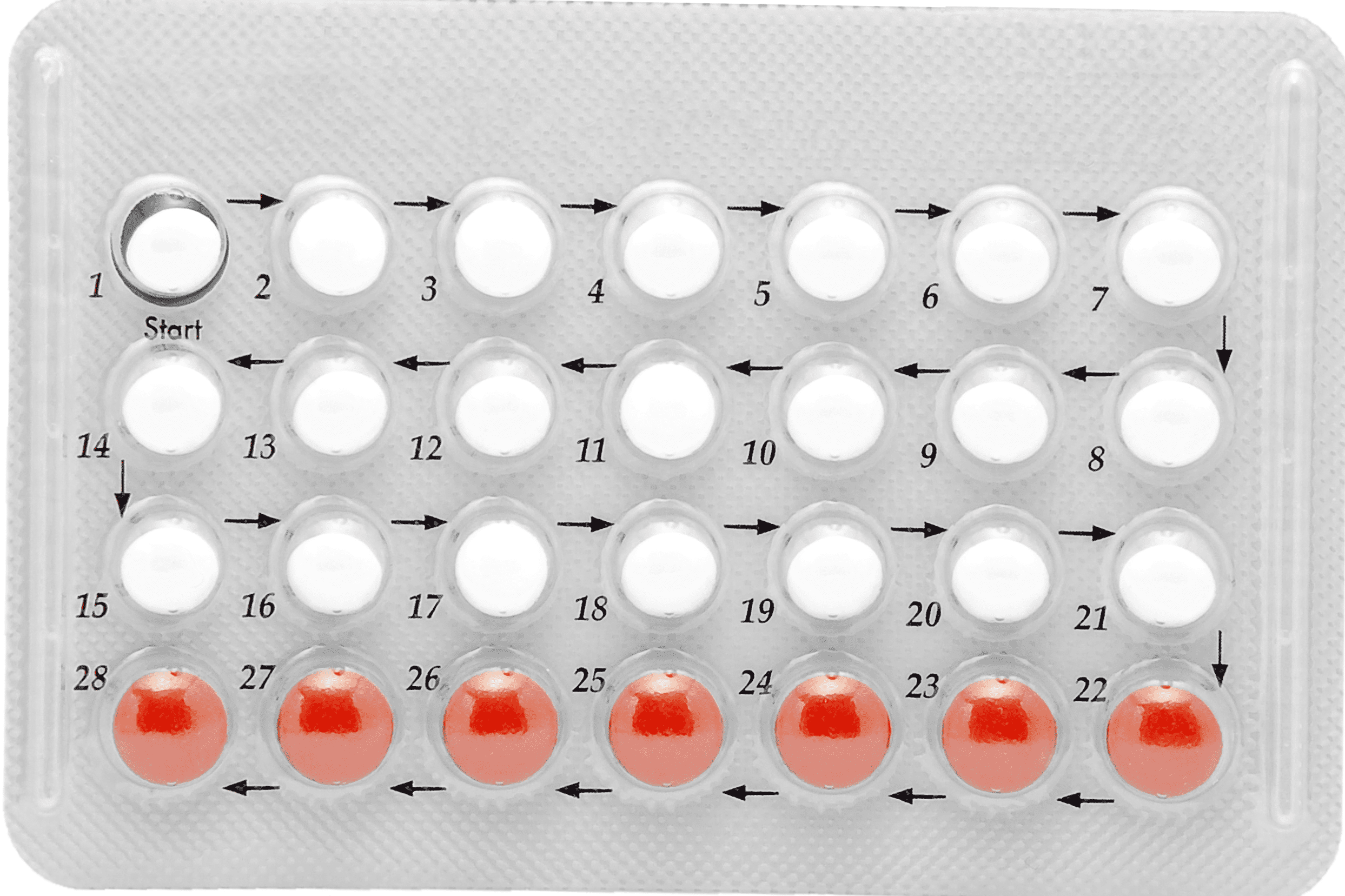
Altavera is a prescription medication categorized as a combination oral contraceptive (COC). It contains two types of female hormones: a progestin (levonorgestrel) and an estrogen (ethinyl estradiol). As a monophasic pill, Altavera delivers the same dosage of these hormones in every active pill throughout the 21-day cycle, which is followed by a 7-day "reminder" or placebo phase.
In the landscape of 2026 contraception, Altavera remains a staple generic alternative to the brand-name drug Nordette. It is also bioequivalent to other generics such as Portia, Levora, and Kurvelo. Because it is a generic, it is often a preferred choice for patients seeking a cost-effective solution that does not compromise on pharmacological standards or efficacy.
The specific combination of 0.15 mg levonorgestrel and 0.03 mg ethinyl estradiol is considered a standard-dose pill. While "low-dose" pills (those with 0.02 mg of estrogen or less) are available, the 0.03 mg dosage in Altavera is often prescribed to reduce the occurrence of breakthrough bleeding, a common issue with ultra-low-dose formulations.
Mechanism of Action: How Altavera Prevents Pregnancy
Understanding how Altavera works requires a look at the hypothalamic-pituitary-ovarian (HPO) axis. The medication operates through three primary synergistic mechanisms:
- Ovulation Suppression: The primary function of the hormones is to signal the brain to suppress the mid-cycle surge of Luteinizing Hormone (LH) and Follicle-Stimulating Hormone (FSH). Without these hormonal spikes, the ovaries do not release an egg. If no egg is released, fertilization cannot occur.
- Cervical Mucus Alteration: The progestin component (levonorgestrel) increases the viscosity of the cervical mucus. This creates a physical and chemical barrier that makes it significantly more difficult for sperm to penetrate the cervix and reach the upper reproductive tract.
- Endometrial Changes: Altavera alters the lining of the uterus (the endometrium). It keeps the lining thin, which makes it less receptive to the implantation of a fertilized egg in the highly unlikely event that ovulation and fertilization occur.
These three layers of protection result in a theoretical "perfect use" efficacy rate of over 99%. In practice, "typical use" efficacy is approximately 91%, accounting for human error such as missed pills or inconsistent timing.
Dosage and Administration Protocol
The standard Altavera pack contains 28 tablets: 21 peach-colored active pills and 7 white placebo pills. Adherence to the schedule is the most critical factor in maintaining contraceptive protection.
Starting the Pack
Most healthcare providers recommend one of two starting methods:
- Day 1 Start: You take the first pill on the first day of your menstrual period. This provides immediate protection against pregnancy.
- Sunday Start: You take the first pill on the first Sunday after your period begins. If your period starts on a Sunday, you start that day. This method requires a back-up contraceptive (like condoms) for the first seven days of the first cycle.
Daily Routine
The pill must be taken at the same time every day. This consistency maintains a steady level of hormones in the bloodstream. Fluctuations caused by late or missed doses can lead to "escape ovulation" or breakthrough bleeding.
Managing Missed Pills
If you miss one active pill, take it as soon as you remember and take the next pill at your regular time (even if this means taking two pills in one day). If you miss two or more active pills in a row, the risk of pregnancy increases significantly. In 2026, the Centers for Disease Control and Prevention (CDC) guidelines recommend using a backup method for seven days after missing two or more pills.
Benefits Beyond Contraception
While pregnancy prevention is the primary intent, many users are prescribed Altavera for its secondary health benefits. The stabilizing effect of the hormones can address several common gynecological concerns.
- Cycle Regulation: Because the pill controls the thickening and shedding of the uterine lining, periods often become more predictable, lighter, and shorter.
- Reduction in Dysmenorrhea: Altavera can significantly reduce the severity of menstrual cramps by lowering the production of prostaglandins, the chemicals responsible for uterine contractions.
- Acne Management: Estrogen in combination pills increases sex hormone-binding globulin (SHBG), which reduces levels of free testosterone in the blood. Lower testosterone levels often lead to a reduction in hormonal acne.
- Protection Against Certain Cancers: Long-term use of combined oral contraceptives has been linked to a reduced risk of ovarian and endometrial cancers. According to the National Cancer Institute, this protective effect can persist for years after discontinuing the medication.
Side Effects: What to Expect
Side effects are common during the first three months of use as the body adjusts to the exogenous hormones. These are usually mild and often resolve without intervention.
Common Side Effects
- Nausea: Often experienced if the pill is taken on an empty stomach. Taking the pill at night or with food can mitigate this.
- Breakthrough Bleeding: Spotting between periods is common in the first two or three cycles.
- Breast Tenderness: Hormonal fluctuations can cause temporary swelling or sensitivity in breast tissue.
- Mood Changes: Some users report irritability or mild depressive symptoms, though clinical data on the link between COCs and depression remains complex and individualized.
Serious Risks and Cautions
While rare, serious cardiovascular events can occur. The risk of venous thromboembolism (VTE), which includes deep vein thrombosis (DVT) and pulmonary embolism, is higher in women taking combined hormonal birth control than in those who do not.
Seek immediate medical attention if you experience "ACHES":
- A: Abdominal pain (severe).
- C: Chest pain (sharp or sudden).
- H: Headaches (severe or accompanied by dizziness).
- E: Eye problems (blurred vision or loss of vision).
- S: Swelling or severe pain in the legs.
Comparison of Altavera with Other Formulations
Choosing a birth control pill often depends on the type of progestin and the dose of estrogen. Altavera uses levonorgestrel, a "second-generation" progestin known for having a slightly lower risk of blood clots compared to newer "fourth-generation" progestins like drospirenone (found in Yaz).
| Feature | Altavera | Yaz | Lo Loestrin Fe |
|---|---|---|---|
| Estrogen Dose | 0.03 mg (Ethinyl Estradiol) | 0.02 mg (Ethinyl Estradiol) | 0.01 mg (Ethinyl Estradiol) |
| Progestin Type | Levonorgestrel (0.15 mg) | Drospirenone (3.0 mg) | Norethindrone (1.0 mg) |
| Cycle Type | Monophasic (21/7) | 24 active / 4 placebo | 24 active / 2 EE / 2 placebo |
| Primary Advantage | Cycle stability / Low VTE risk | Acne and PMDD relief | Extremely low estrogen dose |
| Common Generic? | Yes | Yes | No (Brand dominant) |
Contraindications and Safety Precautions
Altavera is not suitable for everyone. Certain medical histories significantly increase the risk of adverse effects.
- Smoking and Age: Women over 35 who smoke should not take Altavera. Smoking while on combined birth control drastically increases the risk of heart attack and stroke.
- Hypertension: Uncontrolled high blood pressure is a major contraindication.
- Migraine with Aura: Women who experience migraines with visual disturbances (aura) are at a higher risk of ischemic stroke when taking estrogen-containing pills.
- History of Clots: A personal or strong family history of DVT, pulmonary embolism, or certain blood clotting disorders (like Factor V Leiden) usually precludes the use of Altavera.
- Liver Disease: Active liver disease or tumors can be exacerbated by hormonal contraceptives.
Cost, Insurance, and Availability in 2026
In 2026, Altavera remains highly accessible in the United States and other markets. Under the Affordable Care Act (and subsequent updates), most private insurance plans are required to cover generic contraceptives like Altavera with zero out-of-pocket cost to the patient.
For those without insurance, the retail price for a one-month supply typically ranges from $15 to $40. Telehealth platforms and mail-order pharmacies often provide discounted rates for 3-month or 12-month prescriptions. Because it is a generic, pharmacists can often substitute Altavera for Nordette or Portia unless the prescribing physician specifically marks the prescription as "Dispense as Written" (DAW).
Frequently Asked Questions (FAQ)
1. Does Altavera cause weight gain?
Clinical studies have generally shown no significant weight gain directly linked to combined oral contraceptives like Altavera. While some users report changes in weight, this is often attributed to temporary fluid retention or lifestyle factors. If significant weight change occurs, it is best to discuss it with a doctor to rule out other metabolic issues.
2. What should I do if I vomit after taking the pill?
If you vomit within 3 to 4 hours of taking your active pill, the body may not have fully absorbed the hormones. Treat this as a missed pill. Take another active pill from the pack as soon as you feel better. If vomiting or diarrhea continues for more than 24 hours, use a backup contraceptive method until you have taken active pills for seven consecutive days after the illness resolves.
3. Can I skip my period using Altavera?
Yes, it is possible to skip the "withdrawal bleed" (the period) by skipping the 7 placebo pills and starting a new pack of active pills immediately. This is known as continuous cycling. However, you should consult your doctor before doing this to ensure you have enough refills and to discuss the increased likelihood of breakthrough spotting.
4. Does Altavera interact with antibiotics?
Most common antibiotics (like amoxicillin or ciprofloxacin) do not decrease the effectiveness of Altavera. However, the antibiotic Rifampin (used for tuberculosis) significantly reduces the efficacy of birth control. Additionally, certain anti-seizure medications and herbal supplements like St. John’s Wort can interfere with the pill. Always disclose all medications to your pharmacist.
5. How long does it take for Altavera to work?
If you start the pill on the first day of your period, it is effective immediately. If you start on any other day (like a "Sunday Start"), you must use a backup method, such as condoms, for the first seven days of consistent pill use.
Final Recommendation
Altavera is a reliable, well-studied contraceptive option for those who prefer a daily oral medication. Its second-generation progestin offers a balanced safety profile, and the 0.03 mg estrogen dose provides excellent cycle control for many users. It is particularly suitable for individuals who have experienced breakthrough bleeding on lower-dose pills or those seeking a cost-effective generic.
However, the requirement for daily adherence means it may not be the best fit for those with irregular schedules. If you have contraindications like migraines with aura or a history of smoking after age 35, you should explore estrogen-free alternatives like the progestin-only pill (mini-pill), an IUD, or a contraceptive implant.