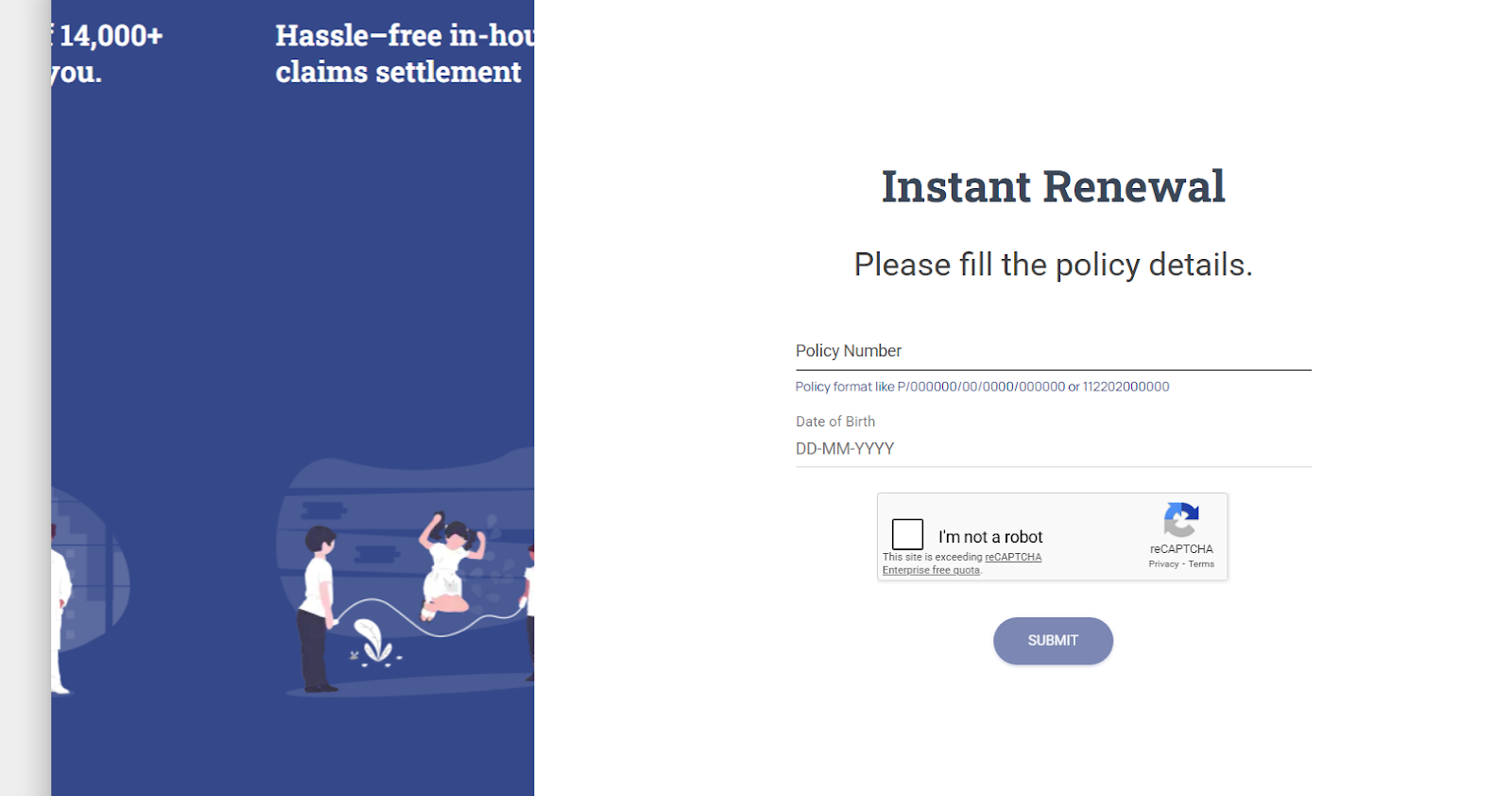
Renewing your Allstar auto insurance policy requires proactive attention to your renewal notice, typically issued 30 to 45 days before your current policy expires. By reviewing your coverage limits, updating personal information, and comparing your current premiums against your driving profile, you can ensure your policy remains cost-effective and legally compliant for the upcoming term.
The Lifecycle of an Auto Insurance Policy
Auto insurance is rarely a set-it-and-forget-it financial product. Like most standard automotive insurance policies, Allstar auto insurance operates on a term-based cycle, usually lasting six or twelve months. As you approach the end of this term, you enter the renewal window. This period is the most critical time for policyholders to reassess their financial risk and coverage needs.
The insurance company uses this time to recalculate your risk profile based on factors that may have changed since your last sign-up. These include your recent driving history, any changes in your credit rating, and the current value of your vehicle. Failing to act during this window can lead to an automatic renewal at potentially higher rates or, in cases where payment is not received, a lapse in coverage that could result in legal penalties and future premium spikes.
Timing Your Renewal Review
The "renewal timing" aspect of your Allstar policy is structured to provide you with adequate time to make decisions. You should expect to receive a renewal packet via mail or email approximately one month before your current policy termination date.
It is highly recommended that you begin your review at least 21 days before your expiration date. This buffer allows you to:
- Analyze the Renewal Offer: Carefully read the declaration page. Verify that the listed vehicles, drivers, and coverages match your current reality.
- Shop the Market: Use the renewal offer as a baseline to compare against other providers. If you decide to switch, you need enough lead time to initiate a new policy and secure a certificate of insurance before canceling your Allstar coverage to prevent any coverage gaps.
- Contact Support: If the renewal notice contains errors, such as an incorrect accident history or an outdated address, you will need time to speak with an agent to correct these before the new term begins.
Evaluating Your Coverage Requirements
Renewal is not just about paying the bill; it is the ideal moment to adjust your protection level. As vehicles age, their market value depreciates. If you are paying for comprehensive and collision coverage on an older vehicle, the annual premium might start to outweigh the actual cash value of the car.
During the renewal process, consider the following:
- Deductibles: Increasing your deductible can significantly lower your premiums, provided you have enough emergency savings to cover the higher out-of-pocket cost in the event of an accident.
- Coverage Limits: Ensure your liability limits align with your current assets. If your net worth has increased since you first bought the policy, your existing liability limits might be inadequate, leaving you personally vulnerable in the event of a significant lawsuit.
- Add-ons: Evaluate optional features such as roadside assistance, rental car reimbursement, or gap insurance. If these services are redundant—for example, if you have a separate motor club membership—removing them can provide immediate savings.
Understanding Premium Changes
Policyholders often notice that their premiums increase upon renewal, even if their driving record remains pristine. This is rarely a reflection of individual performance alone. Insurance companies adjust premiums based on broader economic data, including the rising cost of vehicle parts, labor rates in your specific geographic area, and the frequency of insurance claims within your region.
When reviewing your renewal, look for a breakdown of your premium. If you notice a sharp increase, inquire about available discounts. Many insurance providers, including Allstar, offer potential credits for:
- Bundling multiple policies (such as home or renters insurance).
- Completing defensive driving courses.
- Maintaining a specific number of years without a claim.
- Adopting usage-based or telematics-driven driving monitoring, which tracks actual driving behavior rather than relying on demographic averages.
Comparison Table: Renewal Action Items
| Action Item | Recommended Timeline | Importance |
|---|---|---|
| Review Declaration Page | 30 Days Before Expiration | Critical (Check for errors) |
| Compare Market Rates | 21–25 Days Before Expiration | High (Ensure competitive pricing) |
| Verify Discounts | 20 Days Before Expiration | Medium (Save on premiums) |
| Update Personal Info | 15 Days Before Expiration | High (Prevents coverage denial) |
| Payment Submission | 7–10 Days Before Expiration | Critical (Prevents lapse) |
Common Pitfalls to Avoid During Renewal
One of the most dangerous mistakes policyholders make is assuming that "automatic renewal" is the same as "optimized renewal." While automatic payment features are convenient, they can lead to complacency. If you allow your policy to auto-renew without reviewing it, you may inadvertently pay for coverage you no longer need or miss out on significant discounts that you have become eligible for over the last six months.
Another frequent error is waiting until the last day to make changes. If you attempt to alter your policy or switch providers on the day of expiration, you risk administrative delays. If a system outage occurs or your payment processing is flagged, you could find yourself driving without valid insurance, which is a significant legal risk in all jurisdictions.
When to Consult an Insurance Agent
While many consumers prefer the efficiency of self-service portals, there are scenarios where a conversation with an Allstar representative is preferable. If you have experienced a major life change—such as a marriage, a child becoming a licensed driver, a move to a new ZIP code, or a change in your primary vehicle usage—you should call an agent.
These life events significantly alter your risk profile. An agent can navigate the complexities of how these changes affect your policy and can help you structure your coverage to ensure you are not underinsured or paying for coverage that no longer serves your household’s needs.
FAQ: Managing Your Allstar Policy Renewal
What happens if I forget to renew my Allstar auto insurance? If you have set up automatic payments, the policy will renew, but you may lose out on potential savings from manual adjustments. If you pay manually and miss the deadline, your coverage will lapse. This can lead to fines, suspension of your vehicle registration, and significantly higher premiums when you eventually reinstate your insurance.
Can I change my coverage levels in the middle of a term? Yes, you do not have to wait for the renewal notice to make changes. However, the renewal period is the most convenient time to adjust your policy because the changes will coincide with the start of a new billing cycle, avoiding pro-rated mid-term adjustments.
Does my credit score affect my renewal premium? In many jurisdictions, insurance companies use credit-based insurance scores as a factor in determining premiums. If your credit has improved significantly since your last renewal, it is worth asking your insurer if they can re-run your score to see if it qualifies you for a lower rate.
Is it possible to switch providers at the renewal date? Absolutely. The renewal date is the most logical and penalty-free time to switch insurance companies. Ensure you have your new policy active and effective at least 24 hours before your Allstar policy expiration date to ensure continuous coverage.
How do I verify that my payment was received? After submitting your renewal payment, always keep a copy of your transaction confirmation number. You can typically verify the status of your payment through your online user portal or by calling the customer support line listed on your billing statement.
Final Next Steps
As your expiration date approaches, set a calendar alert for 30 days out. When the renewal notice arrives, prioritize a 30-minute block of time to review your declaration page against your current lifestyle. Verify your coverage limits, confirm your contact information, and inquire about any discounts you may have missed. By acting with intentionality rather than simply reacting to an automated charge, you maintain better control over both your financial health and your road safety.