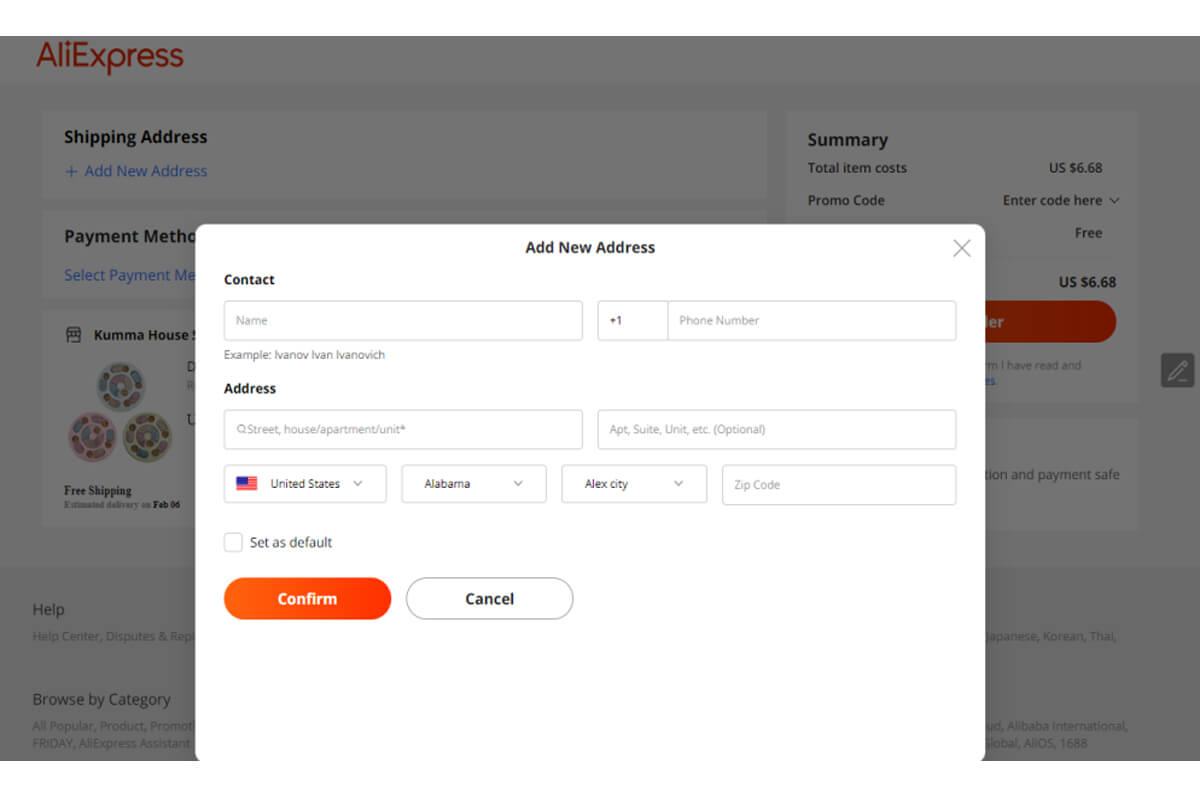
AliExpress supports PayPal as a primary payment method, though its availability remains contingent on the seller's specific settings and the buyer's shipping destination. Using PayPal provides an additional layer of security through PayPal Buyer Protection, which complements the internal AliExpress Money Back Guarantee for a more secure cross-border shopping experience.
For years, the relationship between the Alibaba Group and PayPal was complex, characterized by intermittent availability and regional restrictions. As we navigate the e-commerce landscape of 2026, the integration has matured significantly. However, for many users, the option to use PayPal is not always visible or straightforward. Understanding how to navigate these payment options is essential for maximizing security and managing transaction costs effectively.
The Evolution of PayPal on AliExpress
The availability of PayPal on AliExpress has historically fluctuated due to competition between payment ecosystems—specifically between Alipay (owned by Alibaba's affiliate, Ant Group) and PayPal. For a long period, PayPal was almost entirely absent from the platform. However, the demand from Western markets, particularly the United States and Europe, necessitated a more flexible approach.
In 2026, PayPal is a staple for high-tier sellers and official brand stores on the platform. It serves as a bridge for consumers who are hesitant to share their credit card information directly with a foreign entity or who prefer the streamlined checkout experience PayPal offers. Despite this integration, PayPal is not a "global default." It is treated as an optional service that sellers must opt into, often involving higher transaction fees for the merchant, which is why you may see it available for a $50 gadget but missing for a $2 micro-component.
Eligibility and Availability Requirements
Before attempting to pay with PayPal, it is important to understand the three primary factors that determine whether the option will appear at checkout:
1. Seller Participation
Individual sellers on AliExpress must choose to accept PayPal. Because PayPal charges merchants higher processing fees compared to Alipay or direct credit card processing, many small-scale or low-margin sellers omit it. High-volume "Gold" sellers and official "Top Brand" stores are the most likely to support it, as they prioritize customer trust and conversion over minor fee differences.
2. Geographic Restrictions
Your shipping address plays a critical role. Currently, PayPal is most widely available for orders being shipped to the United States, United Kingdom, Canada, Germany, Spain, France, and Italy. If you are shipping to a region where PayPal has less market penetration or higher regulatory hurdles, the option may be automatically filtered out by the AliExpress system, regardless of the seller's preferences.
3. Account and Device Consistency
Sometimes, the PayPal option is hidden if there is a mismatch between your AliExpress account region and your IP address or if you are using an outdated version of the AliExpress mobile app. To ensure the widest range of payment options, users should maintain an updated app and ensure their "Ship to" and "Currency" settings are correctly configured in the header menu.
How to Find PayPal-Ready Sellers
Navigating AliExpress to find sellers that accept PayPal requires a proactive approach. While there is no dedicated "PayPal-only" toggle in the primary search filters, you can use the following methods to identify eligible listings:
- Filter by "Top Brands": These stores are vetted by AliExpress and almost universally support premium payment methods like PayPal to maintain their status.
- Check the Product Detail Page: Scroll down to the "Payment" section near the "Shipping" and "Service" tabs. Reliable sellers often list the PayPal logo prominently as a trust signal.
- Cart Verification: The most definitive way to check is to add the item to your cart and proceed to the "Select Payment Method" screen. If PayPal is supported for your specific combination of item and location, it will appear alongside "Add a new card."
The Technical Steps of the Checkout Process
Once you have identified a product that supports PayPal, the checkout process follows a specific technical flow designed to synchronize the two platforms.
- Selection: On the "Order Confirmation" page, click on "Payment Method."
- Authentication: Select the PayPal icon. A secure pop-up window or a redirect to the PayPal login page will appear. In 2026, most mobile users benefit from biometric authentication (FaceID or Fingerprint) to bridge this gap instantly.
- Currency Selection: This is a critical decision point. PayPal will ask if you want to pay in the seller’s currency (usually USD) or your local currency. Pay close attention here: PayPal’s internal conversion rates are frequently 3% to 4% higher than mid-market rates.
- Confirmation: Once authorized, you are returned to AliExpress to finalize the order. The funds are usually "authorized" immediately and "captured" once the seller confirms the shipment.
Understanding Costs: Fees and Currency Conversion
The convenience of PayPal often comes with a financial trade-off. While AliExpress does not typically charge the buyer an extra fee for using PayPal, the indirect costs can add up.
The Dynamic Currency Conversion (DCC) Trap
When you use PayPal for an international purchase, you are often hit with a double-conversion scenario. AliExpress might convert the price from CNY (Yuan) to USD, and then PayPal offers to convert that USD to your local currency (e.g., EUR or GBP). To avoid these excessive fees, it is generally recommended to set your AliExpress currency to USD and instruct PayPal to charge your linked credit card in that same currency. This allows your bank or credit card issuer—which often has better exchange rates—to handle the conversion.
Seller Surcharges
While prohibited by AliExpress terms of service in many jurisdictions, some sellers may slightly inflate the base price of an item if they know it is primarily marketed to "PayPal regions." This is a way to bake the 3-4% merchant fee into the product cost. Comparing prices across multiple sellers for the same item can reveal if a "PayPal-friendly" store is significantly more expensive than one that only accepts Alipay.
Comparing Payment Options on AliExpress
To make an informed decision, it is helpful to see how PayPal stacks up against other common methods available on the platform in 2026.
| Payment Method | Security Level | Buyer Protection | Processing Fee (Buyer) | Speed |
|---|---|---|---|---|
| PayPal | Very High | Dual (AliExpress + PayPal) | 0% (but high FX fees) | Instant |
| Credit/Debit Card | High | Bank Chargeback | 0% | Instant |
| Alipay | High | AliExpress Guarantee | 0% | Instant |
| Klarna (BNPL) | Medium | Standard | 0% (if paid on time) | Instant |
| Bank Transfer | Low | None | Varies by Bank | 3–7 Days |
The Dual Protection Strategy
The most compelling reason to use PayPal on AliExpress is the "Dual Protection" layer. When you pay through this method, you are covered by two independent dispute resolution systems.
1. AliExpress Money Back Guarantee
This is your first line of defense. If the item doesn't arrive, is damaged, or is "not as described," you must open a dispute within the AliExpress system (usually within 15 days of the confirmed delivery date). AliExpress acts as the mediator. They hold the funds in escrow and only release them to the seller once the protection period expires or you confirm receipt.
2. PayPal Buyer Protection
If the AliExpress dispute resolution fails—perhaps the mediator rules against you unfairly, or the seller provides a fake tracking number that AliExpress accepts—you can "escalate" the issue by filing a dispute with PayPal. PayPal offers a 180-day window for filing claims. Because PayPal is a third-party payment processor, its investigators often use different criteria than AliExpress, providing a secondary "safety net" for high-value purchases.
Warning: Never open a dispute on both platforms simultaneously. It is standard practice for AliExpress to immediately freeze an internal dispute if they detect a PayPal chargeback has been initiated. Always exhaust the AliExpress dispute process first before turning to PayPal.
Troubleshooting Common PayPal Issues on AliExpress
Even when a seller accepts PayPal, the transaction may occasionally fail. Here are the most common technical hurdles and how to resolve them:
- PayPal Option is Missing: Ensure your shipping address is set to a supported country (US, UK, EU). If you are using a VPN, turn it off, as a mismatch between your IP address and shipping country can trigger security filters that hide PayPal.
- Payment Verification Failed: This often happens if the email address associated with your AliExpress account differs significantly from your PayPal email. Ensure both accounts are verified and that your PayPal account has a confirmed "Backup Payment Method" (like a linked credit card).
- "Order Closed" Immediately After Payment: This is usually an automated fraud prevention measure by AliExpress. It happens if the system suspects "coupon abuse" or if the PayPal account has been flagged for frequent chargebacks. To fix this, you may need to submit an "Appeal" with a photo of your ID and the PayPal transaction details.
- Currency Mismatch Error: If your PayPal balance is in a currency that AliExpress cannot process for that specific seller, the transaction may hang. Try changing your AliExpress site currency to USD or EUR and re-attempting the checkout.
Safety and Best Practices for 2026
To ensure a smooth experience when navigating payment options, follow these expert guidelines:
- Check Seller Ratings: Even with PayPal protection, a dispute is a time-consuming hassle. Only buy from sellers with a positive feedback rating of 95% or higher and who have been active for at least six months.
- Document Everything: For high-value items (over $100), record a video of yourself unboxing the package. This provides undeniable evidence for both AliExpress and PayPal disputes if the item is missing or damaged.
- Keep Communication On-Platform: Never agree to pay a seller via PayPal "directly" (outside of the AliExpress checkout). If a seller sends you a PayPal invoice or email, it is likely a scam. By paying outside the platform, you lose your AliExpress Money Back Guarantee.
- Monitor Protection Timers: Keep an eye on the "Awaiting Delivery" countdown. If it is about to expire and you haven't received the item, request an extension or open a dispute immediately. PayPal's protection is long, but AliExpress's is short.
Frequently Asked Questions
Can I use PayPal Credit or "Pay in 4" on AliExpress?
Yes, in 2026, if PayPal is available as a payment option for your order, you can typically use PayPal's internal credit products, such as "Pay in 4" or PayPal Credit. This is handled entirely on the PayPal side during the authorization step. AliExpress receives the full payment immediately, while you manage the installments through your PayPal dashboard.
Why does the price change when I select PayPal?
This is usually due to currency conversion. AliExpress displays an estimate in your local currency, but the actual transaction might be sent to PayPal in USD. PayPal then applies its own exchange rate, which may be less favorable than the initial estimate. Always check the "Final Total" on the PayPal pop-up before clicking "Confirm."
What happens if I need a refund for a PayPal payment?
Refunds are processed back to the original payment method. Once AliExpress approves a refund, the funds are sent back to PayPal. Depending on whether you used your PayPal balance or a linked card, it can take anywhere from 3 to 10 business days for the funds to appear in your account.
Is it safer to use a Credit Card directly or through PayPal?
Using a Credit Card through PayPal is generally considered the safest method. It masks your card details from the merchant and gives you three layers of protection: the AliExpress Guarantee, PayPal Buyer Protection, and your bank’s chargeback rights.
Does AliExpress charge a fee for using PayPal?
AliExpress itself does not charge a buyer-side fee for selecting PayPal. However, the seller might have slightly higher prices to cover their merchant costs, and PayPal may charge currency conversion fees if you are not paying in the native currency of your account.
Final Recommendation
When shopping on AliExpress in 2026, PayPal remains the gold standard for security-conscious buyers. While you may occasionally encounter sellers who do not support it or higher-than-average currency conversion rates, the peace of mind provided by the dual-dispute system is invaluable—especially for high-ticket electronics or specialized equipment. To get the best value, always pay in the seller's currency to avoid PayPal’s conversion markup, and always attempt to resolve issues through the AliExpress dispute center before escalating to a PayPal claim.