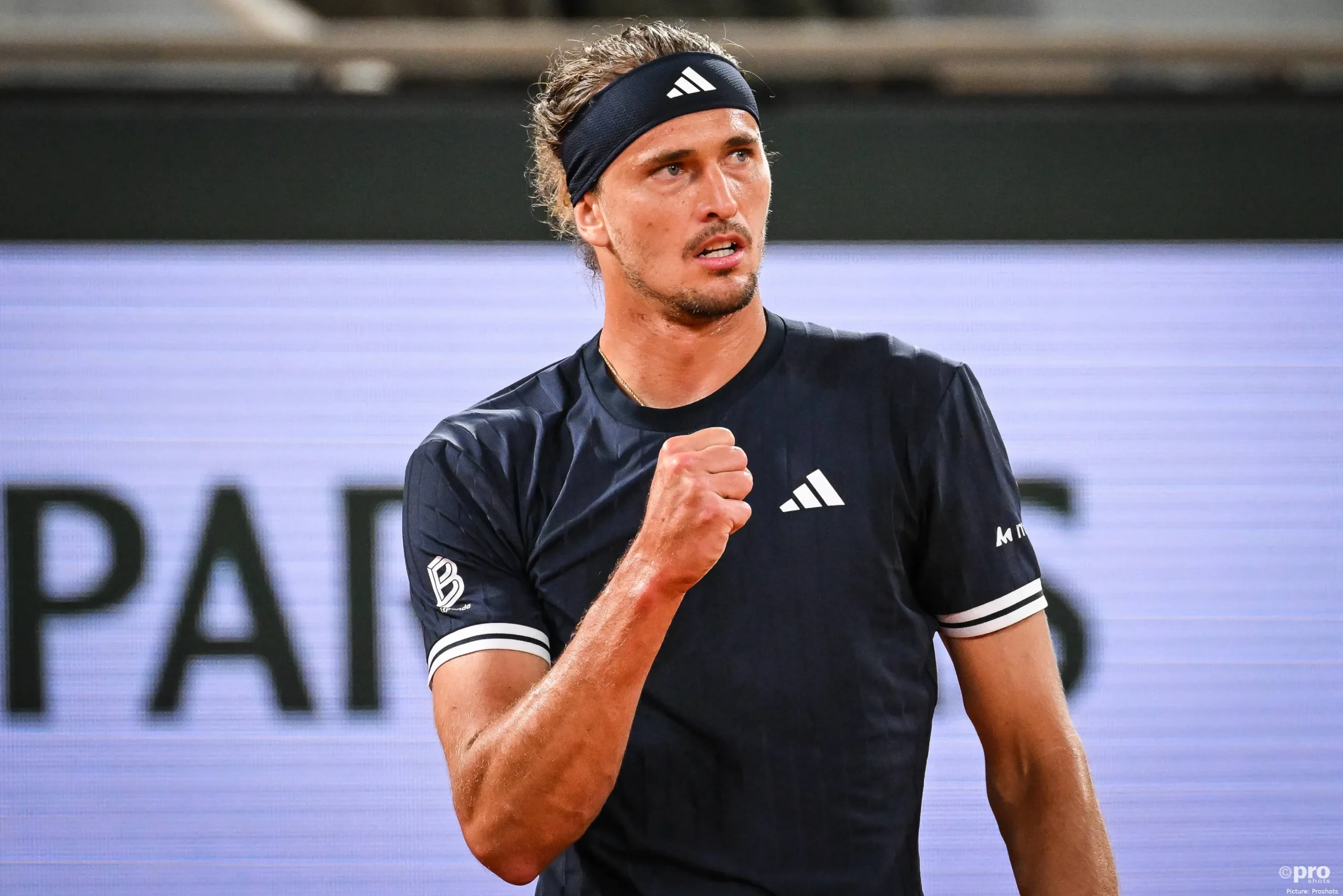
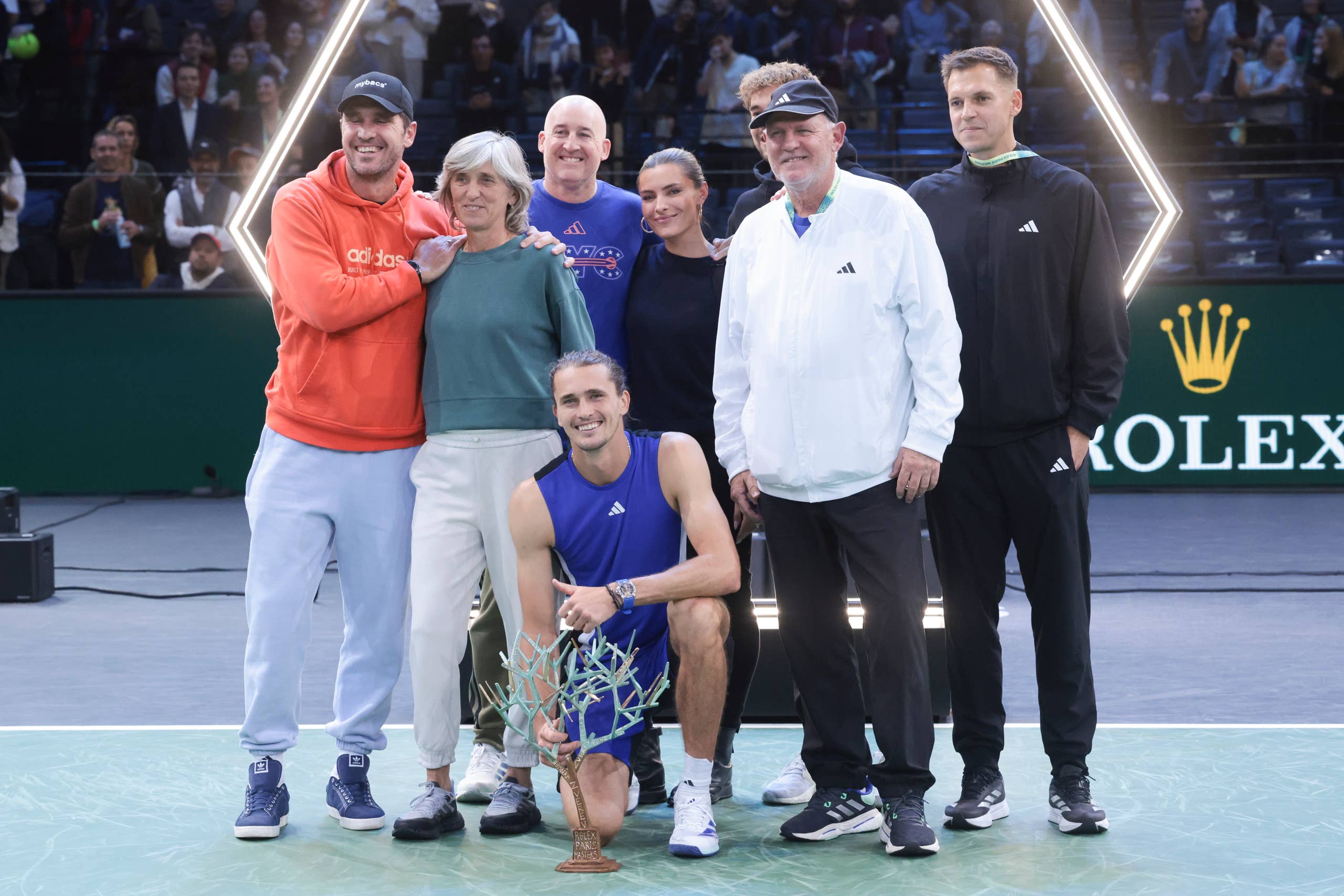
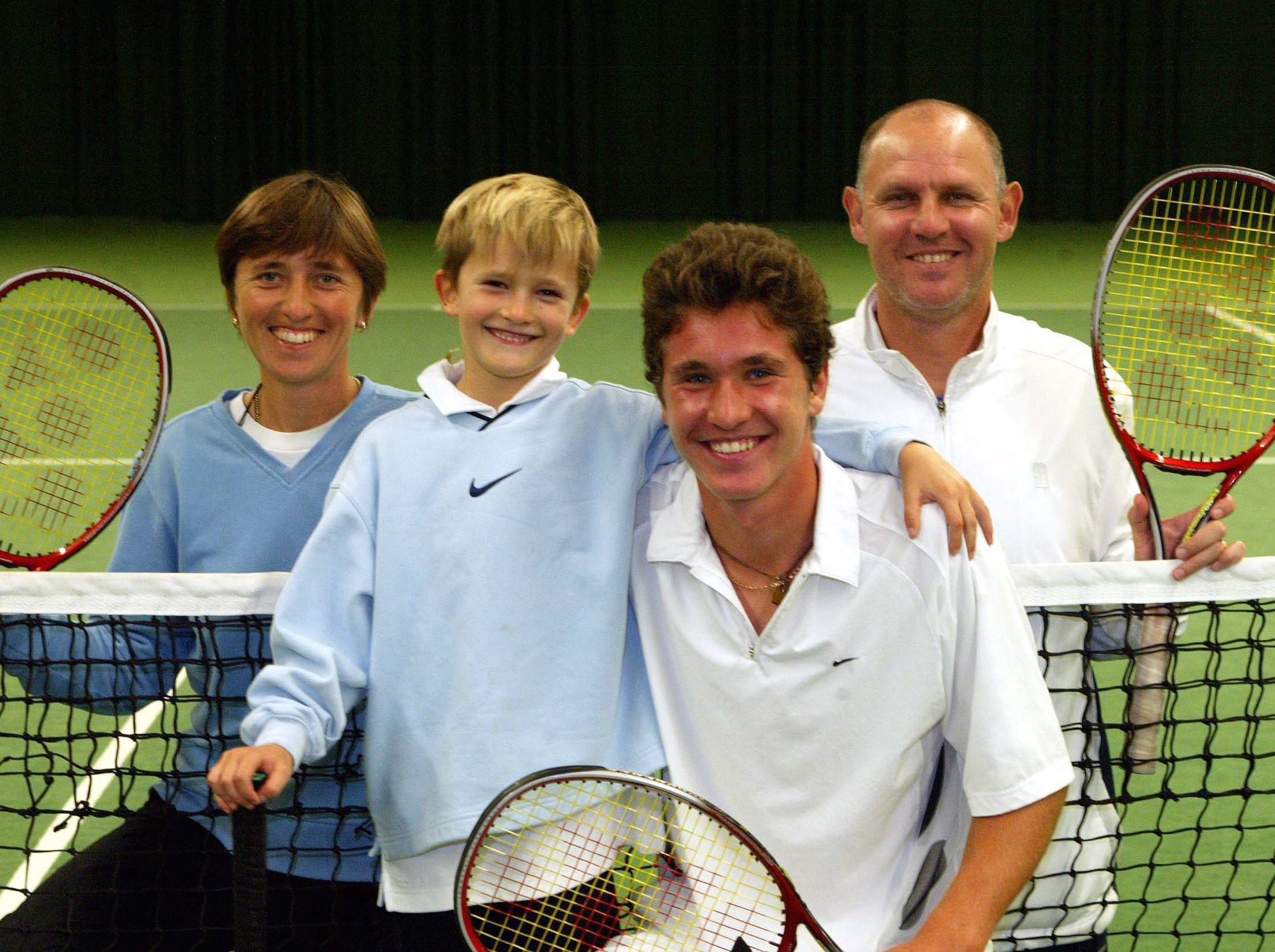
Alexander Zverev’s family is the cornerstone of his professional success, comprising a multi-generational tennis dynasty that includes his father Alexander Sr., his mother Irina, and his older brother Mischa. This tight-knit unit provides a comprehensive support system of coaching, management, and emotional stability, transitioning from their Soviet tennis roots to becoming a dominant force in German and international sports.
The Foundations of a Sporting Dynasty: Alexander Sr. and Irina Zvereva
The story of Alexander "Sascha" Zverev’s career is inseparable from the history of his parents, Alexander Zverev Sr. and Irina Zvereva. Both were elite competitive players in the Soviet Union before migrating to Germany in 1991. Their transition from professional athletes to world-class coaches laid the groundwork for one of the most successful family setups in ATP history.
Alexander Zverev Sr.: The Architect of Technique
Alexander Zverev Sr. was a prominent figure in Soviet tennis during the 1980s. He reached a career-high ranking of World No. 175 and was a mainstay of the Soviet Davis Cup team. Known for his disciplined approach and tactical mind, Alexander Sr. moved his family to Hamburg, Germany, shortly after the fall of the Berlin Wall.
In Germany, he took up coaching positions at various clubs, eventually focusing his entire energy on his two sons. Unlike many "tennis parents" who lack professional experience, Alexander Sr. brought a deep understanding of the physical and mental rigors of the tour. He has been the primary head coach for Sascha throughout his career, emphasizing a baseline-heavy game characterized by a powerful serve and a relentless backhand. His coaching style is often described as rigorous but grounded in a deep paternal bond, allowing him to navigate the volatile emotions of high-stakes professional tennis.
Irina Zvereva: The Technical Specialist
While Alexander Sr. often takes the spotlight in the coaching box, Irina Zvereva (née Fatyanova) is widely credited with molding the technical foundations of her sons' games. A former top-rated player herself, reaching No. 380 in the world during an era when Soviet players had limited travel opportunities, Irina’s influence is most visible in Sascha’s backhand—often cited as one of the best in the world.
Irina’s role within the family goes beyond technical instruction. She is frequently seen at tournaments providing the emotional counterbalance to the high-pressure environment of the ATP Tour. In various interviews, Sascha has noted that while his father handles the tactical "war room" aspects of the game, his mother ensures the mental well-being and domestic stability required for a player who spends over 40 weeks a year on the road.
Mischa Zverev: The Trailblazer and Mentor
Mischa Zverev, ten years Sascha’s senior, played a dual role in his younger brother's life: he was both the blueprint for success and the protective older sibling. Mischa’s own career was distinguished by a classic serve-and-volley style, a rarity in the modern era, which saw him reach a career-high ranking of World No. 25.
The Synergy Between Brothers
The age gap between Mischa and Sascha allowed Mischa to serve as a mentor during Sascha’s formative years. When Sascha first entered the professional circuit, Mischa was already an established veteran. This provided Sascha with an "insider’s view" of the tour, helping him avoid the common pitfalls faced by many teenage prodigies.
As Mischa’s active playing career wound down, he transitioned into a multifaceted role within Team Zverev. By 2026, Mischa has solidified his position as Sascha’s manager and frequent hitting partner. His ability to analyze opponents and relay information in a way that resonates with his brother has been a significant factor in Sascha’s longevity at the top of the rankings. The brothers share an incredibly close bond, often training together in Monaco or Florida, and Mischa’s presence in the player’s box is considered a non-negotiable for Sascha’s mental focus.
Cultural Identity and the Move to Germany
The Zverev family's identity is a blend of their Russian heritage and their German upbringing. Although Sascha was born in Hamburg in 1997 and represents Germany in international competitions—including his historic Gold Medal at the Tokyo Olympics—the family speaks Russian at home.
This dual identity has occasionally been a point of discussion in the media. However, the family has always maintained a clear stance: they are a German family with Russian roots. This background gave the Zverev brothers a unique perspective, combining the legendary "Soviet school" of disciplined, high-volume training with the modern facilities and sponsorship opportunities available in Western Europe. The family’s decision to base themselves partly in Monte Carlo, Monaco, is a standard move for elite tennis professionals, but their roots remain firmly planted in the German tennis federation (DTB) system.
The Next Generation: Alexander Zverev as a Father
In recent years, the Zverev family tree has expanded to include the next generation. Alexander Zverev became a father in March 2021, when his former partner, Brenda Patea, gave birth to their daughter, Mayla.
Co-Parenting and Privacy
The birth of Mayla marked a significant shift in Sascha’s public persona. While he and Brenda Patea are not together, they have navigated the complexities of co-parenting while Sascha maintains a grueling global travel schedule. Sascha has generally been protective of his daughter's privacy, limiting her exposure to social media and the paparazzi. However, he has spoken candidly about how fatherhood has changed his perspective on life and tennis, providing him with a sense of purpose that transcends match results.
The Role of Sophia Thomalla
Since 2021, Sascha has been in a high-profile relationship with German actress and presenter Sophia Thomalla. Thomalla has become a fixture in the Zverev family circle, frequently seen sitting alongside Alexander Sr. and Irina during matches. Her presence is credited with bringing a degree of public-facing stability to Sascha’s life. Thomalla, who is well-versed in the demands of the entertainment and sports industries, appears to have integrated seamlessly into the family’s professional bubble, often acting as a buffer against the intense media scrutiny Sascha faces.
Comparative Overview of the Zverev Family Members
To understand the collective impact of the family, it is helpful to look at their professional contributions and roles within the "Team Zverev" ecosystem.
| Family Member | Role in Team Zverev | Professional Background | Key Influence |
|---|---|---|---|
| Alexander Sr. | Head Coach | Former Soviet Pro (World No. 175) | Tactical discipline and physical conditioning. |
| Irina Zvereva | Technical Coach | Former Soviet Pro (World No. 380) | Technical precision, particularly the backhand. |
| Mischa Zverev | Manager / Mentor | Former ATP Pro (World No. 25) | Strategy, logistics, and emotional support. |
| Alexander (Sascha) | The Principal | Olympic Gold Medalist, ATP Finals Champ | The "face" of the family and primary competitor. |
| Sophia Thomalla | Partner / Support | Media Professional | Public relations and personal stability. |
The "Team Zverev" Business Model
In the modern era of tennis, most top-ten players employ a rotating door of celebrity coaches and external management agencies. The Zverevs have largely resisted this trend, preferring a "family-first" business model. While Sascha has occasionally brought in external consultants—such as Ivan Lendl, David Ferrer, and Sergi Bruguera—these partnerships have often been short-lived, with Sascha eventually returning to the core coaching of his father.
Why the Family Model Works
The success of Team Zverev is rooted in trust. In an industry where financial interests can often cloud professional advice, Sascha relies on the fact that his family’s interests are perfectly aligned with his own. This "inner circle" approach allows for:
- Unfiltered Feedback: Alexander Sr. can be more direct with Sascha than a hired coach might be.
- Cost Efficiency: While Sascha is a multi-millionaire, keeping management "in-house" through Mischa ensures that the wealth generated by his career remains within the family estate.
- Consistency: The technical advice Sascha receives today is consistent with what he was taught at age five, preventing the "technical drift" that occurs when players change coaches frequently.
Challenges and Resilience
The Zverev family has not been without its share of public challenges. From legal disputes with former agents to high-profile domestic allegations that Sascha has consistently denied, the family has often been forced to close ranks. Throughout these periods, the family’s solidarity has remained their most significant asset. When the media pressure has been at its peak, the presence of his parents and brother has allowed Sascha to maintain his focus on the court, resulting in some of his most successful seasons even amidst external turmoil.
Training and Residence: From Hamburg to Monte Carlo
While the family’s heart remains in Hamburg, their professional lives are centered in Monte Carlo. The principality offers the world-class clay courts of the Monte Carlo Country Club and a community of other elite professionals to practice with.
The move to Monaco was a collective family decision, driven by the need for a year-round training climate and the tax benefits afforded to high-earning athletes. However, the family frequently returns to Germany, and Sascha remains a cornerstone of the German Davis Cup team, often citing his desire to bring a Grand Slam title back to his home country as his primary motivation.
FAQs About Alexander Zverev's Family
Does Alexander Zverev speak Russian?
Yes, Alexander Zverev is fluent in Russian. It is the primary language spoken within the family home. He is also fluent in German and English, making him one of the more linguistically versatile players on the ATP Tour.
Who is Alexander Zverev’s current coach?
As of 2026, Alexander Zverev continues to be coached primarily by his father, Alexander Zverev Sr. His brother, Mischa Zverev, also plays a significant role in his coaching and tactical preparation, often scouting opponents and managing the day-to-day operations of the team.
Is Mischa Zverev still playing professional tennis?
By 2026, Mischa Zverev has largely retired from active singles competition on the ATP Tour. He has transitioned into management, broadcasting, and coaching roles, focusing his energy on supporting Sascha’s career and working with the German Tennis Federation.
Where does the Zverev family live?
The family is primarily based in Monte Carlo, Monaco. However, they maintain strong ties to Hamburg, Germany, and also spend a significant portion of the off-season training in Florida, USA, to take advantage of the warmer weather and specific court surfaces.
How many children does Alexander Zverev have?
Alexander Zverev has one daughter, Mayla, born in 2021. He shares co-parenting responsibilities with her mother, Brenda Patea.
Summary of the Zverev Legacy
The Alexander Zverev family represents a unique phenomenon in sports: a self-contained ecosystem that has successfully navigated the transition from the restrictive sporting environment of the Soviet Union to the ultra-competitive, commercialized world of modern tennis. By leveraging the specific talents of each family member—Alexander Sr.’s discipline, Irina’s technique, and Mischa’s experience—they have created a platform that has kept Sascha at the top of the game for over a decade.
For fans and aspiring athletes, the Zverev story is a testament to the power of a unified support system. While the path has not always been smooth, the family’s ability to adapt, protect their own, and maintain a singular focus on athletic excellence ensures that the Zverev name will remain synonymous with tennis for years to come.
Practical Recommendation: For those looking to follow the Zverev family's journey or understand their training methods, following Mischa Zverev's analysis on major sports networks or Sascha's official updates via the ATP Tour website provides the most accurate and up-to-date professional insights.