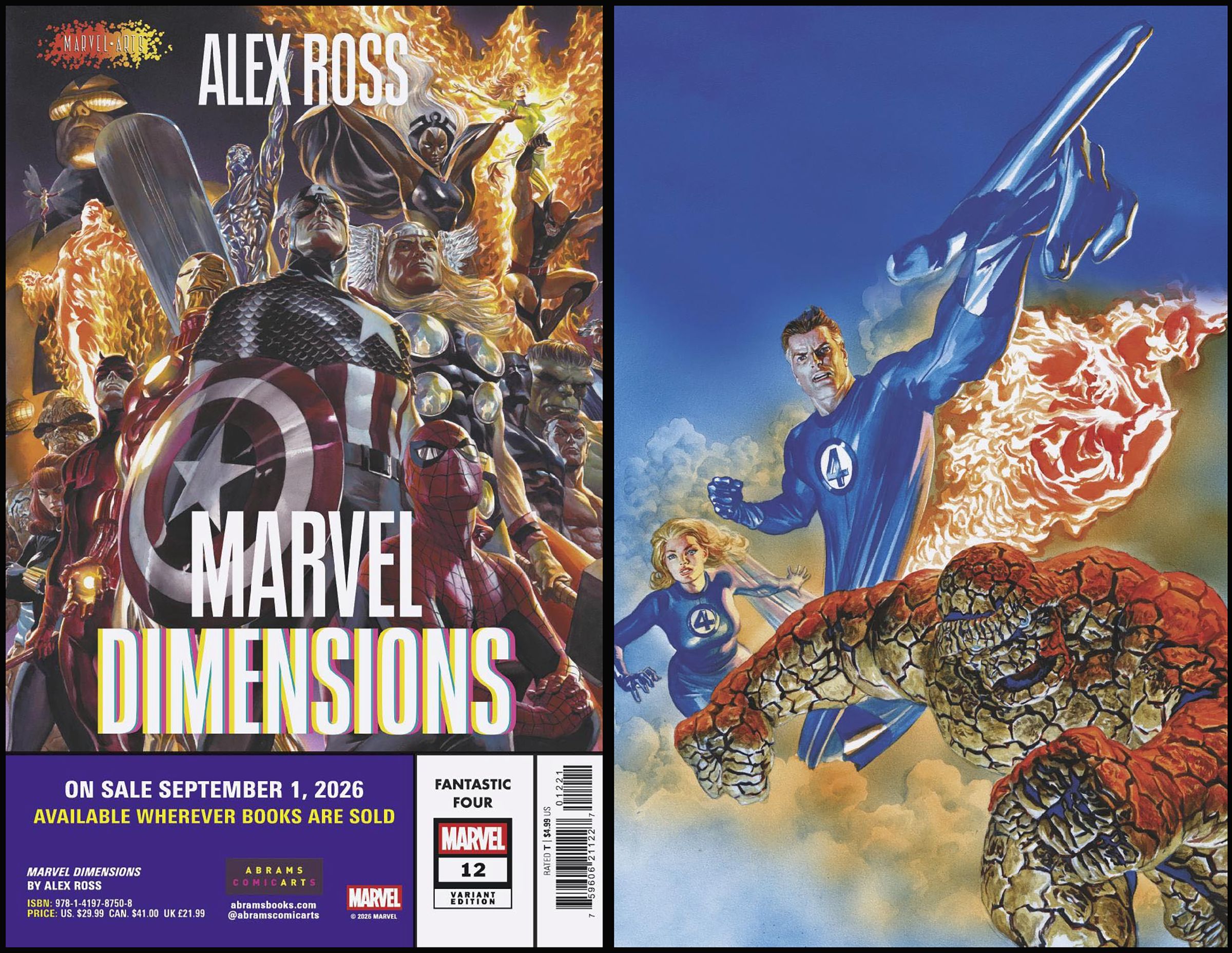
Alex Ross is a preeminent American comic book artist and illustrator renowned for his photorealistic gouache paintings that reimagined superheroes as tangible, mythological icons. His cover art serves as a premium marketing tool, elevating comic book titles through a painterly realism that bridges the gap between sequential storytelling and fine art illustration across comics, film, and music. By treating the superhero genre with the gravitas of classical portraiture, Ross has spent over three decades defining the visual language of modern legends.
The Artistic Philosophy and Technique of Alex Ross
To understand why Alex Ross cover art holds such a prestigious position in the industry, one must first analyze his unique technical approach. Unlike the majority of comic book artists who utilize traditional line art—consisting of pencils, inks, and digital colors—Ross works almost exclusively in gouache. This opaque watercolor allows for a layering of light and shadow that mimics the physical world with startling accuracy.
The Use of Photorealism and Live Models
Ross’s process is deeply rooted in the traditions of Mid-Century American illustrators like Norman Rockwell and J.C. Leyendecker. He does not simply draw from imagination; he utilizes live models, often dressing friends, family, or himself in makeshift costumes to capture how fabric folds, how muscles tension under skin, and how light interacts with physical surfaces. This "human-first" approach is why his depiction of Superman or Wonder Woman feels grounded in reality. When a reader sees an Alex Ross cover, they aren't just seeing a character; they are seeing a person who inhabits the suit.
Composition and Lighting
Ross often employs dramatic "hero shots" or low-angle perspectives to instill a sense of awe. His lighting is frequently cinematic, utilizing "rim lighting" to define silhouettes or soft, diffused light to suggest the divinity of characters like Shazam or The Spectre. In his cover work, the composition is meticulously balanced to ensure that even a crowded group shot—such as those seen in Justice or Kingdom Come—remains legible and impactful from a distance, which is a primary requirement for successful retail cover art.
The Evolution of Alex Ross Cover Art in Comics
While Ross has illustrated complete graphic novels, his primary footprint in the 2020s and leading into 2026 has been his prolific output of cover art. His covers are often treated as "events" by publishers like DC and Marvel, frequently used for first issues, milestone anniversaries, or high-value variant programs.
The Marvels and Kingdom Come Era
Ross’s rise to superstardom began in the mid-1990s with two seminal works: Marvels (1994) at Marvel Comics and Kingdom Come (1996) at DC Comics.
- Marvels: This series changed the industry by showing the Marvel Universe through the lens of a news photographer. The covers for this series were revolutionary, presenting the "Marvel Age" of heroes as if they were historical figures captured on film.
- Kingdom Come: Here, Ross took on the role of architect for the future of the DC Universe. His cover art for the four-issue prestige series remains some of the most sought-after imagery in comic history, particularly his reimagining of an older, weary Bruce Wayne and a disillusioned Superman.
The Rise of the "Variant" and the Timeless Series
In the last decade, Ross has moved into a dominant role within the variant cover market. His "Timeless" series for Marvel is a standout example. These covers feature individual heroes against a stark, white background, stripped of any environmental distractions. This series highlights the pure design and anatomy of the characters, creating a "trading card" aesthetic that appeals to collectors. By 2026, these Timeless variants have become a staple of the secondary market, often commanding higher prices than standard editions due to their evergreen visual appeal.
Alex Ross Cover Art Across Multimedia
The influence of Alex Ross extends far beyond the pages of comic books. His ability to distill a character’s essence into a single, iconic image has made him a favorite for film studios, musicians, and video game developers.
Film and Television
One of Ross’s most famous contributions to cinema is the opening credits sequence of Sam Raimi’s Spider-Man 2 (2004). Ross painted several key moments from the first film to recap the story, providing a lush, mythic quality that set the tone for the sequel.
In 2019, M. Night Shyamalan commissioned Ross to create "comic book" style posters for the film Glass. Ross’s ability to take real actors (Samuel L. Jackson, Bruce Willis, and James McAvoy) and translate them into a stylized, yet realistic comic aesthetic was essential for a film that deconstructed superhero tropes. His work in media consistently bridges the gap between the "real world" of film and the "heightened world" of comics.
Music and Album Covers
Ross has a long-standing relationship with the heavy metal band Anthrax. He has designed several of their album covers, including We’ve Come for You All and For All Kings. His style brings a sense of grandiosity to the band's imagery, often featuring the band members themselves or their mascot in heroic, high-contrast settings. Additionally, Ross’s love for The Beatles led to an extensive series of paintings for the Yellow Submarine 50th-anniversary celebrations, where he translated the psychedelic animation into his signature photorealistic style.
Video Game Industry
Ross’s work has also graced the covers of several high-profile video games, most notably Mortal Kombat vs. DC Universe. For this project, Ross had to balance the gritty, violent aesthetic of Mortal Kombat with the heroic tradition of the DC pantheon. His cover art served as a unifying force, making the crossover feel legitimate and high-stakes rather than a mere gimmick.
Technical Specifications and Production Value
When analyzing Alex Ross's work from a technical standpoint, especially for collectors or historians, several factors contribute to its lasting value.
| Feature | Description | Impact on Media Value |
|---|---|---|
| Medium | Gouache and Watercolor on Illustration Board | Unique texture that cannot be perfectly replicated by digital art. |
| Color Palette | High Saturation / Primary Colors | Ensures the art "pops" on a crowded shelf or digital storefront. |
| Character Design | Silver Age Influence | Appeals to nostalgia while providing a "definitive" version of a hero. |
| Market Status | High Liquidity | Ross covers consistently maintain or increase in value in the 2026 market. |
| Format | Virgin Covers (No Trade Dress) | Often released as limited editions, emphasizing the art over the branding. |
The Impact on the Collectors' Market
As of 2026, Alex Ross remains one of the few living comic artists whose original paintings sell for five and six-figure sums at major auction houses like Heritage Auctions. For the average consumer, his "Variant Covers" represent an accessible entry point into art collecting.
The Allure of the "Virgin" Cover
A significant trend in Ross’s media output is the "Virgin Cover"—a version of a comic or album art that is printed without titles, logos, or barcodes. This format treats the art as a gallery piece. Because Ross’s work is fully painted, it benefits more from this treatment than standard line-and-color art, as it allows the viewer to appreciate the brushwork and subtle color transitions in the gouache.
Authentication and Grading
For collectors looking to invest in Alex Ross cover art, the CGC (Certified Guaranty Company) "Signature Series" is the industry gold standard. Having a Ross-signed cover encapsulated and graded provides a verified "Blue Label" status that is essential for high-end transactions. In 2026, signed Ross variants for key issues (like Fantastic Four #1 or Action Comics #1000) are considered "blue chip" assets in the hobby.
Alex Ross and the Future of Media Illustration
Despite the rise of AI-generated imagery and advanced digital painting tools, Ross’s work has maintained its relevance because of its inherent "humanity." The minor imperfections, the physical texture of the paint, and the specific choices made during a live-model photoshoot provide a soul that digital tools often struggle to replicate.
His recent project, Fantastic Four: Full Circle (released in late 2022 and expanded upon through 2024-2025), showed Ross experimenting with a more "pop-art" graphic style, utilizing high-contrast lighting and a more vibrant, 1960s-inspired palette. This shift demonstrated his versatility; while he is the master of photorealism, he is also capable of adapting his style to fit the specific "vibe" of the media he is working on.
Frequently Asked Questions
What makes Alex Ross's style different from other comic book artists?
Alex Ross uses gouache paint to create a photorealistic effect, whereas most comic artists use digital tools or pen and ink. Ross focuses on how light and physics affect characters, making superheroes look like real people rather than stylized drawings. This creates a "mythic" feel that is unique to his work.
Why are Alex Ross variant covers more expensive?
Publishers often limit the print run of Alex Ross covers to create scarcity. Because his art is highly detailed and has a high "wall-hanging" appeal, demand among collectors is consistently higher than for standard covers. His reputation as a "prestige" artist naturally drives up the market value of his work.
Does Alex Ross still draw the inside of comic books?
While he is best known for his covers, Ross occasionally does interior work. However, because his painted style is incredibly time-consuming, he primarily focuses on covers and special graphic novels (like Fantastic Four: Full Circle) where he can maintain full control over the visual presentation.
Has Alex Ross worked for both Marvel and DC?
Yes. Alex Ross has produced some of the most iconic work for both companies. He is perhaps one of the few artists whose style is equally associated with the "Marvel Age" and the "DC Multiverse." He has also worked with independent publishers like Dynamite Entertainment (on The Shadow and Vampirella).
What is the best way to collect Alex Ross's art?
For most people, collecting "Art Of" books is the best way to see his work in high resolution. For comic collectors, looking for "Timeless" variants or "Store Exclusive" variants is a common path. For those with higher budgets, original sketches or limited edition lithographs are available through his official art gallery.
Practical Recommendation for Fans and Collectors
If you are looking to start or expand a collection of Alex Ross cover art, focus on the "Timeless" variants or his 75th/80th Anniversary covers. These series were designed specifically to be iconic representations of the characters and have historically held their value better than covers tied to specific, niche storylines.
For those interested in the artistic process, it is highly recommended to seek out the book Mythology: The DC Comics Art of Alex Ross. It provides deep technical insights into his use of models and gouache, which will enhance your appreciation for the physical covers you collect. Finally, always verify signatures through reputable third-party grading services to ensure the long-term viability of your investment in the 2026 market.