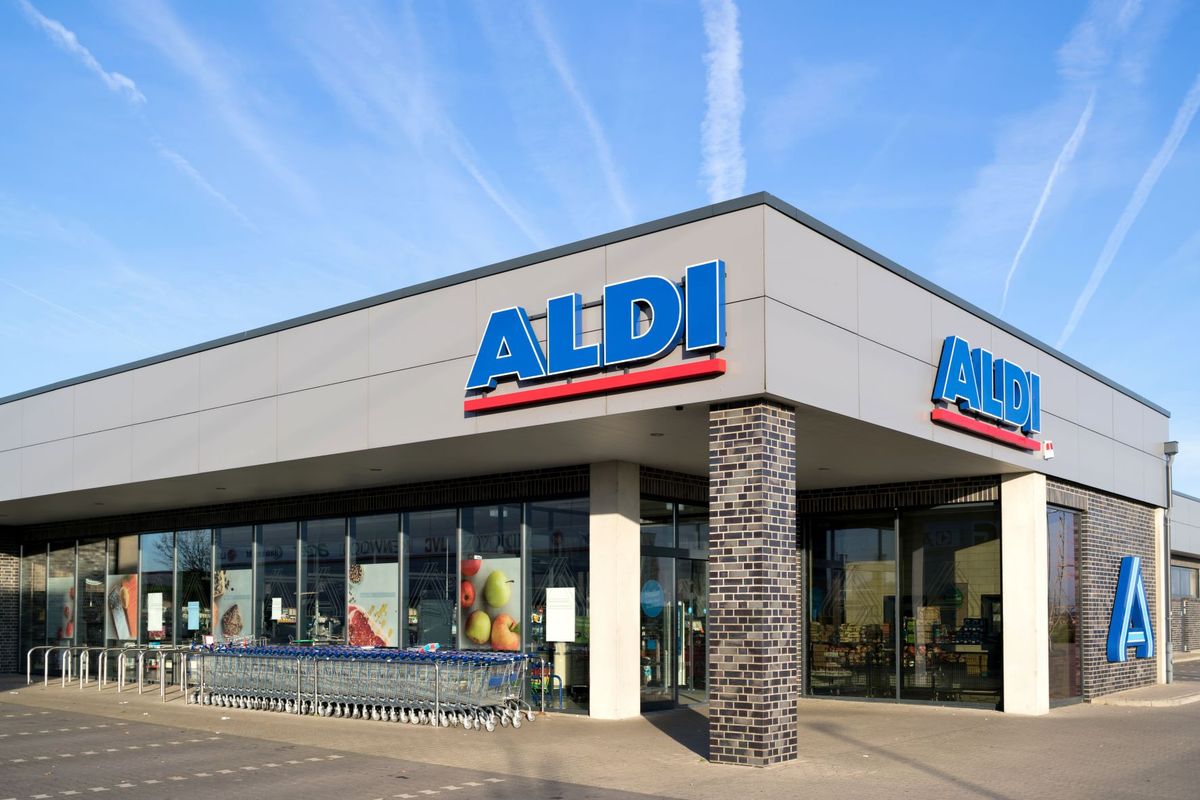
Aldi has redefined the Westchester County grocery market by blending extreme operational efficiency with a curated, high-quality private-label selection. As of 2026, the dominant trend in Westchester emphasizes "smart-switching," where diverse demographic groups—including high-income households—integrate Aldi’s premium-tier organics and "Aldi Finds" into their routines to mitigate regional inflationary pressures and the high local cost of living.
The Aldi Expansion Strategy in Westchester County
Westchester County has historically been a competitive battleground for traditional supermarkets like ShopRite and Stop & Shop, as well as premium entrants like Wegmans and Whole Foods. However, the 2026 landscape shows a significant shift toward the "limited-assortment" model pioneered by Aldi. The brand's expansion into locations such as Yonkers (Central Avenue and Cross County), Mount Vernon, White Plains (North White Plains/Tarrytown Road), Port Chester, and Yorktown Heights demonstrates a strategic "pincer" maneuver, capturing both urban centers and suburban commuter belts.
Unlike traditional grocers that carry 30,000 to 50,000 Stock Keeping Units (SKUs), Aldi maintains a lean inventory of approximately 1,500 to 2,000 items. In Westchester, where commercial real estate is at a premium, this smaller footprint allows Aldi to occupy spaces that are inaccessible to "big-box" retailers. This agility has enabled Aldi to penetrate high-density neighborhoods, offering a proximity-based convenience that challenges the dominance of larger regional chains.
Key Local Grocery Trends Influenced by Aldi in 2026
The presence of Aldi in Westchester has catalyzed several distinct shifts in consumer behavior and retail operations. These trends reflect a broader national movement but are intensified by the specific economic profile of the Hudson Valley.
The Rise of Premium Private Labels
In 2026, the stigma once associated with "generic" brands has entirely evaporated in Westchester. Aldi’s Specially Selected and Simply Nature lines have become staples in households that previously shopped exclusively at high-end markets. This trend is driven by the "Value-Innovation" gap: Aldi provides gourmet-quality imports—such as DOP-certified cheeses, organic grass-fed meats, and brioche breads—at prices often 40% lower than national brands found at competitors.
The "Aisle of Shame" as a Foot-Traffic Driver
Locally referred to as the "Aisle of Aldi" or the "Aisle of Shame," the weekly rotation of non-food Aldi Finds has transformed grocery shopping into an "event" or "treasure hunt." In Westchester, where lifestyle and home aesthetics are highly valued, these limited-time offerings of home goods, kitchen gadgets, and seasonal apparel create a sense of urgency. This model ensures high inventory turnover and consistent weekly foot traffic, a metric that traditional grocers struggle to maintain without aggressive couponing.
Sustainable and Minimalist Shopping
Westchester’s local mandates and consumer preferences regarding environmental impact align perfectly with Aldi's operational model. The "quarter-cart" system (where shoppers deposit a quarter to use a cart, ensuring they are returned) and the absence of single-use plastic bags at checkout have transitioned from niche quirks to mainstream expectations. By 2026, Aldi’s commitment to zero-waste packaging and energy-efficient store designs has forced neighboring retailers to accelerate their own sustainability initiatives to remain competitive in the eyes of eco-conscious New York shoppers.
Comparative Analysis: Aldi vs. Westchester Competitors
To understand Aldi's position, one must compare it against the primary alternatives available to Westchester residents. While Aldi excels in price, other retailers offer breadth of service or specific luxury experiences.
| Feature | Aldi (Westchester) | ShopRite / Stop & Shop | Wegmans (Harrison) | Whole Foods |
|---|---|---|---|---|
| Average Price Point | Lowest (approx. 30-50% less) | Moderate | Moderate to High | High |
| SKU Count | ~1,600 (Highly Curated) | 35,000+ (Extensive) | 50,000+ (High Variety) | 25,000+ (Specialized) |
| Private Label Quality | High / Gourmet Focus | Variable / Value Focus | Very High / Signature | High / Organic Focus |
| Shopping Speed | Fast (Small store, fast checkout) | Moderate (Large aisles) | Slow (Experience-based) | Moderate |
| Specialty Services | None (No deli/pharmacy) | Full Service | Extreme Service (Dining) | High Service |
| Westchester Presence | Growing (6+ locations) | High (Ubiquitous) | Singular (Hub-based) | Moderate (4+ locations) |
Consumer Behavior: The "Smart Switch" and High-Income Households
A unique trend observed in Westchester in 2026 is the high volume of Aldi shoppers coming from ZIP codes with significantly higher-than-average median incomes, such as Scarsdale, Rye, and Chappaqua. This "Smart Switch" behavior involves consumers purchasing their high-volume staples (milk, eggs, organic produce, baking supplies) at Aldi, while reserving traditional supermarkets or specialty butchers for specific branded items or fresh-service counter needs.
This bifurcated shopping habit is a response to the "cost-of-living squeeze." As property taxes and utility costs in the tri-state area remain high, the grocery budget is one of the few flexible variables. Aldi’s ability to provide an "organic-first" inventory at a discount price point appeals directly to health-conscious Westchester parents who refuse to compromise on quality but are increasingly price-sensitive.
Operational Efficiencies and Technological Integrations
Aldi's success in Westchester is not merely a result of lower prices but of a sophisticated logistical framework that minimizes overhead.
- High-Speed Checkouts: Aldi’s packaging features multiple large barcodes, allowing cashiers to scan items at a rate significantly faster than traditional retailers. In 2026, this efficiency is supplemented by refined self-checkout kiosks that handle small-to-medium baskets, reducing wait times during the evening commuter rush.
- Aldi Go and Tech Pilots: While traditional stores focus on complex loyalty apps, Aldi has focused on frictionless entry. Strategic partnerships with delivery services like Instacart allow Westchester residents to access Aldi prices without leaving their homes, a trend that surged during the mid-2020s and remains a dominant preference for busy professionals.
- Cross-Training Workforce: Aldi’s Westchester locations typically operate with a minimal staff where every employee is trained to stock shelves, manage the register, and maintain store cleanliness. This leads to higher wages for employees compared to industry averages, resulting in lower turnover and higher operational consistency.
Challenges and Local Limitations
Despite its growth, Aldi faces specific hurdles in the Westchester market. The lack of a service deli, fresh seafood counter, or in-store pharmacy remains a barrier for shoppers who prefer "one-stop shopping." In communities like Eastchester or Mamaroneck, where local Italian delis and specialty shops are culturally significant, Aldi’s pre-packaged model occasionally clashes with the local preference for "cut-to-order" service.
Furthermore, the parking lot traffic at high-volume sites like the Central Avenue Yonkers location continues to be a point of friction. The rapid turnover of customers often exceeds the design capacity of older Westchester retail plazas, leading to congestion that can deter some potential shoppers.
Practical Tips for Westchester Aldi Shoppers
To maximize the benefits of the current grocery trends, shoppers should adopt a strategic approach to the Aldi experience:
- Understand the "Restock Cycle": New Aldi Finds typically hit the shelves on Wednesdays. For Westchester residents looking for high-demand seasonal items (like outdoor patio furniture or high-end kitchen appliances), shopping on Wednesday mornings is essential.
- The "Organic Pivot": Compare Aldi's Simply Nature prices against the organic sections of neighboring stores. In 2026, Aldi’s organic milk, eggs, and frozen berries consistently represent the best value-to-quality ratio in the county.
- Inventory Verification: Because Aldi maintains a limited assortment, specific items may occasionally be out of stock due to global supply chain fluctuations. It is advisable to have a secondary "backup" list for items that are non-negotiable for your weekly meal planning.
- Bring Your Own Bags: While you can purchase heavy-duty reusable bags at the register, most seasoned Westchester shoppers keep a stash of bins or bags in their trunk to facilitate the "box-to-car" transfer at the bagging counter.
FAQs about Aldi Westchester Trends
Where are the primary Aldi locations in Westchester County?
As of 2026, major Aldi stores are located in Yonkers (multiple sites including Central Ave), Mount Vernon (Sandford Blvd), White Plains/North White Plains, Port Chester, and Yorktown Heights. New locations are frequently under evaluation as the brand targets the northern Hudson Valley.
Is Aldi actually cheaper than ShopRite or Stop & Shop in New York?
Yes, on average. Comparative price audits in 2026 show that a standard basket of goods at Aldi is typically 30% to 50% cheaper than national brand equivalents at traditional Westchester supermarkets. The savings are most pronounced on pantry staples, dairy, and private-label organic products.
How does Aldi’s produce quality compare to Wegmans or Whole Foods?
While Aldi’s produce selection is smaller, the turnover rate is exceptionally high, which often results in fresher items. Wegmans and Whole Foods offer a wider variety of exotic and locally sourced farm-to-table produce that Aldi may not carry, but for standard items like greens, peppers, and berries, Aldi is highly competitive in quality.
Does Aldi in Westchester offer grocery delivery or curbside pickup?
Yes. Aldi utilizes Instacart for both delivery and curbside pickup across most Westchester locations. This has become a staple service for residents in high-traffic areas who wish to avoid the congestion of physical store visits.
Why does Aldi have a limited selection of brand-name products?
Aldi’s business model relies on private labels to maintain low prices and high quality. By controlling the manufacturing and packaging, they eliminate the marketing and "slotting fee" costs associated with national brands. In Westchester, you will occasionally find "Limited Time" national brands, but the core inventory remains Aldi-exclusive.
What is the best time to shop at Westchester Aldi locations to avoid crowds?
To avoid the heaviest crowds, it is recommended to shop on Tuesday mornings or late weekday evenings (after 7:00 PM). Avoid the "Wednesday morning rush" unless you are specifically looking for newly released Aldi Finds, and expect high volume on Saturday afternoons.
Final Recommendation for Local Shoppers
In the 2026 economic environment, the most effective grocery strategy for Westchester residents is the Hybrid Shopping Model. By utilizing Aldi for 70-80% of weekly staples—specifically organic dairy, produce, and pantry dry goods—consumers can significantly lower their monthly food expenditures without sacrificing nutritional quality. Reserve traditional high-service grocers or local specialty markets for specific brand-name items, fresh-cut meats, or social shopping experiences. This balanced approach allows you to navigate the high costs of Hudson Valley living while taking full advantage of the efficiency and value trends currently dominating the local grocery sector.