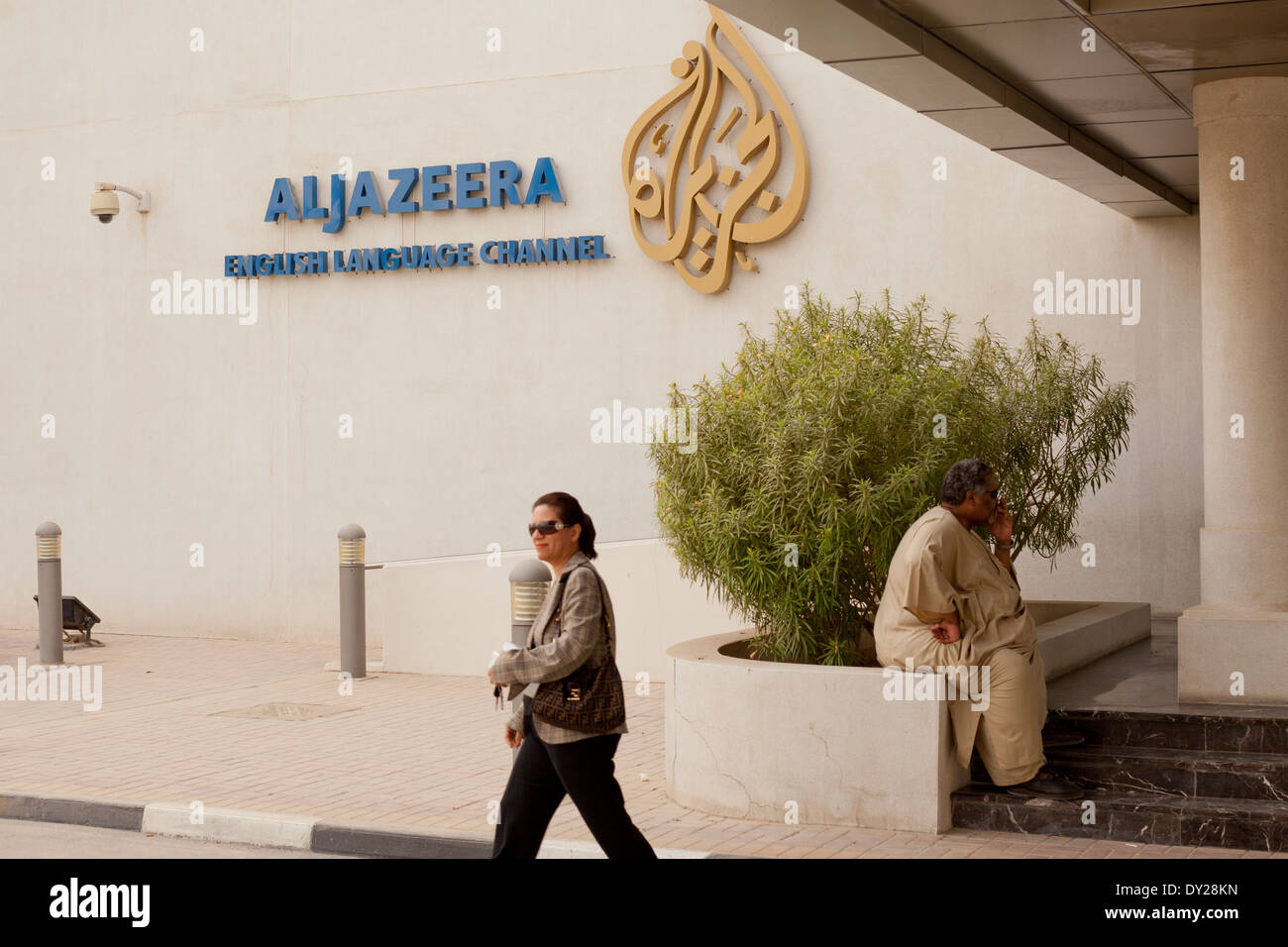
Al Jazeera is a major international news organization headquartered in Doha, Qatar, and funded in part by the Qatari government. Established in 1996, it has grown from a regional Arabic-language satellite television channel into a sprawling global media network broadcasting in multiple languages across television, digital, and social platforms.
The Foundations and Ownership Structure of Al Jazeera
Understanding the origins of Al Jazeera requires examining the geopolitical and media landscape of the Middle East in the mid-1990s. Prior to its launch, the region's television news was largely state-controlled, offering uniform coverage that rarely featured dissenting political views or open debate.
Establishment and the Qatari Emiri Decree
Al Jazeera was officially launched in November 1996 following an emirate decree by Sheikh Hamad bin Khalifa Al Thani, who had seized power in Qatar the previous year. Sheikh Hamad envisioned a media outlet that would put Qatar on the global map while providing a platform for unrestricted debate across the Arab world.
To fund this ambitious project, the Qatari government provided an initial loan of 500 million Qatari Riyals (approximately $137 million USD) to sustain operations during its startup phase. While the network was designed to transition into financial self-sufficiency through advertising and subscription models, it continued to receive financial subsidies from the Qatari state as it expanded its global footprint. This funding structure has historically shaped discussions surrounding the network's editorial independence and its relationship with the Qatari government.
Editorial Independence Versus State Funding
The question of editorial independence is central to any analysis of Al Jazeera. While the network maintains a formal policy of independent journalism—and has frequently clashed with regional governments over its coverage of local political controversies, human rights issues, and authoritarian regimes—its reporting on Qatari domestic politics has traditionally been more restrained.
Critics and media analysts often point out that while Al Jazeera Arabic and its international counterparts provide aggressive, critical coverage of foreign governments, international conflicts, and Western foreign policy, they rarely direct the same level of investigative scrutiny toward the ruling family of Qatar or Qatari domestic policy. Network executives and defenders maintain that Al Jazeera's journalism adheres to professional international standards, noting that its newsrooms operate with distinct operational autonomy.
Evolution of the Global Network and Multi-Language Expansion
What began as a single 24-hour Arabic news channel has evolved into a diversified media ecosystem encompassing numerous specialized channels, digital platforms, and documentary units.
Al Jazeera Arabic and Regional Impact
The Arabic-language channel revolutionized Arab broadcasting by introducing Western-style talk shows, open debates, and unfiltered footage of regional conflicts. During the late 1990s and early 2000s, it gained international prominence for its extensive coverage of the second Palestinian Intifada and its broadcast of statements and video messages from Osama bin Laden and other Al-Qaeda figures following the September 11 attacks. These broadcasts made Al Jazeera a household name globally, drawing both praise for its willingness to air diverse perspectives and intense criticism from Western governments, particularly the United States.
Al Jazeera English and Global Reach
Recognizing the need to reach a broader international audience, the network launched Al Jazeera English (AJE) in November 2006. Broadcasting from major hub centers in Doha, London, Washington, D.C., and Kuala Lumpur, AJE positioned itself as an alternative to traditional Western-centric international broadcasters like the BBC and CNN. The channel focused heavily on stories from the Global South, underreported regions, and grassroots perspectives, earning numerous international journalism awards for its documentary programming and on-the-ground reporting during the Arab Spring and various global conflicts.
Digital Innovation and Subsidiary Platforms
In addition to its flagship television channels, Al Jazeera operates several specialized entities:
- AJ+: A digital-first, native-social news and storytelling brand aimed at younger audiences across platforms like YouTube, Facebook, and Instagram.
- Al Jazeera Documentary Channel: A dedicated channel focused on producing and broadcasting independent documentary films from around the world.
- Al Jazeera Balkans: A regional news channel broadcasting in Bosnian, Croatian, and Serbian from studios in Sarajevo.
- Former Operations: The network previously operated Al Jazeera America (AJAM) from 2013 to 2016, a cable news channel aimed at the United States market, which was ultimately shuttered due to economic and distribution challenges.
Geographic and Operational Footprint
Al Jazeera’s headquarters remain anchored in Doha, Qatar, where its main newsrooms, broadcast studios, and corporate leadership are located. However, the network operates a vast network of international bureaus across the Middle East, Africa, Europe, the Americas, and Asia.
Maintaining this physical presence has historically involved significant operational risks. Al Jazeera journalists have frequently faced hostility, arrest, visa restrictions, and physical danger while covering conflicts, civil unrest, and authoritarian crackdowns. Over the years, several of its reporters and staff members have been killed, wounded, or imprisoned in various countries, highlighting the volatile nature of international frontline journalism. Furthermore, the network's offices have periodically been closed, banned, or restricted by various governments in the Middle East and beyond in response to its editorial stance.
Media Comparison: Al Jazeera Versus Other International Broadcasters
To understand Al Jazeera's unique position in the global media ecosystem, it is helpful to compare its funding models, target audiences, and editorial priorities with other prominent international news organizations.
| Broadcaster | Headquarters | Primary Funding Source | Target Audience | Key Editorial Focus |
|---|---|---|---|---|
| Al Jazeera | Doha, Qatar | Qatari State Subsidies & Commercial Revenue | Global (Arabic and English speakers) | Middle East affairs, Global South, investigative reporting |
| BBC News | London, United Kingdom | UK Licence Fee & Commercial Subsidies | Global & Domestic British audience | British perspective, world news, public service broadcasting |
| CNN International | Atlanta, United States | Corporate Ownership & Cable Subscriptions / Advertising | Global English-speaking audience | American-led global perspective, breaking news, business |
| France 24 | Paris, France | French State Subsidies ( melalui France Médias Monde) | Global (French, English, Arabic, Spanish) | French and European perspectives on international affairs |
Frequently Asked Questions
Is Al Jazeera owned by the government of Qatar?
Al Jazeera is funded in part by the state of Qatar through direct subsidies and grants, and it was established via an emirate decree. While it operates with a degree of editorial independence, its funding structure ties it structurally to the Qatari state, which has historically led to debates regarding its institutional autonomy.
Where is Al Jazeera headquartered?
The organization is headquartered in Doha, Qatar. It maintains major broadcast centers and secondary newsrooms in key global cities, including London, Washington, D.C., and Kuala Lumpur, alongside a network of international field bureaus.
Does Al Jazeera broadcast in languages other than Arabic?
Yes. While the original channel broadcasts in Arabic, the network operates Al Jazeera English, Al Jazeera Balkans, and digital-first properties like AJ+ that produce content in English, Spanish, and French to reach diverse international audiences.
Why is Al Jazeera controversial in some countries?
Al Jazeera has faced criticism and bans from various governments due to its editorial choices, which have included broadcasting statements from militant groups, providing extensive coverage of regional uprisings, and maintaining a critical stance toward several Middle Eastern and Western governments. Conversely, its defenders praise its willingness to cover stories overlooked by Western media.
Conclusion and Next Actions
Al Jazeera remains a central pillar of international journalism, bridging regional perspectives with global news coverage. For media consumers, researchers, and students of international relations, engaging with Al Jazeera requires examining its content critically while recognizing its unique role in shaping modern global media discourse. To gain a balanced perspective on international events, readers should compare coverage across multiple global broadcasters with diverse funding models and geographic viewpoints.