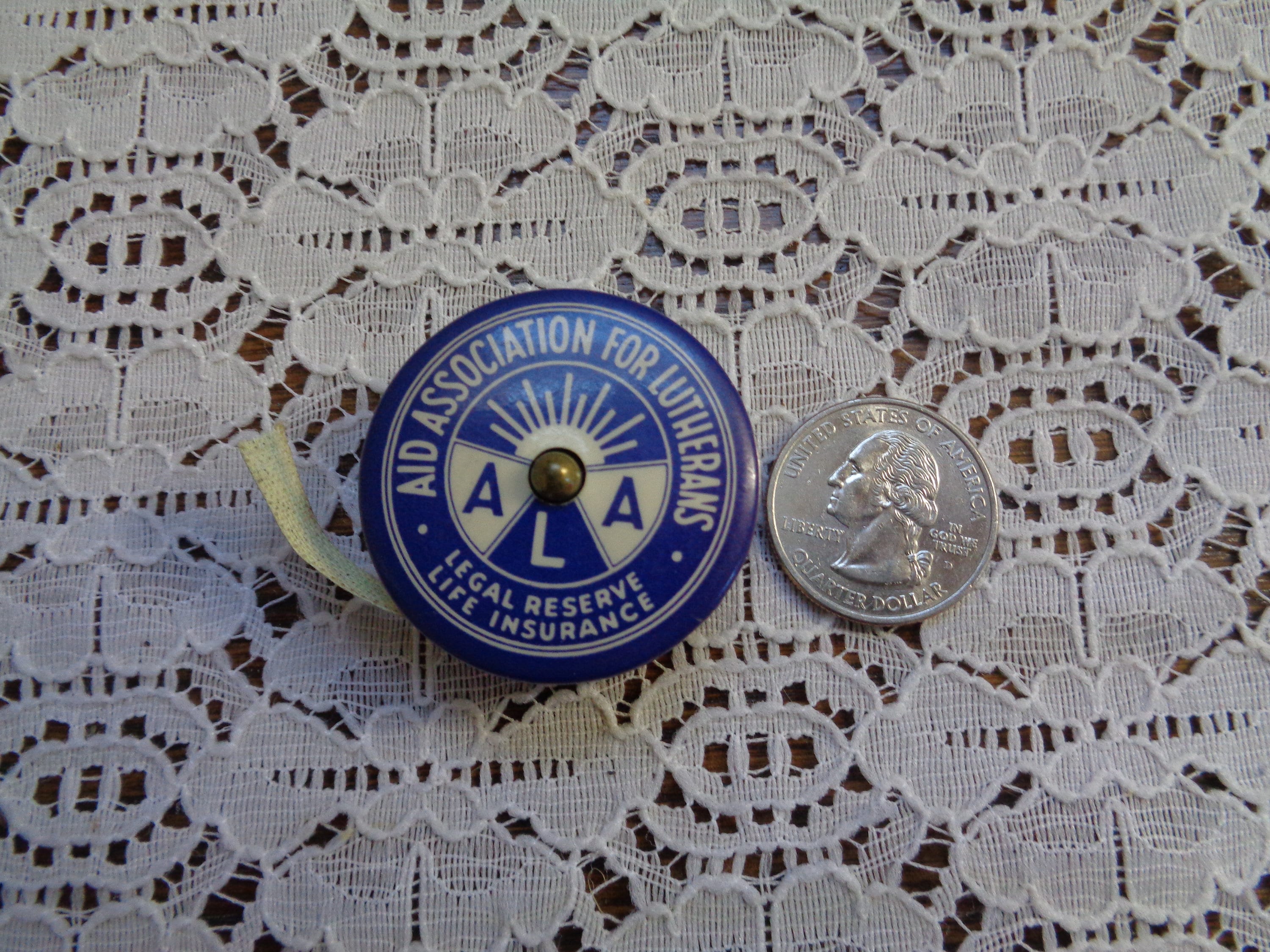
Aid Association for Lutherans (AAL) historically functioned as one of the largest fraternal benefit societies in the United States, providing life insurance and financial products specifically tailored to members of the Lutheran faith. In 2002, AAL merged with Lutheran Brotherhood to form Thrivent Financial for Lutherans (now simply known as Thrivent). Policyholders today maintain coverage under the Thrivent brand, necessitating an understanding of how these legacy policies are managed, serviced, and evaluated within the current financial landscape of 2026.
Historical Context: From AAL to Thrivent
The Aid Association for Lutherans was founded in 1902 in Appleton, Wisconsin. For a century, it operated as a fraternal benefit society, a unique organizational structure that combined the features of a traditional life insurance company with a mission-driven fraternal purpose. Unlike stock-based insurance companies, AAL was owned by its policyholders, who were historically required to be members of the Lutheran Church—Missouri Synod or other qualifying Lutheran bodies.
The 2002 merger with Lutheran Brotherhood marked a significant shift in the consolidation of fraternal insurance providers. When researching "Aid Association for Lutherans life insurance" in 2026, it is essential to recognize that AAL no longer exists as a standalone operating entity. All policies, legal obligations, and fraternal missions were transferred to Thrivent. If you hold an original AAL policy certificate, that document remains a legally binding contract, but it is now serviced, administered, and backed by the financial strength of Thrivent.
The Fraternal Benefit Society Model
To understand your policy, you must understand the "fraternal" aspect. Fraternal benefit societies differ from commercial insurance companies in several key ways. They are non-profit entities organized under specific state statutes that require the organization to have a social or charitable purpose.
Core Distinctions
- Ownership Structure: Policyholders are members. They have a voice in the governance of the organization and participate in the fraternal mission.
- Tax Status: Because these organizations provide social and charitable benefits and have a lodge-like system, they operate under specific federal tax provisions that distinguish them from commercial carriers.
- Dividend Participation: Many legacy AAL policies are "participating" policies. This means that if the company performs well and realizes surplus earnings—above what is necessary for operations and reserves—those earnings may be returned to members as dividends.
Managing Your Legacy AAL Policy in 2026
If you are a policyholder or a beneficiary of an original AAL policy, you do not need to "convert" or "update" your policy to a new product unless you explicitly choose to do so. Your contract remains in force according to the terms originally signed, provided premiums are paid.
Verification of Coverage
In 2026, managing these policies is primarily done through the Thrivent digital portal or via their service centers. You will need your original policy certificate number. If you are a beneficiary and cannot locate the policy, you should reach out to Thrivent’s records department, which maintains the historical databases of both AAL and Lutheran Brotherhood.
The Role of the Certificate
In insurance terminology, the document you hold is often referred to as a "certificate" rather than a "policy." This nomenclature reflects the fraternal structure. While the terminology differs, the legal protections, death benefits, cash value accumulation, and loan provisions function identically to those of a standard life insurance policy.
Evaluating Life Insurance Coverage Requirements
Whether you are looking at a legacy AAL product or considering new life insurance in 2026, the fundamental purpose of the coverage remains the same: protecting against financial loss due to premature death.
Determining Adequacy
Many individuals holding older AAL policies find that their coverage amounts have not kept pace with inflation or changes in their personal financial situation. When reviewing your coverage, consider the following:
- Income Replacement: Does the death benefit cover 7–10 times your annual income?
- Debt Obligations: Does the payout cover the remaining mortgage balance, education costs for dependents, and outstanding personal debts?
- Final Expenses: Does the coverage provide enough liquidity to handle probate costs, funeral expenses, and immediate estate taxes?
Comparison Table: Legacy Fraternal vs. Modern Commercial Coverage
| Feature | Legacy AAL/Thrivent Certificate | Modern Commercial Policy |
|---|---|---|
| Issuer Type | Fraternal Benefit Society | Stock or Mutual Company |
| Governance | Member-controlled | Shareholder or Policyholder-owned |
| Mission | Faith-based/Community-focused | Profit-driven/Commercial |
| Dividends | Potential (if participating) | Rare (unless mutual) |
| Service Scope | Specialized (Lutheran community) | Broad market |
Frequently Asked Questions
1. Is my Aid Association for Lutherans policy still valid?
Yes. All AAL policies remain fully valid under the contractual terms originally established. Thrivent assumed all liabilities and obligations of AAL upon the 2002 merger. You are protected by the same legal standards as any modern policyholder, with the added oversight of state insurance regulators.
2. Can I still earn dividends on my old AAL policy?
Many AAL whole life or permanent insurance policies were issued as "participating" products. If your specific certificate is a participating policy, you may still be eligible for dividends in 2026. Dividends are not guaranteed and depend on the financial performance of the specific block of business your policy resides in.
3. How do I change my beneficiary on a legacy policy?
You must contact Thrivent directly to request a change of beneficiary form. Because these are legacy contracts, it is strongly recommended that you request this in writing or through their secure digital interface to ensure the change is officially recorded and verified against the original signature requirements of your specific certificate.
4. What happens if I lose my AAL policy document?
You do not need the physical document to claim benefits. The insurer keeps an electronic record of all active certificates. If you are the owner, you can request a duplicate certificate through the Thrivent client services portal or by calling their customer support line.
5. Does the fraternal nature change how death benefits are paid?
No. The payment of death benefits is governed by the terms of the insurance contract and state insurance laws. The fraternal structure does not place additional burdens on beneficiaries, nor does it delay the standard claim process common in the insurance industry.
Financial and Legal Considerations for Beneficiaries
When a policyholder passes away, the claim process for a legacy AAL certificate follows the same general path as any other life insurance policy. The beneficiary must provide a certified copy of the death certificate and submit a formal claim form to the insurer.
Because these policies often date back many decades, it is common to find that the named beneficiaries are deceased or that the contact information is outdated. If you are an executor or an heir, verify the existence of the policy by searching the National Association of Insurance Commissioners (NAIC) Life Insurance Policy Locator Service if you have reason to believe a policy exists but cannot find the paperwork.
Professional Guidance and Recommendations
If you currently hold an AAL policy, you should undertake a comprehensive policy audit at least once every three years.
- Request an In-Force Illustration: Contact the insurer and ask for an "In-Force Illustration." This document will show you exactly how your policy is expected to perform in the coming years based on your current age, interest rates, and premium payments.
- Review the Beneficiaries: Ensure that your primary and contingent beneficiaries are up to date. Life events such as divorce, death, or marriage often make older designations obsolete.
- Assess Financial Needs: Compare the death benefit of your legacy certificate against your current 2026 financial reality. If your coverage is insufficient, discuss supplemental options with a financial professional.
Recommendation: If you possess an original AAL certificate, do not cancel it without first consulting a financial advisor. Many older policies feature interest rate guarantees or premium structures that are no longer available in modern products. Keeping the policy may be significantly more cost-effective than purchasing a new one, even if you eventually choose to supplement it with additional coverage.