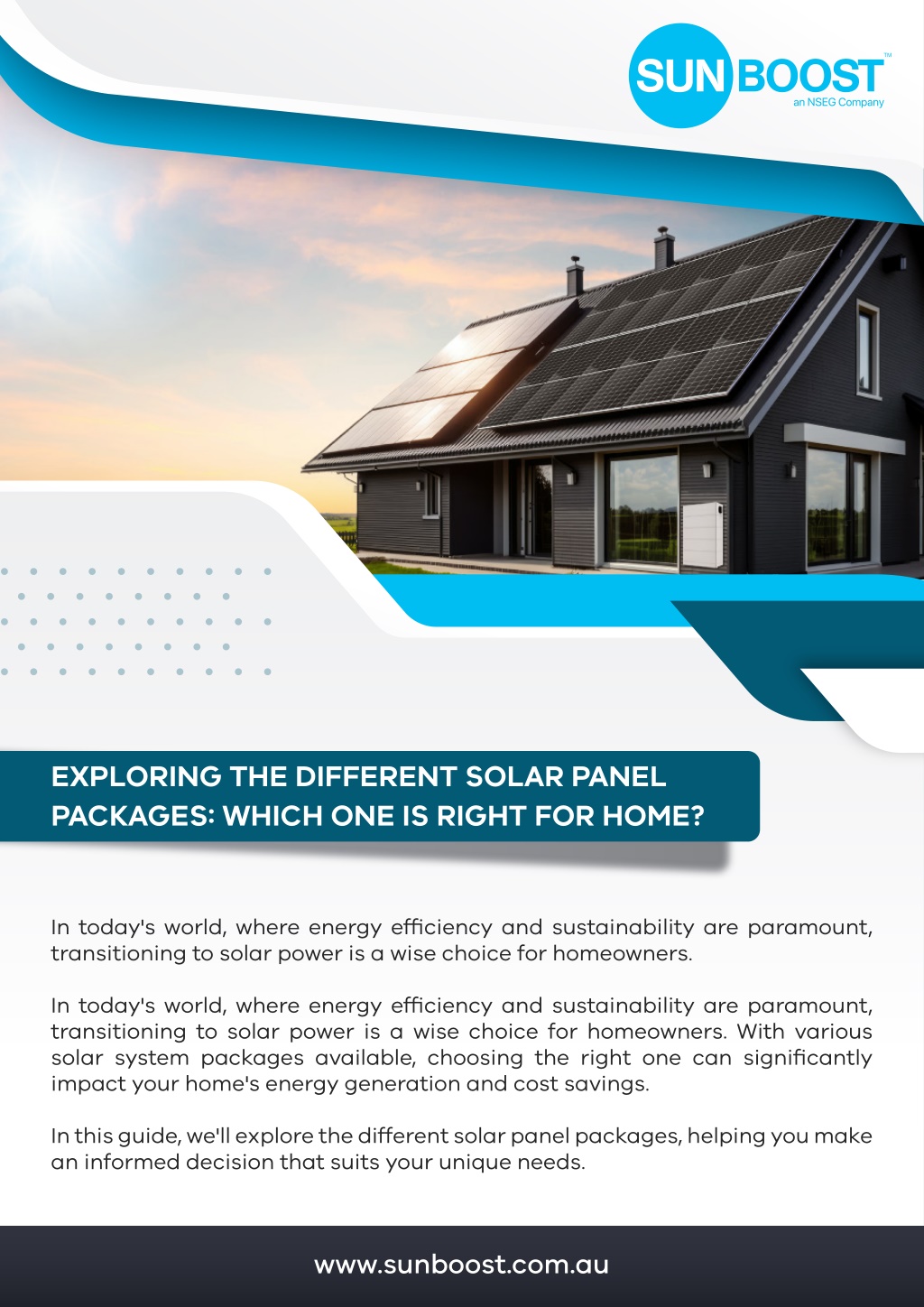
Selecting the right solar installation package requires balancing upfront costs, long-term energy production, and local financing incentives. To ensure affordability, homeowners must evaluate system size based on historical energy usage, verify federal and local tax credit eligibility, and compare equipment efficiency against standard warranty periods to maximize their return on investment in 2026.
Understanding the Solar Landscape in 2026
As of 2026, the residential solar market has matured into a system-centric model where "affordability" is no longer defined solely by the price of hardware. Instead, it is measured by the Levelized Cost of Energy (LCOE), which accounts for the total lifecycle cost of the installation divided by the total electricity generated. Choosing the "right fit" involves transitioning from a commodity-purchasing mindset to a long-term utility-planning perspective.
Homeowners are currently navigating a market defined by high-efficiency monocrystalline panels, integrated battery storage systems, and sophisticated energy management software. While hardware prices have stabilized compared to the volatility seen in previous years, the complexity of installation packages has increased. This requires a structured approach to selection, focusing on site-specific requirements rather than generic, one-size-fits-all hardware bundles.
Phase 1: Determining Your Baseline Requirements
Before evaluating installation packages, you must establish your home’s precise energy profile. Installing a system that is too small results in minimal savings, while an oversized system introduces unnecessary upfront costs that may never pay for themselves.
- Analyze Historical Consumption: Retrieve your last 12 months of utility statements. Focus on the total kilowatt-hours (kWh) consumed rather than the dollar amount, as utility rates fluctuate.
- Assess Roof Geometry and Orientation: Solar panels perform best when oriented toward the equator—facing south in the Northern Hemisphere. However, east-west arrays are increasingly popular for shifting generation profiles to match peak home usage hours.
- Evaluate Shading Factors: Utilize professional shade analysis tools. Even minor shading from trees or chimneys can significantly diminish the output of traditional string-inverter systems.
- Future-Proofing: Factor in anticipated changes, such as the addition of an electric vehicle (EV) charger or a heat pump, which will increase your electrical load.
Phase 2: Evaluating Installation Package Components
An "affordable" package is not necessarily the one with the lowest sticker price; it is the one that provides the most reliable output per dollar spent. When reviewing quotes, distinguish between the following core components:
- Photovoltaic (PV) Modules: Look for Tier-1 manufacturers. These companies have a proven track record of financial stability, which is essential for honoring 25-year performance warranties.
- Inverter Architecture:
- String Inverters: The most affordable option, best for roofs with zero shading.
- Microinverters: More expensive but offer panel-level optimization, ideal for roofs with complex orientations or partial shading.
- Power Optimizers: A hybrid approach that balances cost and performance.
- Mounting and Racking: These must be rated for local wind and snow loads. Ensure your installer uses roof-penetration hardware that includes high-quality flashing to prevent future water ingress.
- Monitoring Systems: Modern installations should include a user-facing portal that provides real-time data on energy production and consumption.
Phase 3: Financial Mechanisms and Incentives
The affordability of solar energy is heavily bolstered by government-backed incentives. In 2026, the primary lever remains the Residential Clean Energy Credit. Under current federal tax code, homeowners can claim a 30% credit on their federal income taxes for the total cost of the solar system, including labor and battery storage.
Beyond federal credits, investigate local and state-level incentives:
- Performance-Based Incentives (PBIs): Payments based on the amount of electricity your system generates.
- Solar Renewable Energy Certificates (SRECs): Market-based credits that you earn for the electricity your system produces, which can be sold back to utility companies.
- Property Tax Exemptions: Many jurisdictions allow you to exclude the value added by your solar installation from your property tax assessment.
Comparison of Solar Installation Models
| Feature | Cash Purchase | Solar Loan | Power Purchase Agreement (PPA) |
|---|---|---|---|
| Upfront Cost | Highest | Low to Zero | Zero |
| Ownership | Homeowner | Homeowner | Third-Party |
| Tax Incentives | Homeowner | Homeowner | Third-Party |
| Long-term Savings | Maximum | High | Moderate |
| Complexity | Simple | Requires Credit Approval | Complex Contracts |
Common Pitfalls to Avoid
The most frequent mistake in choosing a solar installation package is prioritizing "cheap" hardware over "quality" installation. A premium panel installed incorrectly will underperform and potentially damage your roof.
- Ignoring the Warranty's "Fine Print": Ensure the installation company provides a workmanship warranty that covers roof penetrations for at least 10 years. This is separate from the manufacturer's warranty on the panels themselves.
- Neglecting Grid Connection Requirements: Check your local utility’s net metering policies. Some utility providers are transitioning to "net billing," which alters the compensation rates for excess energy sent back to the grid.
- Over-reliance on Sales Projections: Always request a "worst-case" production scenario rather than relying on the most optimistic performance data provided by the sales team.
- Skipping the Structural Inspection: Never commit to a package without a certified electrician or structural engineer confirming that your roof can support the static load of the array.
Technical Depth: The Role of Battery Storage
In 2026, an increasing number of affordable packages include integrated battery storage. While adding a battery increases the initial investment, it provides energy security during grid outages and maximizes self-consumption. When selecting a battery, focus on the Depth of Discharge (DoD) and the Round-Trip Efficiency. A high-quality battery system should allow you to power critical loads—such as a refrigerator, lighting, and home office equipment—for the duration of a standard outage.
If your budget is tight, consider a "battery-ready" installation. This approach involves installing an inverter that is capable of supporting a battery later, allowing you to defer the high cost of the battery storage unit until you have a more flexible budget or until local utility rates necessitate self-consumption strategies.
Frequently Asked Questions
How long does it take for solar panels to pay for themselves? The payback period typically ranges from 6 to 10 years, depending on your local electricity rates, the size of your system, and the specific incentives available in your state. Once the system pays for itself, the remaining electricity produced for the lifespan of the system (typically 25+ years) is effectively free.
What happens if I move before the solar system is paid off? If you own the system, studies consistently show that solar installations can increase home resale value. If you have a solar loan, the debt can often be transferred to the new owner, or it can be paid off during the closing process of the sale. If you have a PPA, the contract will need to be reviewed to determine if it can be assigned to the buyer.
Do solar panels require a lot of maintenance? Solar systems are generally low-maintenance because they lack moving parts. Periodic cleaning to remove dust, pollen, or debris is usually sufficient. In most regions, rain is enough to keep panels clean, though professional cleaning once every two years is recommended to ensure peak performance.
Can I install solar panels on any type of roof? Most roofs are suitable, but they must be in good condition. If your roof is more than 15 years old, it is often advisable to replace the roof before installing solar panels, as removing and reinstalling the array for roof repairs is a significant and costly project.
Is it better to choose a larger or smaller solar installation package? It is almost always more cost-effective to install one larger system at once than to add panels later. This is due to the fixed costs of permitting, installation labor, and electrical upgrades, which do not scale linearly. Aim for a system that covers 90% to 100% of your current annual usage.
Next Steps for Implementation
To move forward with your installation, gather at least three quotes from reputable, locally licensed installers. Ensure each proposal includes a comprehensive site survey, a breakdown of estimated production, and a clear list of all equipment brands and models. Verify that the installers are certified by the North American Board of Certified Energy Practitioners (NABCEP) or equivalent local bodies. By focusing on verified technical requirements rather than the lowest advertised price, you can secure a system that provides consistent, affordable energy for decades.