Securing reliable and affordable locksmith services in Brooklyn requires balancing emergency response times, technical expertise, and transparent pricing. Homeowners and renters in the borough can avoid predatory pricing by verifying credentials, understanding standard labor rates for 2026, and confirming service areas before an urgent lock-out situation occurs.
Navigating the locksmith industry in a dense, fast-paced environment like Brooklyn involves more than just finding the lowest price. When you are locked out of your apartment in Williamsburg, needing an urgent rekey in Bed-Stuy, or upgrading security in Park Slope, the "affordability" of a service is often tied to how effectively the technician resolves the problem without causing collateral damage to your hardware.
The Realities of Locksmith Pricing in 2026
When evaluating "affordable" options, it is essential to distinguish between a service fee and the final invoice. Most reputable locksmiths in New York City charge a "trip charge" or "service call fee," which typically covers the technician's time and transportation to reach your location.
In 2026, standard service call fees for legitimate local locksmiths in Brooklyn generally range from $50 to $120, depending on the time of day and the distance traveled. A quote that seems "too good to be true"—such as a $15 flat fee—is often a hallmark of bait-and-switch advertising. These operations often inflate the final cost once the technician is on-site by claiming the job requires "specialized drilling" or "complex hardware replacement" that was not disclosed over the phone.
To ensure affordability, always ask for a "not-to-exceed" estimate that includes both the service call fee and the labor required for the specific task. If a provider refuses to give a range or insists they cannot provide any estimate until they arrive, it is a significant red flag.
Essential Credentials and Verification
The New York City Department of Consumer and Worker Protection (DCWP) requires locksmiths to be licensed. Engaging an unlicensed individual is not only a safety risk but often leads to poor workmanship that creates a need for further, more expensive repairs.
- Request the License Number: Ask for the locksmith’s NYC license number. You can verify the status of this license through the DCWP online license verification portal.
- Physical Location: A truly local locksmith usually has a physical brick-and-mortar storefront in Brooklyn. Be wary of call centers that claim to be local but route your call to a remote dispatch center in another state; these entities often subcontract jobs to the lowest bidder, leading to inconsistent quality and unpredictable pricing.
- Insurance and Bonding: Professional locksmiths carry liability insurance. If a technician damages your door frame or lock mechanism, insurance coverage ensures you are not financially responsible for the repair.
Comparison Table: Understanding Service Categories and Costs
The following table provides a general baseline for common residential and commercial locksmith services in Brooklyn as of 2026. Prices reflect market averages for reputable, licensed technicians.
| Service Type | Estimated Labor Range | Complexity Factor |
|---|---|---|
| Standard Lockout (House) | $80 – $180 | Minimal hardware impact |
| Rekeying (Per Cylinder) | $40 – $90 | Depends on lock brand |
| New Lock Installation | $100 – $250 | Includes labor + hardware cost |
| High-Security Key Cut | $30 – $75 | Requires specialized tools |
| Emergency After-Hours | +$50 – $100 | Surcharge on base rate |
Note: Hardware costs (new deadbolts, smart locks, or cylinders) are typically charged separately from labor. Always confirm if the locksmith supplies the hardware or if you are expected to purchase it beforehand.
Common Scenarios and How to Handle Them
Emergency Lockouts
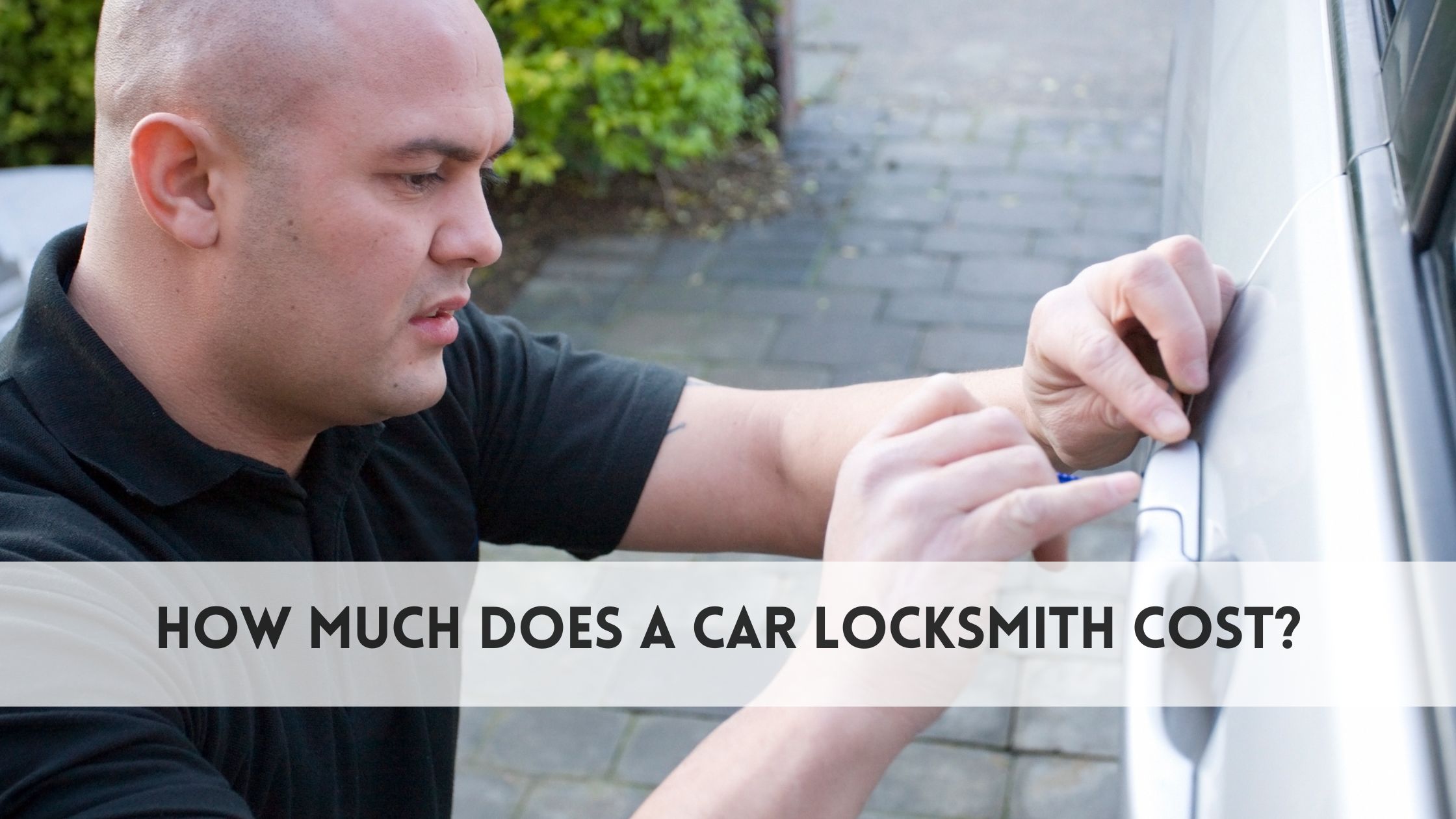
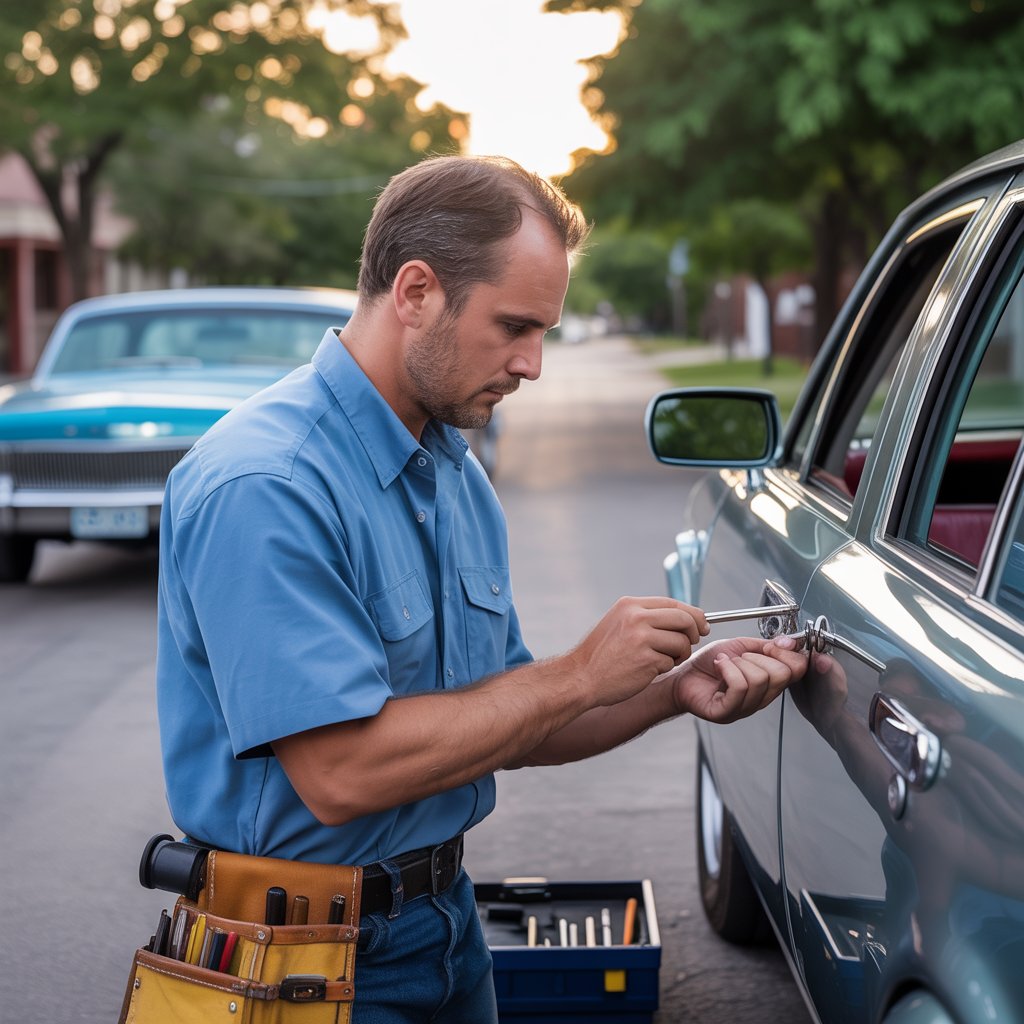
The most common cause for seeking a locksmith is being locked out of a home or apartment. In these cases, stress can lead to poor decision-making. Before calling, check all points of entry, including secondary doors or windows that might have been left unlocked. If you live in an apartment building, contact your property manager or superintendent first; they often hold a master key and may be able to grant you entry for free or at a nominal fee, which is significantly cheaper than calling an emergency locksmith.
Rekeying vs. Replacing
If you have lost your keys or moved into a new property, you do not necessarily need to replace the entire lock assembly. Rekeying—the process of changing the internal pins of a lock so that old keys no longer work—is an affordable alternative to purchasing new hardware. Ask your locksmith if your existing locks are "rekeyable," as some low-quality or proprietary locks may require a full replacement.
Smart Lock Integration
As smart home technology becomes more common in Brooklyn, many residents are opting to install electronic deadbolts. While these are convenient, they require precise installation to function correctly. A poorly aligned strike plate can cause the motor in a smart lock to strain, leading to premature failure. If you are installing a high-end electronic lock, it is often more "affordable" in the long run to pay a professional to ensure it is installed to manufacturer specifications, preventing future service calls.
Avoiding "Scam" Locksmiths
The locksmith industry is unfortunately plagued by bad actors who exploit the urgency of a lockout. To protect yourself:
- Avoid "1-800" Numbers: Scammers often use generic, high-volume call centers that use local area code spoofing to appear as though they are located in Brooklyn.
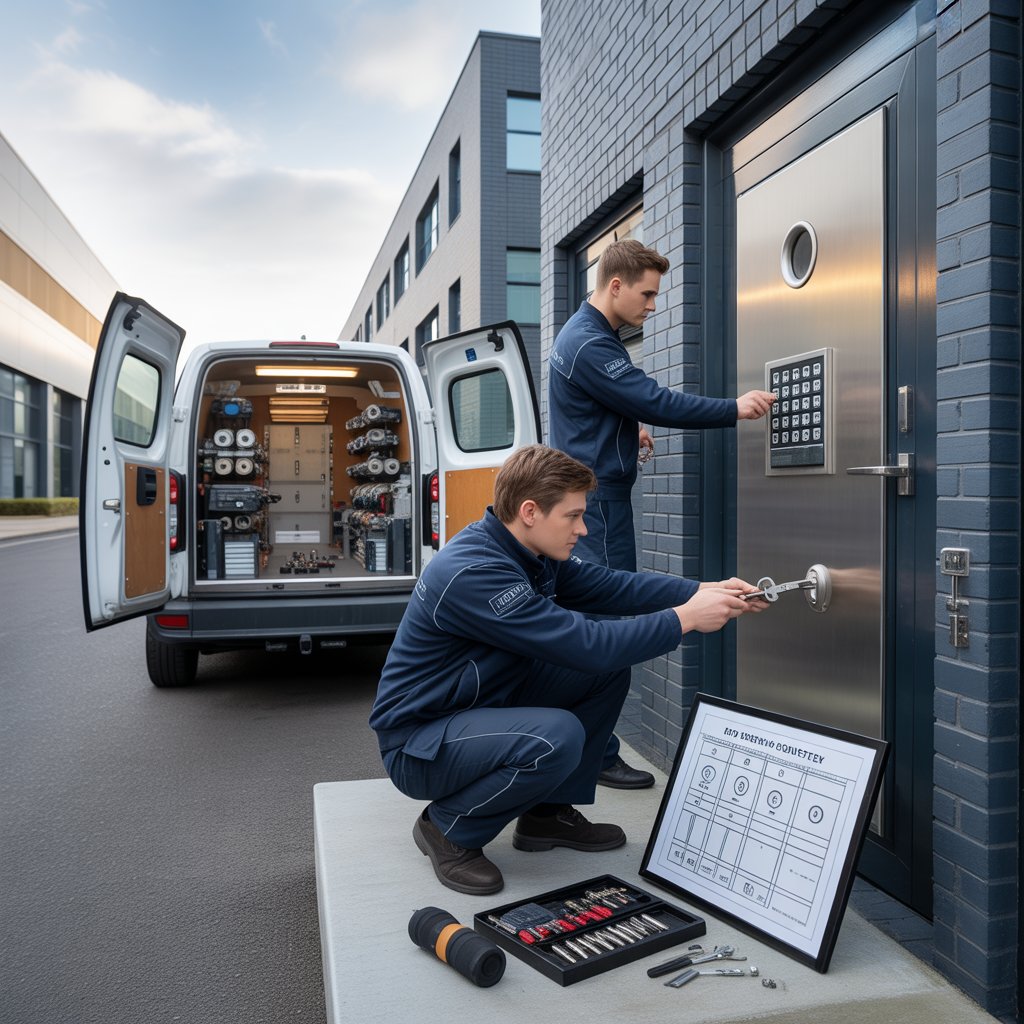
- The Van Test: When the technician arrives, look for clearly marked, branded company signage on their vehicle. An unmarked, plain, or personal vehicle is a common sign of an independent contractor who lacks the professional vetting of a local shop.
- Final Invoice Audit: Never pay for services that were not agreed upon. If the technician attempts to add "hidden fees" for drilling or parts that weren't authorized, ask for a detailed, itemized receipt and refuse payment until the discrepancies are resolved. You are within your rights to document the conversation and contact the business owner directly.
Maintenance Tips to Save Money
Preventative maintenance is the most effective way to keep your lock-related expenses low. Many "emergencies" are actually failures caused by years of neglect.
- Lubrication: Use a graphite-based or silicone-based lubricant on your locks at least once a year. Avoid WD-40, as it can attract dust and grime, eventually gumming up the delicate internal pins.
- Tighten Mounting Screws: Over time, the screws holding your deadbolt and strike plate to the door frame can vibrate loose. A loose strike plate can cause the bolt to stick, leading to an eventual lockout. Checking these every few months with a standard screwdriver can save you from an expensive emergency service call.
- Spare Key Management: The most affordable locksmith service is the one you never have to call. Invest in high-quality spare keys and leave them with a trusted neighbor, friend, or family member who lives in the area.
Frequently Asked Questions
1. Is it cheaper to go to a store or have a locksmith come to me? Bringing a lock cylinder or bringing your keys to a physical locksmith shop in Brooklyn is almost always cheaper than requesting a mobile service call, as you avoid the travel/trip fee.
2. Can I use a locksmith if I am a renter? Before modifying or changing locks in a rental, check your lease agreement. Many landlords require that you provide them with a copy of the new key or obtain written permission before changing the hardware.
3. Does homeowner’s insurance cover lockout services? Some comprehensive homeowner’s or renter’s insurance policies provide coverage for emergency locksmith services. Check your policy documentation or contact your agent to see if you can be reimbursed for a lockout event.
4. Why is my key hard to turn? If a key is difficult to turn, it is often due to misalignment between the latch and the strike plate, or it may indicate that the internal pins are wearing down. Trying to force the key can break it off inside the lock, which significantly increases the cost of repair. Call a locksmith for an adjustment before the lock fails completely.
5. How long does a standard rekey take? For a professional, rekeying a single residential door typically takes 15 to 30 minutes. If you are rekeying multiple doors in a house, the process is usually faster per lock.
Final Recommendation
If you are not currently in an emergency situation, take the time to identify a reputable, locally owned locksmith shop in your specific neighborhood of Brooklyn. Visit their store, inquire about their residential services, and keep their contact information saved in your phone. Having a pre-vetted, trusted professional ready to go eliminates the pressure to choose a random service provider during a high-stress, late-night lockout, ensuring both your home security and your budget remain protected.