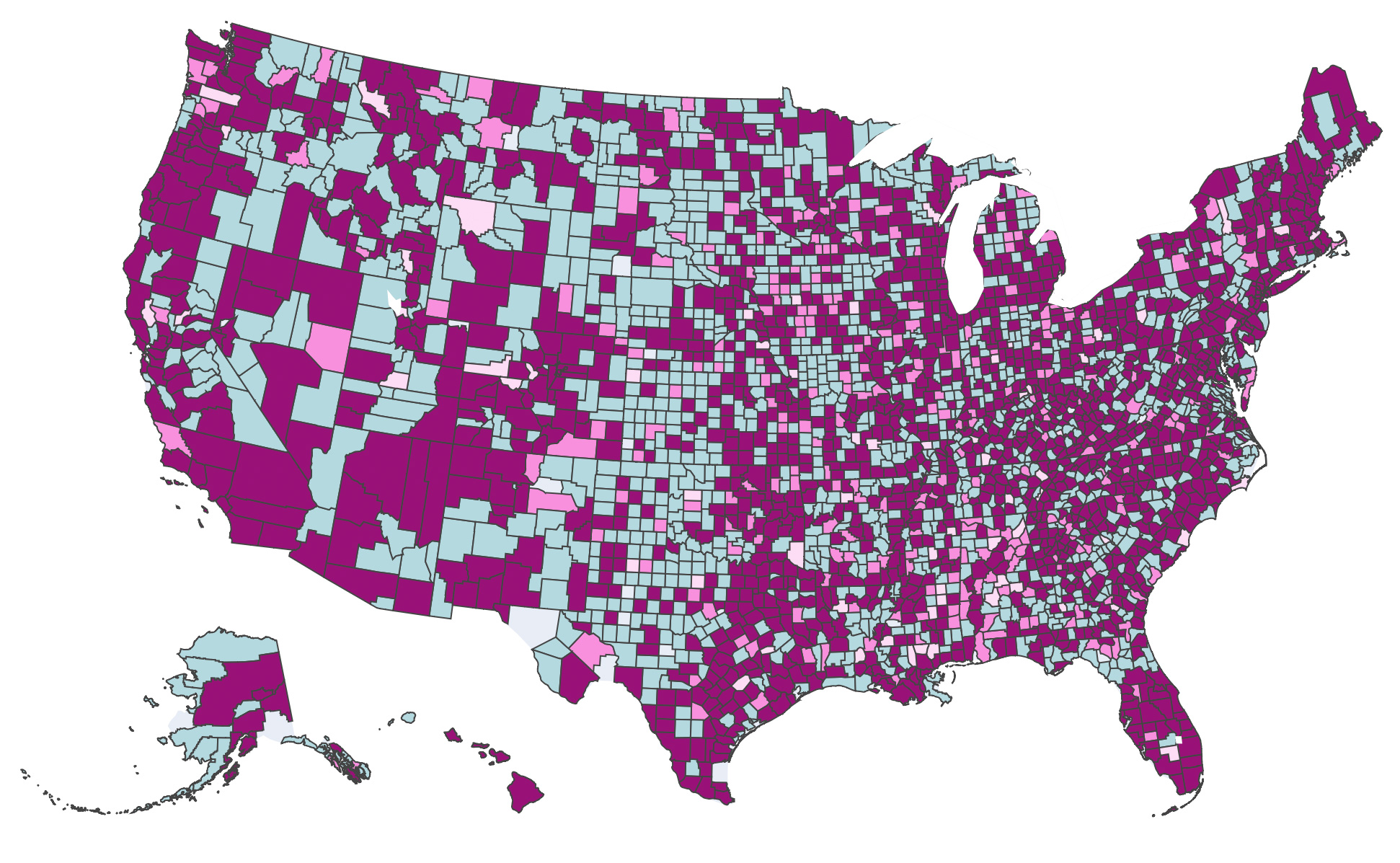
The affordable housing crisis in America is a systemic shortage of reasonably priced homes for low- to middle-income households, driven by decades of underbuilding, soaring construction costs, stagnant wages, and restrictive zoning laws that have pushed shelter costs to unprecedented heights relative to median incomes.
Understanding the Roots of the Affordable Housing Shortage
The modern housing affordability deficit did not emerge overnight; it is the culmination of structural economic shifts, policy decisions, and market forces that have accumulated over generations. To understand why finding a safe, stable, and reasonably priced home has become an uphill battle for millions of Americans, one must examine the foundational imbalances between supply and demand.
The Widening Gap Between Supply and Demand
At the heart of the crisis lies a fundamental math problem: America simply has too few homes for the people who need them. Following the 2008 subprime mortgage crisis and the subsequent foreclosure epidemic, residential construction ground to a near-halt. Homebuilders shifted away from entry-level, starter homes—which offer lower profit margins—and focused heavily on luxury developments and high-end rentals.
According to estimates by housing researchers and policy institutes, the United States faces a housing deficit ranging from 1.5 million to over 4 million units. This chronic underproduction persists despite population growth and household formation, creating fierce competition for the existing housing stock. When demand drastically outpaces supply, market economics dictate that prices rise. Consequently, entry-level buyers are priced out of homeownership, forcing them to remain in the rental market and compounding competition for apartments.
Construction Costs, Labor Shortages, and Material Inflation
Building new housing requires physical materials, skilled labor, and available land—all of which have experienced steep cost inflations. Supply chain bottlenecks, tariffs on imported building materials like lumber and steel, and stringent environmental regulations have all increased the baseline cost of development.
Furthermore, the construction industry faces a profound labor shortage. An aging workforce, combined with a historical push toward four-year college degrees over vocational training, has left a deficit of carpenters, electricians, plumbers, and general contractors. These higher labor and material inputs make it economically unfeasible for private developers to build housing that low-income families can afford without substantial government subsidies or incentives.
Restrictive Zoning and Land-Use Regulations
Local zoning laws represent one of the most formidable regulatory barriers to housing production. Across thousands of American municipalities, zoning codes heavily favor single-family detached homes on large lots while outlawing multi-family housing, duplexes, triplexes, and accessory dwelling units (ADUs).
These exclusionary zoning practices were often historically rooted in economic and racial segregation, and their modern iteration continues to restrict density. Lengthy approval processes, environmental review mandates, and neighborhood opposition—often referred to as NIMBYism ("Not In My Backyard")—add years of delays and hundreds of thousands of dollars in administrative costs to residential projects. By restricting where and what type of housing can be built, local regulations artificially constrain the housing supply and drive land prices upward.
Socioeconomic Impacts on Renters and Homebuyers
The consequences of the housing crisis extend far beyond real estate balance sheets, deeply affecting the financial stability, physical health, and psychological well-being of American households.
The Burden of Cost-Burdened Households
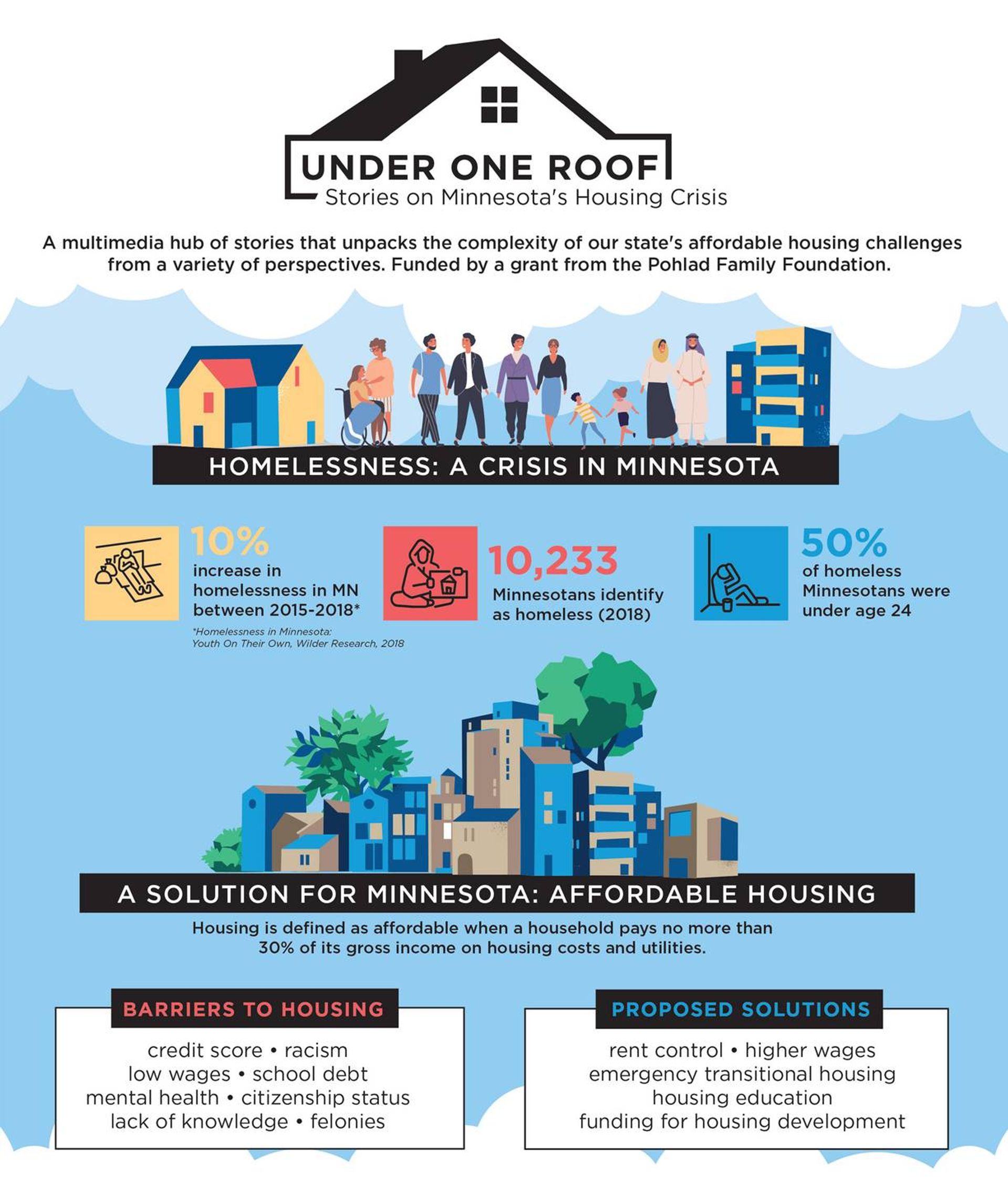
Federal housing standards define a household as "cost-burdened" if it spends more than 30 percent of its gross income on housing costs, and "severely cost-burdened" if that expenditure exceeds 50 percent. Today, tens of millions of American households fall into these categories.
When half of a family's paycheck goes straight to rent or a mortgage, discretionary income vanishes. This leaves minimal financial cushion for other essential needs, including:
- Nutritious food and groceries
- Out-of-pocket healthcare expenses and medications
- Reliable transportation to secure and maintain employment
- Higher education and workforce retraining
- Emergency savings for unforeseen life events
The Erosion of Wealth-Building and Homeownership
For generations, homeownership has served as the primary engine of wealth generation and middle-class stability in the United States. Housing equity allows families to accumulate wealth over decades, leverage assets for education or business ventures, and pass generational stability down to their children.
As median home prices and mortgage interest rates climb relative to median household incomes, the dream of homeownership slips further out of reach for younger generations and minority populations. Persistent racial homeownership gaps—such as the historic divide between Black and white households—continue to widen, exacerbating broader racial wealth disparities. Renters who spend decades funneling their income into landlord pockets miss out entirely on equity accumulation, leaving them economically vulnerable in their retirement years.
Homelessness and Housing Instability
At the most severe end of the affordability spectrum, the housing crisis directly fuels homelessness. When rents spike faster than wages, low-income workers, veterans, elderly individuals on fixed incomes, and persons with disabilities find themselves structurally displaced.
While homelessness is a complex issue intertwined with mental health challenges and substance use disorders, research consistently demonstrates a direct correlation between rising median rents and rising rates of homelessness within a community. Even families who manage to avoid literal homelessness frequently experience chronic housing instability—moving from one overcrowded apartment to another, doubling up with relatives, or facing constant eviction threats due to minor financial shocks.
Federal, State, and Local Policy Interventions
Addressing a crisis of this magnitude requires coordinated interventions across all levels of government, alongside private-sector and non-profit partnerships. Policymakers have deployed various tools to stimulate production, protect vulnerable tenants, and bridge the affordability gap.
| Policy Tool | Primary Objective | Potential Benefits | Key Limitations |
|---|---|---|---|
| Housing Choice Vouchers (Section 8) | Subsidize private-market rent for extremely low-income households. | Directly reduces rent burden; allows mobility across neighborhoods. | Severely underfunded; long waiting lists; landlord participation is often voluntary. |
| Low-Income Housing Tax Credit (LIHTC) | Incentivize private equity investment in affordable rental developments. | Produces the vast majority of new affordable rental housing in the U.S. | Complex financing structures; high administrative costs; expiration of affordability restrictions over time. |
| Zoning Reform & Upzoning | Permit higher-density housing (duplexes, ADUs, mid-rise apartments) in single-family zones. | Increases overall housing supply; lowers land costs per unit; encourages walkable communities. | Faces fierce local political opposition; does not guarantee deep affordability without subsidies. |
| Inclusive Zoning / Mandatory Inclusionary Housing | Require private developers to reserve a percentage of units in new projects for lower-income residents. | Integrates affordable units into market-rate developments without direct public spending. | Can slow overall housing production if developer profit margins are squeezed too tightly. |
Federal Programs and Funding Mechanisms
At the federal level, the Department of Housing and Urban Development (HUD) administers major programs designed to assist low-income renters. The Housing Choice Voucher program remains a cornerstone of federal assistance, though chronic underfunding means that only a fraction of eligible households ever receive vouchers, often waiting years on stagnant municipal housing authority lists.
The Low-Income Housing Tax Credit (LIHTC), established by the Tax Reform Act of 1986, is the federal government's primary vehicle for encouraging private investment in affordable rental housing. By issuing tax credits to state and local agencies, developers can raise private equity to build or rehabilitate properties targeted to low-income tenants. However, reliance on tax credits and private capital means that these developments often require complex layers of subsidies to remain financially viable.
State and Local Zoning Overhauls
Recognizing that federal dollars alone cannot solve a supply crisis rooted in local land use, several states and progressive municipalities have begun enacting sweeping zoning reforms. States like California and Oregon have passed legislation legalizing accessory dwelling units (ADUs) statewide and overriding local bans on multi-family housing near transit corridors.
Cities are experimenting with eliminating parking minimums—regulations that previously forced developers to build costly off-street parking spaces for every apartment, which artificially inflated construction costs and prioritized cars over human-centric design. Streamlining permitting processes and offering fast-track approvals for affordable housing projects are other critical strategies local governments use to cut bureaucratic red tape.
Practical Solutions for Individuals Facing Housing Strain
While structural policy reforms take years to materialize, individuals and families navigating high housing costs must navigate immediate, tactical solutions to protect their financial security.
Exploring Rental Assistance and Subsidized Housing
Navigating public assistance requires patience and persistent research. Households experiencing severe cost burdens should immediately check eligibility requirements for local Public Housing Agencies (PHAs).
- Identify Local PHAs: Locate the regional housing authority governing your city or county via official government portals.
- Monitor Waiting Lists: Many housing choice voucher lists open only periodically. Sign up for notifications to apply the moment a waiting list opens.
- Investigate Project-Based Assistance: Look for privately owned apartment complexes that contract with HUD to offer project-based rental assistance, where the subsidy is tied to the physical unit rather than the tenant.
Evaluating Alternative Housing Models
Traditional single-family rentals and standard mortgages are not the only options available. Driven by the crisis, alternative living arrangements have gained traction:
- Accessory Dwelling Units (ADUs): Renting a backyard cottage, converted garage, or basement apartment often provides a more affordable, private living space than a traditional apartment complex.
- Co-living Spaces: Shared housing arrangements where individuals rent private bedrooms while sharing common living areas, kitchens, and utilities can drastically reduce monthly overhead.
- Community Land Trusts (CLTs): Non-profit community-based organizations that acquire land and place it in a trust, allowing lower-income buyers to purchase the home built on the land while leasing the land itself. This removes land costs from the purchase price and ensures long-term affordability through resale price restrictions.
Financial Counseling and Tenant Rights Education
Understanding tenant rights is essential for preventing displacement, unlawful rent increases, and sudden evictions. Many municipalities fund legal aid organizations that offer free or low-cost legal representation to tenants facing housing court proceedings. Utilizing certified housing counseling agencies approved by HUD can also help prospective buyers manage debt, improve credit scores, and access down-payment assistance grants tailored for first-time buyers.
Frequently Asked Questions
What is the main cause of the affordable housing crisis in America?
The primary driver is a chronic nationwide shortage of housing units relative to population growth, caused by decades of underbuilding following the 2008 financial crisis, rising construction and labor costs, and restrictive local zoning laws that limit the development of multi-family and high-density housing.
How does zoning reform help lower housing costs?
Zoning reform allows developers to build more homes—such as duplexes, townhomes, and apartment buildings—on a given parcel of land. Increasing the overall supply of housing curbs price inflation through market competition, while permitting smaller, more modest homes reduces the cost per unit.
Are there federal grants available for first-time homebuyers?
Yes, various federal, state, and local programs offer down-payment assistance, closing-cost grants, and low-interest mortgage options through agencies like the Federal Housing Administration (FHA), the U.S. Department of Veterans Affairs (VA), and the U.S. Department of Agriculture (USDA), as well as state housing finance agencies.
What is a housing choice voucher?
A housing choice voucher (commonly known as Section 8) is a federally funded program that helps very low-income families, the elderly, and persons with disabilities afford decent, safe, and sanitary housing in the private rental market. Recipients pay roughly 30 percent of their adjusted income toward rent, with the government covering the remainder directly to the landlord.
How can communities address homelessness alongside the housing crisis?
Effective responses combine the creation of permanent supportive housing—which pairs affordable housing units with on-site supportive services like healthcare and mental health counseling—with rapid re-housing programs, eviction prevention legal aid, and low-barrier emergency shelter options.
Conclusion and Next Actions
The affordable housing crisis in America represents a profound economic and social challenge that requires multi-faceted solutions, ranging from sweeping zoning reform and increased federal investment to innovative private construction methods. If you are personally affected by high housing costs, take proactive steps today: research your local housing authority for open voucher lists, consult HUD-certified credit counselors to prepare for homeownership, and stay informed on local zoning board meetings where decisions affecting your community's housing future are made.