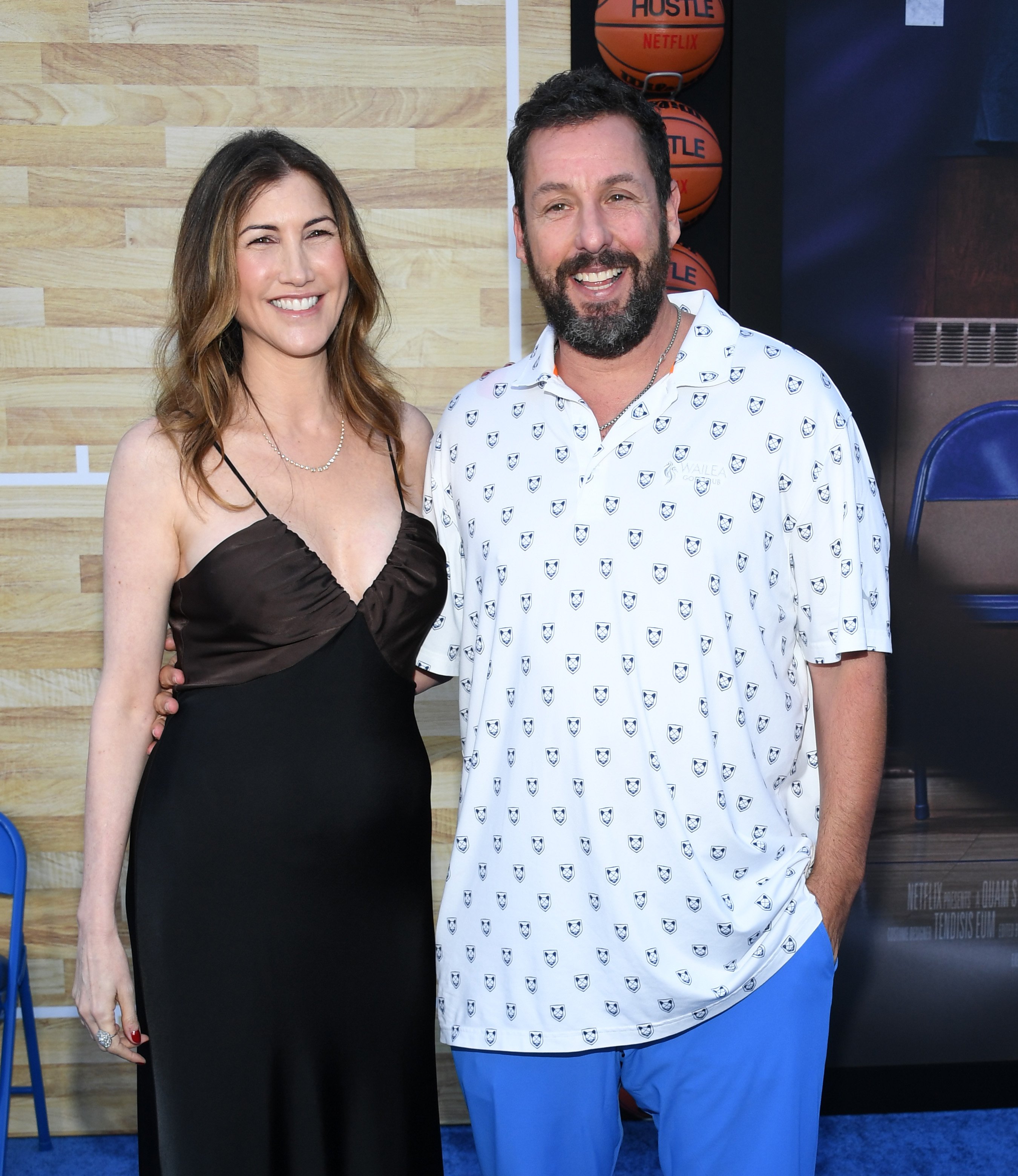
In the 2014 romantic comedy Blended, the character of Lauren Reynolds—portrayed by Drew Barrymore—eventually becomes the stepmother to Jim Friedman’s children. While Adam Sandler’s real-life wife, Jackie Sandler, appears in a small cameo role as a "stunning bar lady," the central "Hollywood stepmom" narrative arc belongs to Barrymore’s character. This distinction clarifies the common confusion between the film's cast list and its core plot dynamics.
The Distinction Between Cast and Character
For audiences revisiting Blended in 2026, it is common to conflate the personal life of Adam Sandler with the ensemble cast of his filmography. When searching for "Adam Sandler’s wife in Blended," users often encounter two distinct answers. First, there is Jackie Sandler, the actor’s spouse since 2003, who frequently appears in his productions, including a brief, memorable scene in Blended. Second, there is the fictional "stepmom" figure—Lauren Reynolds—who drives the emotional core of the screenplay.
Understanding this difference is essential for viewers interested in the film’s production history. Adam Sandler’s film company, Happy Madison Productions, is well-known for casting friends, family, and recurring collaborators. Jackie Sandler’s inclusion in the film is a hallmark of this professional style, while the "Hollywood stepmom" trope is an exploration of the blended family dynamic that serves as the movie's thematic foundation.
Analyzing the "Hollywood Stepmom" Archetype in Blended
The character of Lauren Reynolds is a quintessential example of the modern cinematic stepmother. Unlike the villainous or distant stepmother tropes found in classic literature or early 20th-century film, Blended presents a character navigating the complexities of post-divorce life. Lauren enters the story as a single mother of two sons, struggling to maintain order while balancing professional responsibilities and the emotional needs of her children.
The "stepmom" narrative in the film functions through three primary stages:
- Initial Friction: The early interactions between Lauren and Jim’s daughters—Hilary, Lou, and Espn—are defined by cultural and personality clashes. This phase emphasizes the difficulty of merging two established households.
- The Crisis Point: The family vacation in South Africa serves as the crucible for their relationship. Through shared adversity and forced proximity, the characters shed their superficial judgments.
- The Integration: The conclusion of the film does not merely rely on the romance between the two leads; it focuses on the genuine bonds formed between the parents and the children. Lauren becomes a maternal figure through earned trust rather than legal convenience.
The Role of Jackie Sandler
It is important to provide factual clarity regarding Jackie Sandler’s involvement in the movie. Her role as the "stunning bar lady" is a comedic cameo that highlights the rapport between Adam Sandler and his recurring cast. In the context of Blended, her character serves a specific purpose: to act as a point of comparison that allows the audience to see Jim Friedman’s change in perspective.
Many fans mistakenly believe that the "Hollywood stepmom" mentioned in search queries refers to Jackie Sandler, but her role is distinct from the character arc of Lauren Reynolds. Her appearance is part of a larger tradition in Sandler’s films, where his real-life family members contribute to the whimsical, interconnected universe of his productions. This meta-commentary adds a layer of enjoyment for fans familiar with the actor’s career longevity.
Comparative Analysis: Cinematic Families vs. Reality
To further understand why this confusion exists, we must look at how Hollywood portrays blended families compared to how Adam Sandler structures his film projects.
| Feature | Reality (Jackie Sandler) | Fiction (Lauren Reynolds) |
|---|---|---|
| Relationship to Adam | Legal Spouse | On-screen Romantic Interest |
| Role in Blended | Cameo appearance | Lead protagonist/Stepmother |
| Narrative Weight | Minor, comedic | Heavy, character-driven |
| Family Dynamic | Actual family partnership | Narrative exploration of blended family |
The table above illustrates that while the two roles serve different functions, they occupy the same space in the viewer’s perception. The interest in "Adam Sandler’s wife" often stems from a curiosity about the actor’s personal life, while the interest in the "Hollywood stepmom" is a thematic inquiry into the story itself.
The Evolution of the Stepmother Trope
Blended represents a shift in how Hollywood represents the "stepmom." By the mid-2010s, the "wicked stepmother" stereotype had largely been replaced in mainstream comedies by the "relatable caretaker." Lauren Reynolds is not attempting to replace the children's biological mother; rather, she is filling a void left by the absence of one.
This nuance is what makes the film a subject of recurring search interest. Viewers who experienced the film upon its initial release in 2014, and who are returning to it in 2026, often analyze the film through the lens of how successfully it navigated this transition. The film moves away from the "us vs. them" mentality of step-parenting and emphasizes the necessity of patience, communication, and emotional vulnerability.
Common Questions Regarding the Cast and Plot
Readers often have specific follow-up questions when researching this film. Below are answers to the most frequent inquiries related to the cast dynamics and the "stepmom" narrative.
1. Is Jackie Sandler actually the stepmother in Blended? No. Jackie Sandler plays a minor supporting character. The role of the mother figure/stepmother is played by Drew Barrymore as the character Lauren Reynolds.
2. Why are there so many recurring actors in Adam Sandler films? Adam Sandler’s production company, Happy Madison, is known for its "repertory company" style. By casting friends and family, the production environment remains comfortable, which often translates to the improvised, easy-going chemistry seen on screen.
3. Does the "Hollywood stepmom" trope accurately reflect reality? While Blended is a romantic comedy and relies on hyperbole and dramatic coincidences, it touches on real-world challenges such as navigating parent-child boundaries and the impact of a new partner on a grieving or conflicted child.
4. What was the critical reception to the portrayal of the stepmother in this film? Critical reception was mixed, with some praising the chemistry between the leads while others noted that the film relied heavily on established tropes. However, audiences have historically responded well to the film’s wholesome, family-centric resolution.
Requirements for Understanding the Film’s Context
To fully appreciate the narrative of the stepmother in Blended, one must view the film as a product of its time—the mid-2010s. The industry was beginning to move toward "found family" tropes that prioritized emotional growth over situational conflict.
If you are watching Blended in 2026, consider the following:
- The Setting: The South African resort setting was chosen to isolate the characters, a common device in films that aim to force interpersonal growth.
- The Chemistry: The film is the third collaboration between Adam Sandler and Drew Barrymore, following The Wedding Singer and 50 First Dates. Their established rapport informs the audience’s willingness to accept their "blended" family arc.
- The Humor: The film balances slapstick physical comedy with sincere, often sentimental, dialogue. Recognizing this balance helps in separating the "bar lady" cameo from the weightier scenes involving the children.
Next Steps for Fans of the Genre
If the exploration of blended family dynamics is what draws you to this topic, there are several ways to continue your inquiry. You might look into the broader history of "blended family" cinema, which includes films like Cheaper by the Dozen or Yours, Mine & Ours. Each of these films approaches the concept of a "stepmom" from a different cultural and comedic angle.
If you are specifically interested in the filmmaking style of Adam Sandler, explore the behind-the-scenes features of his various projects. Often, the "cameo" appearances of his family members are discussed in interviews, providing a clearer picture of how he blends his personal and professional lives.
Ultimately, Blended remains a point of reference for audiences looking for a lighthearted exploration of modern family structures. Whether you are searching for the identity of the actor behind a specific character or trying to understand the nuances of the film's plot, acknowledging the deliberate separation between the real-life family of the lead and the scripted roles they play is the first step toward a deeper appreciation of the work.