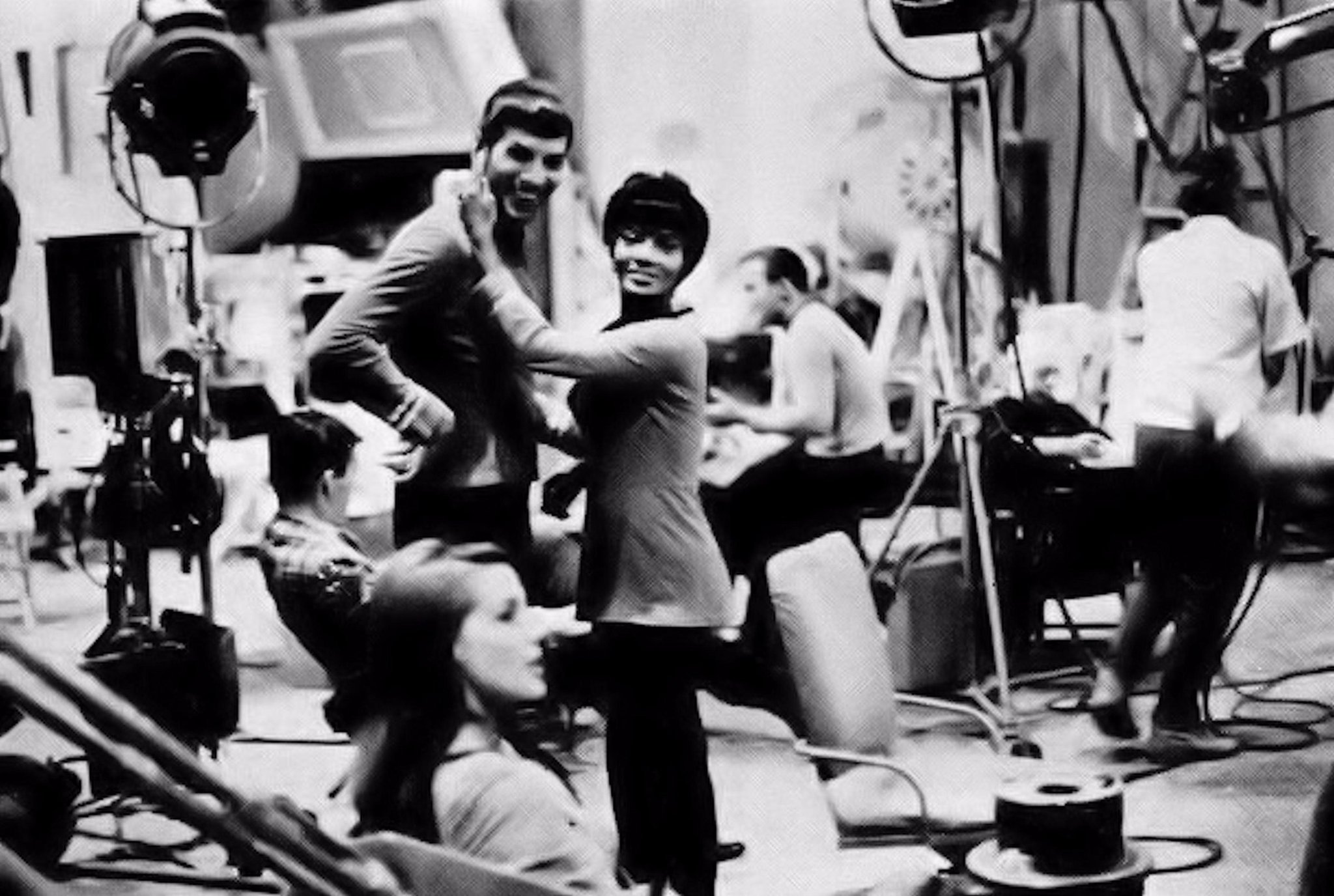
Adam Nimoy's career represents a profound intersection of storytelling, documentary filmmaking, and the preservation of a monumental cultural heritage. Best known for shaping his own distinct artistic path behind the camera while managing the enduring legacy of his father, legendary actor Leonard Nimoy, Adam has carved out a unique space in modern media. His work bridges the gap between deeply personal family memoirs and broad cultural phenomena, particularly within science fiction and television history. Through projects like For the Love of Spock and his advocacy for mental health awareness, Nimoy has demonstrated that innovation in art often lies in vulnerability, historical documentation, and creative reinvention.
The Early Foundations and Entry into Entertainment
Growing up in the shadow of a globally recognized cultural icon presented both unique opportunities and complex personal challenges. Leonard Nimoy’s portrayal of Mr. Spock on Star Trek cemented the family name in television history, but it also placed the Nimoy household under intense public scrutiny. Rather than immediately following his father onto the soundstage as a performer, Adam Nimoy chose a path rooted in the legal and structural side of the entertainment industry before transitioning to creative direction.
After earning his undergraduate degree and later a Juris Doctor from the Antioch School of Law, Nimoy initially practiced entertainment law. This background provided him with a comprehensive understanding of copyright, production management, contracts, and distribution—skills that would later prove invaluable when he transitioned into television directing and independent documentary production. His shift from the legal office to the director's chair allowed him to combine structural industry acumen with narrative vision, laying the groundwork for a prolific career in episodic television.
During the 1990s and 2000s, Nimoy built a robust resume as a television director. He helmed episodes for a wide array of network dramas and science fiction series, including The Outer Limits, NYPD Blue, Gilmore Girls, The Practice, and Ally McBeal. This period established his reputation as a reliable, detail-oriented director capable of managing complex ensemble casts and fast-paced television production schedules. Yet, despite his success in narrative television, his most resonant artistic achievements would ultimately emerge from deeply personal documentary storytelling.
Documentary Filmmaking as an Art Form
The defining phase of Adam Nimoy’s artistic career centers on documentary filmmaking, where he utilized the medium to explore complex family dynamics, cultural iconography, and historical preservation. Documentaries require a distinct blend of investigative rigor and emotional empathy, qualities that Nimoy brought to his most celebrated cinematic endeavors.
For the Love of Spock (2016)
Perhaps his most widely recognized contribution to cinema is the feature-length documentary For the Love of Spock (2016). Originally conceived as a tribute to mark the fiftieth anniversary of Star Trek, the project took on profound personal significance following Leonard Nimoy’s passing in February 2015. Adam Nimoy successfully transformed a celebratory pop-culture retrospective into a poignant, multi-layered exploration of his complicated relationship with his father and the cultural phenomenon of Mr. Spock.
| Project Attribute | Detail |
|---|---|
| Release Year | 2016 |
| Primary Subject | Leonard Nimoy and the character of Mr. Spock |
| Director | Adam Nimoy |
| Key Contributors | William Shatner, J.J. Abrams, Zachary Quinto, Jason Alexander |
| Distribution | Gravitas Ventures / Independent |
The film examines how a fictional alien character with pointed ears and a penchant for logic became an enduring symbol of empathy, outsider identity, and rationalism. Through extensive archival footage, home movies, and interviews with collaborators, family members, and modern science fiction creators, Nimoy crafted a definitive portrait of both the actor and the icon. Crucially, the documentary does not shy away from the personal estrangements and professional pressures that strained the father-son relationship, offering viewers an honest, vulnerable examination of reconciliation.
Expanding the Narrative Canvas
Beyond For the Love of Spock, Nimoy has continued to apply his documentary lens to subjects that require delicate handling and deep institutional knowledge. His work often investigates the intersection of creativity, human psychology, and cultural history. By choosing subjects that resonate on both a mass-market and deeply intimate level, he has established a distinct authorial voice characterized by emotional honesty and meticulous archival research.
Advocacy, Mental Health, and Personal Resilience
Innovation in art frequently extends beyond technical or narrative achievements into how creators utilize their platforms for social good. Adam Nimoy’s journey has been deeply intertwined with advocacy for mental health awareness, addiction recovery, and destigmatizing chronic psychological struggles.
Having navigated his own struggles with alcohol addiction and recovery—a journey he has discussed candidly in public appearances and written works—Nimoy became an outspoken advocate for wellness and support systems within the creative community. His personal resilience directly informs his artistic output, providing a thematic undercurrent of healing and redemption in his storytelling. When he documented his father’s later years and their path toward mutual understanding, he highlighted the importance of open communication, mental health care, and emotional availability.
Furthermore, Nimoy has lent his voice to various non-profit organizations and educational panels, discussing how creative expression can serve as a vital therapeutic outlet. By connecting his personal narrative with broader public conversations about addiction and recovery, he has expanded the cultural impact of his family’s legacy into a force for practical, compassionate support.
Managing and Reinterpreting a Cultural Legacy
Preserving a legendary cultural legacy while forging an independent identity is a delicate balancing act. Adam Nimoy has successfully navigated this terrain by honoring his father's contributions to science fiction and the arts while maintaining his own creative autonomy.
This stewardship involves active participation in archival projects, public speaking engagements, and educational initiatives aimed at introducing classic television and cinematic history to younger generations. Rather than allowing the Nimoy name to become a static museum piece, Adam has continually reinterpreted its underlying values—curiosity, inclusivity, and artistic integrity—through modern media formats. Whether through panel discussions at pop-culture conventions, university lectures, or digital media projects, he ensures that the principles championed by his family remain relevant in contemporary discourse.
Frequently Asked Questions
What is Adam Nimoy best known for?
Adam Nimoy is best known as a television director and documentary filmmaker, most notably for directing and producing the acclaimed 2016 feature documentary For the Love of Spock. He also directed episodes for numerous prominent television series throughout the 1990s and 2000s.
How is Adam Nimoy related to Leonard Nimoy?
Adam Nimoy is the son of the late actor, director, and artist Leonard Nimoy, who famously portrayed Mr. Spock in the original Star Trek television series and subsequent films.
Did Adam Nimoy work in fields other than entertainment?
Yes. Before establishing his career in television and film, Adam Nimoy earned a Juris Doctor from the Antioch School of Law and practiced entertainment law for several years, utilizing his legal background to understand the structural and contractual aspects of media production.
What themes are prevalent in Adam Nimoy's documentary work?
His documentary work frequently explores the intersections of iconic pop culture, complex family relationships, personal redemption, and mental health advocacy, blending archival investigation with emotional vulnerability.
Where can audiences watch For the Love of Spock?
For the Love of Spock is available across various digital streaming platforms, video-on-demand services, and physical media releases, distributed through independent film channels and major digital storefronts.
Conclusion and Next Actions
Adam Nimoy’s career stands as a testament to the power of combining technical craftsmanship in media production with deeply personal narrative exploration. From his early days in entertainment law and episodic television direction to his poignant documentary filmmaking and mental health advocacy, he has continually redefined his professional trajectory. For those interested in exploring his work further, beginning with For the Love of Spock provides a comprehensive entry point into both his artistic style and his familial history. Engaging with his public lectures, writings, and interviews offers additional insight into a career defined by artistic integrity, resilience, and a commitment to authentic storytelling.