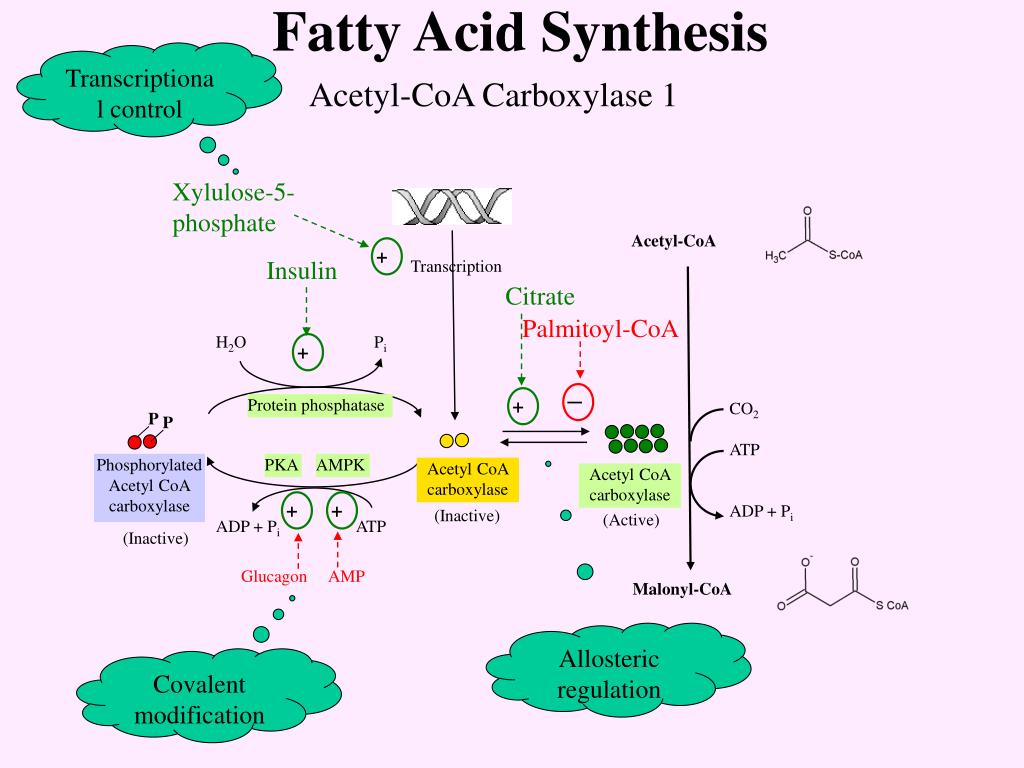
Acetyl-CoA (acetyl-coenzyme A) is produced from the enzymatic breakdown of carbohydrates, fats, and proteins, serving as the central metabolic hub that bridges glycolysis, the citric acid cycle, and fatty acid synthesis. This essential thioester molecule acts as a critical entry point for fuel oxidation in the mitochondria and a key building block for biosynthesis in the cytoplasm.
The Role of Acetyl-CoA in Cellular Metabolism
At the center of cellular energetics lies the molecule acetyl-CoA. It is a high-energy compound composed of an acetyl group linked to coenzyme A via a high-energy thioester bond. In the context of 2026 biochemical research, understanding its production remains fundamental to clinical nutrition, endocrinology, and metabolic disease management.
Acetyl-CoA does not exist in isolation. It is a transient intermediate that effectively "collects" two-carbon units derived from various macronutrients. These units are then either oxidized within the mitochondrial matrix to generate adenosine triphosphate (ATP) or shuttled into biosynthetic pathways to construct lipids, cholesterol, and various secondary metabolites. By understanding the precursors of acetyl-CoA, one can appreciate how the body maintains homeostasis under varying states of fasting, feeding, and physical exertion.
Carbohydrate Metabolism: The Pyruvate Dehydrogenase Complex
The most recognized pathway for the production of acetyl-CoA is the aerobic oxidation of glucose. This process begins in the cytoplasm with glycolysis, where one molecule of glucose is cleaved into two molecules of pyruvate. Once pyruvate is generated, it must be transported into the mitochondrial matrix to undergo the definitive "link reaction."
Within the matrix, the Pyruvate Dehydrogenase Complex (PDC) catalyzes the oxidative decarboxylation of pyruvate. This complex is a massive assembly of enzymes that removes a carboxyl group from pyruvate, releasing carbon dioxide and producing an acetyl group, which is then attached to coenzyme A. This reaction is irreversible in mammals, meaning that while carbohydrates can be converted into fat via acetyl-CoA, the reverse process—converting fat-derived acetyl-CoA back into glucose—is not metabolically possible.
The PDC activity is strictly regulated by the energy status of the cell. High levels of ATP, NADH, and acetyl-CoA itself act as feedback inhibitors, signaling that the cell has sufficient energy and that further glucose oxidation is unnecessary. Conversely, high levels of pyruvate, NAD+, and CoA stimulate the complex to maintain a steady flux of fuel into the citric acid cycle.
Lipid Metabolism: Beta-Oxidation
When glucose levels are low or when the body requires sustained energy, fatty acids become the primary source of acetyl-CoA. This occurs through a process known as beta-oxidation. Fatty acids stored in adipose tissue are mobilized as free fatty acids, transported to the mitochondria, and sequentially broken down.
Unlike the decarboxylation of pyruvate, beta-oxidation is a cyclical process that removes two carbons from the fatty acid chain during each turn of the cycle. Each cycle produces one molecule of FADH₂, one molecule of NADH, and one molecule of acetyl-CoA. Consequently, a long-chain fatty acid, such as palmitate, can yield multiple molecules of acetyl-CoA.
This pathway is crucial during prolonged fasting or starvation. As the concentration of acetyl-CoA from beta-oxidation rises, it serves two purposes:
- It provides a massive substrate pool for the citric acid cycle.
- If the supply of acetyl-CoA exceeds the capacity of the citric acid cycle, the excess is diverted toward ketogenesis in the liver, producing ketone bodies that serve as an alternative fuel source for the brain and muscles.
Protein Metabolism: Amino Acid Catabolism
While carbohydrates and fats are the primary fuels, proteins also contribute to the acetyl-CoA pool. When an individual consumes excess protein, or when the body is in a state of starvation and must catabolize muscle tissue, amino acids are broken down.
Amino acids are classified based on the degradation products they yield:
- Ketogenic amino acids: These are converted directly into acetyl-CoA or acetoacetyl-CoA. Examples include leucine and lysine.
- Glucogenic amino acids: These are converted into intermediates of the citric acid cycle, such as oxaloacetate or alpha-ketoglutarate, which can eventually contribute to glucose production.
The conversion of ketogenic amino acids into acetyl-CoA allows the body to utilize proteins for energy when carbohydrates are scarce. However, this process involves the removal of the nitrogen group (deamination), which results in the production of urea that must be excreted by the kidneys.
Comparative Sources of Acetyl-CoA
To differentiate the contributions of various macronutrients, one must examine the specific conditions under which these pathways are activated. The table below summarizes the origins and metabolic contexts for the production of acetyl-CoA.
| Precursor | Primary Pathway | Metabolic Context |
|---|---|---|
| Glucose (Pyruvate) | Pyruvate Dehydrogenase | Fed state; glycolysis activity |
| Fatty Acids | Beta-Oxidation | Fasting state; adipose mobilization |
| Ketogenic Amino Acids | Deamination/Ketolysis | Protein catabolism; starvation |
| Ethanol | Alcohol Dehydrogenase | Ingestion of alcohol |
The "Cytoplasmic vs. Mitochondrial" Distinction
A critical nuance in cellular biology is the location of acetyl-CoA production and usage. Mitochondria are the primary site for the oxidation of acetyl-CoA to produce energy (the Citric Acid Cycle). However, the synthesis of fatty acids and cholesterol occurs in the cytoplasm.
Because the mitochondrial membrane is impermeable to acetyl-CoA, the cell employs a sophisticated "shuttle" system. Acetyl-CoA is condensed with oxaloacetate to form citrate. Citrate is then transported out of the mitochondria into the cytoplasm, where it is cleaved back into oxaloacetate and acetyl-CoA. This mechanism allows the cell to export carbon units for the synthesis of complex molecules even when mitochondrial energy demands are low.
Clinical Implications of Acetyl-CoA Metabolism
Disruptions in the pathways producing acetyl-CoA can have severe clinical consequences. For instance, deficiencies in the enzymes of the Pyruvate Dehydrogenase Complex lead to a buildup of lactic acid and a failure to properly fuel the citric acid cycle, resulting in severe neurological issues and developmental delays.
Similarly, in conditions like uncontrolled diabetes mellitus, the body's inability to utilize glucose effectively forces an over-reliance on fatty acid oxidation. This results in an overwhelming accumulation of acetyl-CoA, which the liver then converts into excessive quantities of ketone bodies. This accumulation leads to ketoacidosis, a medical emergency characterized by a life-threatening drop in blood pH.
Practical Considerations for Metabolic Efficiency
For most individuals, maintaining a balanced intake of nutrients is the primary way to regulate the production of acetyl-CoA. A diet high in refined carbohydrates stimulates constant insulin production, favoring the conversion of glucose into acetyl-CoA and subsequently into stored fat. Conversely, a diet that allows for periods of low insulin—such as through timed eating or intermittent fasting—promotes the utilization of fatty acids as the primary source of acetyl-CoA.
Understanding these pathways is also essential for athletes. Endurance training increases the mitochondrial density within muscle cells, enhancing the efficiency of the Pyruvate Dehydrogenase Complex and the rate of beta-oxidation. This allows the body to produce acetyl-CoA more readily during intense exercise, delaying the onset of fatigue.
Frequently Asked Questions
1. Can protein intake directly increase acetyl-CoA production? Yes. When amino acids like leucine are metabolized, they enter the metabolic pathway specifically at the level of acetyl-CoA. While the body prefers to use protein for structural growth, excess protein is readily converted into this central fuel intermediate.
2. Why can't acetyl-CoA be converted back into glucose? The conversion of pyruvate to acetyl-CoA by the Pyruvate Dehydrogenase Complex is essentially irreversible in the human body. The carbon atoms released as CO₂ during this step cannot be recovered, preventing the transformation of acetyl-CoA (a two-carbon unit) back into glucose (a six-carbon sugar).
3. What happens if there is too much acetyl-CoA in the cell? When acetyl-CoA levels are high and the citric acid cycle is saturated, the excess is diverted toward the synthesis of fatty acids and cholesterol. If the supply continues to exceed demand, these are stored as triglycerides in adipose tissue.
4. How does ethanol consumption affect acetyl-CoA levels? Ethanol is metabolized in the liver into acetaldehyde and then into acetate, which is subsequently converted into acetyl-CoA. This provides an alternative source of fuel but can disrupt normal metabolic regulation, often inhibiting the burning of fatty acids.
5. What is the role of Coenzyme A in this process? Coenzyme A acts as a carrier molecule. It does not provide the fuel itself; rather, it provides the "handle" (the thiol group) that allows the acetyl group to be easily transferred between enzymes and metabolic pathways.
Next Steps for Maintaining Metabolic Health
To optimize your metabolic health and the efficiency of your acetyl-CoA production pathways, focus on the following:
- Prioritize Nutritional Quality: Choose complex carbohydrates that provide a steady stream of pyruvate, preventing rapid spikes and crashes in energy.
- Incorporate Healthy Fats: Ensure adequate intake of essential fatty acids to keep beta-oxidation pathways functional and responsive.
- Monitor Metabolic Flexibility: If you notice consistent energy slumps, consult with a physician or a registered dietitian to review your macronutrient distribution. Metabolic flexibility—the ability to switch efficiently between glucose and fat—is the hallmark of a healthy, functioning metabolism.
- Physical Activity: Engage in regular aerobic exercise, which improves the mitochondrial infrastructure necessary to process acetyl-CoA efficiently.
By viewing your health through the lens of metabolic fuel regulation, you can better understand how your dietary choices translate into the energy that powers your cells.