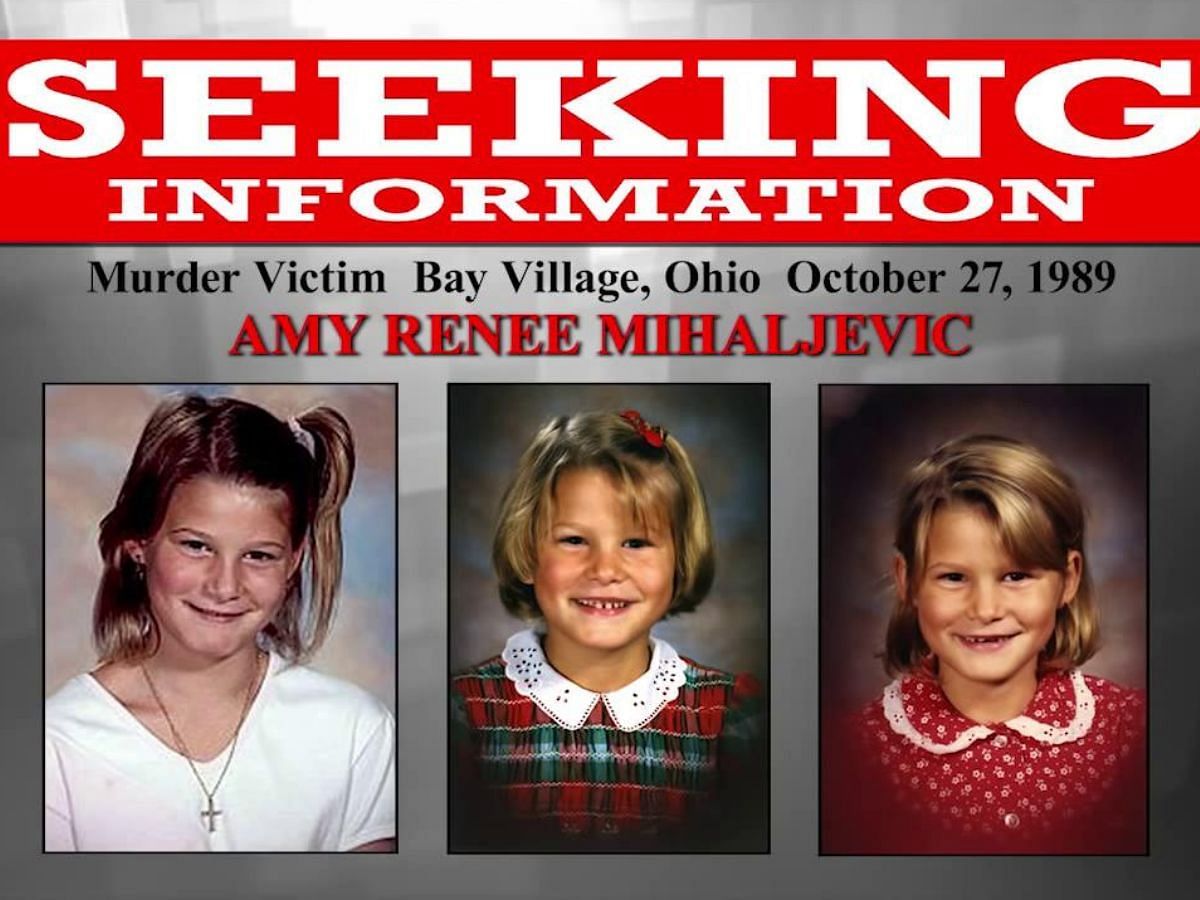
Over the decades since 10-year-old Amy Mihaljevic was abducted from Bay Village, Ohio, in October 1989, law enforcement agencies have identified and vetted multiple key suspects and persons of interest. While no individual has been formally charged, prominent individuals evaluated by investigators include Dean Runkle, James Lawson, and Ralph Weymouth, alongside undisclosed leads developed through advanced forensic DNA testing.
The Abduction of Amy Mihaljevic: Case Background and Timeline
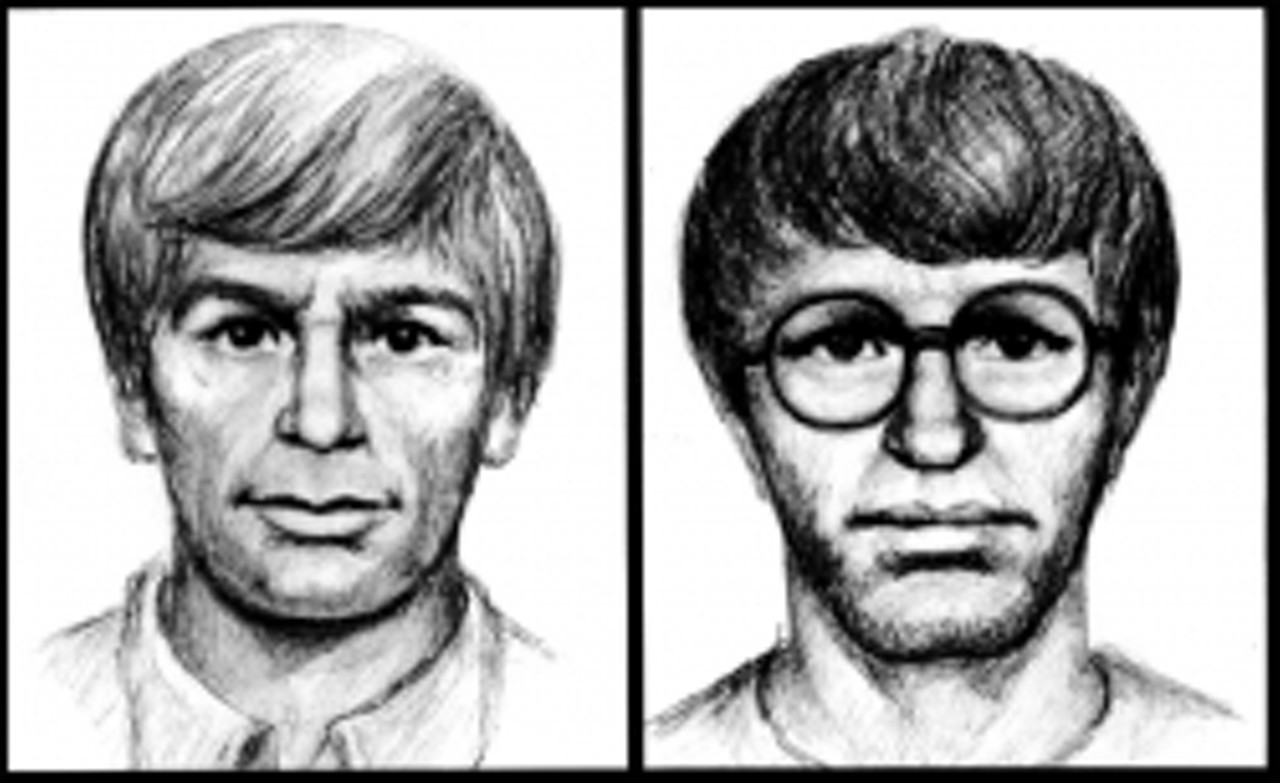
On Friday, October 27, 1989, ten-year-old Amy Renee Mihaljevic disappeared from the suburban community of Bay Village, Ohio, a quiet suburb located west of Cleveland. Amy walked from her middle school to the Bay Square Shopping Center after receiving phone calls from an unknown adult male. The caller had convinced her to meet him under the guise of buying a surprise promotion gift for her mother, Margaret Mihaljevic. Witnesses reported seeing Amy talking to a man near the shopping plaza before she vanished.
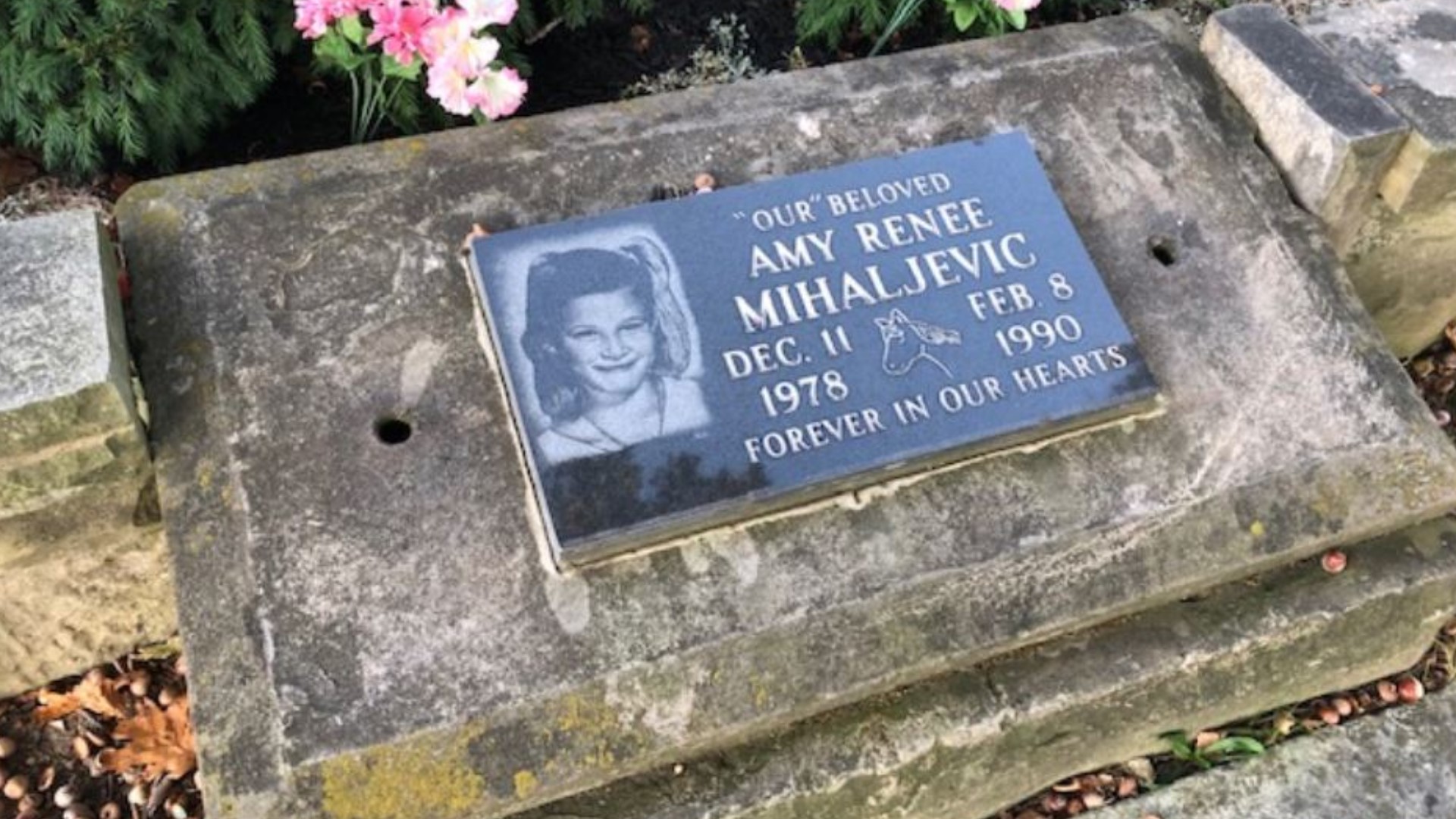
The disappearance triggered one of the largest missing-persons investigations in Ohio history, bringing together the Bay Village Police Department, the Cuyahoga County Sheriff’s Department, the Federal Bureau of Investigation (FBI), and surrounding law enforcement jurisdictions. The intensive search continued for over three months until February 8, 1990, when a local farmer discovered Amy's body in a rural field in Ruggles Township, Ashland County, Ohio—approximately 50 miles inland from where she was last seen.
Autopsy reports established that Amy died shortly after her abduction from blunt force trauma to the head and knife wounds to the neck. The remote dumping site yielded vital physical evidence, including carpet fibers, pet hair, and a unique handmade curtain or blanket. Over the following decades, cold case investigators continuously re-examined this physical evidence using evolving forensic technologies.
Timeline of Key Events:
- [Oct 27, 1989] Amy abducted from Bay Square Shopping Center (Bay Village, OH)
- [Feb 8, 1990] Amy's body discovered in Ruggles Township (Ashland County, OH)
- [1990s–2000s] Task force interviews thousands of leads; several key POIs identified
- [2013–2016] Advanced M-Vac DNA extraction yields new genetic profiles from evidence
- [2021–Present] Forensic updates narrow focus on specific regional suspects and tips
The Perpetrator's Modus Operandi: Phone Calls and Lure Tactics
A central element of the Amy Mihaljevic case is the caller's specific, highly targeted approach. In the weeks leading up to the abduction, several young girls residing in the Westlake and Bay Village areas received telephone calls from an unidentified male. The caller demonstrated intimate knowledge of the children's daily routines, family structures, and parents' employment details.
In Amy's case, the caller made contact after her mother, Margaret Mihaljevic, secured a new position at the Trading Times publication in suburban Cleveland. The man claimed to be a co-worker of her mother and asked Amy to meet him secretly so they could shop for a celebration gift. The caller specifically instructed Amy not to inform her father or brother, framing the arrangement as a special secret surprise.
This deliberate pattern of behavioral grooming provided law enforcement with crucial insights into the suspect profile:
- Local Familiarity: The perpetrator possessed detailed local knowledge of the West End suburbs of Cleveland, telephone prefixes, and family circumstances.
- Pretext Creation: The suspect used plausible, trust-building stories tailored to young children rather than employing immediate physical coercion at the initial contact point.
- Geographic Mobility: The killer was able to move unobserved from suburban Cuyahoga County to agricultural areas in Ashland County, indicating access to a reliable personal vehicle.
Key Suspects and Persons of Interest Investigated Over the Decades
Throughout the course of the investigation, federal agents and local detectives evaluated thousands of tips. Several individuals emerged as major persons of interest due to geographic proximity, behavioral patterns, physical characteristics, or possession of items resembling evidence found at the crime scene.
1. Dean Runkle
Dean Runkle, a middle school teacher residing in the region during the late 1980s, became a focus of investigative inquiry after tipsters raised concerns regarding his potential connection to the area and its student population. Investigators scrutinized Runkle's potential access to vehicles matching witness descriptions at the Bay Square Shopping Center. Furthermore, investigators examined household fabrics and materials associated with Runkle to determine if they matched the unique yellow-gold fibers found on Amy's body. However, public law enforcement updates have confirmed that no definitive physical or genetic link has established Runkle as the perpetrator, and he has maintained his innocence.
2. James Robert Lawson
James Robert Lawson was identified as a suspect due to his past criminal record involving offenses against minors and his presence in North Central Ohio during the period of the abduction. Lawson's background led the multi-agency task force to conduct extensive interviews, polygraph examinations, and background checks. While Lawson fit certain behavioral risk profiles constructed by federal profilers, investigators did not obtain conclusive forensic evidence connecting him to the physical crime scene in Ashland County.
3. Joseph Edward Monda
Joseph Edward Monda drew law enforcement attention following reports that he had engaged in suspicious contact with young girls in the surrounding suburbs around the time of Amy's disappearance. Monda was interviewed extensively by detectives working the cold case task force. Authorities evaluated his alibis and whereabouts on October 27, 1989, alongside his historical phone records. Despite intensive review, Monda was not charged in connection with the abduction.
4. Ralph Weymouth
Ralph Weymouth was named a person of interest based on witness reports regarding a green vehicle similar to one observed near the Bay Square Shopping Center on the day Amy vanished. Search warrants were executed on property connected to Weymouth, and items were seized for crime lab comparison. While Weymouth remained a subject of investigative interest for several years, comparative analysis of fibers and early DNA testing yielded inconclusive results.
5. The 2021 Forensic Lead and Unnamed Suspects
In 2021, significant public attention returned to the case when investigative reporters and local authorities highlighted new information concerning a previously unnamed suspect. A former girlfriend of a man who lived near the Bay Square Shopping Center in 1989 contacted law enforcement with critical details. She reported that her former partner was absent for unusual periods on the day of the abduction and had later asked her to help clean a vehicle matching descriptions held by police.
Additionally, this individual had ties to property in Ashland County near the site where Amy's body was discovered. Law enforcement executed targeted searches, impounded a vehicle for advanced forensic testing, and utilized modern collection methods to search for touch DNA. While authorities have not publicly released the suspect's full identity pending formal charges, this lead remains one of the most active avenues of inquiry.
Critical Physical and Forensic Evidence
The crime scene in Ruggles Township provided law enforcement with physical evidence that continues to serve as the benchmark for evaluating potential suspects. The primary pieces of forensic evidence include:
- The Gold/Yellow Quilt or Curtain Fragment: Amy's body was found partially covered by or wrapped in a distinct homemade fabric panel consisting of gold-and-yellow woven fiber patterns.
- Carpet and Blanket Fibers: Forensic technicians recovered synthetic carpet fibers and horse blanket materials from Amy's clothing, suggesting she was transported in a vehicle or kept in a facility where animals or equestrian equipment were present.
- Animal Hair: Samples of dog hair and equine hair were harvested from the victim's garments, aiding investigators in narrowing down household environments associated with potential suspects.
- Touch DNA and Biological Samples: In the initial 1990 investigation, traditional DNA profiling was in its infancy. Modern cold case teams have used wet-vacuum forensic isolation technology (such as the M-Vac system) to pull microscopic biological cells from the fabric samples, binder clips, and personal belongings recovered at the scene.
Evidence Analysis Matrix:
| Evidence Item | Forensic Characteristics | Investigative Significance |
|---|---|---|
| Gold Woven Fabric/Curtain | Distinct yellow-gold fiber blend with unique stitch pattern | Direct link to perpetrator's residence or vehicle |
| Animal & Carpet Fibers | Equine hair, canine hair, and specific synthetic carpet carpet | Indicates contact with horse equipment or suburban garage |
| Touch DNA Extracts | Microscopic skin cell residue collected via M-Vac technology | Evaluated via modern genetic databases and genealogy |
Comparison of Identified Persons of Interest
To understand how law enforcement evaluated various leads over time, the following table compares key suspects across critical investigative criteria:
| Suspect / Lead Name | Primary Basis for Investigation | Key Evidence Evaluated | Known Status / Outcome |
|---|---|---|---|
| Dean Runkle | Proximity, vehicle match tips, local employment profile | Household fabrics, vehicle inspection, polygraph analysis | Extensively interviewed; no DNA link established; uncharged. |
| James Robert Lawson | Criminal history involving minors, regional residency | Alibi verification, behavioral profiling, historic movements | Vetted by task force; insufficient evidence to file charges. |
| Joseph Edward Monda | Reports of suspicious phone calls to regional youth | Phone log analysis, alibi verification, witness identification | Interviewed by detectives; no formal connection proven. |
| Ralph Weymouth | Vehicle match (green sedan), suspicious behavior tips | Vehicle search warrants, fiber comparison, physical searches | Items seized for lab comparison; results inconclusive. |
| 2021 Unnamed Suspect | Ex-partner tip, proximity to Bay Square, Ashland County ties | Vehicle search, touch DNA extraction, geographic mapping | Active lead under modern forensic review by law enforcement. |
Technological and Methodological Advances in the Investigation
The Amy Mihaljevic case represents a case study in how technological advances transform long-standing cold cases. The Bay Village Police Department, working alongside federal partners and specialized private laboratories, has applied modern investigative techniques to historical evidence:
- M-Vac Forensic DNA Extraction: Traditional swabbing often fails to collect biological material trapped deep within coarse fabrics. The M-Vac system uses a sterile liquid spray and vacuum pressure to release surface cells, successfully yielding partial DNA profiles from the evidence seized in 1990.
- Investigative Genetic Genealogy (IGG): By uploading recovered genetic profiles to public and permissioned genealogical databases (such as GEDmatch or FamilyTreeDNA), forensic genealogists construct family trees to identify potential relatives of the unknown contributor.
- Digital Mapping and Phone Record Reconstruction: Modern data tools allow investigators to digitize and cross-reference thousands of historic hand-written tip sheets, land registry records in Ashland County, and 1989 telecommunication logs to detect previously unnoticed geographic overlaps.
Law Enforcement Coordination and Legal Protections
Investigating cold cases involving historical homicides requires strict adherence to legal standards to ensure that any future arrest withstands judicial review. The Cuyahoga County Prosecutor's Office and the FBI Cold Case Task Force continuously evaluate incoming tips against evidentiary standards.
Under United States constitutional law, all named individuals and persons of interest remain innocent until proven guilty in a court of law. Law enforcement agencies maintain confidentiality regarding uncharged individuals to protect the integrity of ongoing grand jury inquiries and prevent the compromise of active field operations.
Investigative Notice: The FBI and the Bay Village Police Department offer rewards for information leading to the arrest and conviction of the individual responsible for the murder of Amy Mihaljevic. Tips can be submitted anonymously.
Frequently Asked Questions
Has anyone ever been formally charged in the Amy Mihaljevic case?
No. Despite thousands of interviews, search warrants, and extensive forensic testing over several decades, no individual has been formally indicted or charged in a court of law for the abduction and murder of Amy Mihaljevic.
What was the key evidence found near Amy Mihaljevic's body?
The primary evidence discovered at the Ashland County dump site included a distinct yellow-gold handmade curtain or blanket fragment, synthetic carpet fibers, horse hair, dog hair, and physical impressions. Modern labs continue to analyze these items for touch DNA.
How did the perpetrator contact Amy Mihaljevic before her abduction?
The killer telephoned Amy directly at her home in Bay Village, Ohio. He claimed to be a co-worker of her mother, Margaret Mihaljevic, and persuaded Amy to meet him secretly at the Bay Square Shopping Center under the pretense of purchasing a gift to celebrate her mother's recent job promotion.
What is the significance of the 2021 suspect lead?
In 2021, public reports revealed that law enforcement was actively investigating a suspect whose ex-girlfriend provided details regarding his unaccounted-for time on the day of the abduction, his possession of suspicious items, and his personal connections to both Bay Village and Ashland County.
How are modern forensic tools being used in this cold case?
Detectives utilize wet-vacuum DNA collection tools (M-Vac), advanced touch DNA profiling, and investigative genetic genealogy to match trace biological material harvested from crime scene evidence against national offender databases and family lineage registries.
Next Steps and How to Submit Law Enforcement Tips
Public assistance remains vital to resolving the Amy Mihaljevic cold case. Small details, historical recollections, or physical evidence preserved from the late 1980s can assist law enforcement in corroborating existing leads or establishing a definitive DNA match.
If you possess information concerning the abduction of Amy Mihaljevic, the caller who contacted young girls in the Westlake/Bay Village areas in 1989, or individuals with ties to Ruggles Township in Ashland County during that timeframe, take the following actions:
- Contact the FBI Cleveland Division: Call the local FBI field office at (216) 522-1400 or submit an online tip via the official portal at tips.fbi.gov.
- Reach the Bay Village Police Department: Direct inquiries or historical information to the Bay Village Police Department cold case desk at (440) 871-1234.
- Preserve Historical Documentation: If you possess photos, address records, or physical items related to historic suspects or locations from 1989, inform detectives prior to transferring or handling materials to preserve potential trace evidence.