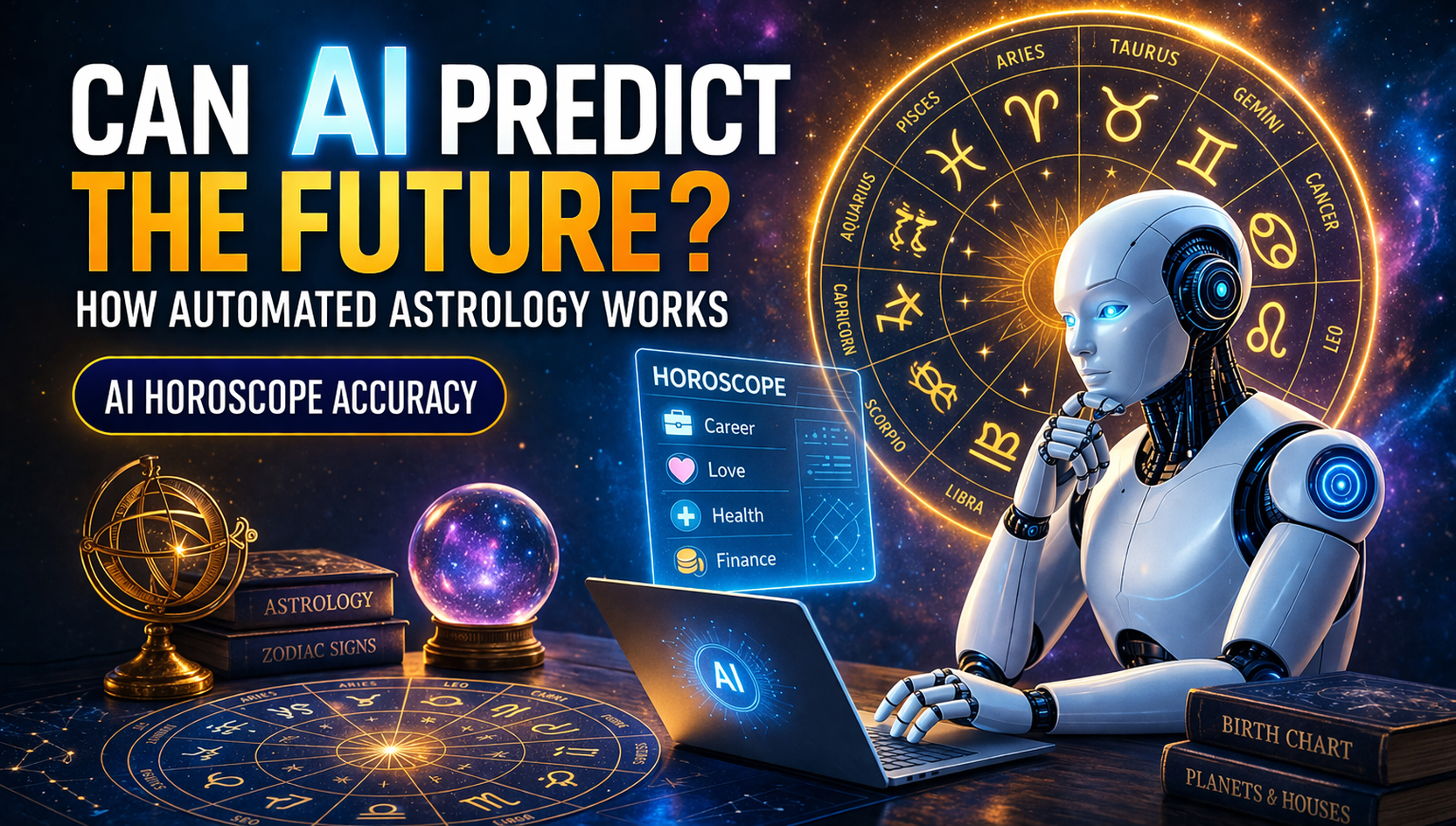
The accuracy of horoscopes—the daily, weekly, or monthly astrological forecasts based on celestial alignments—remains a subject of intense debate between cultural tradition and empirical scrutiny. From a scientific standpoint, horoscopes lack verifiable predictive power, as they are not grounded in testable mechanisms, yet they remain a significant tool for psychological comfort and self-reflection for millions of individuals globally.
Understanding the Mechanism of Horoscopes
To evaluate the accuracy of horoscopes, one must first distinguish between "horoscopic astrology" and astronomical observation. A horoscope is a chart or diagram representing the positions of the Sun, Moon, planets, and astrological aspects at the precise moment of an event, such as a person's birth. The "accuracy" claimed by proponents is usually not derived from physical causality—the idea that the gravitational or electromagnetic pull of distant stars physically influences human personality—but rather from a symbolic, archetypal framework.
In modern astrology, practitioners argue that the accuracy of a horoscope depends on the interpretation of symbols rather than the prediction of specific life events. When individuals perceive a horoscope as "accurate," it is often a manifestation of the Barnum effect (also known as the Forer effect). This psychological phenomenon occurs when people believe that vague, generalized personality descriptions are highly accurate and tailored specifically to them. Because horoscopes are designed to be broad enough to apply to large segments of the population, they easily elicit this subjective validation.
The Scientific Disconnect
The scientific community—including astronomers and physicists—maintains that horoscopes cannot be accurate in a predictive or diagnostic sense because they violate fundamental principles of physics. There is no known force in the universe that accounts for the correlation between the position of a celestial body at the time of birth and an individual's career trajectory, romantic success, or daily mood.
Furthermore, the "accuracy" of sun-sign astrology is complicated by the precession of the equinoxes. The zodiac signs were established in antiquity, but the Earth’s axis has shifted over the millennia. Consequently, the constellation that the Sun appears to be in during a specific window of the calendar year is no longer aligned with the zodiac sign associated with that date in traditional Western astrology. If horoscopes were based on the literal astronomical position of the Sun, they would be misaligned by approximately 24 to 25 days, rendering traditional sun-sign charts factually obsolete by astronomical standards.
Psychological Utility vs. Factual Validity
While the factual accuracy of horoscopes is unsupported by empirical evidence, the popularity of the industry persists due to their psychological utility. Many readers approach horoscopes as a tool for mindfulness or a framework for existential reflection rather than a manual for future events.
- Reflective Prompting: Horoscopes often provide a narrative structure that encourages readers to pause and consider their current situation, fostering a sense of agency.
- Social Connectivity: In 2026, the sharing of astrological content serves as a form of social bonding and communication, where "accuracy" is defined by the degree to which a prediction sparks a meaningful conversation rather than the degree to which it comes to pass.
- Low-Stakes Decision Making: Many individuals use horoscopes to validate decisions they have already made, using the text as a comfort mechanism to reduce cognitive dissonance.
Comparing Methods of Astrological Calculation
When attempting to determine the validity of a horoscope, it is essential to understand the different methodologies used by practitioners. The following table compares common approaches to demonstrate why "accuracy" varies significantly depending on the source.
| Method | Basis of Calculation | Scope of Accuracy |
|---|---|---|
| Sun-Sign Columns | Date of birth relative to the ecliptic | Very low; intended for mass consumption and entertainment. |
| Birth Chart Analysis | Time, date, and exact location of birth | Medium; provides high-resolution personality frameworks. |
| Transit Astrology | Movement of planets relative to a birth chart | Variable; used for long-term pattern recognition. |
| Horary Astrology | Time of a specific question being asked | Low; relies on symbolic interpretation of the "now." |
Why Predictive Accuracy Fails Testing
Researchers have performed numerous double-blind studies to test the predictive accuracy of horoscopes. One of the most famous, the Shawn Carlson study published in Nature (1985), invited professional astrologers to match birth charts to psychological profiles. The results showed that the astrologers performed no better than chance, suggesting that their "accuracy" was indistinguishable from random guessing.
In 2026, these findings remain the standard in debunking claims of predictive validity. When an astrology column claims that a person will have a "difficult day" or "unexpected financial gain," it relies on the reader to project their own experiences onto the text. Because there is no standard for what constitutes a "success" or a "failure" in a horoscope's prediction, the accuracy is inherently unfalsifiable. In scientific research, if a hypothesis cannot be proven false, it is generally considered outside the realm of empirical science.
The Role of Technology in Horoscope Proliferation
The digital age has significantly altered the delivery and consumption of horoscopic data. Automated algorithms now generate daily horoscopes for millions of users instantly. While these services provide high-speed content, they often dilute the "human touch" that traditional astrologers claimed provided accuracy.
As an editor reviewing the current landscape in 2026, it is clear that digital horoscope services prioritize user interface (UI) and engagement metrics over the historical or astronomical accuracy of the data. Algorithms are optimized to provide agreeable, positive, or emotionally resonating content that encourages users to check their apps daily. This shift highlights that for the consumer, the "accuracy" of a horoscope is increasingly defined by its emotional relevance rather than its connection to the stars.
Common Pitfalls in Expecting Accuracy
Consumers often fall into the trap of seeking "accuracy" in places where it cannot exist. To avoid misunderstandings or reliance on horoscopes for consequential life decisions, consider the following:
- Confirmation Bias: You are likely to remember the one time a horoscope "hit" the mark and forget the dozens of times it was vague or incorrect.
- External Locus of Control: Over-relying on horoscopes can lead to an external locus of control, where an individual feels their life path is dictated by external forces rather than their own actions and responsibilities.
- Financial Exploitation: Be wary of services that charge fees for "personalized accuracy." The complexity of the software used to calculate a chart does not correlate with the accuracy of the prediction.
FAQ: Common Questions About Horoscope Accuracy
1. Can horoscopes predict future financial trends? No. There is no evidence that the positions of celestial bodies impact market movements or personal financial outcomes. Any correlation cited is purely coincidental.
2. Are professional astrologers more accurate than daily apps? Professional astrologers often offer more personalized insights by analyzing multiple planets (the birth chart) rather than just the Sun sign. However, this increased detail still functions within a symbolic, non-predictive framework.
3. Why do my horoscopes sometimes seem "spot on"? This is typically due to the Barnum effect. If a horoscope says you will "face a challenge but overcome it," this statement is applicable to almost everyone on any given day, making it feel accurate regardless of your situation.
4. Does the date of birth matter for horoscope accuracy? Traditional astrology is built entirely on the date, time, and location of birth. However, because the underlying mechanism (celestial influence) has no basis in physics, the date remains a symbolic anchor rather than a causal factor.
5. How should I use horoscopes in my daily life? Treat them as a form of creative writing or reflective literature. If they help you consider your day from a different perspective, they serve a psychological purpose, but they should never be used as a basis for legal, medical, or financial decision-making.
Final Recommendation
The accuracy of horoscopes is a matter of belief, not verifiable fact. If you enjoy horoscopes, consume them as a form of entertainment or a tool for introspection. However, always exercise critical thinking and maintain personal responsibility for your life choices. If you find yourself needing guidance on significant life decisions, consult qualified professionals in the relevant field—financial planners, medical doctors, or licensed therapists—rather than relying on celestial forecasts. Accuracy, in the context of your life's success, is best achieved through direct action and evidence-based decision-making.