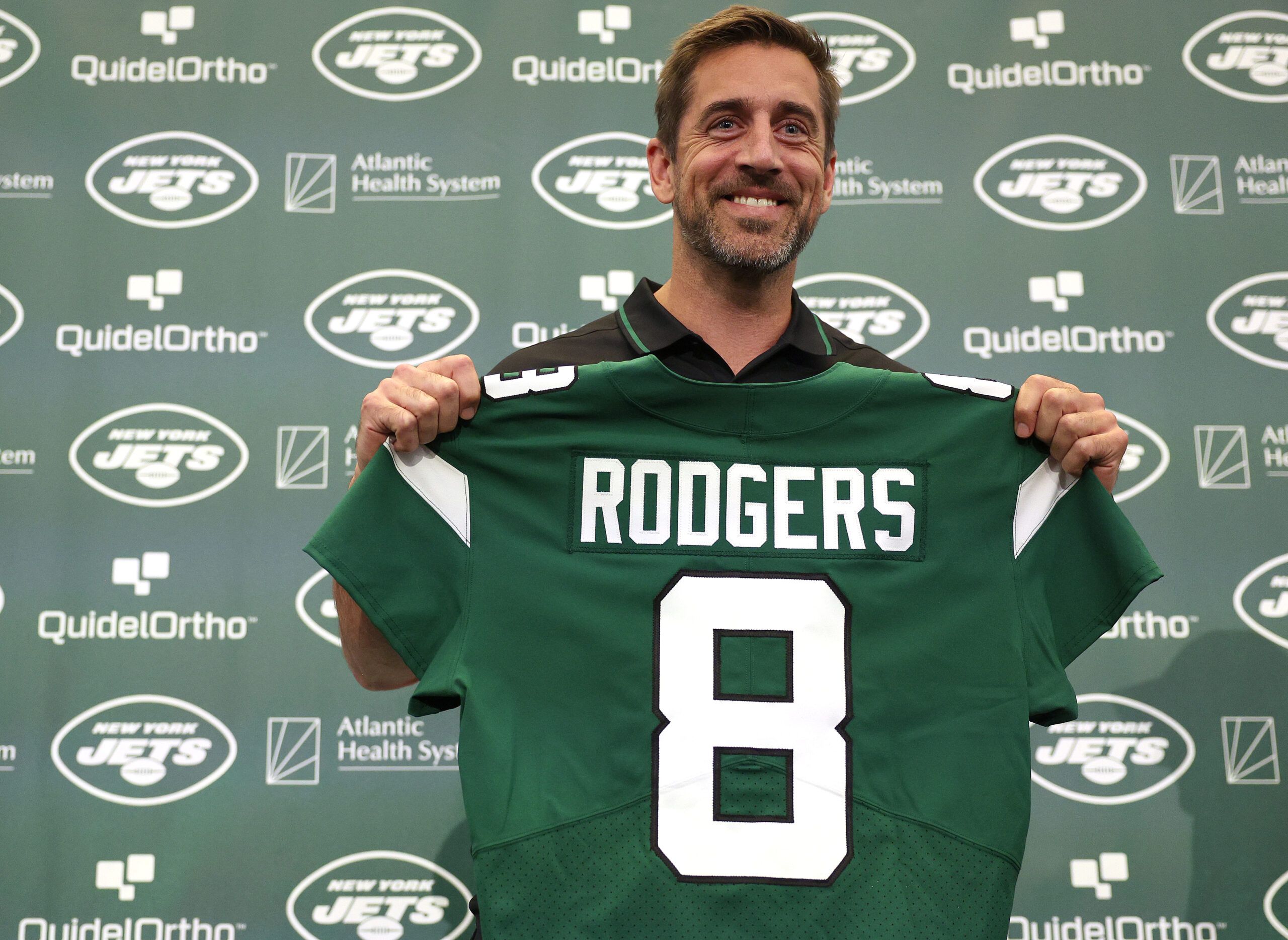
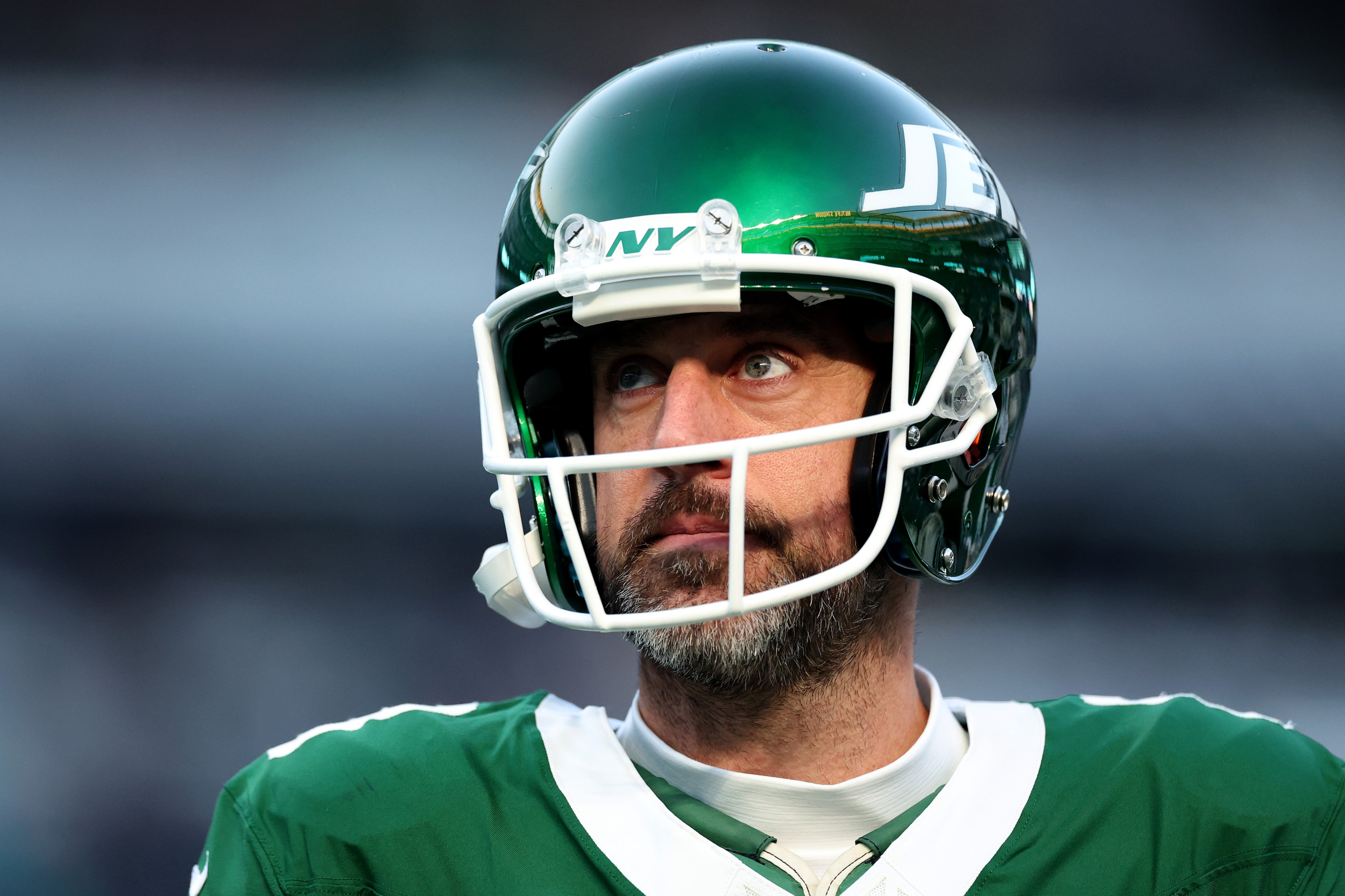
Determining whether Aaron Rodgers is a "good person" is a subjective endeavor that depends heavily on the lens through which one views his professional conduct, personal beliefs, and philanthropic efforts. As a complex public figure, his reputation is defined by a dichotomy of extraordinary athletic achievement, outspoken social commentary, and significant charitable contributions, which often lead to polarized interpretations of his character.
The Professional Persona: Excellence and Leadership
For nearly two decades, Aaron Rodgers has been defined by his unparalleled skill as a quarterback in the National Football League (NFL). Since his entry into the league in 2005 and his subsequent rise to stardom with the Green Bay Packers, his professional character has been defined by a meticulous, perfectionist approach to his craft.
In professional sports, "good" often equates to accountability, competitiveness, and mentorship. Teammates throughout his career have frequently cited his deep study of the game and his high standards as a driving force for team success. His ability to elevate the performance of those around him is a cornerstone of the argument for his positive impact on others. From a professional standpoint, he has consistently demonstrated reliability and dedication, qualities that are widely lauded in high-pressure athletic environments.
However, the definition of a professional "good person" also encompasses how a player handles adversity. Rodgers has faced numerous injury-related challenges and team transitions, including his move to the New York Jets in 2023. His conduct during these high-stakes transitions—often marked by public disagreement with front-office management or critical commentary regarding organizational strategy—has provided fuel for critics who argue that his focus on individual autonomy can sometimes conflict with institutional cohesion.
Philanthropic Impact and Charitable Foundations
One of the most objective metrics for evaluating the character of a high-net-worth individual is their commitment to social welfare. Rodgers has established a consistent track record of philanthropy that suggests a deep commitment to social responsibility.
His charitable work spans a variety of sectors, ranging from local support in the communities where he has played to national initiatives. Notable efforts include:
- The MACC Fund (Midwest Athletes Against Childhood Cancer): Rodgers has been a long-term supporter of this organization, which focuses on funding research for childhood cancer and blood disorders.
- Support for Small Businesses: During the period of economic instability in the early 2020s, he launched the "Aaron Rodgers Small-Business COVID-19 Fund" to assist local businesses in the Chico, California, area, his hometown.
- Direct Advocacy: Beyond financial donations, he has utilized his platform to raise awareness for various social causes, including efforts to combat homelessness and support for social justice initiatives.
These actions form the basis of the argument that his public-facing actions are rooted in a desire to provide tangible aid to those in need. For many observers, these sustained efforts represent the core evidence of a character inclined toward generosity and empathy.
Social Commentary and Public Polarization
The most significant friction in the public perception of Aaron Rodgers stems from his vocal participation in public discourse, particularly regarding health, science, and societal norms. Since 2021, his public statements have frequently diverged from mainstream consensus, leading to intense media scrutiny.
Critics argue that a "good person" in a position of high visibility has a moral responsibility to use their platform to promote consensus-based public health information and avoid divisive rhetoric. When Rodgers challenged medical mandates and debated the nuances of pharmaceutical efficacy, he became a lightning rod for national debate. To his detractors, these actions are seen as irresponsible, prioritizing personal skepticism over communal safety.
Conversely, supporters argue that a hallmark of a good person is the courage to speak one’s truth, even in the face of widespread condemnation. In this view, Rodgers is seen as an individualist who values intellectual freedom and autonomy, refusing to be swayed by "groupthink." This disagreement highlights that what one individual perceives as a virtue—independence and integrity—another may perceive as a vice—stubbornness or a lack of regard for collective well-being.
Navigating Personal Relationships and Privacy
The nature of celebrity makes it difficult to assess personal character through the lens of private relationships. The media frequently focuses on his fractured familial relationships, which have been discussed in the public sphere for several years.
In mainstream media, public conflict between siblings or parents is often interpreted as a negative indicator of personal character. However, psychologists often note that familial dynamics are intensely private and subject to complexities that are rarely understood by the public. Attempting to characterize a person’s moral standing based on strained family ties is fundamentally flawed, as it ignores the nuanced, bilateral nature of such relationships.
Moreover, his focus on maintaining a high level of privacy regarding his personal life is often misinterpreted as coldness or arrogance. In reality, the decision to shield one's private life from the scrutiny of the tabloid industry is a common strategy employed by public figures to maintain their mental health and personal dignity.
Comparative Framework: Measuring Public Figures
To better understand how we categorize public figures like Rodgers, it is helpful to look at how sports media evaluates professional athletes across different dimensions of character.
| Criterion | Perspective of "Good" | Perspective of "Critical" |
|---|---|---|
| Integrity | Sticks to personal principles regardless of backlash. | Refuses to admit error or consider contrary evidence. |
| Communication | Transparent and authentic in personal views. | Uses platform to spread controversial or misaligned ideas. |
| Leadership | Demands high standards of excellence from peers. | Can be perceived as difficult or alienating to teammates. |
| Philanthropy | Consistently provides financial and logistical support. | Seen by some as using charity to offset public controversy. |
This table illustrates that "goodness" is not a static quality but is filtered through the specific values of the observer. Those who value individual sovereignty tend to view Rodgers more favorably, while those who prioritize social cohesion and deference to institutional authority tend to be more critical.
FAQ: Understanding the Nuance of Character
1. Is Aaron Rodgers considered a role model for younger generations? Whether he is a role model depends on the specific traits one aims to emphasize. If the goal is to promote athletic excellence, work ethic, and resilience in the face of injury, many would argue he is an exemplary figure. If the goal is to promote adherence to mainstream social and scientific consensus, critics argue his recent public conduct makes him a poor model.
2. How does his philanthropic work compare to other NFL stars? Rodgers is widely regarded as one of the more active athletes in terms of targeted local philanthropy. While he does not have the same massive, singular foundation scale as some other high-profile athletes, his focus on community-specific aid and sustained long-term involvement with specific organizations (such as the MACC Fund) is consistent with the behavior of a socially conscious public figure.
3. Has he ever been legally cited for character-related issues? No. Throughout his career, Aaron Rodgers has maintained a clean record in terms of legal infractions or conduct-related suspensions by the NFL. This is a significant indicator of his adherence to the rules of his profession and his general compliance with legal expectations.
4. Why is there such a strong divide in how people view him? The divide is primarily a product of the current era's intense political and social polarization. Rodgers has transitioned from a figure who was universally admired for his athletic prowess to one who has become a symbol for a broader cultural debate regarding free speech, medical autonomy, and the responsibility of the wealthy.
5. How much does his private life influence his public perception? Extensively. His public disclosures regarding his personal life and family estrangement serve as a "humanizing" or "dehumanizing" element depending on the reader's bias. For many, his refusal to discuss these matters in detail is seen as a sign of maturity; for others, it is interpreted as a character flaw.
Conclusion: The Subjectivity of Moral Assessment
In 2026, the question of whether Aaron Rodgers is a "good person" remains unresolved because "goodness" is an appraisal of character that resides in the eye of the beholder. If one defines a good person as someone who contributes positively to their profession, donates to those in need, and maintains personal integrity in the face of intense criticism, then the evidence supports a positive assessment.
If one defines a good person as someone who conforms to societal norms, defers to institutional authorities during public crises, and maintains traditional family cohesion, one might find his public record lacking. Ultimately, Aaron Rodgers remains an example of the modern public figure: an individual of significant talent and resources whose actions are analyzed with a level of intensity that often obscures the complexity of the person behind the athlete. Evaluating his character requires looking past the headlines and acknowledging the inherent subjectivity in how we define a "good person."