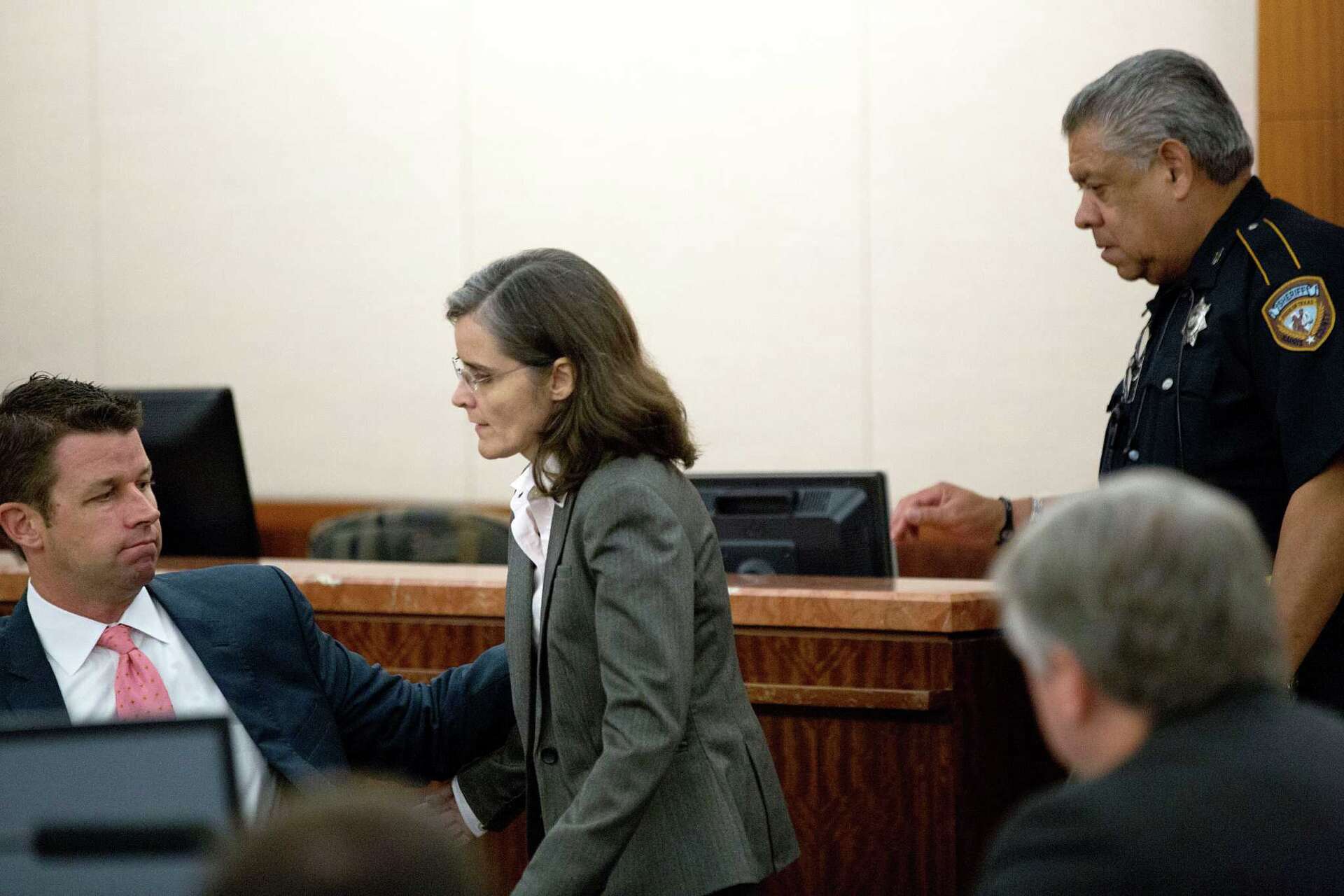
The parole decisions surrounding Dr. Ana Maria Gonzalez-Angulo—the former M.D. Anderson Cancer Center oncologist convicted in 2014 of poisoning her colleague with ethylene glycol—rekindled intense public debate over executive clemency, offender rehabilitation, and the weighing of violent risk against professional status. The Texas Board of Pardons and Paroles repeatedly denied her early release during her 10-year sentence, reflecting strict statutory standards for severe assault charges regardless of an inmate's institutional record.
Background of the Criminal Conviction
To understand the intense scrutiny surrounding the parole reviews of Dr. Ana Maria Gonzalez-Angulo, one must first examine the events that led to her imprisonment. In October 2014, a Harris County jury convicted Gonzalez-Angulo, a world-renowned breast cancer researcher and associate professor at the University of Texas M.D. Anderson Cancer Center in Houston, of aggravated assault causing serious bodily injury.
The prosecution demonstrated that in January 2013, Gonzalez-Angulo served her colleague and romantic partner, Dr. George Blumenschein, coffee laced with ethylene glycol—a sweet-tasting, highly toxic compound widely used in automotive antifreeze. Blumenschein suffered severe, irreversible organ damage, resulting in acute renal failure that required ongoing dialysis and reduced his long-term life expectancy.
Timeline of Key Events:
- Jan 2013: Poisoning Incident
- Oct 2014: Trial & 10-Year Sentence
- 2017–2023: Periodic Parole Eligibility & Denials
- 2024: Mandatory Sentence Expiration / ICE Transfer
During the trial, prosecutors framed the poisoning as an act of obsessive jealousy after Blumenschein attempted to end their informal affair to start a family with his long-term partner. The defense countered that the evidence was entirely circumstantial, emphasizing that no direct physical proof showed Gonzalez-Angulo physically pouring antifreeze into the coffee cup. However, witness testimonies, financial records, laboratory access logs, and expert toxicological evaluations convinced the jury of her guilt.
The court sentenced Gonzalez-Angulo to 10 years in the Texas Department of Criminal Justice (TDCJ). Given her lack of prior criminal history and distinguished academic career, the sentence placed her directly within the operational scope of the Texas correctional and parole systems.
The Texas Parole Framework and Eligibility Rules
In Texas penal law, parole is an discretionary privilege, not a constitutional right. Understanding how the Texas Board of Pardons and Paroles evaluated Gonzalez-Angulo requires examining the statutory guidelines governing parole eligibility in Texas.
Under the Texas Code of Criminal Procedure and the Texas Government Code (Chapter 508), non-capital felony offenders generally become eligible for parole consideration after serving a calculated portion of their calendar sentence combined with earned good-conduct time (good time). However, violent offenses and convictions involving a finding of a "deadly weapon"—which, in this case, included the lethal administration of ethylene glycol—alter the statutory threshold.
- Statutory Minimum Service Requirements: Offenses designated under Section 3g (now Article 42A.054) of the Texas Code of Criminal Procedure mandate that an inmate serve at least half of their actual calendar sentence, or 30 calendar years (whichever is less), without counting accrued good time, before becoming eligible for initial parole review.
- Parole Guidelines Score: The board utilizes a standardized parole guideline system incorporating two main components: a Risk Assessment Instrument (evaluating criminal history, age, and institutional behavior) and an Offense Severity Ranking (ranging from Low to Extraordinary).
- Board Discretion: Even if an inmate achieves a favorable score, the voting panel (comprising board members and commissioners) retains absolute discretion to grant or deny parole based on qualitative evaluation factors.
Because Gonzalez-Angulo was convicted of first-degree aggravated assault causing serious bodily injury, her eligibility was subjected to the highest level of scrutiny, requiring her to serve several calendar years before her first formal board evaluation.
Parole Board Reviews and Decisions
When Dr. Gonzalez-Angulo's case came before the Texas Board of Pardons and Paroles during her periodic review cycles, the panel faced competing representations from the defense team, prosecution representatives, and the victim's advocacy counsel.
Primary Reasons for Denial
Throughout her period of incarceration in the TDCJ Mountain View Unit in Gatesville, Texas, the parole board consistently voted to deny early release. The official decision notices issued by the board routinely cited specific statutory reasons under Texas administrative code:
- Nature and Severity of the Offense: The deliberate, calculated administration of a lethal toxin to a colleague demonstrated a level of planning and indifference to human life that outweighed positive post-conviction adjustment.
- Violent/Aggressive Behavior: Although Gonzalez-Angulo had no prior institutional disciplinary infractions, the underlying conviction involved severe violence resulting in catastrophic, permanent medical harm to the victim.
- Public Safety Concerns: The panel determined that early release would minimize the seriousness of the crime and pose an unacceptable risk to public safety.
Defense Submissions and Institutional Record
Defense attorneys argued for early release by building a record centered on exemplary institutional compliance and low reoffending probability. During her time in prison, Gonzalez-Angulo:
- Maintained a clear disciplinary record with zero major infractions.
- Participated in educational programs and assisted fellow inmates with literacy and administrative tutoring.
- Submitted multiple character references from medical colleagues, international researchers, and family members attesting to her personal reform and non-violent character outside the isolated incident.
Despite these submissions, the board repeatedly determined that institutional compliance alone did not mitigate the gravity of the crime.
The Central Debates Surrounding the Parole Decision
The parole proceedings of Ana Maria Gonzalez-Angulo generated broader debate within legal, medical, and criminological circles. The case exposed contrasting views on the fundamental purpose of the penal system: retribution, deterrence, public protection, or rehabilitation.
The Gonzalez-Angulo Parole Debate:
- Arguments For Parole
- Zero prior criminal history
- Exemplary prison conduct
- Disbarment / No medical risk
- Statutory eligibility met
- Arguments Against Parole
- Calculated, life-altering crime
- Permanent organ damage to victim
- Need for deterrence & justice
- Minimization of violent crime
1. Rehabilitation vs. Retribution
Proponents of early release maintained that parole systems exist to transition individuals back into society once they no longer pose a danger to public safety. From a purely actuarial perspective, statistical models rated Gonzalez-Angulo as an extremely low risk for recidivism. She possessed no prior record, the offense arose from a specific interpersonal crisis, and her professional medical capacity was permanently stripped upon conviction.
Opponents, including the prosecution and victim advocates, argued that granting early release to an individual who used specialized scientific knowledge to inflict permanent harm would undermine public trust in the justice system. Under a retributive justice model, the full execution of the 10-year term was viewed as necessary compensation for the catastrophic physical damage inflicted on the victim.
2. Privilege, White-Collar Status, and Criminal Classification
The case sparked discussions regarding how high-status professional offenders are evaluated within the correctional system. Some legal commentators raised concerns that high-profile professionals often receive undue public advocacy compared to marginalized offenders serving similar terms for violent crimes.
Conversely, defense advocates argued that the board was overly punitive due to the media visibility of the case. They asserted that an ordinary individual with an identical institutional record and risk profile might have received a more favorable evaluation, suggesting that public attention made the board risk-averse.
3. Medical Licensure and Professional Disbarment
A central point of discussion during parole reviews was the practical impossibility of Gonzalez-Angulo repeating her crime in a professional setting. Following her indictment and conviction:
- The Texas Medical Board executed an order revoking her license to practice medicine in the State of Texas.
- Her board certifications and institutional privileges at M.D. Anderson were terminated.
- Federal healthcare exclusion databases prohibited her participation in state or federal medical programs.
Because she could never practice oncology or access clinical reagents again, defense counsel argued that the professional environment facilitating the crime no longer existed, removing any specialized public risk.
4. Immigration Detainer and Federal Custody Dynamics
A critical, often overlooked dimension of the parole debate was Gonzalez-Angulo’s immigration status. As a Colombian national residing in the United States on a non-immigrant professional visa prior to her arrest, her felony conviction triggered mandatory federal deportation provisions under the Immigration and Nationality Act (INA § 237).
Upon her conviction for an "aggravated felony," the U.S. Immigration and Customs Enforcement (ICE) lodged an administrative detainer (Form I-247) with the Texas Department of Criminal Justice. Under this procedure:
- Any grant of state parole would not result in her free release into American society.
- Instead, parole execution would trigger an immediate transfer from TDCJ custody to ICE detainment facilities.
- She would then undergo expedited removal proceedings to Colombia.
This dynamic divided opinion. Some argued that granting early release to facilitate immediate deportation served state financial interests by reducing incarceration costs. Others maintained that deportation should occur only after full satisfaction of the punitive prison term imposed by Texas courts.
Legal and Administrative Summary of the Case
The following table summarizes the legal parameters, parole review metrics, and outcome factors associated with the Ana Maria Gonzalez-Angulo case:
| Category | Specific Parameter / Finding | Legal / Administrative Context |
|---|---|---|
| Primary Conviction | Aggravated Assault with a Deadly Weapon | Texas Penal Code § 22.02 (First-Degree Felony) |
| Sentence Imposed | 10 Years Imprisonment | Texas Department of Criminal Justice (TDCJ) |
| Victim Impact | Severe renal failure / permanent organ damage | Classified as Serious Bodily Injury |
| Parole Board Authority | Texas Board of Pardons and Paroles | Absolute statutory discretion under TX Gov Code § 508 |
| Key Parole Factors | Crime severity, use of poison, victim injury | Outweighed inmate's clean disciplinary record |
| Licensure Status | Revoked by Texas Medical Board | Permanent bar from U.S. medical practice |
| Immigrant Status | Colombian National / ICE Detainer | Subject to mandatory removal under U.S. immigration law |
| Final Sentence Status | Full sentence completion / discharge | Transitioned to immigration proceedings upon release |
Broader Implications for the Justice System
The legal proceedings and parole evaluations in the Gonzalez-Angulo case offer critical insights into the operation of state penal boards when dealing with non-traditional violent offenders.
Discretionary Clemency and Violent Crime Designations
The Texas Board of Pardons and Paroles routinely denies parole to offenders serving time for violent crimes involving deadly weapons, regardless of educational background or post-conviction achievements. The case confirms that within state correctional administration, the initial classification of the offense remains the dominant variable in parole decision-making.
The Role of Victim Impact Statements
Under Texas law (Tex. Code Crim. Proc. Art. 56A), crime victims retain statutory rights to submit written impact statements and present oral testimony to parole board members. Dr. Blumenschein’s continued representation regarding his permanent health impairments played a significant role in the board's decision-making process. Victim impact evidence provides a vital counterweight to an inmate’s internal institutional accomplishments.
Related Questions and Expert Answers
Why was Dr. Gonzalez-Angulo convicted of aggravated assault instead of attempted murder?
In Texas, prosecutors select charges based on the specific elements they can prove beyond a reasonable doubt. Aggravated assault causing serious bodily injury with a deadly weapon is a first-degree felony carrying a sentence range of 5 to 99 years or life—matching the penalty range for attempted murder. Proving aggravated assault required establishing that she intentionally, knowingly, or recklessly caused serious bodily injury using a deadly weapon (ethylene glycol), avoiding the higher burden of proving specific premeditated intent to cause death required for an attempted murder charge.
Did Ana Maria Gonzalez-Angulo ever admit guilt during her parole hearings?
Throughout her trial, direct appeals, and subsequent parole reviews, Dr. Gonzalez-Angulo maintained her innocence, asserting that the poisoning evidence was entirely circumstantial. While state parole boards do not explicitly require an admission of guilt to grant parole, a lack of remorse or failure to take accountability for an offense is frequently cited by voting panels as a reason for denial under public safety guidelines.
What happens to a foreign national when Texas parole is denied?
When parole is denied to a non-U.S. citizen subject to an ICE detainer, the individual remains in state prison to continue serving their sentence. They do not get transferred to federal immigration custody until they either earn parole at a later review date or complete their full calendar sentence (mandatory discharge). Once state penal obligations are satisfied, custody is formally transferred to federal authorities for deportation.
Can an inmate appeal a Texas Board of Pardons and Paroles decision?
No. In Texas, decisions made by the Board of Pardons and Paroles are entirely discretionary and are not subject to judicial review or direct administrative appeal. An inmate who is denied parole must wait until their next scheduled re-consideration date (typically set between 1 and 5 years later, depending on the offense type) for the board to review their case again.
How does ethylene glycol act as a deadly weapon under Texas law?
Under Texas Penal Code § 1.07(a)(17), a "deadly weapon" is defined as a firearm or anything manifestly designed, made, or adapted for the purpose of inflicting death or serious bodily injury, or anything that in the manner of its use or intended use is capable of causing death or serious bodily injury. Because ethylene glycol causes severe biological toxicity, kidney failure, and death when ingested, the court classified its administration as the use of a deadly weapon.
Actionable Takeaways for Following Parole and Criminal Record Inquiries
For legal researchers, criminology students, and members of the public monitoring high-profile parole cases or navigating state correctional systems:
- Access Public Parole Information: Official voting records and statutory reasons for parole decisions in Texas can be tracked via the official Texas Department of Criminal Justice Inmate Information Search portal and the Texas Board of Pardons and Paroles public clearinghouse.
- Review Statutory Guidelines: To understand parole timing and mandatory service minimums for felony convictions, consult Chapter 508 of the Texas Government Code.
- Track Immigration Detainers: Information regarding federal custody transfers post-incarceration for foreign nationals can be reviewed through the U.S. Immigration and Customs Enforcement Detainer Policy Guidelines.
Disclaimer: This article is intended solely for legal analysis, historical documentation, and educational purposes. It does not constitute formal legal advice. For advice regarding specific criminal or parole matters, consult a qualified attorney licensed in the relevant jurisdiction.